
Eco-Friendly Shipping Container Gardens: Tips for Urban Agriculture
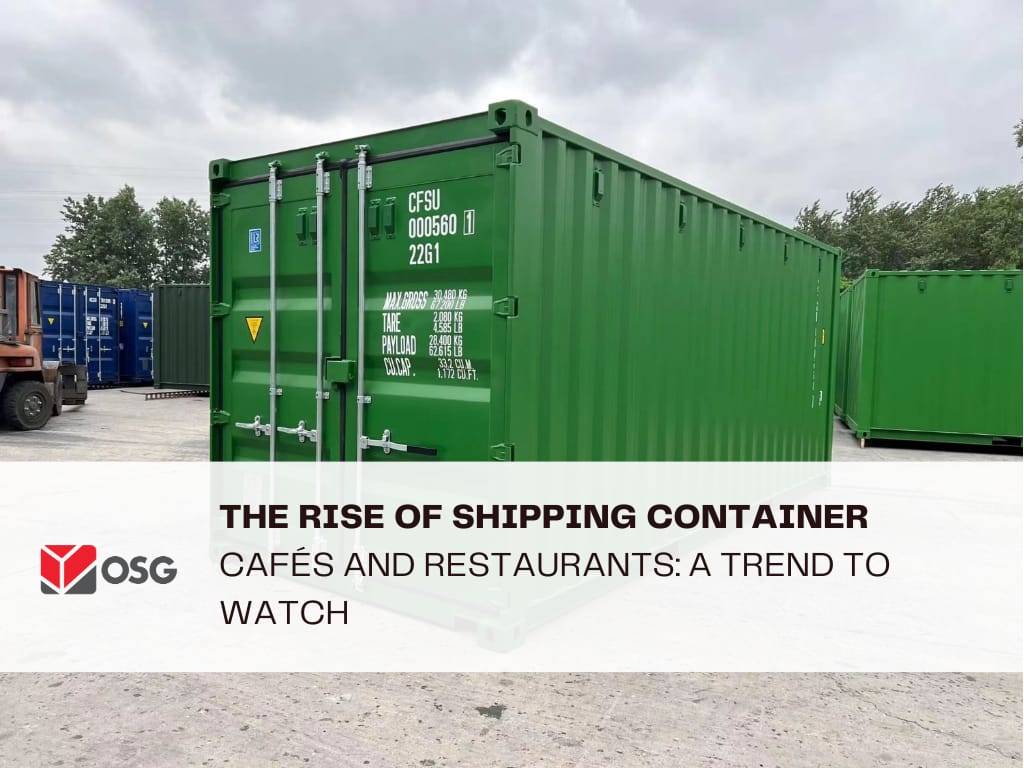
Urban areas are continuously evolving, and with growing populations, the need for sustainable agriculture has become more urgent. One innovative solution gaining traction is the use of shipping containers for urban gardens. These eco-friendly gardens offer a practical way to cultivate fresh produce in spaces where traditional farming might be impossible. Not only do shipping container gardens utilize repurposed materials, but they also promote sustainable agriculture and make the most of limited urban spaces. If you’re considering starting your own container garden, here are some tips to get started.
Why Choose Shipping Containers for Urban Agriculture?
Shipping containers are readily available, durable, and versatile. They’re built to withstand harsh environmental conditions, making them perfect for use in urban settings where space is often limited. By repurposing old containers, you also contribute to reducing waste, which is a significant factor in promoting sustainability.
Key Benefits:
- Space Optimization: In densely populated cities, land is scarce and expensive. Shipping containers can be stacked, customized, and placed in underutilized spaces such as rooftops or vacant lots.
- Controlled Environment: The steel structure of a container can be easily modified to regulate temperature, humidity, and light, creating an ideal environment for plant growth year-round.
- Portability: Unlike traditional gardens, container gardens can be moved if necessary, making them suitable for urban dwellers who might not have permanent access to outdoor spaces.
- Sustainable Repurposing: Using an old shipping container reduces the demand for new building materials and helps recycle unused containers.
Tips for Setting Up Your Shipping Container Garden
While shipping container gardens are relatively easy to set up, careful planning is required to ensure they are both eco-friendly and efficient. Here’s how you can get started:
1. Choose the Right Container
Before you begin, it’s crucial to select the right shipping container for your garden. Standard sizes are 20 feet and 40 feet long, but the size you choose will depend on the available space and the amount of produce you wish to grow. Additionally, inspect the container to ensure it is structurally sound and free of harmful chemicals or rust, which could contaminate your soil.
2. Install Proper Insulation
Metal containers can absorb and retain heat, which can harm your plants during hot months. Adding insulation to your container is essential for maintaining a stable internal temperature. Eco-friendly insulation options include recycled materials like cotton or wool. You can also explore natural insulation materials such as hemp or cork.
3. Maximize Vertical Space
Since floor space is limited in a shipping container, consider using vertical gardening techniques. Install shelves, hanging planters, or vertical garden walls to make the most of your available space. Plants like herbs, strawberries, and leafy greens thrive in vertical setups.
4. Choose Sustainable Irrigation Systems
Water conservation is critical in any garden, especially in urban agriculture. Shipping container gardens are often enclosed spaces, making it easier to integrate water-efficient systems. Drip irrigation and rainwater harvesting are two sustainable options that reduce water waste while ensuring your plants receive adequate hydration. Additionally, you can incorporate sensors to monitor soil moisture levels and automate irrigation when needed.
5. Opt for Organic Soil and Fertilizers
For an eco-friendly garden, it’s essential to use organic soil and fertilizers. Avoid chemically treated or synthetic products that can harm your plants and the environment. Composting is a fantastic way to create nutrient-rich soil that promotes healthy plant growth. You can also use organic fertilizers like fish emulsion, seaweed, or bone meal to boost soil fertility.
6. Use Solar Power for Lighting
If your container garden is located in an area with limited natural light, you may need to supplement with artificial lighting. To keep your garden eco-friendly, consider using solar-powered grow lights. Solar panels can be installed on the roof of your container, capturing energy from the sun to power LED grow lights that mimic natural sunlight. These lights are energy-efficient and promote photosynthesis in plants.
7. Grow the Right Plants
Certain plants thrive better in container gardens than others. For beginners, consider growing fast-growing crops like lettuce, kale, and spinach. Herbs like basil, cilantro, and mint are also easy to grow in small spaces and can be used to enhance your cooking. If space allows, you can even plant fruit-bearing plants like tomatoes, peppers, or dwarf fruit trees.
8. Integrate Companion Planting
Companion planting is a technique where certain plants are grown together to support each other’s growth. For example, growing marigolds alongside your vegetables can help deter pests, while planting beans with corn can provide nitrogen to the soil. This method can reduce the need for chemical pesticides and fertilizers, keeping your garden eco-friendly and healthy.
Conclusion
Eco-friendly shipping container gardens are a smart solution for urban agriculture, offering a sustainable way to grow fresh produce in limited spaces. By repurposing shipping containers, you can create a highly efficient garden that conserves resources, reduces waste, and provides a steady supply of food. With careful planning and the right techniques, your container garden can flourish, providing you with the benefits of homegrown produce while contributing to a greener, more sustainable urban environment.
Whether you’re an urban dweller with a passion for gardening or someone looking to reduce their environmental footprint, shipping container gardens offer an exciting and viable path to eco-friendly urban agriculture.