
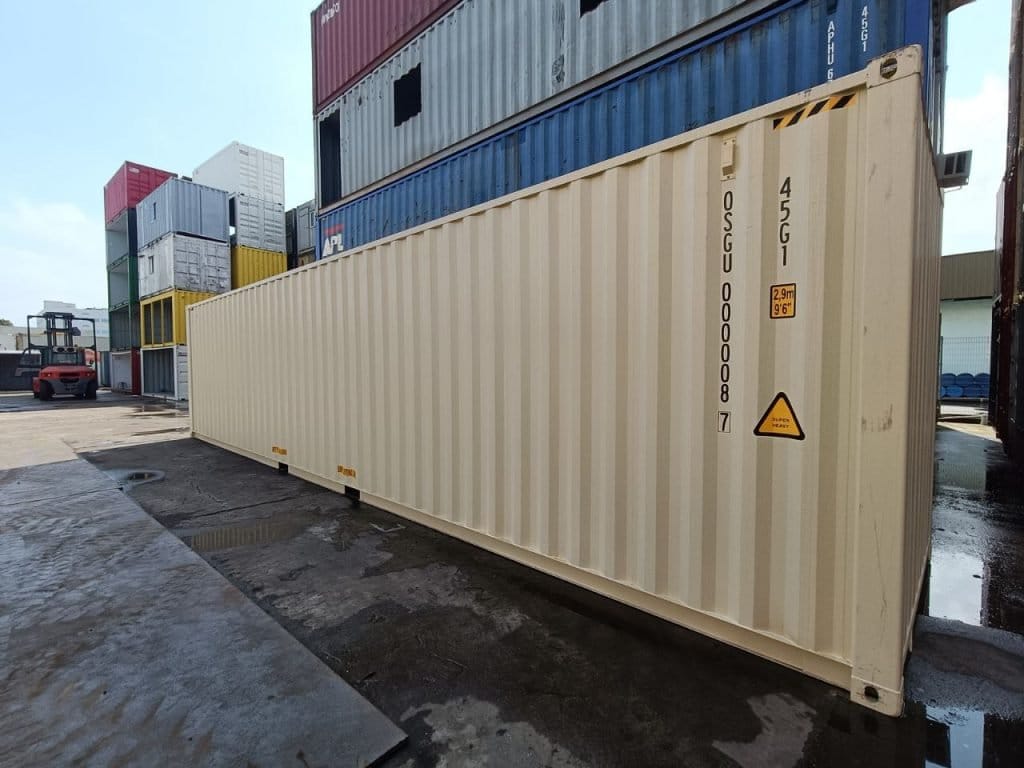
Modular Magic: How Shipping Containers are Shaping the Future of Construction
In recent years, shipping containers have transitioned from their traditional role of transporting goods across oceans to becoming a revolutionary force in the construction industry. This shift represents a remarkable evolution in modular architecture and sustainable building practices. The concept of repurposing these robust metal boxes for construction is reshaping how we think about design, efficiency, and environmental impact. Here’s a deep dive into how shipping containers are shaping the future of construction.
The Rise of Container Architecture
Shipping containers were originally designed to withstand the harshest conditions of international transport. Their durability, stackability, and standard dimensions make them ideal candidates for modular construction. The idea of using these containers for building purposes first gained traction in the early 2000s, but it wasn’t until recent years that the trend began to gain significant momentum. Architects and builders are now exploring the potential of container architecture to create everything from affordable housing to innovative commercial spaces.
Efficiency and Cost-Effectiveness
One of the most compelling reasons behind the rise of shipping container construction is its cost-effectiveness. Traditional construction methods often involve extensive groundwork, which can drive up costs significantly. In contrast, shipping containers arrive pre-fabricated, which reduces the need for extensive on-site construction. This pre-fabrication not only speeds up the building process but also lowers labor costs. Additionally, because containers are designed to be durable and weather-resistant, they can significantly reduce long-term maintenance expenses.
Sustainability and Environmental Impact
As concerns over climate change and resource depletion become increasingly urgent, the construction industry is under pressure to adopt more sustainable practices. Shipping container construction offers a compelling solution. Repurposing used containers reduces the demand for new building materials, thereby decreasing the overall environmental footprint. Moreover, containers are often made from steel, which is highly recyclable. This characteristic aligns well with green building principles, promoting a circular economy where materials are reused and recycled rather than discarded.
Versatility and Design Innovation
Contrary to what one might assume, shipping containers are not limited to simple, boxy structures. Architects and designers are leveraging the modular nature of containers to create highly versatile and innovative designs. Containers can be stacked, arranged, and combined in various configurations to suit different needs. For example, modular container units can be assembled into multi-story buildings, mixed-use developments, or even intricate, artistic structures.
The adaptability of shipping containers also extends to their use in various climates and environments. They can be insulated, climate-controlled, and adapted to meet local building codes and regulations. This flexibility makes container architecture an attractive option for diverse applications, including emergency shelters, pop-up shops, and remote housing.
Real-World Examples and Success Stories
Several high-profile projects have showcased the potential of shipping container architecture. One notable example is the Container City project in London, a development that transformed shipping containers into a vibrant community of affordable housing and commercial spaces. Another impressive project is the Honomobo in Canada, a company that specializes in creating modern, eco-friendly homes using shipping containers. These success stories highlight the practicality and aesthetic potential of container construction, inspiring further innovation in the field.
Challenges and Future Prospects
While shipping container construction offers numerous benefits, it is not without its challenges. The initial cost of purchasing and transporting containers, as well as modifying them for building purposes, can be significant. Additionally, while containers are inherently strong, their use in construction requires careful consideration of factors such as insulation, ventilation, and structural integrity to ensure comfort and safety.
Despite these challenges, the future of shipping container architecture looks promising. Ongoing advancements in design and construction techniques, coupled with a growing emphasis on sustainability, are likely to drive further adoption of container-based building solutions. As more architects, builders, and developers explore the potential of this innovative approach, we can expect to see increasingly diverse and creative uses for shipping containers in the built environment.
Conclusion
Shipping containers are no longer just a means of transporting goods—they are a testament to the transformative power of modular construction. By repurposing these durable, standardized structures, the construction industry is not only embracing cost-effective and sustainable practices but also unlocking new possibilities for design and innovation. As we move towards a future where environmental consciousness and efficiency are paramount, shipping container architecture stands out as a compelling example of how creative solutions can reshape the way we build and live.