
The Global Journey of a Shipping Container: From Factory to Final Destination
In today’s interconnected world, shipping containers are the unsung heroes of global trade, quietly enabling the movement of goods across vast distances with remarkable efficiency. The journey of a shipping container from its manufacturing origin to its final destination is a complex process involving multiple stages, each crucial in ensuring that goods reach their intended markets intact and on time.
- Manufacturing: Crafting the Perfect Container
The journey begins at the manufacturing plant where containers are constructed. Shipping containers are built to withstand the rigors of global transportation, including harsh weather conditions and rough handling. Typically made from high-quality steel, they are designed to be durable, secure, and stackable.
The manufacturing process involves several key steps:
- Material Selection: Steel plates are chosen for their strength and resilience. The steel is treated to resist corrosion and extend the container’s lifespan.
- Cutting and Shaping: Steel plates are cut and shaped into the various parts of the container, including the walls, floor, and roof.
- Welding and Assembly: The parts are welded together to form the container’s structure. Quality control checks ensure the welds are strong and secure.
- Painting and Finishing: The container is painted with a protective coating to shield it from the elements during transport.
- Transportation to the Port
Once manufactured, the containers are transported to a port for international shipping. This stage involves:
- Land Transport: Containers are first moved from the manufacturing facility to the nearest port using trucks or trains. Specialized vehicles, known as container chassis, are used to transport containers safely.
- Port Handling: At the port, containers are unloaded from trucks or trains and are prepared for loading onto ships. This involves storage in container yards and the use of cranes and other equipment to position the containers for loading.
- Maritime Shipping
The heart of the shipping container’s journey lies in its sea voyage. Shipping containers are loaded onto large cargo ships designed to carry thousands of containers across the ocean. Key aspects of this stage include:
- Loading: Containers are carefully loaded onto the ship using cranes, ensuring they are secured and balanced. The loading process must account for weight distribution to maintain the ship’s stability.
- Voyage: During the voyage, containers face numerous challenges including weather conditions and potential rough seas. Modern cargo ships are equipped with sophisticated navigation and safety systems to handle these conditions.
- Customs and Documentation: While at sea, the container’s destination port is notified, and all necessary documentation is prepared. This includes customs paperwork to ensure that goods comply with import regulations.
- Arrival at the Destination Port
Upon reaching the destination port, the container undergoes several procedures:
- Unloading: Containers are unloaded from the ship using cranes and transported to the port’s container yard.
- Customs Clearance: The container goes through customs inspection and clearance. This step involves verifying the contents of the container, ensuring they comply with local regulations, and paying any applicable duties or taxes.
- Storage and Handling: Once cleared, the container is stored in a container yard until it is ready to be transported to its final destination.
- Final Leg: Land Transportation to the End User
The final stage of the container’s journey involves transporting it from the port to the end user. This process includes:
- Local Transport: Containers are moved from the port to their final destination using trucks or trains. This stage requires careful coordination to ensure timely delivery.
- Delivery and Unloading: Upon arrival, the container is unloaded, and its contents are delivered to the recipient. The container may be returned to the port for reuse or sent to a depot for maintenance and repairs.
- Lifecycle and Sustainability
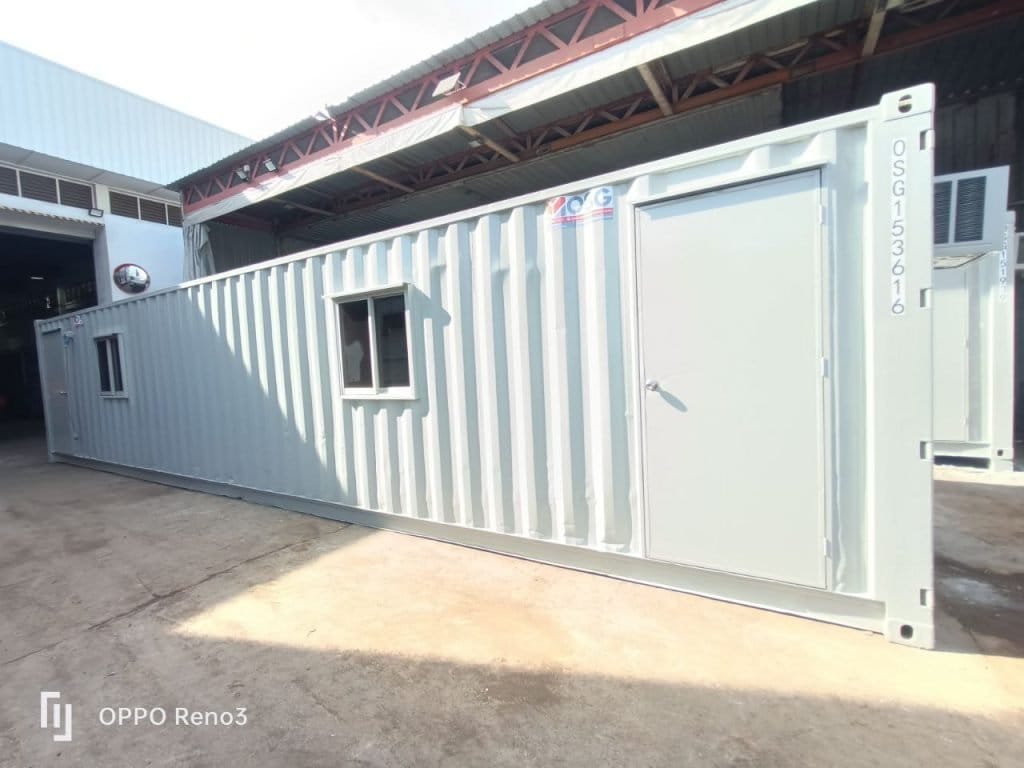
The lifecycle of a shipping container doesn’t end with its final delivery. Containers are often reused for multiple journeys, and their robust design means they can serve for many years. However, when containers are retired from service, they can be repurposed for various uses, including as storage units, offices, or even homes.
Conclusion
The global journey of a shipping container is a testament to the efficiency and complexity of modern logistics and international trade. From its meticulous manufacturing to its final delivery, each stage is carefully orchestrated to ensure that goods reach their destination safely and on time. Understanding this journey not only highlights the crucial role of shipping containers in global commerce but also underscores the importance of a well-coordinated supply chain in today’s global economy.