
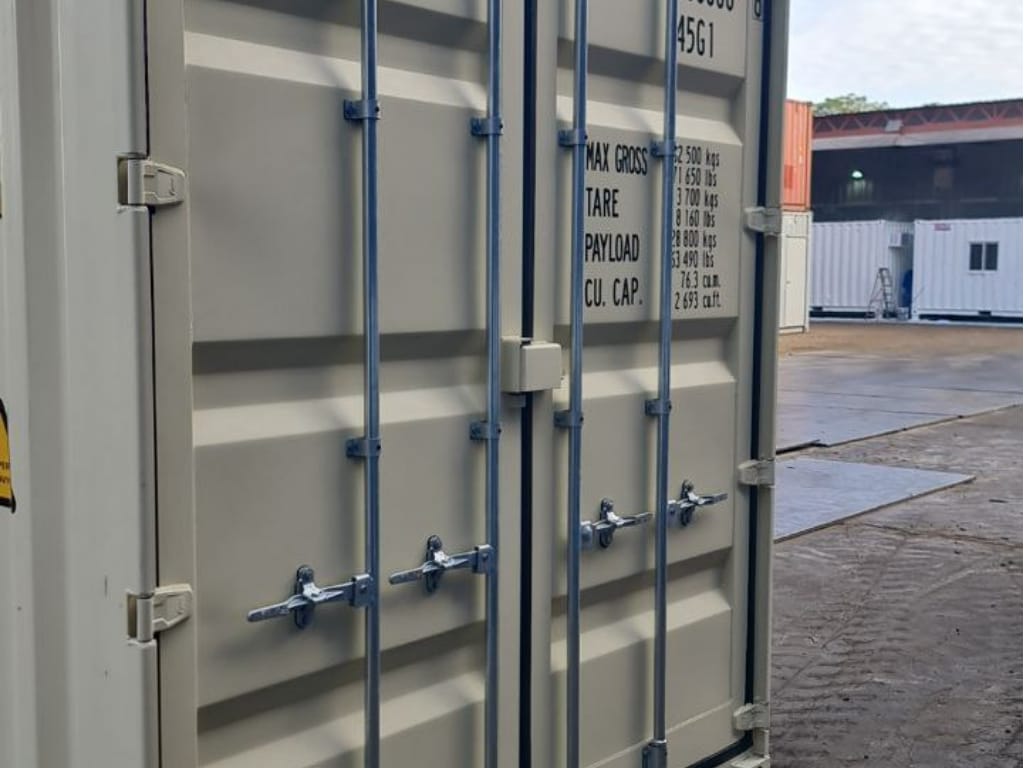
The Hidden Costs of Shipping Container Homes: What to Budget For
Shipping container homes are rapidly gaining popularity for their unique aesthetic, environmental benefits, and affordability. However, while the initial cost of purchasing and repurposing shipping containers might seem relatively low, there are numerous hidden costs that can quickly add up. If you’re considering investing in a shipping container home, it’s crucial to budget comprehensively to ensure your project doesn’t exceed your expectations. Here’s a detailed look at the hidden costs you should be aware of:
1. Site Preparation and Foundation
One of the first costs that often surprises container home buyers is the expense related to site preparation and foundation work. Unlike traditional homes, shipping containers require a solid and level foundation to ensure structural stability. This might involve grading the land, pouring concrete piers, or building a platform. Depending on your location and the condition of the land, site preparation can be a significant expense.
2. Permits and Zoning
Before you begin construction, you’ll need to obtain the necessary permits and ensure your project complies with local zoning laws and building codes. Many municipalities have specific regulations for container homes, and navigating these can be time-consuming and costly. Fees for permits and potential adjustments to your design to meet code requirements can add a substantial amount to your budget.
3. Insulation and Climate Control
Shipping containers are not naturally insulated, which means you’ll need to invest in proper insulation to make the space comfortable year-round. Options like spray foam, rigid foam board, or fiberglass insulation can be pricey, especially when considering the entire surface area of the container. Additionally, you may need to install heating, ventilation, and air conditioning (HVAC) systems to maintain a stable indoor climate, adding further costs.
4. Plumbing and Electrical Work
Integrating plumbing and electrical systems into a shipping container can be more complex than in traditional homes. The process involves cutting through steel walls, installing pipes and wiring, and ensuring everything is up to code. This can require specialized contractors and materials, which may be more expensive than standard home construction.
5. Interior Finishing and Fixtures
While shipping containers offer a sturdy shell, the interior needs significant work to make it livable. Costs for interior finishing, such as drywall, flooring, cabinetry, and fixtures, can quickly escalate. Customizing the interior to fit your needs and preferences can add to these expenses, especially if you opt for high-end materials or intricate designs.
6. Exterior Modifications and Weatherproofing
To ensure durability and energy efficiency, shipping container homes often require additional exterior modifications. This includes weatherproofing, painting, and potentially adding features like overhangs or awnings to protect the container from the elements. The cost of these modifications can vary depending on your design choices and local weather conditions.
7. Transportation and Delivery
If you’re purchasing new or used shipping containers, you’ll need to factor in the cost of transportation and delivery to your building site. Containers are heavy and require specialized equipment for delivery, which can be a significant expense depending on the distance from the seller to your location.
8. Landscaping and Outdoor Spaces
Creating a functional and aesthetically pleasing outdoor space is another expense to consider. Landscaping, decking, fencing, and outdoor furniture can add up, especially if you’re creating a garden or recreational area around your container home.
9. Maintenance and Longevity
While shipping containers are durable, they require ongoing maintenance to prevent rust and deterioration. Regular upkeep, such as repainting and checking for leaks, is necessary to ensure the longevity of your home. Over time, these maintenance costs can accumulate, so it’s important to budget for them in the long term.
10. Unexpected Costs
Finally, it’s wise to set aside a contingency fund for unexpected expenses. Projects often encounter unforeseen challenges, such as structural issues, supply shortages, or additional regulatory requirements. Having a financial buffer will help you manage these surprises without derailing your project.
Conclusion
Shipping container homes offer a modern and sustainable housing solution, but they come with a range of hidden costs that can impact your budget. By carefully considering expenses related to site preparation, permits, insulation, plumbing, and more, you can better prepare for the financial realities of your container home project. A thorough and realistic budget, along with a contingency fund, will help ensure your shipping container home remains a rewarding and affordable investment.
Before embarking on your container home journey, it’s advisable to consult with professionals who can provide detailed cost estimates and guide you through the complexities of the project. With proper planning and budgeting, you can enjoy the unique benefits of container living while managing the associated costs effectively.