
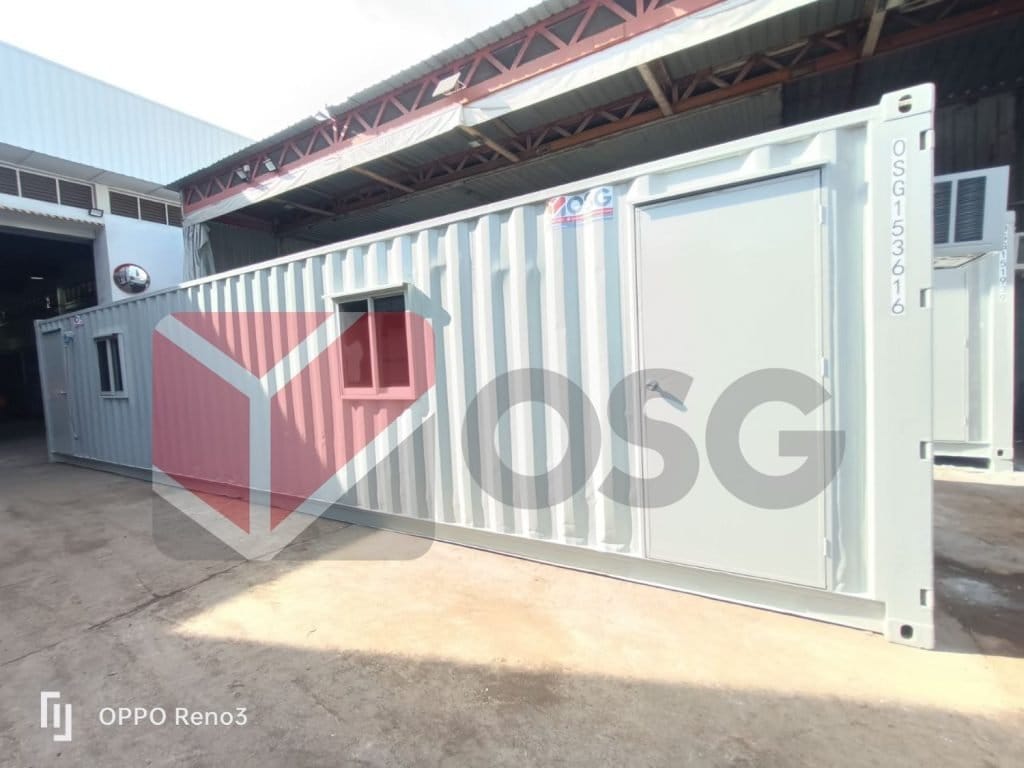
Transforming Shipping Containers into Mobile Workspaces: A Sustainable and Flexible Solution
In an era where flexibility and sustainability are becoming increasingly important in the workplace, shipping containers are emerging as an innovative solution for mobile workspaces. Originally designed for transporting goods across the globe, these robust and versatile structures are now being repurposed into modern, functional, and eco-friendly work environments. This transformation is not only reshaping how we think about office space but also addressing some of the key challenges faced by businesses today.
The Rise of Shipping Container Workspaces
The concept of converting shipping containers into workspaces is not entirely new, but it has gained significant traction in recent years. As businesses and organizations seek to adapt to changing work patterns and environmental concerns, shipping containers offer a unique solution. These containers are designed to withstand harsh conditions during transport, making them inherently durable and well-suited for modification into a variety of uses.
Advantages of Shipping Container Workspaces
- Flexibility and Mobility: One of the most significant advantages of using shipping containers for workspaces is their mobility. These containers can be easily transported from one location to another, allowing businesses to set up temporary offices, pop-up shops, or mobile meeting spaces wherever needed. This flexibility is especially valuable for companies with dynamic project requirements or those that operate in multiple locations.
- Cost-Effectiveness: Transforming a shipping container into a workspace can be a more cost-effective solution compared to traditional office construction. Shipping containers are often readily available and relatively inexpensive. Their modular nature also means that businesses can scale up or down by adding or removing containers as needed, providing a customizable approach to workspace design.
- Sustainability: Sustainability is a major driving force behind the repurposing of shipping containers. By reusing these containers, businesses can reduce their environmental footprint and contribute to the circular economy. The process of converting a container into a workspace typically involves minimal construction waste, and many designs incorporate eco-friendly features such as solar panels, rainwater harvesting systems, and energy-efficient insulation.
- Unique Aesthetics: Shipping containers offer a distinctive aesthetic that can set a business apart. Their industrial look can be an appealing design choice, especially for companies looking to make a statement or create a trendy, modern atmosphere. The raw, minimalist appearance of containers can be paired with stylish interiors to create a unique and engaging workspace.
Design Considerations
When designing a shipping container workspace, there are several important factors to consider:
- Insulation and Climate Control: Shipping containers are not naturally designed for comfort, so proper insulation and climate control are essential. Depending on the local climate, containers may require additional insulation, heating, and cooling systems to ensure a comfortable working environment.
- Space Optimization: The compact size of shipping containers means that space optimization is crucial. Creative design solutions, such as modular furniture, built-in storage, and multi-purpose areas, can help make the most of the limited space.
- Utilities and Connectivity: Ensuring access to utilities such as electricity, water, and internet is essential for any functional workspace. Containers can be outfitted with necessary hookups and systems, but planning ahead is crucial to ensure that all needs are met.
- Compliance and Safety: Converting a shipping container into a workspace must comply with local building codes and safety regulations. It’s important to work with professionals who understand these requirements to ensure that the container meets all necessary standards.
Real-World Applications
Shipping container workspaces are being used in various ways across different industries:
- Remote Worksites: In industries such as construction and mining, shipping containers provide a practical solution for remote workstations, offering a portable and secure space for workers.
- Temporary Offices: Businesses undergoing renovations or needing temporary office space can benefit from shipping containers. They can be set up quickly and relocated as needed.
- Pop-Up Retail: Retailers are using shipping containers as pop-up shops to create unique shopping experiences. These containers can be placed in high-traffic areas, attracting customers with their eye-catching designs.
- Community Projects: Shipping containers are also being utilized for community projects, such as mobile libraries, learning centers, and art galleries. These projects demonstrate the versatility and potential of container-based spaces.
Conclusion
Transforming shipping containers into mobile workspaces represents a forward-thinking approach to modern office design. Their adaptability, cost-effectiveness, and sustainability make them an attractive option for businesses and organizations seeking innovative solutions. As we continue to explore new ways to enhance the workplace, shipping containers offer a compelling example of how creativity and resourcefulness can lead to impactful and practical results. Whether used for temporary projects, remote sites, or unique retail experiences, shipping container workspaces are proving to be a valuable addition to the landscape of modern business.