
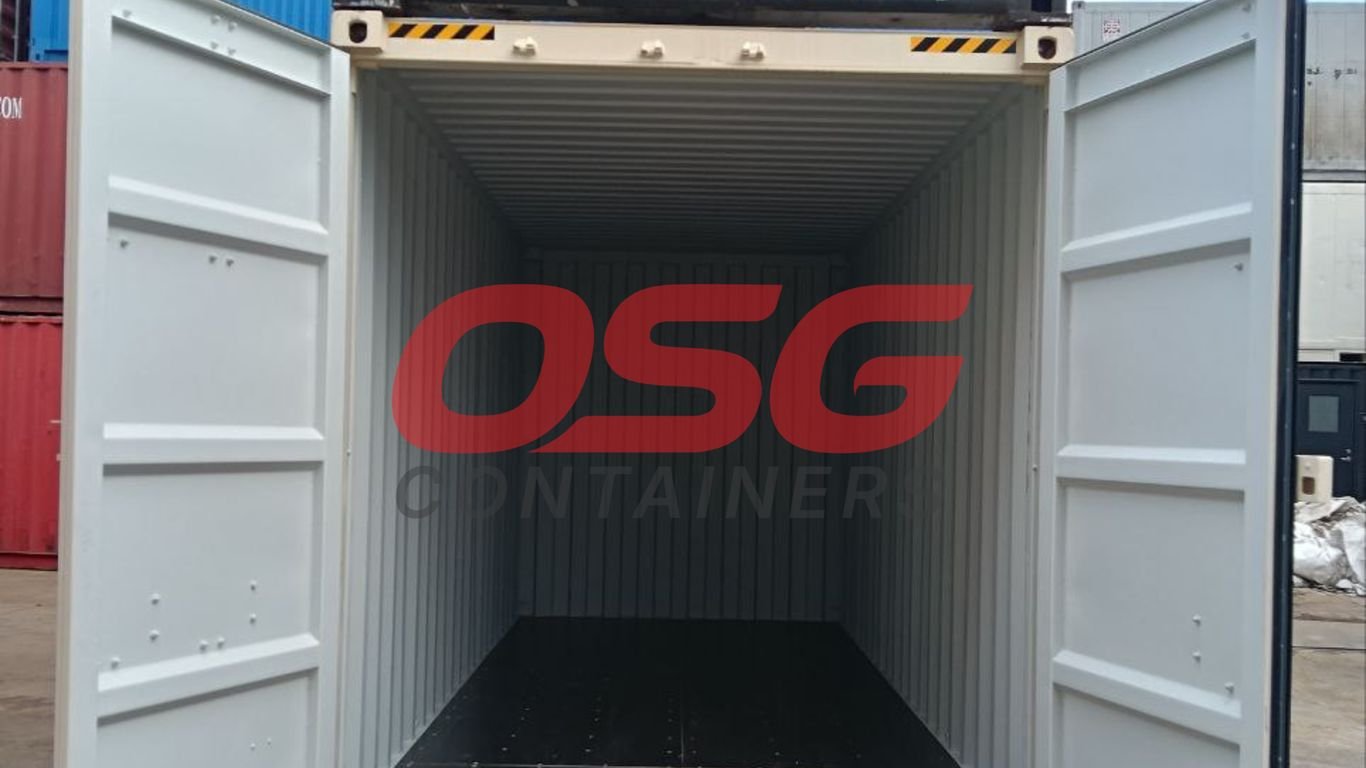
When you’ve got cargo that’s just too tall or awkward for a regular shipping container, you need something different. That’s where the open-top container comes in. Think of it as a standard container, but without a fixed roof. Instead, it has a removable tarp cover. This design makes it way easier to load big stuff from the top using a crane. It’s a real lifesaver for industries dealing with heavy machinery or large construction parts that just won’t fit through standard doors. It’s all about making difficult loads manageable.
Key Takeaways
- Open-top containers are designed for cargo that exceeds standard container height, allowing for easy top-loading with cranes.
- Their main advantage is unmatched loading flexibility, making it possible to move oversized and heavy items that wouldn’t fit in regular containers.
- Despite the open top, a secure tarpaulin cover and internal tie-down points offer good protection against weather and shifting during transit.
- These containers simplify complex logistics by eliminating loading barriers and opening up new transport possibilities for challenging cargo.
- Open-top containers are a smart choice for various industries, including heavy industry, construction, and specialized logistics, due to their adaptability and efficiency.
Understanding The Open-Top Container
Definition and Core Features
So, what exactly is an open top container? Think of it as a standard shipping container, but with a key difference: no solid roof. Instead, it has a removable tarpaulin cover and often removable crossbars. This design is specifically for cargo that’s too tall or awkwardly shaped to fit through standard container doors. It’s all about making loading and unloading from the top much easier. This is super handy for things like heavy machinery or large construction components that need to be lifted in by a crane. They come in standard sizes, usually 20 or 40 feet long, just like their enclosed cousins.
Innovative Roofless Design
The real magic of these containers is their open top. Imagine trying to load a massive piece of industrial equipment into a regular container – it just won’t fit. With an open top, you can simply lift it straight in from above. The tarpaulin is usually made of heavy-duty, waterproof material, offering protection from the elements once the cargo is secured. It’s a clever workaround for oversized items that would otherwise be a logistical headache.
Vertical Loading Capabilities
This is where the ‘heavy lifter’ aspect really comes into play. Because you can load from the top, you can use cranes, hoists, or other lifting equipment directly. This capability is vital for industries dealing with large, bulky items. For instance, loading a complex piece of machinery, like a component for a wind turbine or even some specialized isotank setups, becomes straightforward. Standard containers often present challenges for such vertical movements, but open tops are built for it.
When you’re dealing with items that just won’t fit through a standard door, the open-top container becomes your best friend. It’s not just about height; it’s about simplifying the entire loading process for those awkward, oversized pieces that would otherwise cause major delays and extra costs.
Key Advantages of Open-Top Containers
So, why would you pick an open-top container over a regular one? It really comes down to a few big wins that can make your shipping life a whole lot easier, especially when you’re dealing with stuff that’s a bit tricky to handle.
Unmatched Loading Flexibility
This is probably the biggest draw. With a standard container, you’re stuck trying to shove things through those end doors. It works for most things, sure, but what if your item is super tall or just too wide to angle through? That’s where the open top shines. You can just lift it straight in from above using a crane or other lifting gear. This vertical loading capability means you can use the full height of the container, not just what fits through the doors. It’s a real lifesaver for bulky machinery, large construction parts, or anything that just won’t cooperate with a traditional loading process.
Reduced Handling and Risk
Think about it: the less you have to manhandle a big, heavy, or awkward item, the better. Top-loading with a crane means fewer people are involved in the actual loading and unloading. This cuts down on the chances of someone dropping something, bumping it against the container walls, or generally causing damage. It’s safer for the workers and much gentler on your cargo. Less fuss, less risk of a costly mistake.
Efficient Loading Processes
For certain types of cargo, trying to load through the end doors can be a real time sink. Imagine trying to position a massive piece of equipment perfectly to slide it in. With an open top, you can often just lower it directly into place. This can speed things up considerably, which is a big deal when you’re on a tight schedule or dealing with a large volume of items. It streamlines the whole operation, getting your goods on their way faster.
The ability to load from the top isn’t just about convenience; it directly impacts the speed and safety of your logistics operations. For oversized or heavy items, it often becomes the only practical method, saving time and preventing damage that could occur with less direct loading methods.
Here’s a quick look at how it helps:
- Faster Loading: Direct vertical placement is quicker than maneuvering through doors.
- Less Equipment Needed: Often requires just a crane, rather than forklifts and specialized ramps.
- Better for Awkward Shapes: Items that don’t fit standard dimensions are easily accommodated.
- Reduced Labor: Fewer personnel are needed for the loading process itself.
Operational Considerations for Open-Top Containers
So, you’ve decided an open-top container is the way to go for your cargo. That’s great, especially for those items that just won’t fit through a standard door. But, like anything in shipping, there are a few things you really need to think about to make sure everything goes off without a hitch. It’s not just about lifting it in and hoping for the best.
Managing Height Clearances
This is a big one, especially if your cargo is on the taller side. You can’t just assume it’ll clear everything along the route. You’ve got to figure out the total height – that’s the container itself, plus whatever you’re stacking on top. Then, you need to compare that to the lowest points on your journey. Think bridges, tunnels, and any other overhead obstacles. It’s a bit like trying to thread a needle with a thick rope. For example, a 40 ft container loaded high might present different challenges than a 20ft container. It’s wise to add a little extra wiggle room, maybe half a meter, just in case things shift a bit, especially on sea voyages.
Ensuring Weatherproofing
Even though they’re called ‘open-top’, you still want to keep the rain, snow, and dust out, right? The tarpaulin is your main shield here. It’s super important to make sure it’s pulled tight and secured properly, especially around the edges, before any bad weather rolls in. A loose flap can let a surprising amount of water into your container. It sounds simple, but getting this right protects your goods from the elements.
Securing Cargo During Transit
Once your item is loaded and the tarp is on, you can’t just leave it to bounce around. You need to secure everything. This usually involves using straps, chains, or bars to tie down the cargo firmly to the container’s floor and walls. The goal is to stop it from shifting, tipping, or sliding during the bumps and turns of transit. Proper bracing is key, especially for heavy or oddly shaped items. You don’t want anything moving, period.
When planning your shipment, always double-check the weight distribution. An unevenly loaded container can be unstable and pose a risk during handling and transit. It’s better to spend a little extra time getting it right than deal with the consequences of a load shifting.
Why Open Top Containers Are The Smart Choice
So, why bother with a container that doesn’t have a roof? It might seem a bit odd at first, but these open-top containers are actually a really smart solution for a lot of shipping headaches. They’re not just for the super-sized stuff, though that’s a big part of it. Think of them as the problem-solvers in the shipping world.
Eliminating Loading Barriers
The biggest win with an open-top container is how it gets rid of those annoying loading problems. You know, when your cargo is just a little too tall or awkwardly shaped to slide through the regular doors of a standard container? With an open top, you just lift it straight in from above. This means you can use the full height of the container, not just what fits through the door. It makes loading big, bulky items like industrial machinery or large construction beams way simpler. No more trying to force things or worrying about them getting stuck.
Simplifying Complex Logistics
This ease of loading really cuts down on the hassle. When you can just crane something directly into the container, you’re often saving a lot of time and effort. Less handling means less chance of damaging your goods, which is always a good thing. Plus, it can make the whole process safer for the folks doing the loading and unloading. It’s a straightforward way to deal with cargo that would otherwise be a real headache to move.
Opening Up New Transport Possibilities
Because they make it easier to move unusual items, open-top containers open doors to shipping things that might have been too difficult or expensive before. They’re a more practical option for certain types of oversized cargo compared to other specialized transport methods. This means businesses can move more types of goods more efficiently, which is a big deal in today’s global market. It’s about finding the right tool for the job, and for many tricky shipments, the open-top container is that tool.
Here’s a quick look at why they’re so useful:
- Vertical Loading: Use cranes or other lifting gear to load directly from above.
- Full Height Utilization: No more wasted space because your item is too tall for the doors.
- Reduced Handling: Less moving parts means less risk of damage and better safety.
- Cost-Effectiveness: Often a more budget-friendly choice for oversized items than other specialized transport.
Sometimes, the simplest design changes make the biggest difference. Taking away the roof might seem basic, but it solves a whole lot of problems for moving big and awkward things around the world. It’s a practical approach that just works.
Diverse Industry Applications
Open-top containers aren’t just for one or two specific types of cargo. Their unique design makes them super useful across a bunch of different industries, especially when you’re dealing with stuff that’s big, awkward, or just doesn’t fit in a regular box. They really shine when standard loading methods just won’t cut it.
Heavy Industry Equipment
When you’ve got massive pieces of machinery, like those used in construction or energy production, getting them moved is a big deal. Think about excavator parts, huge generator housings, or even sections of wind turbines. These items are often too tall or oddly shaped to be loaded through the end doors of a standard container. With an open-top container, cranes can simply lift these heavy items straight in from above. This makes loading much faster and safer for really big, heavy equipment.
Advanced Materials and Construction
Construction projects today often involve large, specialized materials. Things like pre-fabricated building sections, large solar panels, or even custom-shaped glass for building facades can be tricky to transport. Open-top containers allow these materials to be loaded carefully from above, often using specialized equipment like vacuum lifters for panels. This method protects the materials during loading and transit, which is pretty important when you’re dealing with expensive or delicate building components.
Specialized Logistics for Unique Cargo
Beyond the big industries, open-top containers are a lifesaver for all sorts of unique transport needs. For example, in places like New Zealand, they’re commonly used for moving logs and timber, where logs can be easily stacked from above. Scrap metal yards use them to quickly dump large quantities of metal. Even film productions might use them to transport oversized props or equipment. Basically, if you have something that’s too tall, too wide, or just plain awkward for a regular container, an open-top is often the best solution. They’re adaptable and can be secured to handle almost any unusual shipment.
Adaptable Configuration Options
Open-top containers aren’t just a one-size-fits-all solution, even though they come in standard lengths like 20 and 40 feet. The real benefit is how much you can tweak them to fit exactly what you’re shipping. It’s like getting a custom fit for your cargo, which is pretty neat when you’re dealing with stuff that doesn’t play well with regular containers.
Customizable Roof and Door Features
While the defining feature is the open top, you’ve got options for how that top is covered. You can get a heavy-duty, waterproof tarpaulin that stretches across, offering good protection from the elements. Some setups even include foldable hardtops, which give you a more solid roof when you need it. And it’s not just about the roof; some containers can be fitted with extra side doors. This means you can load from the top with a crane, but also get forklift access from the side, which can really speed things up.
Internal Modifications for Specific Needs
Beyond the basic shell, you can often modify the inside. Need to keep certain items from shifting? You can add extra D-rings and tie-down points. Some specialized containers might even come with internal shelving or partitions, depending on what you’re hauling. This level of customization means you can secure delicate equipment or organize different parts of a larger shipment more effectively.
Tailoring the Container to Cargo Requirements
Basically, the idea is to make the container work for your specific cargo, not the other way around. Whether you’re shipping massive industrial machinery, oddly shaped construction materials, or sensitive components, there’s usually a way to configure the open-top container to make the job easier and safer. This flexibility is what really sets them apart from standard shipping containers.
It’s about having a shipping solution that can adapt to the unusual, rather than trying to force unusual cargo into a standard box. This adaptability saves time, reduces the risk of damage, and can even lower overall shipping costs by simplifying the loading and securing process.
Seamless Integration in Global Logistics
Intermodal Transport Compatibility
Open-top containers are designed with the realities of international shipping in mind. They generally adhere to standard dimensions, like those of 20-foot and 40-foot containers, which is a big plus for fitting into the existing global transport network. This means they can move smoothly between ships, trains, and trucks without a fuss. Think of it like this: your cargo gets loaded onto a ship, then transferred to a train, and finally delivered by truck, all in the same container. This ability to switch transport modes easily, known as intermodal transport, saves time and reduces the hassle of repacking or transferring goods. This compatibility is key to keeping global supply chains moving efficiently.
Meeting International Standards
To make sure these containers can travel the world, they have to meet strict international rules. Standards like ISO 6346 (for container identification) and the Convention for Safe Containers (CSC) plate are usually present. These aren’t just bureaucratic checkboxes; they’re a guarantee that the container is built to handle the stresses of international transit and is recognized by ports and transport operators worldwide. It means less paperwork and fewer questions when your container arrives at a new port or needs to be handed over to a different transport company.
Real-Time Tracking Solutions
Keeping an eye on your shipment, especially when it’s something large or valuable, is pretty important. Many open-top containers can be fitted with tracking devices, often GPS modules. This lets you see where your cargo is at any given moment, 24/7. Knowing the exact location helps with planning at the destination, adds a layer of security, and just gives you peace of mind. You can check if it’s on schedule or if there’s been an unexpected delay. This kind of visibility is a big help for managing complex shipping plans and making sure everything arrives as expected.
Here’s a quick look at how tracking can help:
- Improved Planning: Know when to expect delivery and coordinate ground transport.
- Enhanced Security: Monitor for any unauthorized stops or deviations.
- Proactive Problem Solving: Identify delays early and make adjustments.
- Better Communication: Provide accurate updates to stakeholders.
The Bottom Line on Open-Top Containers
So, when you’ve got something that just won’t fit through a regular door, or you need to load it from way up high, the open-top container is your best bet. They’re not just for giant machines, though; they offer a flexible way to move all sorts of awkward stuff. Just remember to double-check those height limits and make sure that tarp is on tight. These containers are a real workhorse for getting tricky cargo from point A to point B, making them a smart choice for a lot of different jobs.
Frequently Asked Questions
What makes an open-top container different from a regular one?
The biggest difference is the roof! Regular containers have a solid roof, but open-top ones don’t. They have a removable tarp cover instead. This makes it super easy to load tall or awkwardly shaped things from the top using a crane.
Why would I need an open-top container?
You’d use one when your cargo is too big or tall to fit through the doors of a standard container. Think large machinery, construction parts, or anything that needs to be lifted straight in from above. It gives you way more flexibility.
How is my cargo protected from the weather?
The open top is covered with a strong, waterproof tarp. This tarp is pulled tight and secured to keep rain, snow, and wind out. It’s designed to protect your items during the journey.
Can I still load things from the side?
While the main feature is top-loading, some open-top containers also have extra doors on the sides. This can give you more options for loading and unloading, sometimes even allowing for forklift use.
Are open-top containers safe for heavy items?
Yes, they are built to be very strong. They have extra support and lots of tie-down points inside. This lets you secure heavy cargo tightly so it doesn’t move around, even during rough shipping conditions.
Do open-top containers meet international shipping rules?
Absolutely. They are built to meet important international standards, just like regular containers. This means they are approved for use on ships, trains, and trucks all over the world, making global shipping smoother.


