
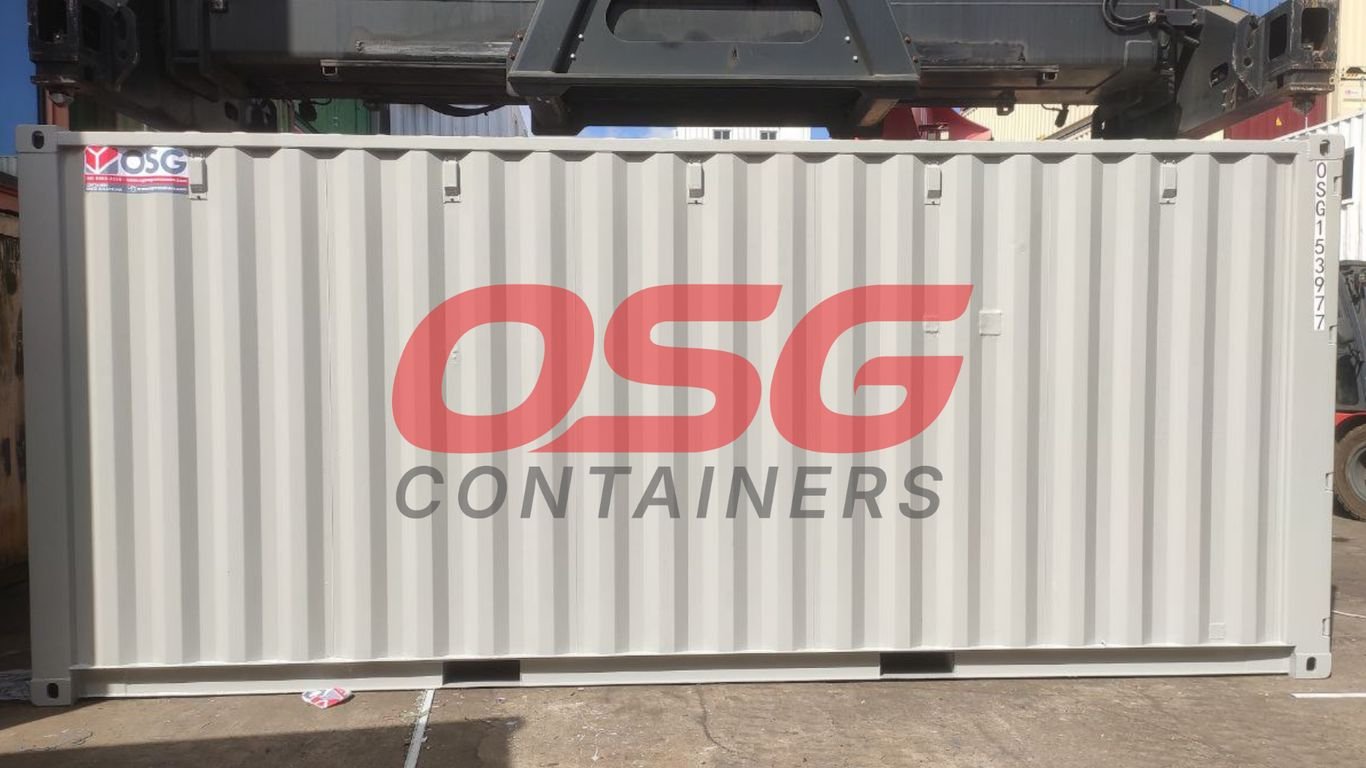
You see them everywhere, right? Those big metal boxes stacked high on ships, trains, and trucks. They’re pretty much the backbone of getting stuff from one side of the planet to the other. We’re talking about shipping containers, and there’s one size that really rules the waves: the 40ft container. It’s not just a random size; it’s become the go-to for a lot of reasons, mostly because it’s a good balance of carrying a lot without being too much of a hassle to move around. Let’s break down why this particular 40 ft container is so darn popular.
Key Takeaways
- The 40ft container is the most common size used in global trade, offering a good balance for shipping various goods.
- Its dimensions (roughly 40ft long, 8ft wide, 8.5ft tall) allow for significant cargo volume, making it cost-effective for larger shipments.
- Different types of 40ft containers exist, like High Cube (extra height) and specialized ones (reefers, flat racks), to suit specific cargo needs.
- Using 40ft containers leads to economies of scale, making shipping cheaper per item for businesses moving large quantities.
- Standardization of the 40ft container ensures it can be handled easily across different modes of transport and at ports worldwide.
The Ubiquitous 40ft Container Explained
You see them everywhere, right? Those big metal boxes stacked high on ships, trains, and trucks. They’re pretty much the backbone of getting stuff from one side of the planet to the other. We’re talking about shipping containers, and there’s one size that really rules the waves: the 40ft container. It’s not just a random size; it’s become the go-to for a lot of reasons, mostly because it’s a good balance of carrying a lot without being too much of a hassle to move around. Let’s break down why this particular container 40ft is so darn popular.
Why the 40ft Container Dominates Global Trade
The 40ft container is the most common size used in global trade, offering a good balance for shipping various goods. Its dimensions (roughly 40ft long, 8ft wide, 8.5ft tall) allow for significant cargo volume, making it cost-effective for larger shipments. Different types of 40ft containers exist, like High Cube (extra height) and specialized ones (reefers, flat racks), to suit specific cargo needs. Using 40ft containers leads to economies of scale, making shipping cheaper per item for businesses moving large quantities. Standardization of the 40ft container ensures it can be handled easily across different modes of transport and at ports worldwide.
Understanding the 40ft Container: A Global Trade Staple
When you picture global trade, you probably imagine big ships and even bigger boxes. The 40-foot container is that box. It’s become the standard for moving goods around the world, and for good reason. Think of it as the shipping industry’s trusty workhorse. These steel boxes are designed to be tough and fit perfectly onto ships, trains, and trucks, making the whole process of getting things from point A to point B much simpler. They are the backbone of international commerce, allowing businesses to send products across oceans efficiently. Even specialized versions like an open top container or an open-top container are built on this standard, offering flexibility for specific cargo.
Key Takeaways of the 40ft Container
- The 40ft container is the most common size used in global trade.
- Its dimensions allow for significant cargo volume, making it cost-effective for larger shipments.
- Standardization ensures it can be handled easily across different modes of transport and at ports worldwide.
- Different types exist to suit specific cargo needs.
The simplicity of the 40ft container lies in its universal acceptance. This standardization means that the infrastructure needed to move it – from cranes at ports to the ships themselves – is widely available. This widespread availability is a major reason why it’s the backbone of global trade, allowing goods to flow more freely between countries.
Dimensions and Capacity of the 40ft Container
So, you’re looking at a 40ft container and wondering, ‘How much stuff can actually fit in there?’ It’s a fair question, and knowing the numbers is pretty important whether you’re shipping goods or planning a build.
40 Foot Container Dimensions and Capacity
These big metal boxes are built to a pretty standard size, which is part of why they work so well for global trade. The outside measurements are usually around 40 feet long, 8 feet wide, and 8.5 feet tall. That’s about 12.19 meters long, 2.44 meters wide, and 2.59 meters high if you’re thinking in metric.
But, and this is a big ‘but’, the inside space is a little less because of the walls. You’re typically looking at an interior length of about 39.5 feet (around 12.02 meters), a width of roughly 7.7 feet (about 2.35 meters), and a height just shy of 8 feet (around 2.39 meters). Always keep these internal figures in mind when you’re trying to figure out how much you can pack in.
Here’s a quick rundown of the typical specs:
- External Dimensions: 40′ L x 8′ W x 8.5′ H
- Internal Dimensions: ~39.5′ L x ~7.7′ W x ~7.9′ H
- Cubic Capacity: Approximately 2,366 cubic feet (or 67 cubic meters)
- Tare Weight (Empty Container): Around 8,265 lbs (3,750 kg)
- Max Payload (Cargo Weight): Roughly 58,935 lbs (26,730 kg)
- Max Gross Weight (Container + Cargo): Around 67,200 lbs (30,480 kg)
Remember that these are standard figures. Different manufacturers might have slight variations, and specific container types (like high cubes) will have different heights. Always double-check the exact specs for the container you’re looking at.
What Fits Inside a 40-Foot Container
With that 2,366 cubic feet of space, you can fit a surprising amount. Think about:
- Pallets: You can usually fit around 20 to 24 standard pallets, depending on how you stack and arrange them. This is a big deal for businesses that move a lot of goods on pallets.
- Furniture: It’s often enough space for the contents of a medium-sized house, maybe even a small three-bedroom place.
- Equipment: Large machinery, construction materials, or even a couple of cars can be loaded in.
40 Ft Standard vs 40 ft High Cube
When you’re looking at 40ft containers, you’ll often see two main types: the standard and the High Cube (HC). The difference is pretty simple: height.
- Standard 40ft Container: This is the one with the typical 8.5-foot height we’ve been talking about.
- 40ft High Cube Container: These are about a foot taller, usually standing at 9.5 feet (around 2.89 meters) externally. This extra height gives you about 2,694 cubic feet of space, which can be a game-changer if you’re dealing with taller items or just want to maximize your volume.
So, if you’ve got bulky items or just want to squeeze more in, the High Cube is often the way to go. The choice between standard and High Cube really comes down to the height of your cargo.
Advantages of Utilizing 40ft Container Shipping
When you’re moving a lot of stuff, especially across oceans, the 40ft container really shines. It’s not just about having a big box; it’s about how that big box makes the whole process smoother and cheaper. Think about it: instead of sending lots of smaller shipments, you can pack everything into one large container. This means fewer trucks, fewer ships, and less paperwork overall. Because ships can carry so many of these 40ft containers at once, the cost per item shipped goes way down. It’s like buying in bulk at the store – you get a better price when you buy more. This makes the 40ft shipping container a go-to for businesses that need to move large quantities of goods without breaking the bank.
Cost-Effectiveness and Economies of Scale
The sheer volume a 40ft container can hold translates directly into savings. For businesses shipping goods internationally or even domestically in large quantities, consolidating shipments into fewer 40ft containers significantly reduces per-unit transportation costs. This is the essence of economies of scale in logistics – the more you ship in a standardized unit, the cheaper it becomes.
- Reduced Handling Costs: Fewer individual shipments mean less labor and equipment needed for loading and unloading.
- Lower Freight Rates: Shipping lines often offer better rates for larger container volumes.
- Minimized Administrative Fees: Consolidating shipments can decrease the number of bills of lading and customs declarations.
Enhanced Efficiency in Loading and Transport
These containers are designed to be handled easily by cranes and other equipment at ports and on ships. They fit neatly into the slots on container ships, and trucks and trains are built to carry them. This standardization means less time spent loading and unloading, which speeds up the whole process. When everything fits together like puzzle pieces, it just works better and faster.
- Intermodal Compatibility: Easily transferred between ships, trains, and trucks without needing to unload and reload the cargo itself.
- Optimized Port Operations: Standard dimensions allow for efficient stacking and handling at busy ports.
- Faster Transit Times: Reduced loading/unloading times contribute to quicker overall delivery schedules.
Security and Protection for Your Cargo
A 40ft shipping container is basically a strong metal box. It’s built to keep your stuff safe from the weather – rain, sun, wind, you name it. Plus, it’s pretty tough to get into, which helps protect against theft. When your goods are packed inside and the container is sealed, they’re pretty well protected from bumps and jostles during the journey. It’s a reliable way to keep your products in good shape from the factory to the customer.
The robust construction of a 40ft container provides a secure shell, shielding contents from environmental elements and the rigors of transit. This inherent durability minimizes the risk of damage and theft, offering peace of mind for shippers.
Here’s a quick look at what makes them so useful:
- Weather Resistance: Built to withstand harsh conditions, protecting goods from rain, salt spray, and extreme temperatures.
- Theft Deterrence: Strong steel construction and secure locking mechanisms make unauthorized access difficult.
- Damage Mitigation: The container absorbs much of the shock and vibration during transit, safeguarding fragile items.
Versatile Applications Beyond Transport
So, we all know these big metal boxes are great for shipping stuff all over the planet. But honestly, their usefulness doesn’t stop when the cargo is unloaded. These 40ft containers are surprisingly adaptable, finding new jobs in all sorts of places.
Repurposing for Storage and Modular Structures
Think about it: you’ve got a super strong, weather-resistant structure that’s already built. Why not use it for something else? Lots of businesses, especially on construction sites or remote locations, use them as on-site offices or secure storage for tools and materials. It’s way easier than building something from scratch. Plus, you can even stack them or connect them to create bigger spaces. People are turning them into everything from classrooms and workshops to small retail shops. It’s a pretty neat way to get a functional building without a huge construction project.
The beauty of repurposing a 40ft container lies in its inherent durability and standardized size. These features make them a practical and cost-effective choice for creating temporary or semi-permanent structures that can be deployed quickly and adapted to various needs.
Mobile Workspaces and Event Solutions
Need a pop-up shop for a weekend market or a temporary command center for an event? A 40ft container can be kitted out for just that. Imagine a sleek, modern-looking booth at a trade show or a backstage area for a festival. They can be fitted with lighting, power, and even custom interiors. This makes them super handy for businesses that need a flexible presence or for event organizers looking for quick setup solutions. They’re basically ready-made modules that can be transported and set up pretty easily.
Innovative Uses for the 40ft Container
People are getting really creative with these things. We’re seeing them used as art installations, emergency shelters after disasters, and even as parts of larger architectural projects. Some folks are even turning them into swimming pools or backyard studios. It really shows how a simple, standardized shipping container can be transformed into something completely unexpected. The possibilities are pretty much endless, limited only by imagination and a bit of welding.
Here are a few more ideas:
- Temporary housing: Providing quick shelter solutions.
- Data centers: Offering secure, climate-controlled spaces for servers.
- Agricultural use: Modified for vertical farming or hydroponic systems.
- Workshops: Equipping them with tools for on-site repairs or fabrication.
Choosing the Right 40ft Container for Your Needs
So, you’ve decided a 40ft container is likely the way to go for your shipment or project. That’s a smart move for larger loads, but hold on a second – not all 40ft containers are built the same. Picking the right type is super important to make sure your stuff arrives safe and sound, and to avoid any unexpected costs or headaches.
Matching Container Type to Cargo Requirements
Think about what you’re actually shipping. Is it sensitive to temperature? Does it need to be loaded from the top? Or is it just a bunch of regular boxes? Your cargo’s needs should really guide your container choice. It’s not just about having a big box; it’s about having the right big box.
- Standard Dry Containers: These are your everyday, all-purpose containers. They’re great for most non-perishable items like furniture, electronics, clothing, and manufactured goods. They’re built to keep the weather out and are the most common type you’ll find.
- High Cube Containers: If your cargo is bulky but not super heavy, or if you just want to maximize every inch of space, a High Cube is the ticket. It’s the same length and width as a standard 40ft but is about a foot taller. This extra height can be a game-changer for fitting more in.
- Refrigerated Containers (Reefers): Shipping food, medicine, or anything that needs a specific temperature? You absolutely need a reefer. These are basically mobile refrigerators and come with their own cooling units.
- Open Top Containers: Got something really tall that needs to be loaded from above, like heavy machinery or large pipes? An open-top container has a removable roof, usually made of tarp. You’ll typically use a crane for loading these.
- Flat Rack Containers: For really awkward, oversized, or heavy items that just won’t fit in a standard box – think boats, large construction equipment, or vehicles. These have collapsible sides and no roof, so cargo can overhang.
Picking the wrong container type can lead to damaged goods, costly delays, or even safety hazards. It’s worth taking a few extra minutes to figure out what your cargo truly needs before you commit.
When a 40ft Container is the Ideal Choice
So, when does that big 40ft container really shine? It’s usually the best bet when:
- You have a large volume of goods that aren’t excessively heavy. Think furniture, appliances, textiles, or packaged consumer goods.
- You’re looking to maximize cost-efficiency. Shipping more in one go generally lowers the per-unit shipping cost.
- Your cargo can be safely loaded and secured within the standard dimensions of a 40ft container.
- You’re shipping to locations that commonly handle 40ft containers, which is most major ports worldwide.
Assessing Cargo Volume vs. Weight
This is a big one. You need to know both how much space your stuff takes up (volume) and how much it weighs. Shipping containers have limits for both.
| Container Type | Approx. Internal Volume (Cubic Meters) | Max Payload (Approx. kg) |
|---|---|---|
| 40ft Standard | 67 | 30,000 |
| 40ft High Cube | 76 | 29,000 |
As you can see, the High Cube gives you more space but can carry a little less weight. So, if you’re shipping something dense and heavy, a standard 40ft might be better. If it’s lighter but takes up a lot of room, the High Cube is your friend. Always check the specific weight limits for the container you’re considering, as these can vary slightly between manufacturers and conditions.
Acquiring Your 40ft Container
So, you’ve decided a 40ft container is the way to go. Great choice! Now, how do you actually get one? It’s not like picking up a loaf of bread, but it’s also not rocket science. You’ve got a couple of main paths to consider: buying one outright or renting it for a while. Each has its own perks, depending on what you need it for.
Buying Directly From Sellers
This is probably the most common route if you plan on using the container for a long time, maybe for storage on your property or if you’re planning some cool modifications. You can buy new or used containers. New ones are, well, new. They’ve usually only made one trip from the factory to wherever they’re going, so they’re in pretty good shape. Used ones can be a bit more of a gamble, but they’re cheaper. You’ll see them graded – "one-trip" is basically like new, "cargo worthy" means it’s good for shipping and storage, and "as-is" means it’s seen better days and might need some work, but it’s the cheapest option.
The key is finding a seller you can trust. Look for companies that specialize in shipping containers. They’ll usually have a range of options and can tell you exactly what you’re getting.
Renting a 40-Foot Container
If you only need a container for a short period, like during a big project, a renovation, or for temporary storage, renting makes a lot of sense. It saves you the upfront cost of buying and you don’t have to worry about what to do with it later. It’s a flexible solution. You can often find rental companies that deliver right to your site. It’s a good way to try out a 40ft container without a big commitment, especially if you’re used to smaller options like a 20ft container.
Essential Container Accessories
Once you’ve got your container, you might need a few extras to make it work for you. Think about what you’ll be doing with it. If it’s for storage, shelving and racking systems are a lifesaver. They help you use all that vertical space. Need to move heavy stuff in and out? A ramp can make a huge difference. And, of course, security is important. Good locks and lock boxes are a must to keep your belongings safe.
Here are some common accessories:
- Shelving and Racking: Organize your items and maximize space.
- Ramps: For easier loading and unloading of heavy equipment or goods.
- Locks and Lock Boxes: To secure your container and its contents.
- Shelving Brackets: If you want to build custom shelves.
When you’re looking at containers, whether to buy or rent, always ask about the condition. Don’t be afraid to ask for pictures or even arrange a viewing if possible. Knowing what you’re getting into upfront saves a lot of headaches down the road. It’s better to be a little picky now than deal with problems later.
The Unsung Hero of Global Commerce
So, there you have it. The 40ft container. It’s more than just a big metal box; it’s the backbone of how we get stuff from pretty much anywhere to anywhere else. From keeping your products safe on a long sea voyage to being the foundation for a cool new building, this standard-sized container does a lot. It’s not flashy, but it’s reliable, cost-effective, and makes the whole world feel a little smaller when it comes to trade. Next time you see one, remember all the goods and possibilities it holds.
Frequently Asked Questions
What exactly is a 40ft container and why is it so common?
A 40ft container is basically a big, strong metal box used for shipping things all over the world. It’s super common because it’s a good size for carrying a lot of stuff without being too hard to move. Think of it as the standard size that ports, ships, and trucks are all built to handle easily. This makes sending goods across countries much simpler and cheaper.
What are the main benefits of using 40ft containers for shipping?
Using 40ft containers saves money because you can ship more items at once, which lowers the cost for each item. They also make shipping faster because they’re a standard size that’s easy to load and unload with special equipment. Plus, they’re really tough and keep your stuff safe from bad weather and theft during long trips.
Can I use a 40ft container for things other than shipping?
Absolutely! People use 40ft containers for all sorts of things besides just moving goods. They’re often turned into extra storage spaces, temporary offices on job sites, classrooms, or even cool pop-up shops for events. Their strong build makes them great for creating sturdy, portable structures.
What’s the difference between a standard 40ft container and a 40ft High Cube container?
The main difference is height. A standard 40ft container is about 8.5 feet tall. A 40ft High Cube container is a foot taller, making it 9.5 feet tall. This extra height is great if you’re shipping taller items or want to stack things higher to fit more inside.
How do I know if a 40ft container is the right size for my stuff?
A 40ft container is usually a good choice if you have a large amount of items that aren’t super heavy. It’s great for things like furniture, clothes, or lots of packaged goods. If you want to save money by shipping as much as possible in one go, and your items fit within the standard dimensions, a 40ft container is often the best option.
Where can I get a 40ft container, and what else might I need?
You can buy or rent 40ft containers from specialized sellers. When you get one, you might also want to think about accessories like strong locks to keep it secure, ramps to help load and unload heavy items, or shelving to organize your things inside, especially if you’re using it for storage or as a workspace.


