
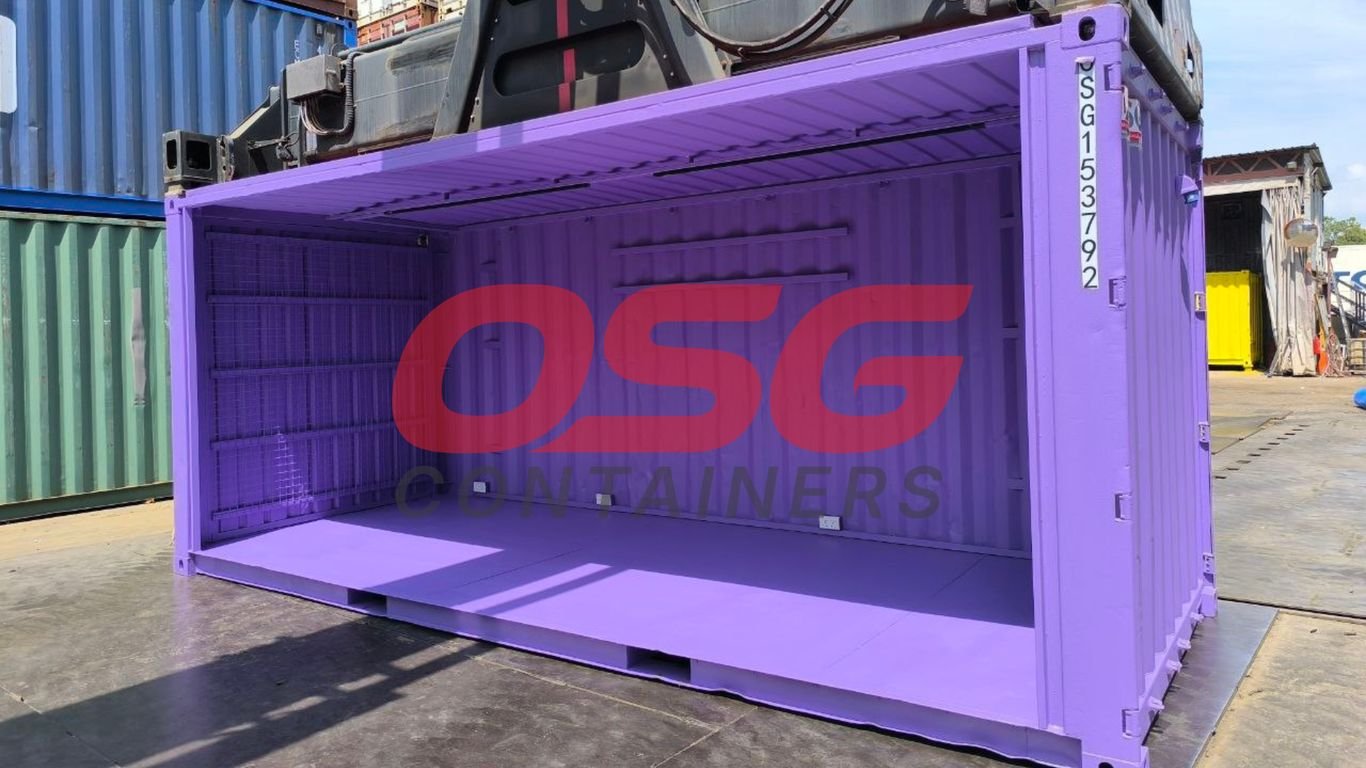
When you’re shipping things or need a place to store stuff, the 20 ft container is a really solid choice. It’s been around for ages and for good reason. These things are tough, fit a decent amount of cargo, and don’t cost a fortune. Whether you’re sending goods overseas or just need some extra space at your business, this container size hits a sweet spot. Let’s talk about why the 20 ft container is such a popular option for so many people.
Key Takeaways
- The 20 ft container is a standard size, making it easy to use with ships, trains, and trucks.
- It’s made of strong steel, so it can handle rough weather and protect your stuff.
- This container is great for smaller shipments where a bigger container would be too much.
- You can use a 20 ft container for shipping all sorts of things or just for secure storage.
- They are pretty easy to move around and find pretty much anywhere in the world.
Understanding The 20 Ft Container
Key Dimensions and Capacity
The 20-foot container, often called a "standard" or "dry van" container, is the workhorse of global shipping for a reason. It hits that sweet spot between being big enough for a decent amount of stuff but not so massive that it’s a pain to move around. Think of it as the Goldilocks of shipping containers – just right.
Here are the basic numbers you’ll want to know:
- External Dimensions: Roughly 20 feet long, 8 feet wide, and 8.5 feet tall. (That’s about 6.1 meters long, 2.44 meters wide, and 2.59 meters tall).
- Internal Dimensions: Inside, you’ve got a bit less space, usually around 19.3 feet long, 7.7 feet wide, and 7.9 feet tall. (About 5.9 meters long, 2.35 meters wide, and 2.39 meters tall).
- Volume: This gives you about 1,170 cubic feet or 33 cubic meters of space to fill up. That’s a good chunk of room!
- Max Payload: Most of these can carry up to around 28,000 kilograms (or about 61,700 pounds), but always check with the specific shipping line because they can have their own rules.
So, what does that mean in real terms? You can fit about 10 standard US pallets or 11 European pallets inside. It’s a pretty efficient use of space, especially if you’re shipping things like furniture, electronics, or general goods.
Material and Construction
These containers aren’t just flimsy metal boxes. They’re built tough, usually from a type of steel called Corten steel. This stuff is designed to rust, but in a good way – it forms a protective layer that stops it from corroding further. This makes them really good at standing up to salty sea air, rain, and whatever else the weather throws at them.
They’re built to be:
- Weatherproof: Designed to keep the rain, wind, and even pests out.
- Durable: Able to handle being stacked high and moved around by cranes and forklifts.
- Secure: With strong doors and locking mechanisms to keep your stuff safe.
Standardization and Intermodal Compatibility
This is where the 20-footer really shines. It’s built to a global standard (ISO, if you’re curious). What that means for you is simple: it fits everywhere. It can hop onto a massive cargo ship, then get transferred to a truck, and then maybe even a train, all without needing to move the cargo out of the container itself. This "intermodal" capability is a huge part of why they’re so common and cost-effective. It cuts down on handling time and reduces the risk of damage because your goods stay put from start to finish.
The beauty of the 20-foot container lies in its universal design. It’s recognized and handled by ports, ships, trains, and trucks all over the world, making international shipping much smoother than it used to be.
Versatile Applications For Your 20 Ft Container
Shipping General Cargo
When you think of shipping containers, you probably picture them stacked high on a cargo ship, right? And that’s exactly what the 20 ft container is famous for. It’s the workhorse for moving all sorts of goods across the globe. Whether it’s electronics, clothing, furniture, or even food items that don’t need special temperature control, these containers are built to handle it. Their standard size means they fit perfectly onto ships, trains, and trucks, making the whole process of getting your products from point A to point B pretty straightforward.
- Ideal for LCL (Less than Container Load) shipments: If you don’t have enough product to fill a larger container, a 20 ft is often the most cost-effective choice.
- Protection during transit: The steel walls and secure doors keep your cargo safe from the elements and potential damage during rough journeys.
- Global standard: Because they’re so common, you’ll find them readily available at ports worldwide, simplifying international logistics.
The 20 ft container is the go-to for a reason. It’s a reliable, standardized box that makes moving stuff across oceans and continents a whole lot easier for businesses of all sizes.
Secure Storage Solutions
But it’s not just about shipping. These containers are also fantastic for storage, especially if you need a secure spot on-site or at a facility. Think about construction sites needing a place for tools and materials, or businesses needing extra warehouse space without building a new structure. They’re tough, weather-resistant, and can be locked up tight. Plus, their manageable size means you can often place them in areas where a bigger unit just wouldn’t fit.
Here are a few common storage uses:
- Construction sites: Storing valuable tools, equipment, and building materials securely.
- Retail businesses: Holding excess inventory or seasonal stock.
- Event organizers: Keeping supplies, decorations, and equipment safe before and after an event.
- Personal storage: A great option for decluttering garages or storing items during a move.
Customizable Modifications
This is where things get really interesting. A 20 ft container is basically a blank canvas. People have turned them into all sorts of things beyond just storage or shipping. Need a small office on a remote job site? Easy. How about a pop-up shop for a weekend market? Done. You can add windows, doors, insulation, shelving, electricity – you name it. The possibilities for customization are pretty much endless, limited only by your imagination and budget.
Some popular modifications include:
- Mobile Offices: Adding insulation, windows, AC, and basic office furniture.
- Workshops: Installing workbenches, tool storage, and lighting.
- Retail Kiosks/Shops: Creating storefronts with display areas and secure entry.
- Temporary Housing: Basic living quarters for remote workers or emergency shelters.
- Garages/Sheds: Secure storage for vehicles or garden equipment.
Advantages Of Choosing A 20 Ft Container
Cost-Effectiveness For Smaller Loads
For businesses that don’t have massive amounts of goods to ship or store, a 20 ft container really hits the sweet spot. It’s way more economical than renting a bigger container and only filling half of it. You’re not paying for empty space, which makes a big difference to the bottom line, especially for smaller companies or for specific, smaller projects. It’s a smart way to manage costs without sacrificing the security and convenience of a dedicated shipping container.
Manageable Size and Maneuverability
Let’s face it, a 40 ft container can be a beast to move around. The 20 ft version, however, is much easier to handle. Its smaller footprint means it can fit into tighter spots, whether that’s on a busy port, a construction site, or even just your driveway. Delivery trucks can maneuver them more easily, and they require less space for placement. This makes logistics simpler and often quicker.
- Easier to transport: Fits on standard trucks and trailers without special permits in most cases.
- Flexible placement: Can be positioned in more confined areas compared to larger units.
- Reduced handling time: Quicker to load and unload due to its manageable size.
Global Availability and Accessibility
Because the 20 ft container is such a standard size, you can find them pretty much anywhere in the world. They’re the workhorses of global trade. This means if you need one in a pinch, or if you’re shipping to or from a less common location, chances are good that a 20 ft container will be available. This widespread availability cuts down on waiting times and makes international logistics much smoother.
The 20 ft container is the most common size globally, making it the go-to option for many shipping needs. Its standardization means it integrates easily into various transportation systems, from ships to trains to trucks, simplifying intermodal transfers.
Ensuring Durability And Security
Weather Resistance Features
These containers are built tough, and a big part of that is how they handle the elements. They’re made from Corten steel, which is designed to form a protective rust layer when exposed to weather, actually making it stronger over time. Plus, you’ll find rubber seals around the doors. These seals are pretty important for keeping out rain, dust, and even critters. It means whatever you’ve got stored inside stays dry and clean, no matter what the weather’s doing outside.
Robust Steel Construction
When we talk about durability, the material is key. 20 ft containers are primarily made from thick, corrugated steel. This isn’t just any steel; it’s engineered to take a beating. Think about it – these things are designed to be stacked high on ships and tossed around by cranes. The corrugated design adds a lot of strength, making the walls rigid and resistant to bending or denting. It’s this solid build that makes them so reliable for both shipping and long-term storage.
Secure Locking Mechanisms
Keeping your stuff safe is a big deal, right? That’s where the locking system comes in. Most 20 ft containers have heavy-duty steel doors with robust locking bars that slide into place. Many also come with a ‘lockbox’ – a metal casing welded over the door handles. This lockbox makes it much harder for someone to tamper with or cut off your padlock. It’s a simple addition, but it adds a significant layer of security against theft or unauthorized access.
Practical Considerations For Your 20 Ft Container
So, you’re thinking about getting a 20 ft container. That’s great! They’re super handy. But before you jump in, there are a few things to think about to make sure everything goes smoothly. It’s not just about ordering one and having it show up. You’ve got to plan a bit.
Payload Capacity and Loading
First off, how much stuff can you actually put in there? A standard 20 ft container has a maximum gross weight limit, usually around 28 metric tons. But remember, the container itself has weight (the tare weight), which is about 2,300 kg. So, your actual cargo weight limit, or payload, is less than that 28-ton figure. It’s really important to know this so you don’t overload it. Overloading can cause damage, lead to fines, and just generally make things difficult.
When you’re loading, think about how you pack. Spreading the weight evenly is key. If you have heavy items, put them on the bottom. You can fit about 10-11 standard pallets in there, depending on how you arrange them. If your cargo is weirdly shaped, you’ll need to calculate the cubic meters to make sure it all fits within the container’s roughly 33 cubic meter volume.
Delivery and Placement Logistics
Getting the container to your site is another big piece of the puzzle. You’ll need a place where a specialized truck can actually get to and maneuver. These trucks aren’t small, and they need space to back up and drop off the container. Think about:
- Access: Can the delivery truck easily reach the spot where you want the container?
- Space: Is there enough room for the truck to operate safely?
- Ground Stability: The ground needs to be firm and level. You don’t want the container sinking into soft dirt or tilting.
- Obstacles: Look out for overhead wires, trees, or other buildings that might get in the way.
Planning the delivery route and the exact placement spot beforehand is a really good idea. Sometimes, a few feet can make all the difference between a smooth drop-off and a headache.
Maintenance and Care
These containers are built tough, usually from Corten steel, which is great for resisting rust. But that doesn’t mean they need zero care. For storage use, keeping them clean is a good start. Make sure the doors seal properly and lubricate the hinges and locking rods now and then so they don’t seize up. If you’re using it for shipping, the carrier usually handles most of the maintenance. But if it’s yours for long-term storage, a little attention goes a long way to keep it in good shape.
Here’s a quick rundown on keeping it in good shape:
- Cleanliness: Sweep out debris regularly, especially if storing goods that could attract pests.
- Door Seals: Check for damage and ensure they create a tight seal to keep out moisture and pests.
- Moving Parts: Lubricate hinges and locking mechanisms periodically.
- Inspect for Damage: Keep an eye out for any dents or rust spots that might need addressing, especially if you plan to paint or modify it.
New Versus Used 20 Ft Containers
So, you’re looking at getting a 20 ft container. That’s a solid choice, they’re super popular for a reason. Now, the big question is, do you go for a brand-new one or a used one? It really depends on what you need and, let’s be honest, your budget.
Condition of New Containers
New containers, often called ‘one-trip’ containers, are exactly what they sound like. They’ve usually made just one journey from the factory overseas to their destination. This means they’re in pretty much perfect shape. You won’t find any dents, rust spots, or major wear and tear. They’re clean, smell fresh (if a container can smell fresh!), and have all their original paint and seals intact. If you need something that looks pristine and you want the absolute longest lifespan with minimal immediate issues, a new container is the way to go. They’re built tough, made from that good old Corten steel, and ready for whatever you throw at them.
Characteristics of Used Containers
Now, used containers, or ‘second hand containers for sale’, have seen a bit more action. They’ve completed multiple trips and might have some cosmetic imperfections. Think minor dings, small dents, maybe a bit of surface rust, or faded paint. But here’s the important part: structurally, they are still sound and weather-tight. Reputable sellers will make sure of that. They’re inspected to ensure the doors seal properly and there are no holes. You can often find a great ‘used container for sale’ that’s perfectly functional for storage or even modifications. They’re a more budget-friendly option, and honestly, for many uses, the cosmetic stuff just doesn’t matter.
Choosing The Right Option
Deciding between new and used really comes down to your priorities. Here’s a quick breakdown to help you figure it out:
- New Containers:
- Pristine condition, no cosmetic flaws.
- Longest potential lifespan from day one.
- Ideal for high-visibility uses or when appearance is key.
- Higher initial cost.
- Used Containers:
- May have cosmetic imperfections (dents, rust, paint chips).
- Structurally sound and weather-tight if purchased from a reliable source.
- Significantly more affordable, making them a popular ‘shipping container on sale’ choice.
- Great for storage, workshops, or projects where looks aren’t the main concern.
When you’re looking at prices, especially if you’re in places like ‘container malaysia price’ might vary quite a bit. Always ask for recent pricing and check what’s included. Some sellers might offer inspections or even minor touch-ups on used units. It’s worth doing a bit of homework to find the best deal for your needs. Remember, even a used container can be a fantastic, durable asset if you pick the right one.
Wrapping It Up
So, there you have it. The 20-foot container isn’t just a metal box; it’s a pretty smart piece of equipment. It hits that sweet spot where it’s not too big, not too small, and definitely not too expensive for what you get. Whether you’re shipping goods across the ocean, need some extra storage space for your business, or even thinking about a cool DIY project, these containers really do fit the bill. They’re tough, they’re everywhere, and they just work. It’s no wonder they’re still the go-to for so many people and companies out there.
Frequently Asked Questions
What exactly are the dimensions of a 20-foot container?
A standard 20-foot container is about 20 feet long, 8 feet wide, and 8.5 feet tall on the outside. Inside, it’s a bit smaller, roughly 19.5 feet long, 7.7 feet wide, and 7.10 feet tall. This gives you a good amount of space, around 1,170 cubic feet, which is plenty for many different types of goods.
Are these containers really waterproof?
Yes, they are built to be weather-tight, meaning they should keep out rain and wind. However, to be extra safe, especially for things that can be damaged by moisture, it’s a good idea to use special packets called desiccants inside to soak up any extra moisture from condensation.
Can I put almost anything inside a 20-foot container?
For the most part, yes! They are great for shipping all sorts of regular items like boxes, furniture, electronics, and building materials. If you need to ship dangerous goods, you’ll need to follow special rules and get permission from the shipping company first.
How much weight can a 20-foot container hold?
A 20-foot container can typically carry a maximum weight of around 28,000 kilograms, or about 61,700 pounds. Always check with the specific shipping company, though, as they might have slightly different limits.
What’s the difference between a new and a used 20-foot container?
A new container, often called a ‘one-trip’ container, has only made one journey from the factory and looks almost perfect, with maybe a few tiny scratches. A used container has been used for shipping before, so it might have some dents, dings, or a bit of rust, but it’s still strong and safe for storing or shipping your items.
How do I get a 20-foot container delivered?
Delivery is usually done with a special truck. You’ll need to make sure you have a clear, flat spot where the truck can easily back in and drop off the container. The whole process on your end usually just involves making sure the area is ready and accessible for the truck.


