
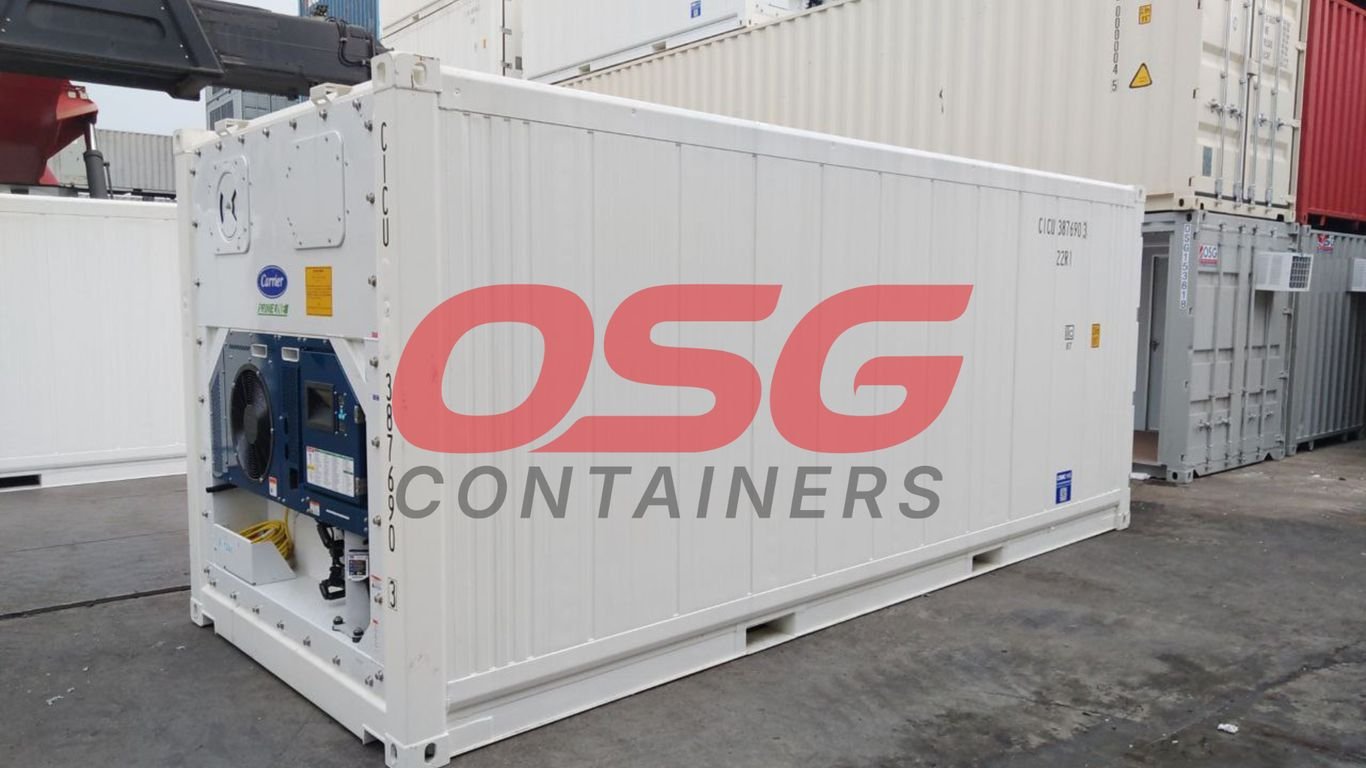
Ever wonder how that carton of fresh berries makes it from a farm halfway across the world to your local grocery store, still looking and tasting like it was just picked? The answer, more often than not, is a reefer container. These aren’t your average shipping boxes; they’re specialized units designed to keep things cool, or even frozen, during their long journeys. Think of them as giant, mobile refrigerators for the global trade world. The term “reefer” itself is just a shortened, nautical way of saying “refrigerated.” It’s a bit of slang that stuck, and now it’s the standard term for these temperature-controlled shipping workhorses.
Key Takeaways
- A reefer container is a specialized shipping box with a built-in cooling system to keep goods at a set temperature, whether cold or cool.
- These containers stay at the right temperature using insulation, a cooling setup, and airflow control to spread the cold evenly.
- Reefer containers are super important for moving items that spoil easily, like food and medicines, stopping waste and keeping things good.
- They need a steady power source, usually electricity from ships, trains, trucks, or special generators.
- Newer reefer containers often have tech to track conditions in real-time and sometimes even have different temperature zones for different items.
Understanding The Reefer Container
What Is A Reefer Container?
Ever wondered how that carton of fresh berries makes it from a farm halfway across the world to your local grocery store, still looking and tasting like it was just picked? The answer, more often than not, is a reefer container. These aren’t your average shipping boxes; they’re specialized units designed to keep things cool, or even frozen, during their long journeys. Think of them as giant, mobile refrigerators for the global trade world. A reefer container, short for refrigerated container, is a specialized shipping unit built to transport goods that need a specific temperature range to stay fresh and safe. Unlike a standard dry container, which is basically just a metal box, a reefer has a built-in refrigeration system. This system allows it to maintain temperatures from as low as -30°C (-22°F) for frozen goods, all the way up to a chilly 30°C (86°F) for certain temperature-sensitive items, though most operate within a much narrower, colder range. These containers are vital for moving anything perishable, from fruits and vegetables to pharmaceuticals and even some electronics that can be damaged by heat.
The Nautical Origins Of The Term "Reefer"
The word "reefer" itself has roots in maritime history. It’s a shortened, informal term for "refrigerated," likely originating from sailors and dockworkers referring to refrigerated ships or containers. It’s a bit of slang that became so common it’s now the official industry term. So, when you hear "reefer container," just picture a shipping container that’s also a high-tech fridge.
Reefer Containers Versus Dry Containers
The main difference between a reefer container and a standard dry container is control. A dry container is just a shell, offering basic protection from the elements but no temperature regulation. It’s suitable for things like clothing, electronics, or machinery that aren’t sensitive to temperature changes. A reefer, on the other hand, is a climate-controlled environment. It’s designed with insulation and a powerful refrigeration unit to actively manage the internal temperature. This makes them indispensable for transporting goods where spoilage or degradation due to temperature fluctuations is a major concern.
Here’s a quick look at their differences:
| Feature | Reefer Container | Dry Container |
|---|---|---|
| Temperature Control | Active (built-in refrigeration system) | None (passive protection from elements) |
| Insulation | High-performance, designed for thermal retention | Basic, primarily for structural integrity |
| Primary Use | Perishable goods (food, pharmaceuticals, etc.) | Non-perishable goods (clothing, machinery, etc.) |
| Complexity | High (refrigeration unit, power requirements) | Low (simple metal box) |
| Cost | Higher initial and operational costs | Lower initial and operational costs |
Reefer containers are essentially mobile, climate-controlled warehouses. They are engineered with robust insulation and integrated refrigeration units to maintain precise temperatures, preventing spoilage and preserving the quality of sensitive cargo during long-distance transit. This level of control is what sets them apart from standard dry containers, which offer no active temperature management.
How Reefer Containers Maintain Temperature
The Role Of Insulation And Enclosure
Keeping things cold is the main job of a refrigerated container, but how do they actually do it? It’s not just a big fridge on wheels. The outer shell is usually tough steel, but the real trick is what’s inside. These containers have thick layers of insulation, often made from polyurethane foam. This insulation acts like a super-strong barrier, stopping outside heat from getting in and keeping the cold air from escaping. Think of it like a really good thermos. The better the insulation, the less the refrigeration unit has to work, which saves energy and keeps the temperature steady. Even the doors have special seals to make sure no warm air sneaks in.
Components Of The Refrigeration Unit
At the core of every refrigerated container is its refrigeration unit. This isn’t just a simple cooling coil; it’s a whole system designed to keep your cargo at the exact temperature it needs. The main parts include:
- Compressor: This is like the heart of the system, pumping refrigerant gas.
- Condenser: This part releases heat from the refrigerant to the outside air.
- Evaporator: Inside the container, this component absorbs heat from the air, making the inside cold.
- Expansion Valve: This controls the flow of refrigerant into the evaporator.
These components work together in a cycle to move heat from inside the container to the outside, maintaining the set temperature.
Reefer Container Temperature Control For Frozen And Chilled Cargo
Maintaining the correct temperature is super important for any cargo inside a reefer. The system circulates temperature-controlled air throughout the container. How the cargo is packed and loaded really affects how well this air can move. Different types of goods have different temperature needs, and sometimes even different airflow requirements. For example, chilled items like fresh meat might need packaging that lets air flow through it to remove heat generated by the product itself, in addition to any heat from the outside.
It’s important to remember that most reefer containers are designed to maintain a temperature, not to cool down warm cargo. Pre-cooling your goods before loading them is a big step to ensure they arrive in good condition.
Here’s a general idea of temperature ranges:
| Cargo Type | Approximate Temperature Range | Notes |
|---|---|---|
| Fresh Produce | 0°C to 13°C | Varies by specific fruit/vegetable |
| Frozen Goods | Below -18°C | For meat, seafood, ice cream |
| Pharmaceuticals | 2°C to 8°C | Strict control needed for efficacy |
| Super Freezer | -60°C to -20°C | For specialized low-temperature needs |
Key Features And Functionality
Active Temperature Regulation
Reefer containers aren’t just passive boxes; they actively manage the temperature inside. This means they can both cool and heat, depending on what your cargo needs. This active control is the main reason they’re used for anything that can’t handle regular room temperature. They’re designed to keep a set temperature, whether that’s a frosty -25°C for ice cream or a cool 2°C for fresh produce. The refrigeration unit works hard to maintain this precise environment, kicking in whenever the temperature starts to creep up or down too much.
High-Performance Insulation
Think of the insulation like a really good coat for the container. It’s usually made of thick polyurethane foam, and it’s super important. This layer stops the outside heat from getting in and the cold air from escaping. The better the insulation, the less the refrigeration unit has to run, which saves energy and keeps the temperature steady. The doors also have special seals to make sure no warm air sneaks in, which is pretty neat.
Integrated Refrigeration Units
Every reefer has a built-in refrigeration unit, usually at one end. This isn’t just a simple fan; it’s a complex system with a compressor, condenser, and evaporator – kind of like the parts in your home fridge, but much tougher. These units are designed to handle the rough life of shipping and keep working reliably. They’re the engine that keeps your cargo at the right temperature, no matter what the weather is like outside.
Power Requirements For Operation
These containers need power to run their cooling systems. Usually, they plug into a power source on the ship, at the port, or on a truck. Sometimes, they might have their own generator attached, especially if they’re going to be on the road for a while without access to a plug. It’s important to make sure there’s a reliable power supply available wherever the container is going to be.
Here’s a quick look at what gets logged by the system:
- Temperature readings (taken every few minutes)
- Humidity levels
- When the doors are opened and for how long
- The status of the refrigeration unit (running, defrosting, alarms)
- What power source is being used (shore power, generator)
Keeping sensitive goods safe during transit is a big deal. Reefer containers are built with layers of insulation and powerful refrigeration units to create a controlled environment. This technology is what allows us to ship things like fresh fruit, life-saving medicines, and delicate chemicals across the globe without them spoiling or degrading. It’s a pretty clever system that protects our cargo from the outside world.
| Feature | Dry Container | Reefer Container |
|---|---|---|
| Temperature Control | None | Active (cooling/heating) |
| Insulation | Minimal | High-performance |
| Refrigeration Unit | No | Yes |
| Power Requirement | None | Requires external power |
| Primary Use | Non-perishable goods | Perishable goods |
Real-World Applications Of Reefer Containers
Transporting Perishable Foodstuffs
So, how do those fresh strawberries from Chile end up on your breakfast table in Chicago, or the salmon from Alaska make it to your plate in Florida? Reefer containers are the unsung heroes of the global food supply chain. They’re not just for shipping; they’re about preserving quality and safety from farm to fork. Think about it – without these specialized boxes, a huge chunk of the food we rely on simply wouldn’t make it.
Here’s a look at some key food categories that depend on reefers:
- Fruits and Vegetables: From delicate berries to hardy root vegetables, maintaining the right temperature prevents ripening too quickly, bruising, or outright spoilage. This allows produce to travel thousands of miles and still be fresh.
- Meat and Seafood: These items are highly perishable and require strict temperature control to prevent bacterial growth. Reefers keep them at safe, frozen, or chilled temperatures, ensuring they arrive ready for consumption.
- Dairy Products: Milk, cheese, yogurt, and butter all need consistent cold temperatures to maintain their quality and extend their shelf life. Reefers make sure these products stay fresh from the dairy farm to the grocery store.
- Frozen Foods: Ice cream, frozen meals, and other frozen goods rely entirely on reefers to stay solid and safe during transit. The containers can maintain temperatures well below freezing.
The ability of reefer containers to maintain precise temperatures, often for weeks on end, is what makes global trade in perishable goods possible. It’s a complex dance of logistics and technology that keeps our pantries stocked.
Safeguarding Pharmaceuticals And Medicines
Beyond food, reefers play an absolutely critical role in healthcare. Many medicines, vaccines, and other biotech products are incredibly sensitive to temperature fluctuations. Even a small deviation can render them ineffective, or worse, harmful. This is where reefers step in, acting as mobile, sterile, and temperature-controlled environments.
- Vaccines: Many vaccines, like those for COVID-19, require ultra-cold storage. Reefers can maintain these extremely low temperatures, ensuring the vaccines remain potent until they reach the patient.
- Insulin and Biologics: Medications like insulin, certain cancer treatments, and other biological products need to be kept within a specific, often narrow, temperature range (e.g., 2°C to 8°C or 35°F to 46°F). Reefers provide this consistent environment.
- Laboratory Samples: Blood samples, tissue cultures, and other sensitive research materials often need to be transported under controlled conditions to maintain their integrity for scientific study or diagnostic purposes.
The stakes are incredibly high when shipping pharmaceuticals; a failure in temperature control can have serious public health consequences.
Shipping Temperature-Sensitive Chemicals
Certain chemicals, whether for industrial use, research, or manufacturing, also require specific temperature conditions during transport. Extreme heat or cold can cause them to degrade, become unstable, or even react dangerously. Reefers provide a controlled environment to mitigate these risks.
- Industrial Chemicals: Some industrial chemicals need to be kept cool to prevent them from breaking down or losing their efficacy before they are used in manufacturing processes.
- Laboratory Reagents: High-purity reagents used in scientific research often have strict temperature requirements to maintain their accuracy and reliability.
- Specialty Products: This can include a wide range of items, from certain types of adhesives and coatings to specialized materials used in electronics manufacturing, all of which might have specific temperature needs during transit.
Types Of Reefer Container Technology
When you’re shipping temperature-sensitive goods, not all reefer containers are created equal. The technology packed into these specialized units can vary quite a bit, depending on what you’re shipping and how sensitive it is. It’s not just about keeping things cold; it’s about precise control and reliability. You won’t find a cntr open top in this category, that’s for sure.
Closed Reefer Units
This is your standard, workhorse reefer container. Think of it as a self-contained, mobile refrigerator. It’s got a built-in cooling system that’s powered externally, usually by the ship, truck, or terminal. These are the most common type of cntr reefer you’ll see, great for a wide range of products that need consistent temperatures, whether that’s chilled or frozen.
Modified Atmosphere (MA/CA) Reefers
These are a step up for products that are a bit more delicate, like certain fruits and vegetables. MA/CA containers don’t just control temperature; they also manage the air inside. They adjust the levels of oxygen, carbon dioxide, and nitrogen to slow down ripening and spoilage. It’s like creating a custom environment for your cargo to extend its shelf life.
Cryogenic Cooling Systems
For extreme cold requirements, cryogenic systems are the way to go. These use substances like liquid nitrogen or dry ice to achieve very low temperatures. The cooling agent evaporates and is vented out, so it’s a ‘total loss’ system. They’re super effective for deep-frozen goods but don’t have the same long-term control as mechanical units. They’re often used for shorter transit times or when a very specific, intense cold is needed.
Redundant Refrigeration Systems
When the cargo is extremely valuable or critical, like certain pharmaceuticals or high-value chemicals, you can’t afford any risk. Redundant systems have a backup refrigeration unit. If the primary unit fails, the secondary one kicks in automatically. This provides an extra layer of security and peace of mind for those high-stakes shipments.
The choice of reefer technology often comes down to a balance between the cargo’s specific needs, the length of the journey, and the acceptable level of risk. It’s a bit like picking the right tool for the job – you wouldn’t use a hammer to screw in a bolt, and you wouldn’t use a basic reefer for highly sensitive biological samples.
Here’s a quick look at some key differences:
| Feature | Closed Reefer | MA/CA Reefer | Cryogenic System | Redundant System |
|---|---|---|---|---|
| Primary Function | Temperature Control | Temp & Atmosphere Ctrl | Extreme Cold | Temp Control + Backup |
| Complexity | Moderate | High | High | Very High |
| Typical Use Cases | Frozen/Chilled Goods | Produce, Fruits | Deep Frozen Goods | Pharma, High Value |
| Reliability | Good | Very Good | Moderate (short term) | Excellent |
Cost Considerations For Reefer Containers
So, you’re thinking about buying a shipping container, specifically a reefer? Let’s talk about the money side of things. It’s definitely more involved than just grabbing a standard dry box.
Initial Investment Versus Dry Containers
First off, reefers are pricier. Think of it like comparing a basic sedan to a car with all the fancy climate control and a built-in cooler. A reefer container can cost about six times more than a regular one. For example, a new 40-foot reefer might set you back anywhere from $7,500 to $27,000, depending on the specifics. Used ones are cheaper, of course, but still a significant jump from a dry container.
Operational Expenses And Maintenance
Beyond the sticker price, there’s the ongoing cost. These units have refrigeration systems that need power to run, which adds to your electricity bill. Plus, like any complex machinery, they need regular maintenance. Filters need changing, seals need checking, and the cooling unit itself might need servicing. If you’re renting, some of this might be covered, but if you own, it’s all on you. This means budgeting for repairs and upkeep is a must.
The Value Of Preventing Cargo Spoilage
Now, why pay more? It all comes down to protecting your goods. Losing a shipment of fresh produce or expensive medicine due to temperature fluctuations can cost way more than the extra you spent on a reefer. Think about it: a spoiled load of pharmaceuticals or high-end seafood can mean thousands, even millions, in lost revenue and damaged reputation. The reefer’s ability to maintain precise temperatures, whether chilled or frozen, is its main selling point. It’s an investment in keeping your cargo safe and sound.
Here’s a quick look at the buy vs. rent trade-off:
| Feature | Buying Reefer Container | Renting Reefer Container |
|---|---|---|
| Upfront Cost | High | Low |
| Long-Term Cost | Potentially Lower (after initial investment) | Higher (over extended periods) |
| Flexibility | Low (you own it) | High (can switch types/sizes as needed) |
| Maintenance | Your responsibility | Often included by rental company |
| Customization | High (you can modify it) | Limited |
| Asset Ownership | Yes | No |
When you’re weighing the costs, don’t just look at the price tag. Consider the potential losses from damaged goods. For many businesses, the added expense of a reefer is simply the cost of doing business when dealing with sensitive cargo.
Wrapping It Up
So, we’ve looked at what reefer containers are and why they’re such a big deal. Basically, they’re like super-powered, mobile refrigerators that keep all sorts of temperature-sensitive stuff fresh during long trips. Think fruits, veggies, medicines – you name it. They do this with special insulation and a cooling unit, making sure everything arrives in good shape. Without these containers, a lot of the food and products we count on wouldn’t make it to us. They’re pretty important for businesses and for all of us just trying to get our groceries. Definitely more to them than meets the eye!
Frequently Asked Questions
What exactly is a reefer container?
A reefer container is like a giant, mobile refrigerator used for shipping. It’s specially built to keep things like food, medicine, and other items that can go bad at a very specific, steady temperature while they travel long distances by ship, train, or truck. Think of it as a super-insulated box with a built-in cooling system.
How do these containers keep things cold?
Reefer containers have a cooling unit attached, similar to the one in your fridge or freezer. This unit uses special gases and a cycle of cooling to remove heat from the inside. The container itself is also heavily insulated to stop outside heat from getting in. Fans help move the cold air around inside so everything stays evenly chilled.
Can a reefer container make things frozen or just keep them cool?
Yes, reefer containers can do both! They can keep things cool, like fresh produce, or make them completely frozen, like ice cream or frozen meats. They can maintain a wide range of temperatures, from very cold for frozen items to just cool for chilled items.
What’s the difference between a reefer container and a regular shipping container?
A regular shipping container is just a metal box that protects goods from the weather. A reefer container, however, has a built-in refrigeration system and thick insulation. This means it actively controls the temperature inside, which a regular container cannot do. This makes reefers essential for anything that can spoil.
Why are reefer containers usually white?
Reefer containers are often painted white because white reflects sunlight and heat. This helps keep the inside of the container cooler naturally, meaning the refrigeration unit doesn’t have to work as hard. It’s a simple trick to save energy and keep the temperature stable.
Do reefer containers need electricity to work?
Yes, they absolutely do. The refrigeration unit needs a constant power supply to keep running. This power usually comes from the ship, train, or truck carrying the container, or sometimes from a special generator attached to the container.


