
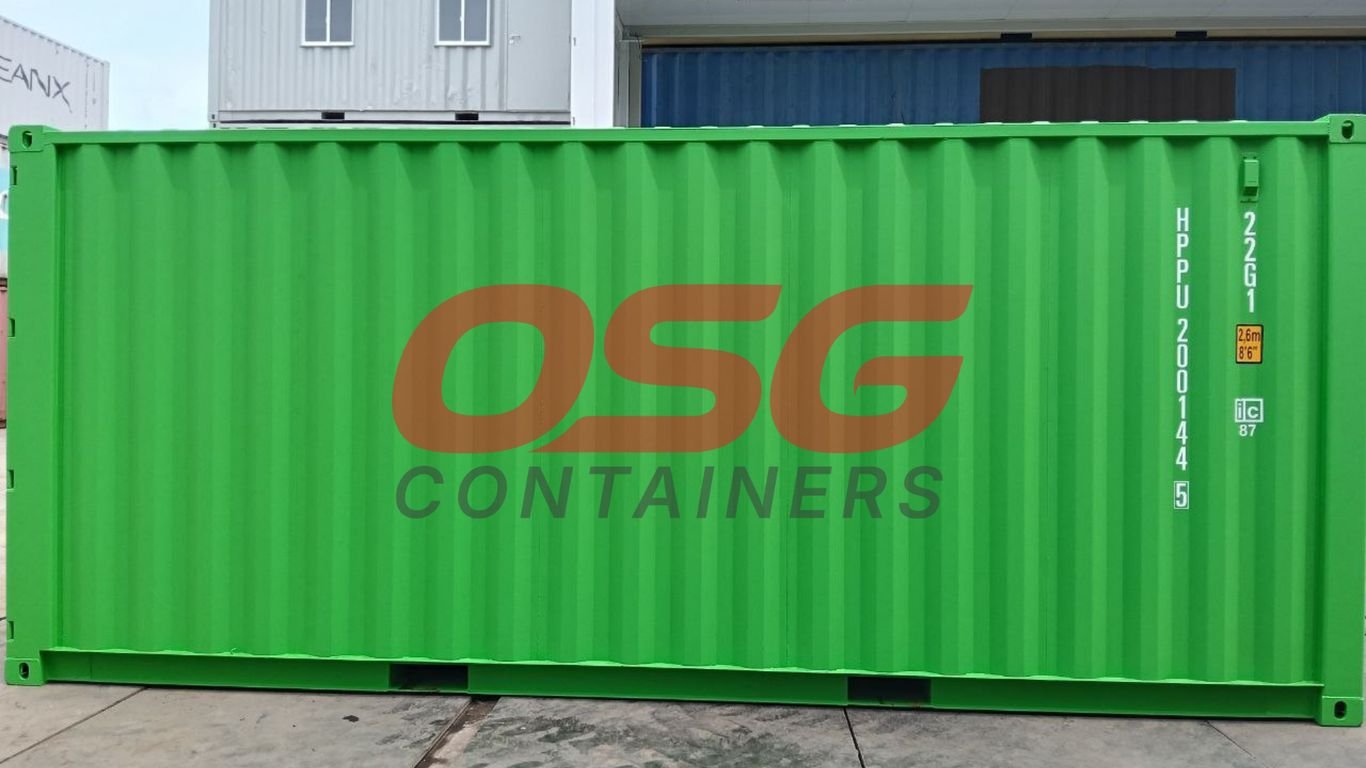
Thinking about getting a gp container for your projects in 2025? It can feel a bit confusing with all the different sizes, prices, and conditions out there. Whether you need one for shipping stuff across the ocean or just for extra storage in your backyard, this guide is here to help make sense of it all. We’ll look at what affects the cost, what sizes are common, and how to pick the right one for what you need to do. Plus, we’ll talk about when’s a good time to buy and how to make sure you’re getting a decent deal.
Key Takeaways
- The price of a gp container in 2025 depends a lot on its size, if it’s new or used, where you buy it, and its overall condition. Expect to pay more for newer, larger containers.
- Common gp container sizes are 20-foot and 40-foot, with high cube options offering extra height. The best size for you depends on your project’s needs and space.
- Buying a used gp container can be a good way to save money, but check its condition carefully. ‘One-trip’ containers are nearly new but cost more, while ‘cargo-worthy’ ones are suitable for shipping but show signs of use.
- Market conditions in early 2025, like lower freight rates and less demand from China, are making gp containers more affordable. This could be a good time to buy before prices potentially rise later in the year.
- Consider your long-term needs when buying a gp container. Customizing it for specific uses or planning for future storage needs can add to its value, but always check the quality and source.
Understanding GP Container Pricing Dynamics
So, you’re looking to buy a GP container for your 2025 project and wondering about the price tag? It’s not as simple as just picking one off a shelf. Prices can really bounce around depending on a bunch of things. Let’s break down what’s going on with container costs right now.
Average GP Container Costs in 2025
Right now, in late 2025, we’re seeing some pretty good deals on containers, especially if you’re looking at used ones. It’s a bit of a buyer’s market, which is great news for your budget. New containers are still a significant investment, but the gap between new and used prices has widened.
Here’s a rough idea of what you might expect:
| Container Type | Condition | Average Price Range (USD) |
|---|---|---|
| 20 ft GP Container | Used | $1,500 – $3,000 |
| 20 ft GP Container | New | $2,500 – $5,000 |
| 40 ft GP Container | Used | $2,000 – $4,500 |
| 40 ft High Cube GP | Used | $2,500 – $5,000 |
| 40 ft GP Container | New | $3,500 – $6,500 |
| 40 ft High Cube GP | New | $4,000 – $7,000 |
Keep in mind these are just averages. Your actual cost could be higher or lower.
Factors Influencing GP Container Prices
Why do prices change so much? It’s a mix of global shipping trends, supply and demand, and even the cost of steel. Think about it: if fewer goods are being shipped, there are more empty containers sitting around, which can drive down prices. Conversely, if there’s a sudden rush to move goods, prices can jump up.
- Global Freight Rates: When shipping costs go down, it often means fewer containers are being sent back across the oceans, leading to more available stock domestically. This can lower prices.
- Export Volumes: If countries are exporting less, there’s less demand for containers to ship goods out, again potentially increasing local supply and lowering costs.
- Container Availability: The more containers sitting in depots, the softer the prices tend to be. This is happening now because many leasing companies are selling off extra equipment instead of moving it.
- Steel Prices: Containers are made of steel, so fluctuations in steel costs directly impact manufacturing prices for new units.
- Location: Where you buy the container matters a lot. Prices can differ significantly between coastal areas and inland locations, or between different regions within a country.
Right now, used containers are trading at about 60% or less of the price of a new one. This kind of discount hasn’t been seen in a while, and historically, it’s been a good time to buy before prices start to climb again.
New vs. Used GP Container Value
Deciding between new and used is a big question. New containers are pristine, of course, and come with that ‘new car smell’ feeling. They’re built to last and haven’t been through the rigors of international shipping. However, they come with a higher upfront cost.
Used containers, on the other hand, offer a much lower entry price. They’ve seen some action, so they might have a few dents or scratches, but many are still in great shape, especially ‘one-trip’ or ‘cargo-worthy’ units. For many on-land uses like storage or workshops, a used container is perfectly fine and a much more budget-friendly choice. You’re essentially getting a lot more container for your money when you opt for used in the current market.
GP Container Sizes and Their Applications
When you’re looking for shipping container used for sale or used cargo containers for sale, understanding the different sizes is key. It’s not just about fitting more stuff in; it’s about finding the right fit for your project, whether that’s for actual shipping or something totally different. The industry has settled on a few standard sizes that make everything from loading onto a ship to stacking them in a yard pretty straightforward.
Popular GP Container Dimensions
Most general purpose (GP) containers come in a few standard lengths. The most common ones you’ll see are 20-foot and 40-foot. There are also 10-foot and 45-foot options, though they’re a bit less common. Many of these come in a ‘High Cube’ (HC) version, which just means they’re about a foot taller than the standard ones. That extra height can make a surprising difference when you’re trying to maximize space.
Here’s a quick look at the typical dimensions:
| Size | Length (External) | Width (External) | Height (External) | Internal Volume (Approx.) |
|---|---|---|---|---|
| 20′ GP | 20 ft | 8 ft | 8.5 ft | 1,170 cu ft |
| 40′ GP | 40 ft | 8 ft | 8.5 ft | 2,390 cu ft |
| 40′ HC | 40 ft | 8 ft | 9.5 ft | 2,700 cu ft |
| 45′ HC | 45 ft | 8 ft | 9.5 ft | 3,040 cu ft |
Note: Internal dimensions and volume can vary slightly based on the manufacturer and container’s specific build.
Choosing the Right GP Container Size
So, how do you pick the right one? Think about what you’re putting inside. For smaller loads or if you have limited space for the container itself, a 20-foot might be perfect. If you’re moving a lot of goods or need space for bigger items, a 40-foot or even a 45-foot High Cube could be the way to go. Don’t forget about the height difference with High Cubes; it’s great for stacking or for items that are just a bit too tall for a standard container.
- Consider your cargo: What are you storing or shipping? Bulky items might need the extra height of an HC.
- Think about placement: Where will the container sit? Make sure you have enough room for the size you choose.
- Budget: Larger containers generally cost more, both to buy and to transport.
The standardization of these container sizes is a big deal. It means they fit onto ships, trains, and trucks without a fuss, making global trade a lot smoother and cheaper. This uniformity is why you can find used cargo containers for sale pretty much anywhere.
Beyond Shipping: Alternative GP Container Uses
It’s not just about moving goods across the ocean anymore. These sturdy metal boxes are super popular for all sorts of other projects. People use them for:
- Storage: Whether it’s for extra inventory at a business, tools on a construction site, or household items during a move, they make secure storage.
- Workspaces: Many folks convert them into temporary offices, workshops, or even art studios.
- Homes and Buildings: They’re a hot item for building unique, affordable homes, cafes, or retail spaces.
Basically, if you need a durable, modular structure, a shipping container is a solid option. They’re built tough, and with a bit of creativity, they can be transformed into almost anything.
Navigating the GP Container Market
Current Market Trends for GP Containers
The global shipping scene is always shifting, and 2025 is no different. Right now, things are stabilizing a bit, which is good news for anyone looking to buy. We’re seeing steady growth, especially in the Asia-Pacific area. This means more containers are moving around, and some might end up staying in that region longer. For folks in North America, this could mean fewer containers are readily available, potentially pushing prices up later on. April 2025 seems to be a sweet spot, sitting right between market stability and decent pricing. Smart buyers should pay attention to these conditions.
Several things are making prices more favorable for buyers:
- Lower Freight Rates: Shipping costs have dropped. This means fewer containers are being sent back empty to North America, leading to more available stock domestically.
- Reduced Chinese Exports: Less activity from China means fewer containers are needed to ship goods out, easing demand.
- Leasing Companies Selling Off Stock: Many leasing companies are offloading extra equipment in North America instead of moving it back to Asia because it’s cheaper and demand is lower.
- Softer Used Container Prices: Especially for 20’GP and 40’HC units, used container prices are getting close to historic lows compared to new ones.
The current market conditions in April 2025 present a unique opportunity. With lower freight rates and reduced export activity, there’s a surplus of containers available locally. This is a prime time to secure inventory at competitive prices before potential market shifts occur later in the year.
Strategic Timing for GP Container Purchases
When you’re looking to buy a used shipping container, timing can make a big difference. Right now, in April 2025, we’re seeing prices that are about 60% or less of what a new container would cost. This is a pretty big discount. Historically, when prices have dipped this low, demand usually picks up not too long after. Businesses often jump in to grab affordable storage and logistics solutions when the global situation feels uncertain. So, if you’re thinking about getting containers, acting now could mean you benefit from these lower costs before prices start to climb again, which is expected in the latter half of 2025. It’s a good moment for small businesses, contractors, or anyone looking to resell containers to invest. Getting your hands on inventory at these lower prices now can lead to better profits down the line.
Here’s a quick look at why now is a good time:
- Price Advantage: Used containers are significantly cheaper than new ones.
- Market Rebound Expected: Prices are likely to increase in the second half of 2025.
- Investment Opportunity: Lower acquisition costs can lead to higher profit margins for storage, modification, or resale.
Key Market Drivers Favoring Buyers
Several factors are currently pushing the market in favor of buyers. Ocean freight rates have decreased, meaning fewer containers are being repositioned across the seas. This leads to a greater availability of containers within North America. Additionally, export activity from China has slowed down, reducing the demand for outbound containers. Many leasing companies are also choosing to sell off their surplus equipment domestically rather than incurring the costs of repositioning it. This combination of lower demand and increased domestic supply is driving down prices for used containers, making it an opportune moment to buy. The tariff situation and port fees can also create regional price differences and supply chain hiccups, adding another layer of complexity that buyers can sometimes use to their advantage if they’re well-informed.
| Factor | Impact on Buyers |
|---|---|
| Lower Freight Rates | Increased domestic availability, lower repositioning costs |
| Reduced Chinese Exports | Less demand for outbound containers |
| Leasing Company Sales | More surplus equipment available locally |
| Softening Used Prices | Significant cost savings compared to new containers |
GP Container Condition and Quality
When you’re looking at shipping container sales, used options are often a big part of the conversation. But not all used containers are created equal, and understanding their condition is key to getting a good deal and a container that actually works for your project. It’s not just about the price tag; it’s about what you’re actually getting.
Assessing Used GP Container Condition
Checking out a used container involves looking for a few key things. You want to make sure it’s structurally sound and free from major damage that could cause problems down the line. Think about:
- Dents and Damage: Look for significant dents, especially on the roof or corners, which can affect structural integrity. Minor cosmetic dents are usually fine.
- Rust: Surface rust is common and often manageable, but deep rust, especially on the floor, walls, or roof, can be a serious issue. Check the undercarriage too.
- Door Seals and Functionality: Make sure the doors open and close smoothly and that the rubber seals are intact. Leaky seals mean water can get in.
- Floor Condition: The flooring should be solid. Rotting or heavily damaged wooden floors need replacement.
- Smell: If the container smells strongly of chemicals or mold, it might have been used for hazardous materials or have water damage.
Remember, a container’s past life can impact its future use. Always ask about its previous cargo and any repairs it might have undergone.
One-Trip GP Containers: A Premium Option
These containers are pretty much as close to new as you can get without buying brand new. They’ve made just one trip from the factory overseas, usually carrying goods to their destination. Because of this, they typically have very minimal wear and tear. You’ll find them in great shape, with few, if any, dents or scratches. They’re a good choice if you need a container that looks good and has a long service life ahead, but they do come with a higher price tag compared to older used units.
Cargo-Worthy GP Containers Explained
A cargo-worthy container is one that’s deemed fit to carry goods on international shipping routes. This means it meets certain standards for structural integrity and is watertight. When you see "cargo-worthy" in shipping container sales, it implies the container has been inspected and is ready for transport. It might have some cosmetic wear from previous use, but its core structure is sound. This is a solid middle-ground option for many buyers looking for reliability without the premium cost of a one-trip container.
Maximizing Your GP Container Investment
So, you’ve decided to get a GP container for your 2025 project. That’s a smart move, but how do you make sure you’re getting the most bang for your buck? It’s not just about buying the container; it’s about thinking ahead.
GP Container Customization Options
These metal boxes are surprisingly versatile. Need extra doors? A specific paint job? Maybe some insulation or even a window? Many suppliers can modify containers to fit your exact needs. This could be anything from adding shelving for better storage organization to turning it into a small office space or a unique retail kiosk. Customization can significantly increase the utility and value of your container. Think about what you’ll actually be doing with it and what features would make that easier or more efficient.
Here are a few common modifications:
- Ventilation: Adding vents can prevent moisture buildup and keep the interior temperature more stable.
- Flooring: Upgrading the standard plywood floor to something more durable like steel or rubber can extend the container’s life, especially if it’s going to see heavy use.
- Lighting & Electrical: Installing lights and power outlets can turn a dark box into a functional workspace or storage area.
- Security: Adding extra locks, reinforced doors, or alarm systems can provide peace of mind.
Long-Term Value of GP Container Ownership
Buying a container isn’t just a one-time purchase; it’s an asset. When you choose a good quality container, especially a "one-trip" or "cargo-worthy" unit, you’re investing in something that can last for decades. Unlike renting, owning means you can modify it, move it around, or even sell it later. The initial cost might seem higher than leasing, but over the long haul, especially if you plan to use it for many years or multiple projects, ownership often proves more cost-effective.
The market right now, especially in April 2025, presents a unique opportunity. Prices for used containers are quite low compared to new ones, sitting at around 60% of the cost. This is a historical sweet spot that usually doesn’t last long. Acting now could mean securing a valuable asset at a bargain price, potentially seeing a good return if you decide to sell it down the line.
Securing GP Container Inventory
Getting your hands on the right container at the right time is key. The market can be unpredictable. Factors like global shipping rates, trade policies, and even seasonal demand can affect availability and price. Right now, for instance, lower freight rates and shifts in trade routes mean there’s a good amount of inventory available domestically, particularly in North America. This makes it a good time to buy, but you still need to be strategic.
Here’s what to consider when securing your inventory:
- Timing: As mentioned, April 2025 is looking favorable. Prices are down, and supply is relatively good. Don’t wait too long, as these conditions might change.
- Supplier Reliability: Work with a reputable supplier. They can help you find the right container grade (new, one-trip, cargo-worthy) and ensure it meets your needs. A good supplier also has a wide network, which can be helpful if you need containers in different locations.
- Location: Buying locally can save a lot on transportation costs. Check what inventory is available in depots near you. This also speeds up delivery times, which is important if your project has a deadline.
- Condition Assessment: Always know what you’re buying. A "cargo-worthy" container has been inspected and is deemed fit for shipping, but it will show signs of use. A "one-trip" container is the closest you’ll get to new without buying brand new, having only made one journey from the factory.
Wrapping It Up: Your Container Project in 2025
So, we’ve gone over the different types of containers, what sizes make sense for various projects, and roughly what you can expect to pay in 2025. It’s clear that prices can change, depending on whether you’re looking at a brand-new unit or a used one, and where you are located. But the big takeaway here is that right now, especially in early to mid-2025, it looks like a pretty good time to buy. Prices are lower than they’ve been in a while, and there’s a decent amount of stock around. Whether you need a container for shipping, extra storage, or a cool custom build, understanding these factors will help you make a smart choice without breaking the bank. Keep an eye on the market, but don’t wait too long if you see a deal that fits your needs.
Frequently Asked Questions
How much do shipping containers typically cost in 2025?
The price of shipping containers can really change a lot. For a used 20-foot container, you might expect to spend between $1,500 and $3,000. If you’re looking for a brand-new one, the cost goes up, usually from $2,500 to $5,000. Bigger containers, like the 40-foot ones, cost more, with used ones ranging from $2,000 to $4,500 and new ones from $3,500 to $6,500. High cube versions of these larger containers will cost even more.
What makes the price of a shipping container go up or down?
Several things affect how much a container costs. The size is a big one – longer containers cost more. Whether it’s new or used also makes a difference, with new ones being pricier. Where you buy it from matters too, especially if it’s close to a port. The container’s condition is super important; a container that’s only been used once will cost more than one that’s seen a lot of use. Even things like steel prices and how many containers are available can change the price.
Is it better to buy a new or a used shipping container?
That really depends on what you need it for. If you plan to use the container for shipping goods overseas, a new or ‘one-trip’ container is often the best choice because it’s in great shape and built to last. But if you just need extra storage space on your property or want to turn it into an office or workshop, a used container can be a much more affordable option. Even used containers that have some dents or rust are often still strong enough for these kinds of jobs.
What are the most common sizes for shipping containers?
The most popular sizes you’ll see are 20-foot and 40-foot long containers. There are also ‘high cube’ versions of these, which are just a bit taller, giving you more space. While less common for general use, you can also find 10-foot and 45-foot containers, and even larger ones up to 53 feet for specific needs.
Can shipping containers be used for anything other than shipping?
Absolutely! People get really creative with shipping containers. They’re fantastic for adding extra storage to a home or business. Many folks turn them into cool, modern living spaces or offices. You’ll also see them used for pop-up shops, workshops, art studios, and even small farms, especially in urban areas. Their tough, weather-resistant design makes them super versatile.
When is the best time to buy a shipping container?
Right now, in early to mid-2025, is considered a really good time to buy. Shipping costs have gone down, and there are more used containers available locally. This means prices are lower than they’ve been in a while. Experts think these prices might start going up later in the year, so buying sooner rather than later could save you money and help you get a better quality container before the best ones are gone.


