
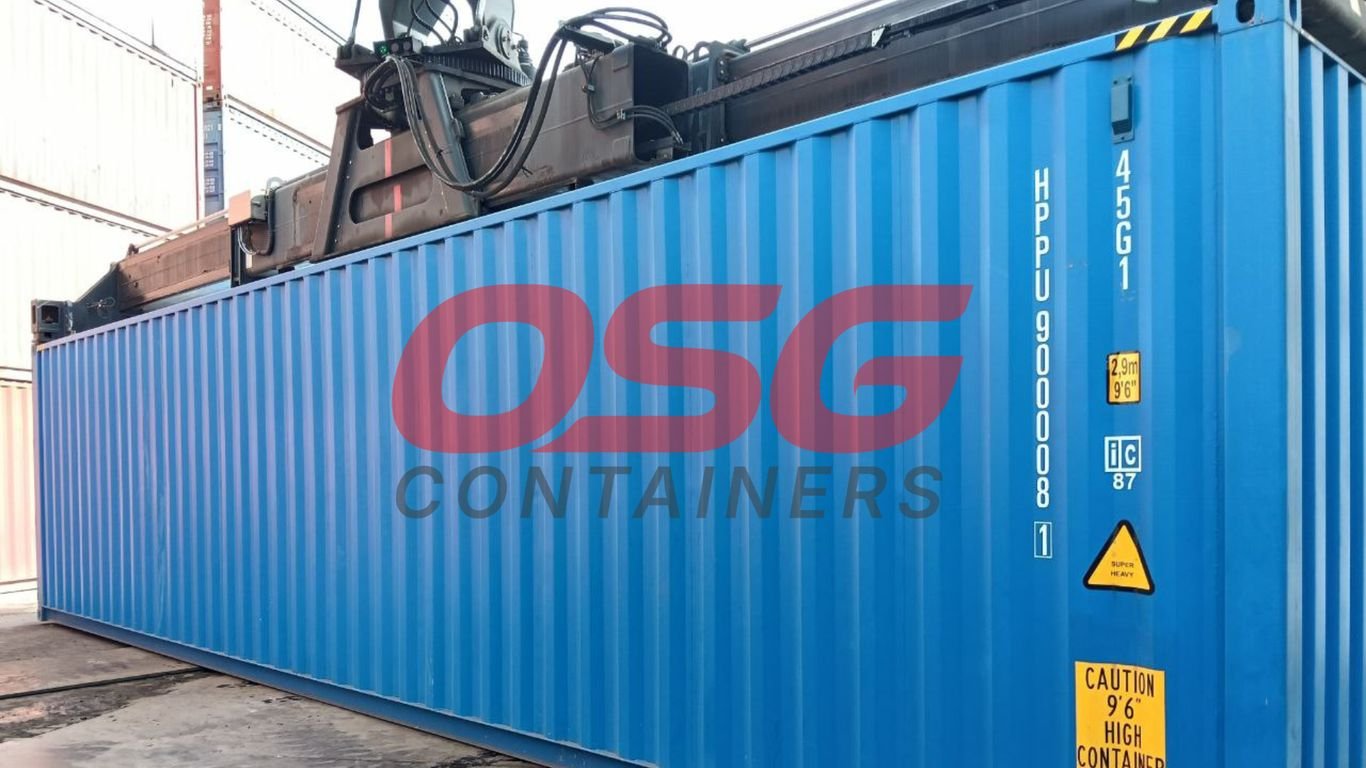
When you’ve got a big project, whether it’s moving a ton of stuff or building something new, space is usually a major concern. You might think a standard container is enough, but often, it’s not. That’s where the 40ft container, especially the high cube version, really comes into its own. It offers a significant amount of room that can make a huge difference for large-scale operations and creative builds. Let’s dive into why bigger space often means bigger projects get done better.
Key Takeaways
- The 40ft container, particularly the High Cube model, provides substantially more internal volume than standard containers, making it ideal for bulky items and efficient packing.
- The extra foot of height in a 40ft High Cube container allows for accommodating taller goods, better stacking, and more comfortable interior space for conversion projects.
- Utilizing a 40ft container can lead to cost savings through enhanced packing efficiency and potentially needing fewer units for large shipments or storage needs.
- These larger containers are highly versatile, serving well for innovative retail pop-ups, exhibition spaces, on-site storage, and large-scale industrial or bulk storage applications.
- Careful consideration of internal and external dimensions, along with delivery logistics like overhead clearance, is important when choosing and using a 40ft container for any project.
Maximizing Cargo Space With A 40ft Container
Accommodating Oversized and Bulky Items
When you’re trying to move things, especially big stuff, space is always the main concern. A standard 40ft container is pretty big, but sometimes, it’s just not enough. That’s where the extra height of a 40ft container really makes a difference. You can fit items that just wouldn’t slide into a regular container. Think large machinery parts, tall furniture pieces, or even vehicles that might otherwise need to be partially disassembled. This saves you a lot of hassle and potential extra costs.
Enhanced Packing Efficiency For Cost Savings
That extra bit of vertical room isn’t just for tall items. It lets you pack things much more smartly. You can often stack more goods, maybe even fitting an entire extra layer of pallets or boxes. This means you might need fewer containers for your shipment overall. Fewer containers usually mean lower shipping costs and less handling, which really adds up. When you’re looking at container options, thinking about how efficiently you can pack it is key to saving money.
Strategic Loading For Optimal Space Utilization
Loading a container is kind of like a puzzle. With the extra headroom in a 40ft container, you have more options. You can arrange items more thoughtfully, perhaps using the full height for pallets or creating better-organized storage sections. This careful planning helps you get the most out of every cubic foot. It’s about making sure every inch of your cargo shipping container is working for you.
Here’s a quick look at how that extra height adds up:
| Container Type | Internal Height (approx.) | Usable Volume (approx.) | Main Benefit |
|---|---|---|---|
| 40ft Standard | 8 ft 10 in | 2,387 cu ft | Standard cargo, cost-effective |
| 40ft High Cube | 9 ft 6 in | 2,700 cu ft | Accommodates taller items, better packing |
The extra foot of height in a 40ft High Cube container might seem small, but it significantly increases the usable volume. This extra space is a game-changer for fitting more cargo, packing more efficiently, and making conversions more comfortable. It’s a practical upgrade for many shipping and storage needs.
The 40ft High Cube: A Foot Above The Rest
Understanding The High Cube Advantage
So, you’ve heard about the 40ft container, but have you met its taller cousin, the 40ft High Cube? It might not sound like much, but that extra foot of height makes a surprisingly big difference. Think of it like this: a standard 40ft container is already pretty spacious, but the High Cube adds about 12 inches (or 30 cm) to its internal height. This isn’t just a minor tweak; it’s a significant upgrade that opens up a whole new world of possibilities for both shipping and conversion projects.
Increased Usable Volume For Your Needs
That extra foot of height translates directly into more usable space. While a standard 40ft container offers around 2,400 cubic feet, the High Cube bumps that up to approximately 2,700 cubic feet. That’s a substantial increase, giving you more room to play with. It’s like getting an extra level in your storage unit without adding any extra footprint on the ground. This extra volume is a real benefit whether you’re trying to fit more goods for shipping or planning to build something inside.
Here’s a quick look at the volume difference:
| Container Type | Approx. Internal Volume (cu ft) |
|---|---|
| 40ft Standard | 2,400 |
| 40ft High Cube | 2,700 |
Comparing 40ft High Cube To Standard Containers
The advantages of the High Cube become really clear when you consider what you can do with that extra space. For shipping, it means you can often fit taller items that simply wouldn’t go into a standard container. Imagine trying to ship large machinery, tall furniture, or even vehicles – the High Cube makes it much easier, potentially saving you the hassle of disassembly or extra trips. It also boosts packing efficiency. You can stack items more effectively, maybe even fitting an entire extra layer of goods. This can lead to needing fewer containers overall, which directly translates to cost savings on shipping.
When it comes to conversions, that extra headroom is a game-changer. It makes spaces feel less cramped and more like a real room. This is super important if you’re thinking about turning a container into a living space, an office, or a workshop. You’ll have more room for:
- Comfortable standing height, making the space feel more open.
- Easier installation of insulation, keeping your space warmer or cooler.
- Better placement for utilities like electrical wiring, plumbing, and ventilation.
The extra height isn’t just about fitting more; it’s about making the space more practical and comfortable for whatever you plan to do with it. It allows for better airflow, easier installation of fixtures, and a generally more pleasant environment.
Ultimately, the 40ft High Cube offers a tangible advantage for anyone looking to maximize their space, whether for cargo or for creative projects. It’s a smart choice when standard just won’t cut it.
Versatility In Conversion Projects With Container 40ft
These containers aren’t just for hauling stuff across the ocean. They’re like a blank canvas for all sorts of cool projects. Because they’re taller than the standard ones, you get that extra headroom, which makes a huge difference when you’re trying to make them into something livable or workable. The 40ft High Cube, in particular, offers a significant advantage for these kinds of transformations.
Creating Comfortable Living And Working Spaces
Think about turning one into a small home, an art studio, or even a home office. That extra foot of height means you can actually stand up comfortably, maybe even add a small loft area or some decent shelving without feeling cramped. It makes a world of difference for insulation too, giving you more room to work with.
- More Headroom: Makes spaces feel less claustrophobic and more like a real room.
- Easier to Insulate: Provides more space for insulation materials, keeping it warmer in winter and cooler in summer.
- Room for Utilities: Allows for better placement of electrical wiring, plumbing, and ventilation systems.
More Headroom For Practicality
That extra foot of height in a 40ft High Cube container might seem small, but it significantly increases the usable volume. This extra space is a game-changer for fitting more cargo, packing more efficiently, and making conversions more comfortable. It’s a practical upgrade for many shipping and storage needs. When you’re looking at the sale of used containers for a project, this extra height is often a deciding factor.
Planning ahead for these logistical details can save you a lot of headaches and unexpected costs down the line. It’s better to know about a potential issue before the container arrives on site.
Room For Utilities And Insulation
The increased headroom in a 40ft High Cube container makes it much easier to install necessary utilities. You have more space to run electrical conduits, set up plumbing, and install ventilation systems without everything feeling crammed. This also applies to insulation. Adding insulation is key for making a container habitable or functional as a workspace, and the extra height gives you more room to work with thicker, more effective insulation materials. This means better temperature control, whether you’re trying to stay cool in the summer or warm in the winter. It really transforms the container from a simple box into a more comfortable and practical space.
Real-World Applications For Large Projects
Innovative Retail Pop-Up Stores
Forget those flimsy tents or temporary stalls. Shipping containers, especially the high cube variety, have become a go-to for brands wanting to make a splash with pop-up shops. That extra foot of height isn’t just for show; it makes a huge difference inside, giving customers a more comfortable browsing experience and allowing for better display setups. Think Puma setting up a vibrant soccer-themed shop using two 40-foot high cubes, painted in their signature red. It’s eye-catching, practical, and totally memorable. Uniqlo and Richard Chai have also jumped on this trend, using containers for temporary retail spaces that are both stylish and sustainable. It’s a smart way to test new markets or launch products without the commitment of a permanent store.
Creative Exhibition And Event Spaces
When you need a unique booth at a trade show or a distinctive space for an event, a high cube container offers a solid foundation. You can outfit them with lighting, custom shelving, and even small seating areas, all while maintaining that crucial headroom. This makes them feel less like a cramped box and more like a mini-showroom or lounge. They’re also relatively easy to transport and set up, which is a big plus when you’re dealing with event logistics. Imagine a gallery showcasing art or a brand launching a new gadget – a container can be transformed into something truly special.
Practical On-Site Storage Solutions
Beyond shipping and temporary storefronts, these big boxes are workhorses for on-site needs. Construction companies, for example, often use them to keep tools, materials, and equipment safe and dry right where the action is. This cuts down on transport time and reduces the risk of theft or damage. It’s a simple, effective way to manage resources on a busy job site.
The sheer volume and robust construction of a 40ft container make it an ideal candidate for a variety of large-scale applications that go far beyond simple cargo transport. Their adaptability is a key factor in their growing popularity for diverse project types.
Here are a few common uses:
- Retail: Pop-up shops, mobile boutiques, seasonal stores.
- Events: Exhibition booths, temporary bars, information kiosks.
- Construction: On-site tool and material storage, site offices.
- Workshops: Small manufacturing spaces, repair shops.
Choosing The Right Container 40ft For Your Project
So, you’ve decided a 40ft shipping container is the way to go for your big project. That’s smart thinking! These units offer a serious amount of space, making them a go-to for all sorts of large-scale needs. But before you start looking at "2nd hand containers for sale" or "containers for sale," let’s break down how to pick the absolute best one for what you’re doing.
Large Capacity For Industrial Or Bulk Storage
When your project involves storing a lot of stuff, especially if it’s industrial equipment or bulk merchandise, the 40ft container really shines. Think about it: you’re getting double the space of a standard 20ft container, which can make a huge difference in keeping things organized and accessible. This size is perfect for things like:
- Palletized goods waiting for distribution
- Manufacturing components or raw materials
- Large quantities of wholesale stock
The more space you have, the less likely you are to have items piled up precariously. It just makes sense for managing big inventories or heavy machinery.
Maximum Storage Volume For Large-Scale Projects
For those truly massive undertakings, like setting up a temporary warehouse, a large construction site office complex, or even a modular building, the 40ft container provides the maximum storage volume you’ll find in standard sizes. It’s not just about fitting more in; it’s about having the flexibility to arrange things efficiently. This is where you can really get creative with layouts if you’re converting the container for a specific purpose.
When you’re dealing with projects that have a significant footprint, opting for a larger container like the 40ft can actually simplify logistics. Instead of managing multiple smaller units, you consolidate your storage and operational needs into one, more manageable space. This often leads to better cost-effectiveness in the long run.
When To Use A 40ft Container
Deciding if a 40ft container is your best bet comes down to a few key factors. If you’re transporting lightweight but bulky items, like furniture or textiles, this size is ideal because you can fill the volume without hitting weight limits too quickly. It’s also the go-to for:
- Large-scale warehousing needs
- Creating spacious temporary offices or workshops
- Storing significant amounts of construction materials
Basically, if your project demands a lot of room and you have the space to place a 40ft unit, it’s usually the most economical and practical choice for maximizing your storage or workspace.
Key Dimensions And Considerations For Container 40ft
So, you’re looking at the big kahuna, the 40ft container, and thinking about how to actually use all that space. It’s not just about the length; you’ve got to get into the details of the measurements. Think of it like buying a new couch – you need to know if it’ll actually fit through the door, not just if it looks good in the store.
Understanding Internal and External Dimensions
First off, remember that the outside measurements are what matter for shipping and where it’ll sit. The inside measurements? That’s your actual usable space. The container walls, even though they’re metal, do take up a bit of room. For a standard 40ft container, you’re generally looking at:
- External Dimensions: 40 feet long x 8 feet wide x 8.5 feet high.
- Internal Dimensions: Roughly 39.5 feet long x 7.7 feet wide x 8 feet high.
It’s always a good idea to check the exact specs for the container you’re buying, as there can be slight differences between manufacturers.
The Impact of Additional Volume
Now, let’s talk about the High Cube version. That extra foot of height makes a pretty big difference, especially for projects. While a standard 40ft gives you about 2,385 cubic feet of space, the 40ft High Cube jumps up to around 2,690 cubic feet. That’s over 300 extra cubic feet to play with!
| Feature | Standard 40ft Container | 40ft High Cube Container | Additional Volume |
|---|---|---|---|
| Internal Height | ~8 ft 10 in | ~9 ft 10 in | ~1 ft |
| Usable Volume (approx.) | 2,387 cu ft | 2,690 cu ft | 303 cu ft |
This extra space means you can stack more, fit taller items, or just have more comfortable headroom if you’re converting it into a living or workspace. It really opens up possibilities.
Delivery Challenges and Overhead Clearance
That extra height on a High Cube isn’t just about internal space; it affects how you get it to your site. You absolutely need to check for overhead obstructions.
- Bridges and Tunnels: Make sure your delivery route doesn’t have any low bridges or tunnels that are shorter than 9.5 feet. A quick Google Maps check or a call to the transport company can save a lot of headaches.
- Site Access: Even on your property, think about power lines, tree branches, or the height of any buildings or garages where you plan to place it. You don’t want to get it there and realize it won’t fit.
- Lifting Equipment: If you’re using a crane or forklift to place the container, ensure the equipment can safely handle the container’s weight and its increased height. The center of gravity can shift a bit with that extra foot.
Planning for delivery and placement is just as important as figuring out what goes inside. Don’t let a surprise low-hanging wire or a tight turn ruin your project before it even starts. Measure twice, deliver once, as they say.
So, What’s the Takeaway?
Look, when you’re planning a big project, whether it’s shipping a ton of stuff or building something new, that extra foot of height in a 40-foot high cube container really makes a difference. It’s not just about fitting more in, though that’s a big plus. It means you can pack smarter, maybe avoid needing another container, and save some cash in the long run. Plus, if you’re thinking of turning it into a workshop or a small office, that extra headroom makes it feel way less cramped. So yeah, for those larger jobs, the 40-foot high cube is definitely the way to go if you want to get the most out of your space.
Frequently Asked Questions
What’s the main difference between a 40ft High Cube and a regular 40ft container?
The biggest difference is height! A 40ft High Cube container is about one foot taller inside than a standard 40ft container. This extra space can make a big difference for fitting taller items or packing more efficiently.
Why is the extra height in a High Cube container so helpful?
That extra foot gives you more room to work with. You can fit taller things like machinery or furniture more easily. It also means you can stack items higher, potentially fitting more cargo and saving money on shipping costs. For building projects, it means more headroom, making spaces feel less cramped.
Can I really fit significantly more stuff in a 40ft High Cube?
Yes, you can! The extra height adds a lot more usable space. For a 40ft container, this can mean an extra 300 cubic feet or more. Think of it like being able to add another small room or shelf space inside, allowing you to pack more efficiently or fit bulkier items.
Is a 40ft High Cube container good for building or conversion projects?
Absolutely! The extra headroom makes a huge difference when turning a container into a living space, office, or workshop. It makes the space feel more open, allows for better insulation, and gives you more room for things like lighting and plumbing.
Are 40ft containers better for shipping than 20ft containers?
It depends on what you’re shipping! 40ft containers offer more space for bulky or lightweight items and are often more cost-effective per cubic foot for large shipments. However, 20ft containers are easier to handle for smaller loads and can be cheaper to ship if weight is a bigger concern.
What should I consider before getting a 40ft container delivered?
You need to think about where it will go and how it will get there. Make sure you have enough space for the container itself, and check for any overhead obstacles like power lines or tree branches that might make delivery difficult. Knowing the exact dimensions is key!


