
So, you’re looking to buy a shipping container for sale? It’s a pretty smart move, they’re super versatile. But before you hand over your cash, there are a few things you really need to check. Buying one isn’t just about picking the cheapest option you see online. You’ve got to do a bit of homework to make sure you’re getting something solid that won’t cause headaches later. Let’s break down what to look for when you’re on the hunt for that perfect for sale shipping container.
Key Takeaways
- Always check the container’s condition, whether it’s new, cargo-worthy, or wind and watertight. This tells you a lot about its history and suitability for your needs.
- Don’t skip the physical inspection. Look for dents, rust, and especially holes that let light through, which means it’s not truly watertight.
- Understand what the container is made of, usually Corten steel. Cheaper materials might mean more rust and problems down the line.
- Ask about the delivery process, how much space is needed, and if there are any overhead obstructions. This can save you a lot of hassle on delivery day.
- Verify the seller’s reputation by asking for references or checking online reviews. A good seller is transparent and helpful.
1. Container Condition
When you’re looking at shipping containers for sale, the first thing you’ll want to get a handle on is its condition. This isn’t just about looks; it directly impacts how you can use the container and how long it’ll last. Think of it like buying a used car – you wouldn’t just go for the cheapest one without checking under the hood, right? Same idea here.
Containers typically fall into a few categories:
- New (or One-Trip): These are pretty much factory fresh. They’ve only made one journey from the manufacturer to their current location. You’ll find them in the best shape, usually without any dents, rust, or shipping company stickers.
- Cargo-Worthy (CW): These containers have been inspected and certified to be suitable for shipping goods overseas. They meet strict standards and are ready for another trip on a ship or train. If you plan to use it for actual shipping, this is the minimum you’ll need.
- Wind and Watertight (WWT): These units have been retired from shipping service. They’re generally sound and won’t let the elements in, making them a popular choice for storage. However, they might not pass the strict checks needed for international cargo transport.
- As-Is: This is the "buyer beware" category. These containers might have visible damage, rust, or other issues. While they’re usually the cheapest, you’ll likely need to put in some work (and money) to fix them up for your intended use.
Understanding these conditions is key to making sure you get a container that fits your needs and budget. Don’t just take the seller’s word for it; if possible, try to see the container yourself or ask for detailed photos and a video. It’s worth the extra effort to avoid surprises down the road.
The condition you choose really depends on what you plan to do with the container. For simple storage on your property, a WWT unit might be perfectly fine. But if you’re thinking about repurposing it for something more involved, or even using it for actual shipping, you’ll need to be more selective.
2. Physical Inspection
Okay, so you’ve found a container that looks good on paper, but don’t just hit ‘buy’ yet. You absolutely need to see it in person, or at least get detailed photos and a video. Relying on stock images is a gamble you don’t want to take. When you’re there, get inside. Close the doors. If it’s daytime, see if any light peeks through. If you spot daylight coming through the roof or walls, that’s a big red flag – it means water’s going to get in eventually, and that’s a headache you don’t need.
Think about what this container might have carried before. Used containers have seen a lot, and sometimes that includes things like chemicals or other stuff that leaves a residue. You’ll want to check the floor, especially if it’s that thick plywood. Give it a sniff test too. Any weird smells or visible stains? That could mean extra cleaning costs down the line, and you want to make sure it’s safe for whatever you plan to do with it.
Here’s a quick checklist for your inspection:
- Check for daylight: Close the doors and look for light leaks. This is your best indicator of watertightness.
- Inspect the floor: Look for stains, damage, or signs of rot. Check for any lingering odors.
- Examine the walls and ceiling: Look for dents, rust holes, or any structural damage.
- Test the doors: Make sure they open and close smoothly and that the seals are intact.
- Look for rust: Pay close attention to corners, seams, and any areas where paint might be chipped.
Don’t let a seller rush you through this. Take your time, be thorough, and ask questions. It’s better to find out about a problem now than after you’ve paid and it’s sitting on your property.
3. Container Material
When you’re looking at shipping containers for sale, the material they’re made from is a pretty big deal. Most of the good ones are built using Corten steel. This stuff is tough and it’s designed to resist rust, which is obviously super important if you want your container to last.
Think about it: if a container is going to sit outside, maybe for years, you want it to hold up against the weather. Cheaper materials or steel that hasn’t been treated right can start to look pretty rough pretty quickly. You might see dents, rust spots, or even worse, structural weak points.
Here’s a quick rundown of what to look for:
- Corten Steel: This is the gold standard. It forms a protective rust layer that actually shields the steel underneath. It’s strong and lasts a long time.
- Standard Steel: Some older or less expensive containers might just be regular steel. These will rust much faster if not properly maintained or coated.
- Aluminum: You won’t typically find shipping containers made entirely of aluminum, but some specialized containers might use it. It’s lighter but generally not as strong as steel for this purpose.
Always ask what the container is made of, especially if it’s a used one. Don’t be afraid to ask about any treatments or coatings it might have had. This information can save you a lot of headaches down the road, particularly if you plan on modifying it or using it for something sensitive.
4. Cargo-Worthiness
When you’re looking at shipping containers for sale, especially used ones, you’ll hear the term ‘cargo-worthy’ or ‘CW’ thrown around. This isn’t just some fancy jargon; it’s a pretty big deal if you plan on using the container for its original purpose – shipping goods overseas. A cargo-worthy container has been checked and certified to meet specific standards required by shipping lines. This means it’s structurally sound enough to handle the rigors of ocean transport, including being stacked high on a ship.
Think of it like this:
- Structural Integrity: The container’s frame, walls, and roof must be free from major damage, rust, or warping that could compromise its strength.
- Door and Seal Functionality: Doors need to close securely, and seals must be intact to prevent water and wind from getting in.
- Load Capacity: It must be able to safely hold the weight of the cargo it’s designed for without buckling or failing.
A container that’s just ‘wind and watertight’ might be fine for storage on your property, but it won’t pass inspection for international shipping. Trying to use a non-CW container for export is a recipe for disaster and can lead to significant delays and costs.
If your plan involves moving goods across the ocean, don’t cut corners here. A cargo-worthy certification is your assurance that the container is ready for the journey. It’s a classification that directly impacts its ability to perform its primary function safely and legally.
5. Wind And Watertight Status
When you’re looking at shipping containers for sale, especially used ones, making sure they’re wind and watertight (often called WWT) is a big deal. This basically means the container is sealed up tight against the elements. No rain should be getting in, and no strong winds should be able to push through it. It’s a pretty basic requirement if you plan to use the container for storage, keeping your stuff dry and protected.
Think about it this way: even if a container looks okay on the outside, tiny holes or weak seals can let in moisture. Over time, this can lead to rust, mold, and damage to whatever you’ve stored inside. You want to be able to close the doors, seal them up, and feel confident that nothing from the outside is getting in.
Here’s a quick rundown of what to check:
- Door Seals: Inspect the rubber gaskets around the doors. Are they cracked, torn, or missing? These are your first line of defense against water.
- Roof and Walls: Get inside the container on a sunny day. Close the doors and look for any light peeking through. If you see daylight, that’s a potential entry point for water.
- Floor: While not directly related to wind and watertightness, a solid floor is part of the overall seal. Check for any soft spots or holes.
- Corner Posts: These are critical structural points. Make sure they aren’t rusted through or damaged in a way that compromises the seal.
While WWT is good for static storage, it’s important to know that it’s not the same as ‘cargo-worthy’ (CW) or IICL-5 certified. Those higher grades mean the container has been inspected and certified for use in international shipping, which involves more rigorous structural checks. For simple storage on your property, though, a solid WWT container is usually what you need.
A container that’s wind and watertight is suitable for keeping items dry and protected from the weather. It’s a standard for most storage needs, but it doesn’t automatically mean it’s ready for ocean transport without further inspection or certification.
6. IICL-5 Standard
When you’re looking at used shipping containers, you’ll hear a lot about different grades. One of the top ones you’ll want to know about is the IICL-5 standard. This is basically a set of rules set by the International Institute of Container Lessors. Containers that meet this standard are generally in the best shape for used units.
Think of it like this: a container that’s IICL-5 certified has been inspected and repaired to meet specific quality guidelines. This means it’s likely to have fewer dents, less rust, and overall better structural integrity compared to containers that are just "wind and watertight" (WWT) or "cargo worthy" (CW). While WWT containers are sealed against the elements and CW containers are good for shipping, IICL-5 goes a step further in guaranteeing a higher quality used container.
Here’s a quick rundown of what IICL-5 implies:
- Structural Soundness: The container’s frame, corner posts, and roof are checked for damage and deformation.
- Cosmetic Limits: There are rules about the size and number of dents allowed on the walls and doors.
- Repair Standards: Any repairs made must meet specific quality requirements.
- Inspection History: These containers have passed a rigorous inspection process.
While an IICL-5 container might cost a bit more upfront, it often means fewer headaches down the road. You’re getting a unit that’s been vetted for quality, making it a solid choice if you need something reliable for storage or modification projects.
7. Delivery Process
So, you’ve picked out the perfect shipping container. Awesome! But before you start dreaming about what you’ll do with it, let’s talk about getting it to your place. This part can get a little tricky if you don’t plan ahead.
The way your container arrives is a big deal and can affect the final cost and hassle.
Here are the main ways containers usually get delivered:
- Tilt Bed/Roll-Off: This is pretty common. The truck has a trailer that tilts back, and the container slides off onto your ground. It’s like a big, heavy-duty ramp. This usually needs a good amount of space for the truck to back up and maneuver.
- Flatbed Truck: With this method, the container sits on a flat trailer. You’ll need to have your own equipment ready, like a crane or a forklift, to lift the container off the truck. This is more hands-on for you.
- Customer Pickup: Some sellers let you pick up the container directly from their depot. You’ll need to arrange for a truck and the right lifting gear to get it loaded. This can save on delivery fees but requires more effort on your end.
When you’re talking to the seller, ask them specifically about their delivery options. Find out what kind of truck they use, how much notice they need, and what the cost is. Also, clarify who’s responsible for making sure the delivery spot is ready. You don’t want any surprises on delivery day.
Don’t forget to check for overhead obstructions like tree branches or power lines along the path the delivery truck will take. Also, make sure the ground where the container will sit is firm and level. A little preparation now can save you a lot of headaches and extra charges later.
8. Required Space For Delivery
So, you’ve picked out the perfect shipping container. Awesome! But before you get too excited, let’s talk about getting it to your place. This is where a lot of people trip up, and honestly, it’s a pretty big deal.
Think about the truck that’s going to haul your container. It’s way bigger than the container itself, and it needs a lot of room to maneuver. We’re talking about space for the truck to back up, tilt, and drop the container without hitting anything. You need to clear a path that’s at least as long as the truck plus the container, and wide enough for it to turn.
Here’s a rough idea of what you might need:
- 20-foot container: Plan for about 55 feet of extra space for the truck to operate. So, total space needed is around 75 feet.
- 40-foot container: You’ll want about 80 feet of extra space. That brings the total to roughly 120 feet.
Don’t forget about overhead stuff too. Low-hanging power lines, tree branches, or even a poorly placed carport can cause major headaches. It’s a good idea to walk the entire route the truck will take, from the street to the final drop spot, and look up.
It’s super important to measure your space beforehand. If the delivery truck can’t get to your spot, you might end up paying extra fees for a failed delivery or having to reschedule. Nobody wants that!
Also, consider the ground where the container will sit. It needs to be firm and level enough to support the weight. If the ground is too soft or uneven, the truck might get stuck, or the container could end up sitting crooked, which can make the doors hard to open later on.
9. Permits And Zoning Approval
Before you even think about signing on the dotted line for a shipping container, you really need to check with your local city or county government. Seriously, don’t skip this part. Most places treat a container sitting on your property like a permanent structure, which means it’s subject to all sorts of zoning laws and building codes. It’s not just about where you can put it, but also what you can do with it.
Think about it: if you’re planning to use the container as a workshop, an office, or even just for long-term storage in a residential area, you’ll likely need some kind of permit. This could be a zoning permit, a building permit, or something else entirely. Ignoring this can lead to some hefty fines and, even worse, you might be forced to move the container.
- Check with your local planning or zoning department. They’re the ones who know the rules.
- Understand what kind of permit you need. Is it for placement, use, or both?
- Ask the seller if they have experience with local regulations. While it’s your responsibility, a good seller might offer some guidance.
It’s your job to make sure you’re following all local rules before the container arrives.
Don’t assume that because it’s a "container," it doesn’t count as a building or structure. Local authorities often have specific definitions, and you don’t want to be caught off guard. A little bit of research upfront can save you a massive headache later on.
10. Seller References
When you’re looking to buy a shipping container, it’s super important to check out the company you’re buying from. Not all sellers are created equal, and some might not be as honest as they seem. Asking for references from past customers is a smart move. It’s like getting a sneak peek into their reliability and the quality of the containers they sell.
Think about it: a seller who’s confident in their product and service should be happy to share who they’ve worked with before. This gives you a chance to hear firsthand about their delivery times, how the container actually looked when it arrived, and if they were easy to deal with.
Here are a few things to look for when checking out a seller:
- Online Reviews: See what people are saying on Google, Yelp, or even industry-specific forums. Look for patterns in feedback, both good and bad.
- Testimonials: Does the seller have testimonials on their website? While these are curated, they can still offer some insight.
- Direct Contact: If possible, ask if you can speak to a previous customer. A reputable seller might even facilitate this.
If a seller seems hesitant to provide any kind of reference or has a lot of negative feedback, it’s probably best to look elsewhere. You don’t want to end up with a container that’s not what you expected or deal with a company that’s hard to work with.
A seller who avoids sharing references might not have a solid track record. It’s a good idea to steer clear of businesses that aren’t transparent about their past customer experiences. This simple step can save you a lot of headaches down the road.
11. Modification Services
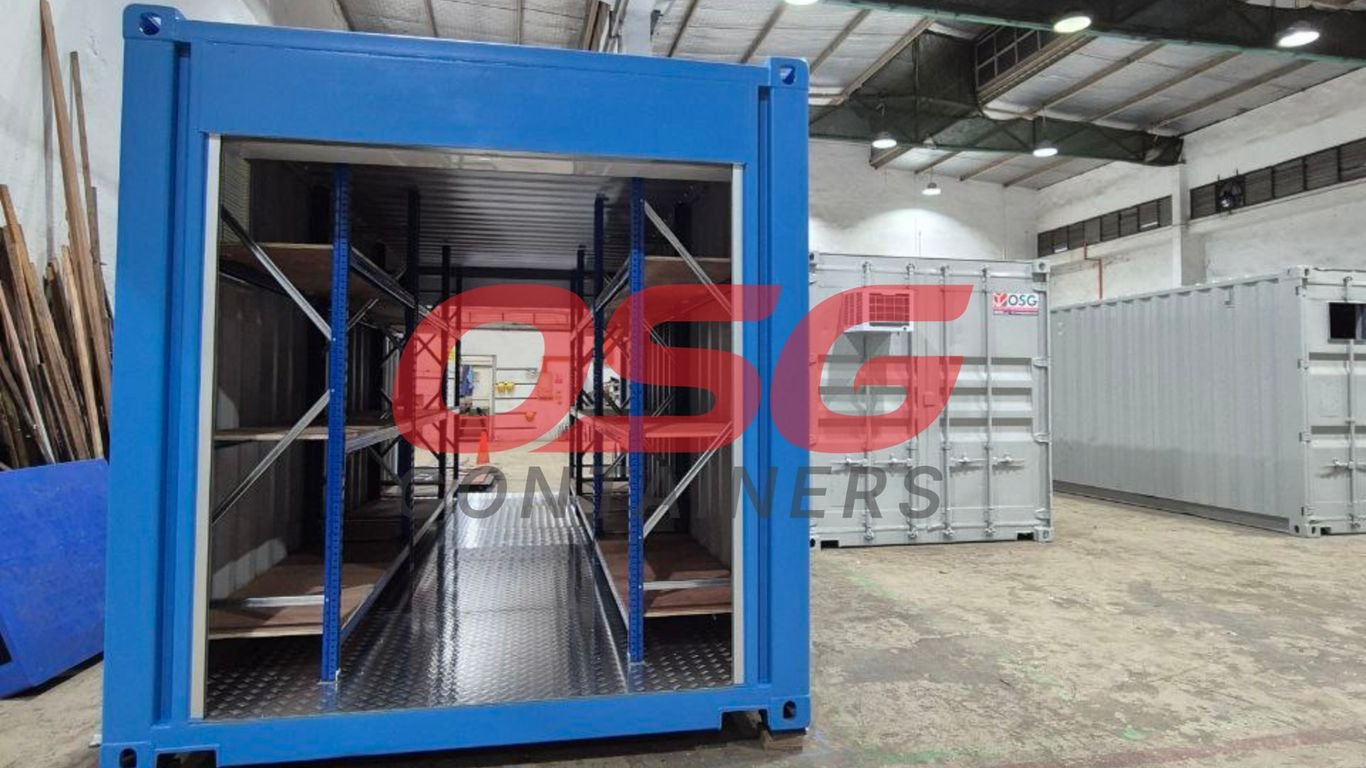
So, you’ve found a container, but it’s not quite perfect for what you need right out of the box. That’s where modification services come in. Think of it like buying a house – you might want to knock down a wall or add a window, right? Containers are super adaptable, and many sellers know this. They can often add things like extra doors, windows, insulation, ventilation systems, shelving, or even basic electrical wiring.
It’s a good idea to ask about these services upfront, especially if you’re planning to use the container for something specific, like an office, workshop, or even a small shop. Trying to do these modifications yourself can be a real headache if you’re not handy, and sometimes it’s more cost-effective to have the seller handle it before delivery.
Here are some common modifications you might consider:
- Adding Doors and Windows: For better access and natural light.
- Insulation and Ventilation: To control temperature and air quality, making it more comfortable inside.
- Shelving and Storage Solutions: To organize your items efficiently.
- Electrical Wiring: For lighting, power outlets, or heating/cooling units.
When discussing modifications, be clear about your needs. A seller experienced in modifications can often suggest practical solutions you might not have thought of, saving you time and potential issues down the road. They’ll know how to reinforce structures properly and ensure everything is sealed up tight.
12. Security Options
When you’re looking at shipping containers for sale, don’t forget to think about how you’ll keep your stuff safe inside. Most containers come with basic lockable doors, which is a start, but if you’re storing anything valuable – like tools, equipment, or inventory – you’ll probably want to beef things up.
Upgrading your container’s security is a smart move to prevent theft and give you peace of mind.
Here are some common security features to ask about:
- Lockboxes: These are basically metal cages welded onto the container doors that completely cover the padlock. It makes it much harder for someone to cut off your lock.
- High-Security Padlocks: Not all padlocks are created equal. Look for heavy-duty, weather-resistant models specifically designed for shipping containers.
- Crossbar Locks: These systems often involve a bar that spans across the doors, secured with a heavy-duty lock. They offer a very robust layer of protection.
- Alarm Systems: For extra sensitive items, some people even install basic alarm systems that can be triggered if the doors are opened.
It’s a good idea to ask the seller if they can install these security options before the container is delivered. Getting it done at the factory is usually easier and cheaper than trying to add it yourself later. Think about what you’ll be storing and how much risk is involved – that will help you decide which security measures are right for you.
13. Accessories
So, you’ve got your shipping container picked out. Awesome! But before you sign on the dotted line, let’s talk about the little extras – the accessories. These aren’t just fancy add-ons; they can seriously boost how useful your container is and keep what’s inside safe and sound. Think of them as upgrades for your steel box.
Depending on what you’re planning to do with your container, you might need a few things to make it work better for you. If it’s going to be a workshop, a small office, or even a cool little cafe, accessories are a must. Don’t overlook these items, as they can make a big difference in functionality and security.
Here are some common accessories to consider:
- Lockboxes: These are metal cages that go over your container’s padlock, making it much harder for someone to cut it off. Super important if you’re storing anything valuable.
- Vents: Shipping containers can get pretty stuffy and humid inside, especially if you’re storing things that could be affected by moisture. Vents help with airflow, preventing condensation and keeping the air fresh.
- Windows and Doors: Need to pop your head in or let some light in? Adding windows or even a different type of door, like a roll-up door (think garage door style), can make your container much more accessible and user-friendly.
- Shelving and Racking: If you plan on storing a lot of smaller items, adding shelves or racks can help you organize everything and make better use of the vertical space.
When you’re talking to sellers, ask them what accessories they have available. Some might even be able to install them before delivery, which is a huge time-saver. It’s worth the extra chat to see how these additions can make your container truly fit your needs.
14. Flooring Integrity
When you’re looking at a shipping container, don’t forget to check out the floor. This is super important, especially if you plan on storing anything sensitive or if you’re converting the container for a specific use.
The flooring is typically made of thick marine-grade plywood, and its condition can tell you a lot about the container’s overall history and how well it’s been maintained.
Here’s what to look for:
- Damage and Wear: Walk around on the floor. Are there any soft spots, cracks, or deep gouges? These could mean water has gotten in, leading to rot or mold. Significant damage might mean you’ll need to replace the flooring, which can be a hassle and add unexpected costs.
- Moisture and Stains: Look closely for any signs of water damage, dark stains, or mold. If the floor feels damp or smells musty, it’s a red flag. This could indicate past leaks or poor ventilation.
- Chemical Residue: Used containers have carried all sorts of goods. Some might have transported chemicals or other substances that could leave residue on the floor. Check for any unusual stains or smells that might suggest a need for thorough cleaning before you use the container.
- Levelness: Make sure the floor is relatively level. If it’s warped or uneven, it could be a sign of structural issues with the container’s frame or cross members. This can also make it difficult to place items evenly inside.
Keeping the container slightly elevated off the ground is a good idea. This helps prevent standing water from accumulating underneath, which can eventually lead to rust on the steel supports and damage to the wooden floor. It’s a simple step that can really extend the life of your container’s base.
15. Chemical Residue
When you’re looking at used shipping containers, it’s really important to think about what they might have carried before. Some containers have transported all sorts of things, including chemicals, some of which could be hazardous or leave behind nasty residues. This isn’t just about a bad smell; it can affect how you can use the container later on.
You need to be aware that the flooring, often made of marine-grade plywood, can soak up spills or even retain traces of pesticides from past fumigation. If you plan to use the container for storing sensitive items, like food, or if you’re converting it into a living space or workshop, this is a big deal. You don’t want any lingering toxins.
Here’s what to look out for:
- Obvious Stains or Spills: Check the floor and walls carefully for any discolored patches or signs of leakage. Sometimes these are hard to spot, especially if they’ve been painted over.
- Lingering Odors: Give the inside a good sniff. A strong, persistent chemical smell is a definite red flag. Even if you can’t see anything, a bad odor means something might be there.
- Previous Cargo Documentation: If possible, ask the seller about the container’s history. Knowing what it typically carried can give you a clue about potential residues.
Dealing with chemical residue can be a hassle and an added expense. You might need professional cleaning, which can be costly, or you might have to replace the flooring altogether. It’s definitely something to factor into your decision and the overall cost.
If a container has a history of carrying hazardous materials, it might be best to steer clear unless you have a clear plan and budget for decontamination. Sometimes, the risk and cost just aren’t worth it, and finding a cleaner unit is the smarter move.
16. Foundation Preparation
So, you’ve found the perfect shipping container. Awesome! But before it arrives, let’s talk about where it’s going to sit. This isn’t just about aesthetics; it’s about making sure your container lasts and doesn’t turn into a rust bucket.
Putting your container on a solid foundation is super important. Seriously, don’t skip this step. A good base prevents all sorts of problems down the road.
Here’s the lowdown on what you need:
- Level Ground: The site needs to be as flat as possible. If it’s sloped, water can pool, and that’s bad news for the metal.
- Stable Surface: Think concrete slabs, sturdy gravel pads, or even heavy-duty pier blocks. Grass or uneven dirt? Not ideal. Water gets underneath, and you’ll start seeing corrosion.
- Drainage: Make sure water can run away from the container. You don’t want it sitting in a puddle.
- Elevation: If your area is prone to flooding, consider raising the container a bit. Even a few inches can make a big difference.
Why all the fuss? Well, an unstable or improperly prepared foundation can lead to:
- Structural Stress: Uneven support can warp the container’s frame over time.
- Corrosion: Water and moisture trapped underneath are a direct path to rust.
- Pest Issues: Gaps under the container can become homes for critters.
Think of it like building a house. You wouldn’t just plop it down on soft mud, right? The foundation is what keeps everything stable and protected. Your container deserves the same respect.
If you’re unsure about the best way to prepare your site, it’s always a good idea to consult with someone who knows about construction or site preparation. They can help you figure out the best solution for your specific location and needs.
17. Maintenance Recommendations
Even though shipping containers are built tough, they still need a little TLC to keep them in good shape for years to come. Think of it like owning a car; you wouldn’t just drive it until it breaks down, right? Same idea here.
Regular upkeep is key to making sure your container lasts and doesn’t turn into a rust bucket.
Here are some basic things you should be doing:
- Check for Rust: Keep an eye out for any rust spots, especially around seams, corners, and door hinges. Small spots can be treated and repainted before they become a big problem.
- Clear the Roof: Don’t let leaves, branches, or standing water pile up on the roof. This can lead to corrosion and potential leaks over time.
- Lubricate Doors: The doors on these things get used a lot. A little grease on the hinges and locking mechanisms will keep them swinging smoothly and prevent sticking.
- Inspect Seals: Make sure the rubber seals around the doors are in good condition. If they’re cracked or worn, they won’t keep the wind and water out as well as they should.
If you’re in a really damp or humid area, you might want to think about adding some ventilation or even a dehumidifier inside. Moisture is the enemy of metal, and you want to keep it out to prevent mold and rot.
Ask the seller if they have any specific tips for the type of container you’re buying. They’ve been doing this for a while and might know a thing or two about what works best.
18. Reputable Company
When you’re looking to buy a shipping container, it’s super important to find a company you can actually trust. Seriously, there are a lot of folks out there selling containers, especially online through places like Facebook or Craigslist, and not all of them are on the up-and-up. Some are just commission-based salespeople who might not know much about the containers themselves or the industry. They might work for a company that hasn’t been around very long, which can be a red flag.
Look for companies with a solid history and good reviews. A company that’s been in business for a while and has positive feedback from past customers is usually a safer bet. You want to avoid sellers who make promises that sound too good to be true, or those who try to pass off lower-grade containers as something they’re not. It’s also a good sign if they have clear terms and conditions on their website and are transparent about their warranty policies.
Here are a few things to watch out for:
- Companies that don’t have a website or clear contact information.
- Sales reps who give you warranty information that doesn’t match the company’s official terms.
- Sellers who can’t provide references or have no online reviews (like on Google or the Better Business Bureau).
- Dealers who don’t show actual pictures of the containers they’re selling.
Buying a shipping container is a big purchase, and you want to make sure you’re getting what you pay for. A trustworthy company will be upfront about the container’s condition, its history, and any potential issues. They should be happy to answer all your questions and help you find the right container for your needs, not just push you to buy the first thing they can.
Don’t be afraid to ask for references or check out their online reputation. A little bit of research upfront can save you a lot of headaches down the road.
19. Container Type
When you’re looking for a shipping container for sale, it’s easy to just think "big metal box." But hold up, there are actually quite a few different types of shipping cargo containers for sale, and picking the right one for your needs is pretty important. It’s not just about size; it’s about how the container is built and what it’s designed to do.
The most common type you’ll see is the standard dry storage container. These are your workhorses, built for general storage and shipping. They’ve got one set of doors at one end and come in standard lengths like 20 or 40 feet. They’re usually 8 feet wide and 8.5 feet tall.
But what if your needs are a bit different? You might want to look at other options:
- High Cube Containers: These are just like standard dry storage containers, but they’re about a foot taller, giving you extra vertical space. Great if you need to stack things or store taller items.
- Open Top Containers: These have a removable roof, usually made of tarpaulin. Perfect for cargo that needs to be loaded from the top, like machinery or oversized items that won’t fit through a standard door.
- Flat Rack Containers: These have no side walls or roof, just a base and two end walls that can often fold down. They’re designed for really bulky or oddly shaped items that can’t fit into a regular container, like boats or large construction equipment.
- Open Side Containers: As the name suggests, these open up completely on one side, making it super easy to load and unload large items or to access inventory if you’re using it as a temporary shop or storage unit.
Choosing the right container type from the get-go can save you a lot of headaches down the road. Think about what you’ll be putting inside and how you’ll be accessing it. Don’t just grab the first shipping container for sell you find without considering these variations.
So, before you commit to buying a shipping container for sale, take a moment to figure out which type best suits your project. It’ll make your life a whole lot easier.
20. New vs. Used Containers
When you’re looking to buy a shipping container, one of the first big decisions you’ll face is whether to go for a brand-new unit or a pre-owned one. Both have their own set of pros and cons, and what’s right for you really depends on your budget and what you plan to do with the container.
New containers, often called ‘one-trip’ containers, have only made a single journey from the factory to their current location. This means they’re in pristine condition, with minimal to no wear and tear. They’re built to last and will likely give you the longest service life. However, this top-notch condition comes with a higher price tag. If your project demands the absolute best and you’re not worried about the initial cost, a new container is a solid choice.
Used containers, on the other hand, have seen a bit more action. They’ve been around the block, possibly for years, carrying cargo across oceans. Because of this, they’re generally more affordable, which can be a huge plus if you’re trying to save money. Don’t let the ‘used’ label fool you, though. These containers are built tough, made from durable steel, and with proper maintenance, they can still last for decades. You might find some cosmetic issues like dents or rust spots, but these usually don’t affect the container’s structural integrity or its ability to serve as storage. It’s important to remember that even used containers are incredibly robust.
Here’s a quick rundown:
- New Containers:
- Pristine condition, no prior use.
- Longest potential lifespan.
- Higher initial cost.
- Ideal for projects where appearance and longevity are paramount.
- Used Containers:
- More budget-friendly.
- May have cosmetic imperfections (dents, rust).
- Still very durable and can last for many years.
- Great for storage, workshops, or projects where minor wear is acceptable.
When considering a used container, it’s really about finding a balance. You’re trading that ‘factory fresh’ look for significant cost savings. The key is to inspect them carefully to make sure any wear and tear doesn’t compromise their core function for your specific needs. A container that’s retired from shipping service is still a workhorse for land-based applications.
21. Structural Integrity
When you’re looking at a shipping container, especially a used one, checking its bones is super important. Think of it like buying a house – you wouldn’t just look at the paint job, right? You’d want to know if the foundation is solid and the walls aren’t about to fall down.
Shipping containers are built tough, with a strong frame and corner posts that handle all the stacking and moving. But over time, especially with older units, things can get a bit… wobbly. You need to look for any signs of damage to that core structure. This means checking the corner castings – those big metal bits at each corner – to make sure they aren’t cracked or bent. Also, give the main frame rails a good once-over. Are they straight? Any major dents or rust holes that go all the way through? These aren’t just cosmetic issues; they affect how the whole container holds up.
Here’s a quick rundown of what to focus on:
- Corner Castings: These are critical for lifting and stacking. Look for cracks, severe dents, or signs of repair that look sketchy.
- Main Frame Rails: Check the top and bottom rails that run along the sides. They should be straight and free of significant rust perforation.
- Cross Members: These are the beams underneath the floor. Make sure they aren’t bent or rusted through, as they support the floor and the container’s base.
- Corrugated Walls: While designed to be strong, severe dents or large rust patches can weaken them over time.
The real deal-breaker for structural integrity is any damage that compromises the container’s ability to be lifted safely or to withstand the forces it’s designed for. If you plan on stacking containers or using it for anything that puts stress on the structure, this is non-negotiable.
Don’t just assume a container is okay because it looks decent from a distance. Get up close, tap on the metal, and really inspect those key structural points. A little bit of surface rust is usually fine, but anything that looks like it’s eating into the metal or bending the frame is a big red flag. It’s better to walk away from a container with structural problems than to buy a money pit.
22. Local Regulations
Before you even think about buying a shipping container, you really need to check out what the rules are in your specific town or county. It sounds like a hassle, but trust me, it’s way better than dealing with fines or being told you have to move it later. Most places treat a container sitting on your property like a permanent structure, which means it has to follow all the same zoning laws and building codes as a regular building. This can get complicated fast.
Here’s the lowdown on what you might run into:
- Permits: You might need a permit just to put the container on your land. This is especially true if you’re planning to use it for something more than just temporary storage, like turning it into a workshop, office, or even a home.
- Zoning Laws: Your local zoning rules will dictate where you can place a container, how big it can be, and sometimes even what color it needs to be. Some areas might not allow them at all, especially in residential neighborhoods.
- Building Codes: If you’re modifying the container for living or working space, it will likely need to meet specific building codes for safety, insulation, and utilities.
- Utility Hookups: If you plan to run electricity or plumbing to your container, you’ll need to make sure you can get the proper permits and inspections for that too.
It’s a common mistake to assume a container is just a big metal box that can go anywhere. But in the eyes of local government, it’s often considered real estate. Failing to get the right approvals beforehand can lead to hefty fines and the costly task of removing the container entirely. Always start by calling your local planning or building department.
Some sellers might have a general idea of common regulations, but they aren’t legal experts for your area. It’s your responsibility to confirm all local requirements directly with your municipal or county authorities. Don’t skip this step; it’s a big one.
23. Surveyor Service
When you’re looking to buy a shipping container, especially if you’re planning to use it for something more than just basic storage, you might wonder about getting a surveyor involved. A surveyor is basically an expert who checks out the container’s condition. They’ll look at things like its structural integrity, whether it’s truly watertight, and if it meets certain industry standards.
For most people buying a container for on-site storage or a simple project, hiring a surveyor isn’t usually necessary. Reputable sellers will often guarantee their containers are wind and watertight, and structurally sound. If you’re buying a used container, a quick visual inspection yourself or asking for detailed photos and videos from the seller usually does the trick.
However, there are specific situations where a surveyor’s report becomes important:
- Exporting Cargo: If you plan to ship goods overseas using the container, it absolutely must meet specific cargo-worthy standards. A surveyor can certify this.
- Complex Modifications: If you’re planning major structural changes to the container for a home or a specialized business, a surveyor can assess the impact of these modifications on its overall strength.
- Disputes with Seller: If you have serious doubts about the container’s condition and the seller isn’t being transparent, a third-party surveyor can provide an unbiased assessment.
- Insurance Purposes: For certain high-value uses or if required by an insurer, a professional survey might be needed to document the container’s condition.
Getting a container surveyed can add time and cost to your purchase. It’s really only a worthwhile investment if your intended use demands a high level of certification or if you’re dealing with a seller you’re not entirely sure about. For typical storage needs, focus on clear communication with the seller and a thorough personal inspection.
24. Overhead Obstructions
When you’re getting ready to have your shipping container delivered, it’s super important to think about what’s above your chosen spot. Delivery trucks, especially the ones that tilt or use cranes, need a lot of room to maneuver and place the container. Low-hanging power lines, tree branches, or even parts of a building can cause major problems.
Here’s what to look out for:
- Power Lines: These are a big one. Make sure the delivery path and the final placement area are well clear of any overhead electrical wires. You don’t want the truck getting tangled up or causing an outage.
- Tree Branches: Overgrown trees can be a real nuisance. Trim them back if they’re likely to get in the way of the truck’s boom or the container itself during placement.
- Building Eaves or Roof Overhangs: If you’re placing the container near a structure, check that the roofline won’t interfere with the lifting or tilting process.
It’s not just about the truck; think about the container’s path as it’s being lifted and lowered. Sometimes, the angle of the lift can bring the container closer to overhead obstacles than you might initially expect. Always err on the side of caution and ensure there’s ample clearance all around.
Don’t forget to walk the entire route the truck will take onto your property. Sometimes the entrance or driveway might seem fine, but there could be a surprise obstruction further down the line. A quick check beforehand can save you a lot of hassle, potential damage, and extra fees for a failed delivery attempt.
25. Purchase Price and more
So, you’ve checked the condition, the material, and made sure it’s watertight. Now comes the part that really gets people thinking: the price. It’s easy to get fixated on just the sticker price, but honestly, that’s just the beginning of the financial picture.
Don’t just look at the number; look at what’s included. A container that seems a bit pricier upfront might actually save you money in the long run if it includes delivery, taxes, and any necessary permits. Always ask for a delivered price to avoid those "surprise" fees that seem to pop up out of nowhere.
Here’s a quick breakdown of what can affect the final cost:
- Container Grade: New (one-trip) containers cost more than used ones. Cargo-worthy and wind-and-watertight (WWT) grades fall somewhere in between.
- Size and Type: A 40-foot high cube will naturally cost more than a standard 20-foot container.
- Delivery Fees: This can vary wildly depending on distance and the type of truck needed (tilt-bed, crane).
- Modifications: If you’re planning to turn it into an office or workshop, factor in the cost of windows, doors, insulation, and labor.
- Permits and Zoning: Some areas require permits, which add to the overall expense.
When you’re comparing prices, make sure you’re comparing apples to apples. A super cheap "as-is" container might seem like a steal, but if it needs major repairs to be usable, you’ll end up spending way more than you would have for a slightly more expensive, but solid, unit. Think about the total cost of ownership, not just the initial purchase.
Beyond the price tag, consider the seller’s transparency. Do they clearly outline all costs? Are they upfront about the container’s history and condition? A reputable seller will be happy to break down the costs and answer all your questions. It’s better to pay a little more for peace of mind and a container that’s truly fit for your purpose.
Wrapping It Up
So, you’ve made it to the end. Buying a shipping container might seem straightforward, but as we’ve seen, there’s quite a bit to think about. Asking the right questions upfront, like about the container’s condition and material, can really save you headaches down the road. Don’t forget to check out the seller’s reputation and understand their delivery process. A little bit of homework now means you’ll end up with a solid container that works for whatever you need it for, without any nasty surprises. Happy container hunting!
Frequently Asked Questions
Can I see the container before I buy it?
Yes, if possible, you should definitely try to see the container in person. This way, you can check its condition yourself. If you can’t visit, ask for clear photos or a video of the exact container you’re thinking of buying.
What are the different conditions a container can be in?
Containers are usually sold as ‘new’ (or one-trip), ‘cargo-worthy’ (good for shipping), ‘wind and watertight’ (good for storage), or ‘as-is’ (may have damage). Knowing the condition helps you pick the right one for your needs.
What is the container made of, and why does it matter?
Most good containers are made of Corten steel, which is strong and resists rust. It’s important to check the material, especially for used containers, to make sure it’s durable and won’t have problems later.
Do I need to worry about permits or local rules?
Yes, you might need a permit depending on where you live and how you plan to use the container. Some places treat containers like permanent buildings and have specific laws. It’s best to check with your local city or county.
What should I know about delivery?
Ask the seller about how they deliver, how long it takes, and what it costs. You also need to make sure you have enough space for the delivery truck to get to your spot and unload the container safely. Check for things like power lines or trees that could get in the way.
How should I take care of my container?
Even though containers are tough, they need some care. Ask the seller for tips on how to maintain it. This might include checking for rust, cleaning the roof, and keeping the doors working smoothly so it lasts a long time.


