
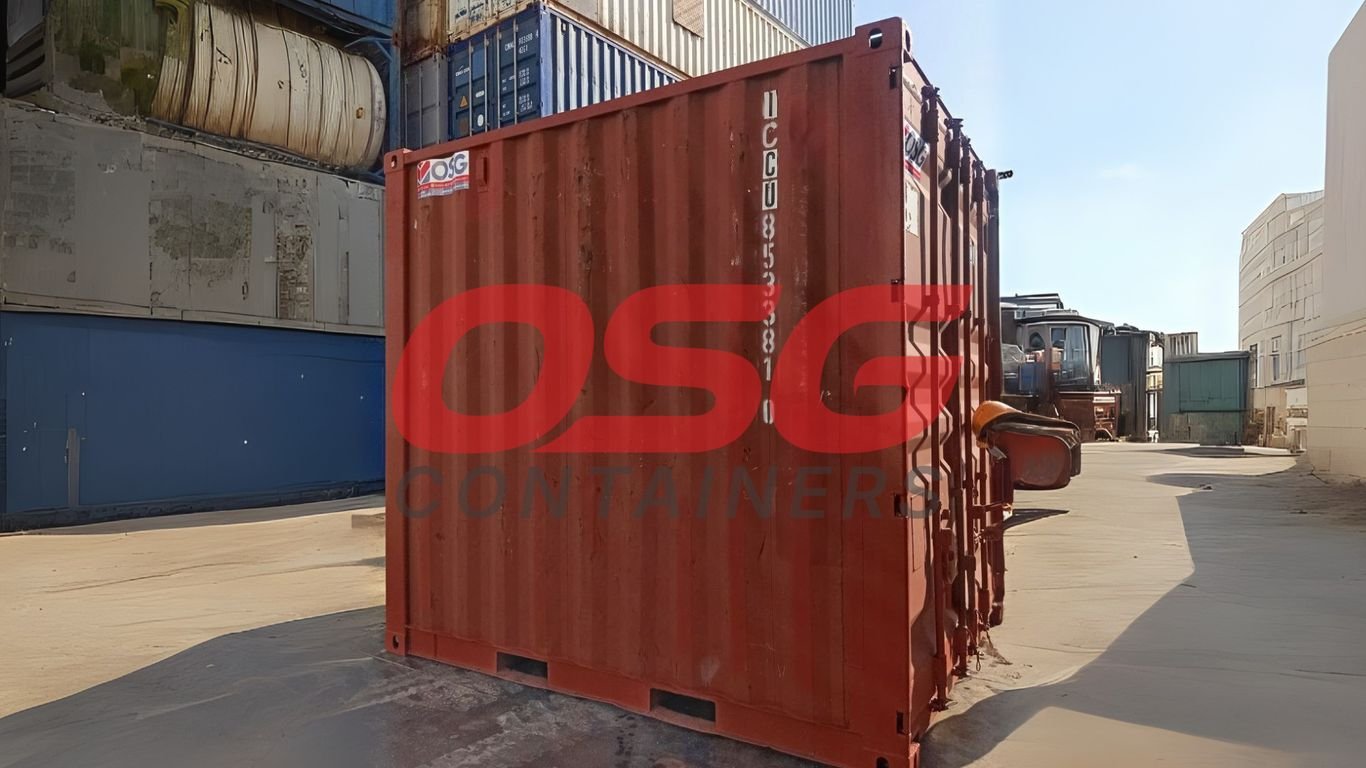
Thinking about buying a shipping container? It’s a smart move for storage, building projects, or even a unique business space. But with so many options out there, it’s easy to get lost. This guide breaks down what you need to know before you buy, making sure you find the right container without any hassle. We’ll cover everything from figuring out what you need to making sure you’re dealing with a legit seller. Let’s get started on finding your perfect shipping containers for sell.
Key Takeaways
- Figure out exactly what you’ll use the container for before you start looking. This helps you pick the right size, condition, and features.
- Understand the different grades of containers: ‘one-trip’ are almost new, ‘cargo-worthy’ are good for moving, and ‘wind and watertight’ are best for basic storage.
- Know all the costs involved. It’s not just the container price; think about delivery, taxes, and any changes you want to make.
- Always check out sellers online. Look for reviews and a good business history. If a deal seems too good to be true, it probably is.
- Inspect the container before you buy. Ask for photos or videos and check for any damage or wear and tear.
Understanding Your Needs Before Buying Shipping Containers
So, you’re thinking about buying a shipping container. That’s pretty cool! People are using these things for all sorts of projects these days, not just shipping stuff across the ocean. But before you start clicking around online or calling up sellers, it’s a good idea to figure out exactly what you need. It’s like going to the grocery store without a list – you might end up with a cart full of random stuff you don’t really want.
Determine Intended Use: Storage, Home, or Business
First off, what are you going to do with this container? This is the biggest question. Are you just looking for a place to stash some extra junk in the backyard? Or are you dreaming bigger, like building a tiny home, a workshop, or even a small business space? Your answer here really shapes everything else.
- Storage: If you just need a secure spot for tools, equipment, or seasonal items, a basic container might be perfect. You’ll want something that’s wind and watertight, but maybe not cosmetically perfect.
- Living Space/Office: If you’re planning to convert it into a dwelling, studio, or office, you’ll need to think about insulation, windows, doors, and electrical work. This means you’ll likely want a container in better condition, maybe a ‘one-trip’ or ‘cargo-worthy’ grade.
- Business/Retail: For a pop-up shop or a unique business front, appearance might matter more. You’ll also need to consider accessibility for customers and how you’ll display your products.
Key Questions to Ask Before Buying
Before you even start looking at specific containers, sit down and really think about these questions. Getting clear on these points now will save you a lot of headaches later.
- What exactly will you store or do inside? Knowing this helps determine size, condition, and any special features needed (like ventilation or extra doors).
- Where will the container be located? Consider weather exposure, ground stability, and accessibility for delivery.
- How long do you plan to use it? A short-term storage need might allow for a more used container, while a long-term project might require something more robust.
- What’s your budget, including delivery and any modifications? Don’t forget to factor in the total cost, not just the sticker price.
Feature Considerations Table
Different uses call for different features. Here’s a quick look at how your intended use might influence what you need:
| Factor | Storage Use | Living/Workspace Use | Business/Retail Use |
|---|---|---|---|
| Condition | Wind & Watertight (WWT) or Cargo Worthy (CW) | One-Trip or Cargo Worthy (CW) | One-Trip or Cargo Worthy (CW) |
| Size | 20ft or 40ft common | 20ft, 40ft, or High Cube (HC) for more headroom | 20ft or 40ft common |
| Modifications | Minimal (e.g., extra lock) | Insulation, windows, doors, electrical | Windows, doors, shelving, custom finishes |
| Appearance | Less important | Can be important | Often very important |
| Ventilation | May need basic vents | Important for air quality | Important for customer comfort and product care |
Buying a shipping container is a big decision, and it’s easy to get caught up in the excitement of a new project. However, taking a step back to clearly define your needs and consider all the practical aspects upfront is the most important part of the process. This groundwork will guide you toward making a smart purchase that truly fits your goals and budget.
Finding Reputable Sellers for Shipping Containers for Sell
So, you’ve decided you need a shipping container, maybe for storage, a cool backyard office, or something else entirely. Great! Now comes the part where you actually find someone to buy it from. This can feel a bit like the wild west sometimes, with so many options out there. It’s really important to find a seller you can trust, because a bad deal can turn a good project into a real headache. Don’t just jump at the first listing you see.
Conducting Thorough Online Searches
Start with a good old-fashioned internet search. Type in phrases like "shipping containers for sale near me" or "cargo shipping containers for sale." Look for companies that have professional-looking websites. A good website usually means they’re serious about their business. Check if they list prices clearly or at least explain how to get a quote. Also, see if they have a physical address and a phone number listed – that’s usually a good sign.
Evaluating Seller Reputation and Reviews
Once you’ve found a few potential sellers, dig a little deeper. Look for customer reviews on their website or on third-party sites. Do people seem happy with their purchases? Are there a lot of complaints about delivery or the condition of the containers? A seller with a solid history and positive feedback is generally a safer bet. If a company has been around for a while, that’s often a good indicator too.
Here’s a quick way to check:
- Website Professionalism: Does it look legit? Are contact details easy to find?
- Customer Feedback: What are others saying? Look for patterns in reviews.
- Years in Business: Longevity can suggest reliability.
Identifying and Avoiding Common Scams
Unfortunately, there are scams out there. If a price seems way too low compared to others, be very suspicious. Scammers often use fake websites, don’t show actual photos of the shipping container for sale you’re interested in, and might ask for payment via wire transfer or e-transfer without a proper invoice. Always ask for photos or videos of the specific unit you’re considering. A legitimate seller will be happy to provide them. They should also be able to answer questions about the container’s history and its condition.
Always remember that buying a shipping container is a significant purchase. Taking the time to research sellers and ask plenty of questions upfront can save you a lot of trouble and money down the line. Don’t rush the process; a little patience now means a better outcome later.
The Importance of Inspection Before Purchasing
Buying a shipping container without seeing it first is a bit like buying a used car without kicking the tires. You might get lucky, but you could also end up with a real clunker. Taking the time to properly check out a container before you hand over your cash can save you a world of headaches and unexpected costs down the road. Whether you’re buying locally or arranging delivery from afar, a little due diligence goes a long way.
Requesting Detailed Photos or Videos
If you can’t physically be there to check out the container yourself, don’t just settle for generic stock photos. A seller who’s on the up-and-up will be happy to provide you with specific images or even a video walkthrough of the exact unit you’re considering. This gives you a much better feel for its actual condition. Look for:
- Clear shots of all four exterior walls.
- Close-ups of the doors, including the seals and locking mechanisms.
- Photos of the interior floor and ceiling.
- Images highlighting any potential rust spots or dents.
Inquiring About Previous Container Usage
Knowing what a container has hauled in the past can tell you a lot about its current state and whether it’s suitable for your needs. Some uses are tougher on a container than others. Ask about:
- Was it used for food-grade products? This usually means it’s cleaner and less likely to have lingering odors or residues.
- Did it transport chemicals or hazardous materials? If so, you’ll want to be extra cautious about potential contamination, especially if you plan to use it for storing sensitive items or as a living space.
- Was it primarily used for general cargo or long-haul shipping? This gives you an idea of its general wear and tear.
Understanding a container’s history is key. A unit that hauled dry goods across the country will likely show more wear than one that made a single trip with specialized equipment. Don’t be shy about asking detailed questions; a seller who is transparent about past usage is usually a good sign.
Checking for Structural Integrity and Damage
This is where you really want to scrutinize the container. Even if it looks okay from a distance, up close you need to check for specific issues that could compromise its usability or longevity. Here’s a quick checklist:
Don’t be afraid to ask for clarification on any points you’re unsure about. A good seller wants you to be confident in your purchase.
- Doors and Seals: Do the doors open and close smoothly? Are the rubber seals intact and flexible, or are they cracked and brittle? This is vital for weatherproofing.
- Floor: Check the flooring (usually plywood) for rot, delamination, or significant damage. Are there any soft spots when you walk on it?
- Roof and Walls: Look for any major dents, holes, or buckling. While minor cosmetic issues are common, structural damage is a red flag.
- Corner Castings: These are the reinforced corners used for lifting and securing. Ensure they are not bent or damaged.
Assessing Container Condition and Quality
Alright, so you’ve found a container that seems to fit the bill. Now comes the part where you really need to put on your detective hat. It’s not enough for it to just look like a container; you need to know it’s solid and won’t fall apart on you. This is where you check for the nitty-gritty details that separate a good deal from a headache.
External Inspection: Rust and Damage
First things first, give the outside a good once-over. You’re looking for rust, obviously, but not all rust is created equal. A few little surface spots? Probably fine, especially if it’s a used container. You can usually deal with that. But if you see rust that’s eating through the metal, especially along the bottom edges, roof seams, or around the doors, that’s a big warning sign. That kind of rust can weaken the whole structure. Also, keep an eye out for dents. Small dings are normal, but big, deep ones, particularly on the roof, can create dips where water sits, which just leads to more rust down the line. Make sure the doors open and close without a fight. If they’re sticking or don’t line up right, it could mean the frame itself is bent.
Container Material and Durability
Most shipping containers are made from something called Corten steel. It’s supposed to be tough and hold up well against the weather, which is why it’s used for these things. But even Corten steel can rust if it’s not looked after or if it’s been through a lot. So, while you’re checking for rust and dents, remember that the material itself is designed for durability. A container that’s been through a lot of rough trips might have more wear and tear than one that’s only made a few journeys. It’s all about how it’s held up over time.
Internal Conditions and Floor Integrity
Now, let’s head inside. The floor is super important. Most containers have thick plywood floors, and over time, these can get damaged. You need to check for any signs of rot, warping, or big gouges. If the floor is soft in spots or looks like it’s seen better days, that’s a problem. Replacing a floor can be a real pain and cost a good chunk of change. Also, check the walls and ceiling inside. Look for any new rust spots, holes, or signs of leaks. Sometimes, you might notice peeling paint or discoloration, which can point to water damage or poor maintenance. And don’t forget to sniff around! Any weird, musty smells could mean mold or mildew, often caused by moisture getting in. You also want to check the door seals – make sure they look intact and not all cracked or torn, as this is your main defense against the elements.
When you’re inspecting the inside, pay close attention to the corners and seams. These are common spots where moisture can get trapped, leading to rust or rot over time. A quick look might miss these, so really get in there and check.
Here’s a quick rundown of what to look for inside:
- Floor: Check for rot, soft spots, water damage, or large cracks in the plywood.
- Walls & Ceiling: Look for rust-through, holes, significant dents, or signs of leaks.
- Doors & Seals: Ensure doors operate smoothly and that rubber seals are intact and not brittle or torn.
- Odors: Be aware of any strong musty, chemical, or moldy smells.
How to Find the Best Deals on Cargo Containers for Sale Near You
So, you’re on the hunt for a shipping container, and you want to make sure you’re not overpaying. That’s smart. The price tag on a container isn’t just about the unit itself; it’s also about where it comes from and how it gets to you. Let’s break down how to snag a good deal.
Research Local Container Yards and Suppliers
Forget just typing "containers for sale" into your search bar and clicking the first link. Location really matters here. Shipping costs can add up fast, so looking for container yards within a reasonable driving distance is your first move. These places are like the local hubs for containers, usually stocking both new and used ones. While many have websites, it’s often worth a trip. You can actually see the container, check out the doors, and get a feel for the floor condition. Plus, you can ask about its history – did it just make one trip from the factory, or has it been bouncing around the globe for years? Knowing this helps you figure out if the price is right.
Compare Vendors and Delivery Options
Not all sellers are created equal, and this is where you can really save some cash. Some companies might advertise a low price, but then hit you with hefty delivery fees. Others might include delivery within a certain radius or offer discounts if you buy more than one. Always get detailed quotes that break down the container cost and the delivery cost.
Delivery is often the biggest hidden cost, so don’t overlook it.
Think about it: a container that’s cheap but located hundreds of miles away could end up costing you more than a slightly pricier one that’s closer. Local suppliers often have their own trucks or work with local transport companies, which can cut down on expenses and make the whole process smoother.
Understanding Container Grades
When you’re looking at containers for sale, you’ll see different terms describing their condition. These grades are super important for understanding what you’re getting and why the price varies.
Here’s a quick rundown:
- One-Trip Containers: These are basically brand-new. They’ve only made one journey from the factory overseas. They’re in excellent condition, with minimal wear and tear, and are usually the most expensive option.
- Cargo-Worthy (CW): These containers have been used for shipping but are still considered structurally sound and watertight enough for transport. They might have a few dents or scratches but are good for many purposes.
- Wind and Watertight (WWT): These have been used extensively and are guaranteed to be free of holes and leaks. They’re great for storage on your property but might not be suitable for shipping.
- As-Is: These are sold at the lowest price and may have significant damage, rust, or other issues. They’re best for projects where the container’s appearance or structural integrity isn’t a major concern, or if you plan extensive modifications.
Choosing the right grade means balancing your budget with your needs. A one-trip container is ideal if you want a pristine unit for a home conversion, but a WWT container might be perfectly fine and much cheaper if you just need secure storage for tools on your farm.
Preparing for Container Delivery and Placement
Alright, so you’ve found the perfect shipping container and you’re ready for it to arrive. But hold on a second, before that big metal box shows up, there are a few things you absolutely need to sort out. Getting this part right means a smooth drop-off and a container that lasts. Messing it up? Well, that can lead to delays, extra costs, or even a container placed in a spot that just doesn’t work for you.
Site Preparation: Leveling and Access
First things first, where is this container going to live? The ground needs to be solid and level. Think about it – an empty 20-foot container can weigh over 5,000 pounds, and a 40-footer is even heavier. When you start loading it up, that weight goes way up. Placing it directly on soft dirt or grass is a recipe for disaster. The ground can shift, especially after rain, and that can cause the container to settle unevenly, which is bad for its structure. Plus, constant contact with damp soil can speed up rust. Most folks find that a foundation of compacted gravel or a concrete pad works best. It gives the container a stable, dry place to sit for years to come.
Also, think about how the delivery truck is going to get there. Is your driveway wide enough? Are there any low-hanging branches or power lines? You don’t want the truck getting stuck or damaging anything on its way in.
Delivery Truck Clearance and Ground Support
This is where you really need to measure twice and cut once, metaphorically speaking. Delivery trucks, especially the ones carrying large containers, need a good amount of space. We’re talking about the truck itself, plus the trailer it’s on, and the space needed to maneuver and offload the container. A standard semi-truck with a trailer can be quite long and wide.
Here’s a quick rundown of what to check:
- Width: Can the truck and trailer fit through your gate or any narrow points on your property?
- Height: Are there any overhead obstructions like tree branches, power lines, or garage doors that the truck might hit?
- Turning Radius: Can the truck make the necessary turns to get to the drop-off spot without scraping anything?
- Ground Stability: As mentioned, the ground where the container will be placed needs to be firm. If the truck has to drive over soft ground to get there, it might get stuck. Some delivery drivers have ramps or boards they can use, but it’s best if the path is already solid.
Don’t forget to ask your seller about the type of truck they’ll be using. A smaller truck might have an easier time accessing tighter spots, but it might not be able to handle a larger container. Knowing this beforehand helps you prepare your site properly.
Final Inspection Upon Placement
So, the truck has arrived, the container is offloaded, and it’s sitting pretty (or as pretty as a big metal box can be). Now what? Don’t just wave goodbye to the driver and walk away. Take a good, close look at the container right then and there. This is your last chance to catch any issues before the seller drives off.
- Check for New Damage: Look for any fresh dents, scratches, or bent metal that weren’t there in the photos or description. Sometimes things happen during transit.
- Test the Doors: Open and close both doors. Do they swing smoothly? Do they latch securely? You don’t want to get home and find out a door is warped or won’t close properly.
- Inspect the Floor: Give the floor a quick once-over. Make sure it looks solid and doesn’t have any obvious holes or soft spots.
- Verify the Condition: Does the container look like the one you agreed to buy? Check the grade and any specific features you discussed.
If you spot anything that doesn’t seem right, talk to the delivery driver immediately. They can often note the issue, and it’s your first step in resolving it with the seller. Catching problems at this stage saves a lot of hassle later on.
Wrapping It Up
So, you’re thinking about buying a shipping container. It’s a big step, and honestly, it can feel a bit overwhelming at first. There are a lot of options out there, and you want to make sure you get the right one for whatever you’re planning. Remember to figure out exactly what you need the container for before you start looking. Knowing the difference between container grades, like ‘one-trip’ versus ‘cargo-worthy,’ is super important for getting what you pay for. And don’t forget to factor in all the costs, not just the sticker price – delivery and any extras can add up. Always try to see pictures of the actual container you’re buying, and be wary of deals that seem too good to be true. Picking a seller you can trust is key. Do a little digging, check reviews, and make sure they’re upfront about everything. With a bit of homework, you’ll find a solid container that works for you without any major headaches.
Frequently Asked Questions
What’s the difference between container grades like ‘one-trip’ and ‘cargo-worthy’?
Think of ‘one-trip’ containers as almost new. They’ve only been used once to ship goods. ‘Cargo-worthy’ containers are older but still strong enough to be used for shipping. They might have a few dents or faded paint. For just storing things, ‘wind and watertight’ containers are a good, often cheaper, choice because they’re sealed up tight but aren’t certified for moving.
How do I figure out what size container I need?
It really depends on what you want to do with it. For basic storage or a small workshop, a 20-foot container might be enough. If you’re planning a bigger project like a home or a larger business space, a 40-foot container gives you twice the room. Always think about what you’ll put inside and if you need extra space for movement or insulation.
What costs are involved besides the price of the container itself?
Besides the actual price of the container, you’ll need to pay for delivery, which can change based on how far away you are and how easy it is to get to your spot. You might also have costs for any changes you want to make, like adding windows or insulation, and preparing the ground where the container will sit.
How can I be sure I’m buying from a trustworthy seller?
Do your homework online! Look for sellers with professional websites and good reviews from other customers. Be wary of prices that seem too low to be true. Always try to see actual photos or videos of the container you’re interested in, and make sure they have a clear way to contact them and a physical address.
Why is it important to inspect the container before buying?
Just like you wouldn’t buy a used car without checking it out, you should always inspect a shipping container. Ask for clear pictures or a video so you can look for any rust, damage to the floor, or doors that don’t close right. Knowing the container’s history, like what it was used for before, can also tell you a lot about its condition.
What are the different ways a shipping container can be delivered?
Most often, containers are delivered on a special truck called a roll-off trailer, which can lower the container onto your property. Some sellers might also let you pick up the container yourself if you have the right equipment. Choosing a seller close to you can often lower the delivery cost.


