
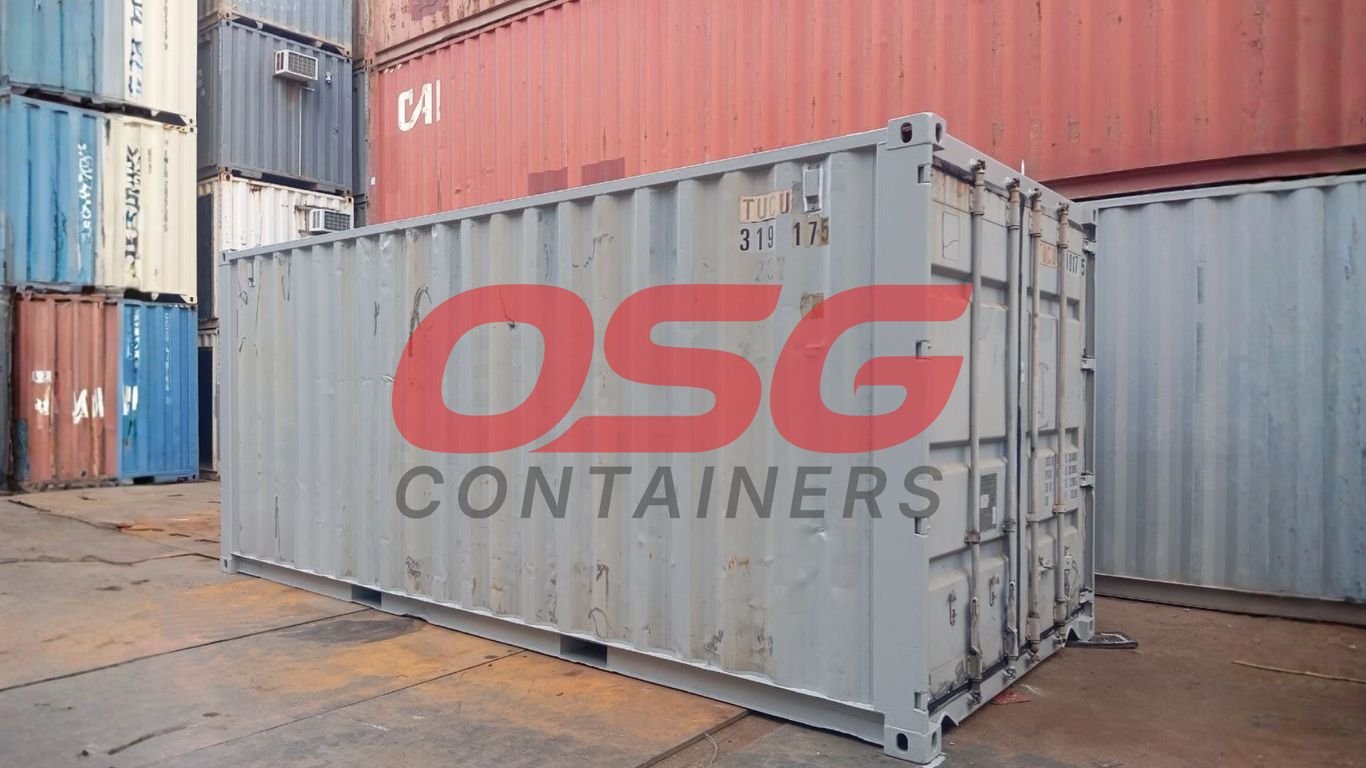
So, you’re thinking about buying a shipping cargo container for sale? That’s pretty cool. People are using them for all sorts of stuff these days, not just shipping things across the ocean. You see them as extra storage, little workshops, even homes. But honestly, not all containers are created equal. It can get a bit confusing with all the different types and conditions out there. You don’t want to end up with something that’s falling apart or not quite right for what you need. This guide is here to help you figure out what to look for so you get a good deal and a container that works for you.
Key Takeaways
- Figure out exactly what you’ll use the container for before you start looking at shipping cargo containers for sale. This will help you decide on the size and condition you need.
- Understand the different conditions: ‘one-trip’ (like new), ‘cargo-worthy’ (good for shipping), and ‘wind and watertight’ (best for land use). Don’t overpay for more than you need.
- Prices for shipping cargo containers for sale depend on size, how new or used it is, and if you need delivery or any changes made to it.
- Always check the container yourself. Look closely at the walls, roof, doors, seals, and floor for any damage or rust.
- Buy from sellers you can trust. Be wary of prices that seem too good to be true and always ask for pictures of the actual container you’re buying.
Understanding Shipping Container Grades
When you start looking for shipping containers, you’ll quickly find out they aren’t all created equal. People often think in terms of ‘new’ or ‘used,’ but there’s a whole spectrum in between, and understanding these grades is key to getting what you need without overpaying. It’s not like there’s one single, official grading system that everyone follows, either. Most of the time, the grades you see are just how a particular seller categorizes their stock. This means a ‘Grade A’ from one company might be different from another’s ‘Grade A’. It’s really up to you, the buyer, to inspect and decide if the condition matches what you’re paying for.
One-Trip Containers: The Pristine Option
These are the closest you’ll get to brand new. A one-trip container has only made a single journey across the ocean, usually from the factory to its first destination. Because of this, they’re typically in excellent condition. You’ll find minimal wear, maybe a few scuffs or minor paint chips from the journey, but the structure is solid, and they’re clean inside and out. If you’re planning on using the container for something where looks matter a lot, like a home, office, or retail space, a one-trip is often the best bet. They cost more, naturally, but you’re paying for that near-perfect state.
Cargo-Worthy Containers: Balancing Cost and Seaworthiness
Cargo-Worthy (CW) containers are older than one-trippers but have been certified as fit for shipping cargo internationally. This means they’ve passed a rigorous inspection and meet specific standards for structural integrity, ensuring they can withstand the rigors of sea travel. They are guaranteed to be wind and watertight, with no holes, and fully functional doors. You might see some dents, rust spots, or faded paint on a CW container, but these are usually cosmetic. They’re a solid choice for many business applications, workshops, or storage needs where a pristine appearance isn’t the top priority, but reliability is. They offer a good middle ground between cost and condition.
Wind and Watertight Containers: Best for Land-Based Projects
These containers have seen better days and are no longer certified for international shipping. However, they are still structurally sound enough to be sealed against the elements. This means they won’t leak water or let the wind blow through. You’ll likely find more significant cosmetic issues, like rust, dents, and possibly damaged doors or floors. Because they’re older and have more wear, they are usually the most affordable option. They’re perfectly suitable for stationary uses like on-site storage, workshops, or as a base for DIY projects where the container won’t be moved often and its appearance isn’t critical. Just be sure to inspect them carefully for any structural weaknesses, especially if you plan to modify them heavily.
Here’s a quick rundown:
- One-Trip: Like new, minimal wear, best for aesthetic projects, highest cost.
- Cargo-Worthy (CW): Certified for shipping, structurally sound, some cosmetic wear, good for business and storage.
- Wind and Watertight (WWT): Not for shipping, sealed against elements, significant cosmetic wear, most affordable, best for stationary storage and DIY.
Remember, the terms used for container grades can vary between sellers. Always ask for clear definitions and inspect the container yourself whenever possible. What one seller calls ‘Grade A’ might be different from another’s ‘Grade B’.
Factors Influencing Shipping Container Prices
So, you’re looking to buy a shipping container. It’s not as simple as just picking one off the lot and paying a flat fee. A bunch of things go into the final price, kind of like buying a used car – the year, mileage, and condition all matter. With containers, it’s similar, but with a few specific twists.
Container Size: 20ft vs. 40ft and Beyond
This is probably the most straightforward factor. A 20-foot container is smaller, so it naturally costs less than a 40-foot one. But here’s the thing: that 40-footer gives you double the space. If you’re storing a lot or planning a bigger project, that extra space might actually make the larger container more cost-effective in the long run. You’re not just paying for more metal; you’re paying for more capacity. It’s a trade-off between upfront cost and usable volume.
| Size | Approximate Price Range (USD) |
|---|---|
| 20ft | $1,100 – $3,500 |
| 40ft | $1,500 – $6,000 |
| 40ft High Cube | $1,800 – $6,500 |
Note: Prices are estimates and can vary significantly based on other factors.
Condition and Grade: New vs. Used
This is where things get interesting. You’ve got a few options, and each one impacts the price:
- One-Trip Containers: These are practically brand new. They’ve only made one journey from the factory to their first destination. They’re the most expensive but also the most pristine, with minimal wear and tear. If you want something that looks almost new and has a long life ahead, this is your pick.
- Cargo-Worthy (CW) Containers: These have been used for shipping, but they’re still considered seaworthy. They might have a few dents, scratches, or a bit of rust, but they’re structurally sound and can handle another trip on the ocean. They offer a good balance between cost and durability for transport or robust land use.
- Wind and Watertight (WWT) Containers: These have seen better days and are no longer certified for shipping. They might have leaks or structural issues that make them unsuitable for cargo. However, for land-based projects like storage sheds or basic workshops where being perfectly sealed isn’t critical, they can be a much cheaper option. Just be prepared for potential repairs.
The condition you choose really depends on what you’re doing with the container. Don’t overspend on a "one-trip" if you’re just using it as a garden shed and plan to paint it anyway. Conversely, don’t buy a "wind and watertight" if you need it to reliably protect goods from the elements during transit.
Market Availability and Location
Just like anything else, supply and demand play a big role. If there’s a high demand for containers in your area and not many available, prices will naturally go up. Conversely, if a port has a surplus of containers, you might find better deals. Location also affects delivery costs, which we’ll touch on later, but it can also influence the base price of the container itself. Sometimes, it’s worth looking at suppliers a bit further out if the savings are significant enough to offset the transport fees.
- Geographic Location: Prices can differ significantly from one state or region to another. Coastal areas might have more availability but also higher demand.
- Time of Year: While less common than with some goods, seasonal demand can sometimes influence pricing.
- Supplier Inventory: A dealer with a large stock might be more willing to negotiate on price than one with limited inventory.
Choosing the Right Container for Your Project
Alright, so you’ve looked at the different grades and you’re starting to get a feel for what makes them tick. Now comes the really important part: figuring out which container actually fits what you’re planning to do. It’s not a one-size-fits-all situation, not by a long shot. Think of it like picking out lumber for a deck – you wouldn’t use the same stuff for the main support beams as you would for the decorative railing, right? Same idea here.
Consider Project Scope: Storage, Accommodation, or Construction
First off, what’s the main job for this container? Are you just trying to clear out the garage and need a place to stash some old bikes and holiday decorations? Or are you dreaming bigger, like turning it into a backyard office, a cool workshop, or even part of a larger building project? The answer to this question really shapes what you should be looking for.
- Simple Storage: If it’s just for storing stuff, you probably don’t need a "one-trip" container. A "wind and watertight" (WWT) unit might be perfectly fine. You’re mostly concerned with keeping the elements out, not necessarily making it look like a showpiece.
- Living Space or Office: For something like a tiny home, a guest house, or a remote office, you’ll want something in better shape. A "cargo-worthy" or even a "one-trip" container is a good idea here. You’ll be spending a lot of time in it, and you want it to be solid, well-sealed, and maybe look a bit nicer.
- Construction or Multi-Container Builds: If you’re stacking them, using them as structural components, or building something complex, consistency is key. Ideally, you’ll want containers that are as identical as possible in size and condition. This makes the building process smoother and the final structure more uniform. Cargo-worthy or one-trip are usually the go-to choices here.
Matching Container Condition to Intended Use
This ties right into the scope. You don’t want to overspend on a "one-trip" container if it’s just going to sit in your yard holding gardening tools. Conversely, trying to build a habitable space out of a beat-up "WWT" container might end up costing you more in repairs and modifications than you saved upfront.
| Intended Use | Recommended Grade(s) | Key Considerations |
|---|---|---|
| Basic Storage | Wind & Watertight (WWT) | Cost-effective, keeps weather out. Aesthetics less important. |
| Workshop / Hobby Space | Cargo-Worthy (CW) or Wind & Watertight (WWT) | Good balance of cost and condition. May need some cosmetic work. |
| Habitable Space (Home) | Cargo-Worthy (CW) or One-Trip | Structural integrity, good seals, minimal rust. Appearance matters more. |
| Office / Retail Space | One-Trip or High-Quality Cargo-Worthy (CW) | Professional appearance, durability, good insulation potential. |
| Multi-Container Build | One-Trip or Cargo-Worthy (CW) (Consistent Batch) | Uniform dimensions, structural soundness for integration. Same manufacturer ideal. |
Prioritizing Structural Integrity Over Aesthetics
Unless your project is purely about looks (which is rare with shipping containers), focus on how strong the container is. Dents, dings, and even some surface rust on the outside might be okay if the container is structurally sound. The floor, the roof, and the main support beams (the "corner posts") need to be in good shape. A container that looks a little rough but is solid as a rock is usually a better buy than a shiny one with hidden structural problems. You can always paint a container, but fixing major structural damage is a whole different ballgame.
When you’re evaluating containers, remember that their primary job is to withstand harsh conditions at sea. This means they’re built tough. However, years of use, even just one trip, can introduce wear. Always prioritize the container’s ability to hold its shape, resist water intrusion, and support weight over minor cosmetic flaws. These are the things that impact your project’s safety and longevity the most.
So, before you hand over any cash, really think about what you need the container to do. That’ll point you in the right direction for the grade and condition that makes the most sense for your wallet and your project goals.
Inspecting Shipping Cargo Containers for Sale
So, you’ve decided to buy a shipping container – that’s great! Whether it’s for storage, a cool backyard office, or part of a bigger building project, giving the container a good look-over before you buy is super important. Think of it like checking out a used car; you wouldn’t just hand over the cash without peeking under the hood, right? A little inspection now can save you a lot of hassle and money later on. When you’re looking at a container for sale, especially if it’s a used one, there are a few key things to check.
Key Areas to Inspect: Walls, Roof, Doors, and Floors
When you’re checking out a container for sell, get up close and personal. You want to see how solid it really is. Don’t just glance; really look.
- Walls: Walk along each side. Look for big dents, rust that’s gone deep into the metal, or any spots where the metal looks warped. Small dents are usually okay, but anything that looks like it’s changed the shape of the wall is a concern.
- Roof: Climb up if you can, or at least get a good look from a ladder. Check for rust, especially along the seams and edges. Make sure it’s not sagging in the middle, which could mean structural problems.
- Doors: Open and close them a few times. Do they seal up tight? Check the rubber gaskets around the edges – are they cracked or missing? The locking bars should move smoothly and engage properly. A good seal is key to keeping things dry inside.
- Floors: Most container floors are made of thick wooden planks. Look for rot, warping, or holes. While you might be replacing the floor for some projects, major damage here can hint at bigger issues or mean more work for you.
Assessing Wear and Tear: Rust, Dents, and Structural Damage
Rust is probably the biggest enemy of shipping containers. Surface rust is common and often just cosmetic, but deep, flaky rust that eats through the metal is a serious problem. Pay close attention to the corners, seams, and any areas where the paint has chipped off. Dents are usually less of a worry unless they’re really big or have caused the metal to buckle, which could weaken the container’s frame. The corner posts and the main beams along the top and bottom are the container’s skeleton. Make sure they’re straight and haven’t been bent or damaged.
Always bring a flashlight, even on a sunny day. It helps you spot rust and damage in those shadowy corners and inside the container where light might not reach easily. If you can’t inspect in person, ask the seller for detailed photos and videos of these specific areas.
Understanding Seller’s Condition Guidelines
Sellers usually have their own ways of describing the condition of a container for sale. They might use terms like ‘one-trip,’ ‘cargo-worthy,’ or ‘wind and watertight.’ It’s important to understand what these mean. Don’t just take their word for it; use the inspection points above to verify. If a seller’s description doesn’t match what you see, or if they’re vague about the condition, it’s a red flag. A reputable seller will be upfront about the condition and happy to answer your questions. When looking for a for sale container, check reviews and see if other buyers had good experiences with the seller’s honesty about the condition of their for sale shipping container.
Ultimately, the best for sale container is one that meets your project’s needs and budget, and a thorough inspection is your best tool to make sure you get exactly that.
Additional Costs Beyond the Container Price
So, you’ve found the perfect container and the price seems right. That’s great! But hold on a second, because the sticker price is rarely the final price. There are a few other things that can add up, and it’s smart to know about them before you get too far into the process. It’s kind of like buying a used car – you might get a good deal on the car itself, but then you’ve got to think about insurance, registration, and maybe some new tires.
Delivery Fees and Logistics
This is usually the biggest extra cost. Getting that big metal box from the seller to your property isn’t free. The price depends on a few things:
- Distance: How far away is the seller from your location? The further it is, the more you’ll pay for fuel and driver time.
- Type of Delivery: Will it be dropped off with a tilt-bed truck, a side-loader, or a crane? Some methods are more expensive than others, and your site might require a specific type.
- Site Accessibility: Is your property easy to get to? If the truck has trouble maneuvering, or if you need special equipment to get it into a tight spot, that can increase the cost.
Don’t underestimate delivery costs; they can sometimes be as much as the container itself.
Taxes, Permits, and Site Preparation
Depending on where you live and what you plan to do with the container, you might run into other expenses.
- Taxes: Sales tax or other local taxes might apply to your purchase.
- Permits: If you’re using the container for anything other than temporary storage on your own property, you might need building permits or zoning approvals. Check with your local municipality.
- Site Prep: The ground where you want to put the container needs to be level and stable. You might need to pay for grading, gravel, concrete blocks, or even a concrete pad. This is super important for the container’s longevity and to prevent settling.
Modifications and Customization Expenses
Most people don’t just drop a container in their yard and leave it as-is. If you’re planning to turn it into an office, a workshop, or even a tiny home, you’ll have costs associated with that.
- Cutting and Welding: Adding windows, doors, or even just vents requires cutting into the steel, which needs skilled labor and equipment.
- Insulation and Interior Finishing: To make it comfortable, you’ll likely want to insulate and add interior walls, flooring, and paint.
- Electrical and Plumbing: If you need power or running water, that’s another layer of expense.
- Exterior Finishes: Painting, adding siding, or a custom roof all add to the total cost.
It’s easy to get caught up in the excitement of buying a container, but remember to budget for these additional expenses. Getting a few quotes for delivery and thinking through your modification plans early on will help you avoid surprises and ensure your project stays on track financially.
Navigating Seller Guarantees and Trust
Finding the right container is one thing, but making sure you’re dealing with a seller you can count on is another. It’s easy to get excited about a good price, but a little caution goes a long way. You want to be sure that what you see is what you get, and that there’s a plan if things aren’t quite right.
Understanding Different Types of Guarantees
Sellers might offer various assurances about their containers. Some provide a simple cash credit if there’s an issue, while others might arrange for repairs. Some might even allow returns, though this is less common with larger items like shipping containers. It’s really important to know exactly what kind of guarantee is on the table before you hand over any money. Low-cost units that come with no guarantee at all should make you pause. A seller who stands behind their product by offering some form of warranty is usually adding real value and peace of mind.
Here’s a breakdown of common guarantee aspects:
- Return Policy: What are the conditions for returning a container if it’s not as described?
- Repair Services: Does the seller offer to fix issues, and who covers the cost?
- Warranty Period: How long does any guarantee last after you’ve received the container?
- Cash Credit/Partial Refund: Is this an option if a minor issue arises?
The Importance of Reputable Sellers
This is probably the most critical step in the whole process. Don’t just pick the first ad you see. Look for sellers who have a solid history and good reviews from other customers. Online marketplaces can be a good place to start because they often have ways to check out sellers and offer some buyer protection. Think of it like checking reviews before trying a new restaurant. Some platforms even let you see what other people have said about buying containers through them, which is super helpful.
- Check Reviews: Look for consistent positive feedback over time.
- Ask for References: Established sellers shouldn’t mind providing contact information for past clients.
- Look for Established Companies: Businesses with a physical location and a track record are generally more reliable.
When you’re buying a container, especially sight unseen, the seller’s reputation is your best indicator of quality and service. A little research upfront can save you a lot of headaches later.
Avoiding Deals That Seem Too Good to Be True
We all love a bargain, right? But when a price seems way lower than everything else out there, it’s usually a red flag. These "too good to be true" deals often come with hidden problems, like undisclosed damage, extra fees, or a seller who disappears after the sale. Always compare prices from a few different sellers and ask why their price might be so much lower. If a seller can’t give you a clear, logical reason for a drastically lower price, it’s best to walk away and find someone more transparent.
Wrapping It Up
So, buying a shipping container isn’t just about picking the cheapest one you see. It really comes down to knowing what you need it for. Whether you’re storing old lawnmowers or building a cool new workshop, understanding the difference between a ‘one-trip,’ ‘cargo-worthy,’ and ‘wind and watertight’ container is key. Don’t forget to factor in the size you need and always, always check the container yourself before you hand over any cash. By keeping these points in mind, you’ll be able to find a container that fits your project and your wallet without any nasty surprises.
Frequently Asked Questions
What’s the difference between ‘one-trip,’ ‘cargo-worthy,’ and ‘wind and watertight’ containers?
Think of ‘one-trip’ containers as almost brand new. They’ve only been used once to ship something from the factory. ‘Cargo-worthy’ containers have been used for shipping but are still strong enough for the sea. They might have some dents or scratches. ‘Wind and watertight’ containers are older and might not be good for shipping, but they’re still sealed well enough to keep wind and rain out, making them great for storage on land.
How much do shipping containers usually cost?
The price can change a lot! A smaller 20-foot container usually costs less than a bigger 40-foot one. Also, a ‘one-trip’ container will cost more than a used ‘wind and watertight’ one. Where you are and how many are available also affect the price.
What should I look for when checking a container before buying?
You’re the inspector! Check the walls, roof, and doors for any big dents, holes, or rust. Make sure the doors open and close smoothly and that the rubber seals are in good shape. Also, look at the floor to make sure it’s solid.
Do I need to worry about costs other than the container price?
Yes, definitely! You’ll likely have to pay for delivery, which can add up depending on how far away the container is. You might also need to pay taxes or permits, and if you plan to change the container (like adding windows), that’s an extra cost too.
Can I use any container for any project?
Not really. If you need a container for storing important things or for building something where looks matter, a ‘one-trip’ might be best. If you just need basic storage for tools or garden stuff, a ‘wind and watertight’ container could save you money. Always match the container’s condition to what you plan to do with it.
What is a ‘high cube’ container?
A ‘high cube’ container is just a bit taller than a standard container. This extra height gives you more space inside, which can be really helpful if you need more room for storage or if you’re building something where vertical space is important. They usually cost a little more than regular containers.


