
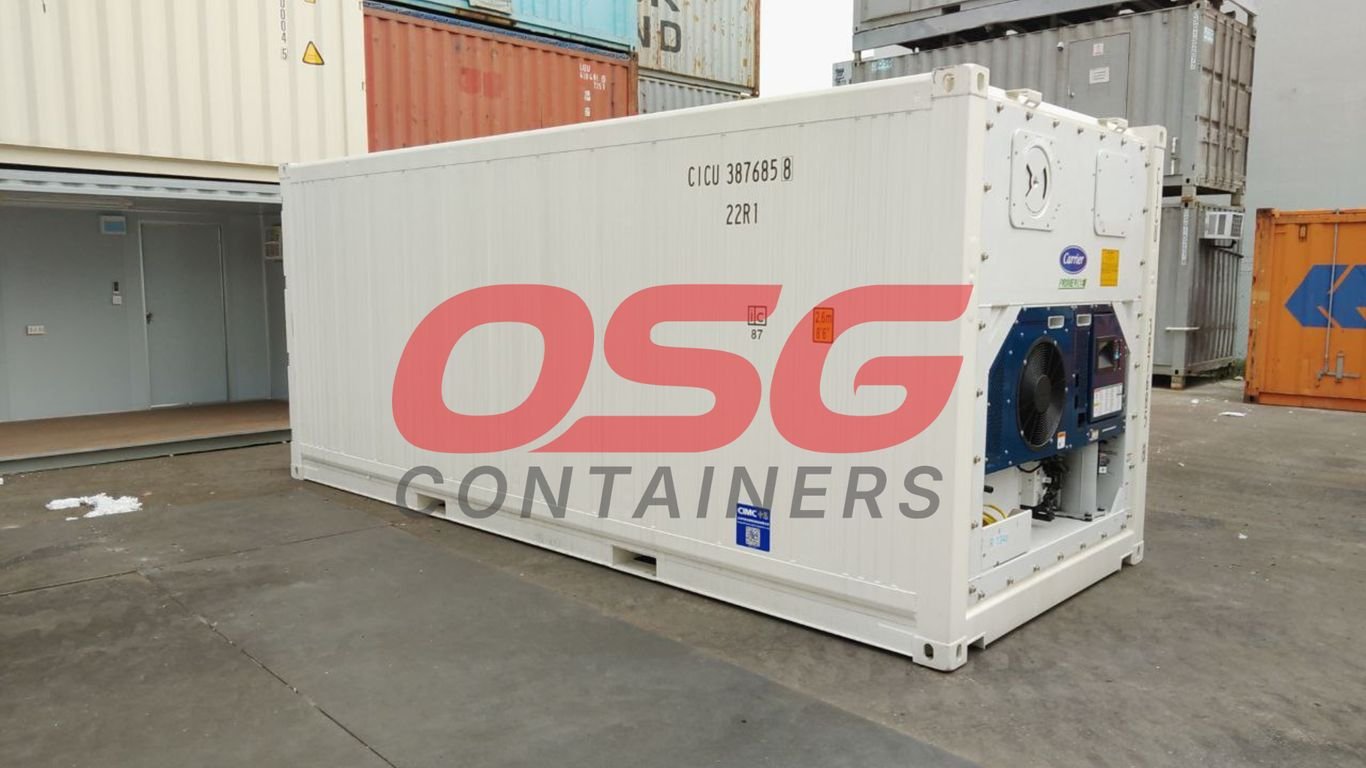
Ever wonder how your favorite fruits from across the globe stay fresh or how medicines make it to you without spoiling? It’s all thanks to the unsung hero of global shipping: the cntr reefer. These aren’t just any old shipping containers; they’re like giant, mobile refrigerators. This guide is going to break down what a cntr reefer is, why they’re so important, and some key things to know about keeping your cargo in tip-top shape. Let’s get into it.
Key Takeaways
- A cntr reefer is a specialized shipping container with a built-in refrigeration unit, designed to maintain specific temperatures for perishable goods during transport.
- Consistent temperature control is vital for preserving the quality and safety of cargo, from fresh produce to pharmaceuticals.
- Proper handling, including correct temperature settings and ensuring good airflow, is crucial for maintaining cargo integrity.
- Advanced features like controlled atmosphere and humidity control help extend the shelf life of sensitive items.
- Challenges in cntr reefer operations include potential equipment issues, higher costs, and the need for careful logistical planning.
Understanding The Cntr Reefer Container
So, you’re curious about what exactly a ‘cntr reefer’ is? Think of it as a super-powered, mobile refrigerator for your goods. Unlike a standard shipping container, like a cntr open top or a basic 20gp, a reefer container has a built-in refrigeration unit. This unit is the heart of the operation, designed to maintain a very specific temperature inside, whether that’s keeping things frosty or just cool. These specialized containers are absolutely vital for anything that can’t handle the regular ups and downs of ambient temperature during transit.
What Is A Reefer Container?
A reefer container, short for refrigerated container, is essentially a climate-controlled box on wheels (or rather, on a ship, train, or truck). It’s engineered with insulated walls and a powerful refrigeration system attached to the front. This system allows for precise temperature control, making it possible to transport a wide array of sensitive items across vast distances without them spoiling. It’s a far cry from just buying a shipping container and hoping for the best; reefers are purpose-built for preservation.
Purpose Of Cntr Reefer Containers
The primary role of a reefer container is to safeguard temperature-sensitive cargo. This includes a huge variety of products, from fresh produce like fruits and vegetables that can spoil quickly, to pharmaceuticals that lose their effectiveness if they get too warm. They are the backbone of global trade for many industries, ensuring that goods arrive at their destination in the same condition they left. Without them, many of the foods we enjoy and medicines we rely on simply wouldn’t be transportable.
Key Features Of Cntr Reefer Technology
Reefer technology is pretty advanced, going beyond just setting a temperature. Here are some of the main things that make them work:
- Precise Temperature Control: The refrigeration unit can maintain a set temperature with a very small margin of error, often within half a degree Celsius. This is critical for delicate cargo.
- Insulated Walls: The container walls are made with special insulating materials to prevent outside temperatures from affecting the inside environment.
- Power Source: The refrigeration unit requires a constant power supply, usually provided by the vessel, train, or a generator set attached to the container.
- Air Circulation System: An internal fan system ensures that cold air is evenly distributed throughout the container, preventing hot spots and maintaining uniform temperature.
When you’re dealing with goods that need a specific climate, the technology inside the reefer is what makes the difference between a successful shipment and a costly loss. It’s all about maintaining that perfect environment, no matter what the weather is doing outside.
Maintaining Cntr Reefer Cargo Integrity
Keeping your refrigerated cargo in good shape is a big deal, right? It’s all about making sure that what you’re shipping arrives just as fresh as when it left. Consistent temperature is the name of the game here. Even small changes can mess things up for sensitive items like fruits or medicines. Think of it like keeping a baby asleep – you don’t want to wake them up with sudden noises, and you don’t want to shock your cargo with temperature swings.
Importance Of Consistent Temperature
Reefer containers are built to hold a steady temperature, but they aren’t magic. They work best when the temperature stays within a narrow range. This is especially true for things that spoil easily. If the temperature goes up too much, you risk spoilage. If it goes down too much, you might freeze and damage the product. It’s a balancing act, and the container’s machinery works hard to keep that balance. The insulation plays a big part too; better insulation means less work for the cooling unit and a more stable internal environment.
Protecting Cargo Quality
So, how do we protect that cargo quality? It starts with the right settings, of course, but it also involves how the container is loaded and handled. Making sure the air can circulate properly around the goods is key. If you block the vents or pack things too tightly, the cold air can’t get everywhere it needs to. This can lead to warm spots, which is exactly what we want to avoid. Proper loading also means the cargo itself isn’t damaged during transit, which can also affect its ability to withstand the cold.
Experienced Reefer Teams
Dealing with temperature-sensitive goods requires a team that knows their stuff. Our crews are trained to handle these specialized containers with care. They understand the delicate balance needed to keep everything from fresh produce to vital medicines in perfect condition. This isn’t just about moving boxes; it’s about preserving the value and safety of what’s inside, and that takes a skilled hand.
Proper handling and consistent temperature control are not just best practices; they are the bedrock of maintaining the integrity of refrigerated cargo. Even minor deviations can lead to significant losses in quality and marketability.
Here are some key points to remember for maintaining cargo integrity:
- Precise Temperature Monitoring: Regularly check and log the internal temperature to catch any fluctuations early.
- Adequate Airflow: Ensure cargo is packed to allow cold air to circulate freely around all items. Avoid blocking vents.
- Pre-Trip Inspections: Always perform a thorough check of the reefer unit and container seals before loading sensitive goods.
- Correct Settings: Double-check that the temperature set-point is appropriate for the specific cargo being transported.
Advanced Cntr Reefer Technology
Cutting-Edge Reefer Technology
Modern reefer containers are packed with some pretty smart tech. It’s not just about making things cold anymore; it’s about fine-tuning the environment inside to keep your cargo in the best possible shape. We’re talking about systems that can precisely manage temperature, humidity, and even the air composition. This advanced technology is what allows us to ship things that were once nearly impossible to transport long distances, like fresh berries or sensitive medical supplies.
Advanced Reefer Fleet
Our fleet is pretty up-to-date, which is a big deal when you’re shipping stuff that needs constant cold. Newer containers generally use less energy and are more reliable. Think about it: an older unit might struggle to keep up when it’s really hot outside, leading to temperature swings. Our newer models are built to handle those challenges better. We’ve invested in a fleet that’s equipped with the latest innovations to make sure your cargo stays exactly how it should.
Controlled Atmosphere and Humidity Control
This is where things get really interesting. Beyond just setting a temperature, advanced reefers can control the atmosphere inside. This means adjusting the levels of oxygen and carbon dioxide. Why does that matter? Well, it can significantly slow down the ripening process for fruits and vegetables, extending their shelf life. It’s like putting the cargo in a sort of suspended animation.
Here’s a quick look at what controlled atmosphere can do:
- Slows Respiration: By reducing oxygen, the natural ‘breathing’ of produce is slowed.
- Reduces Ethylene Production: Ethylene is a gas that speeds up ripening; controlling it keeps things fresh longer.
- Maintains Firmness: Helps fruits and vegetables keep their texture and avoid becoming mushy.
Humidity control is also key. Too much moisture can lead to mold, while too little can cause produce to dry out. Modern reefers can manage this balance, keeping things just right.
The goal of these advanced systems is to mimic the ideal storage conditions for each specific type of cargo, ensuring it arrives at its destination in peak condition, no matter how far it travels. It’s a complex dance of science and engineering.
Cntr Reefer Handling Guidelines
So, you’ve got your temperature-sensitive goods ready to go, and they’re packed into a reefer container. That’s great! But just having the container isn’t the whole story. How you actually handle it, from loading to transit, makes a big difference in whether your cargo arrives in tip-top shape. It’s not just about setting the dial and hoping for the best; there are some practical steps that really matter.
Reefer Handling Guideline Overview
Think of your reefer container like a high-tech cooler. To make sure it does its job perfectly, you need to follow a few basic rules. These aren’t super complicated, but they’re important for keeping your stuff from going bad or getting damaged.
- Pre-trip checks are a must. Before you even think about loading, give the reefer unit a good once-over. Make sure it’s running, the temperature is set correctly, and there are no weird noises. It’s like checking your car before a long road trip.
- Load quickly and close it up. The less time the door is open, the better. Every second the door is open, warm air tries to sneak in, and the unit has to work harder to get back to the right temperature. This can cause temperature swings.
- Don’t block the vents. This is a big one. The cold air needs to move around your cargo. If you pile things up against the vents, you’ll end up with warm spots, and that’s bad news for your product.
Proper handling isn’t just about keeping things cold; it’s about maintaining the specific environment your cargo needs to stay fresh and safe. This means paying attention to details that might seem small but have a large impact on the final quality of your goods.
Air Flow In The Reefer Container
This is probably the most overlooked part of reefer handling. The refrigeration unit blows cold air in, usually from the top, and it circulates around your cargo before returning to the unit. If this path is blocked, the air can’t do its job effectively. You might have a perfectly set temperature on the display, but if the air isn’t reaching all your boxes, some parts of your shipment could be too warm or too cold. This can lead to spoilage, mold, or even freezing, depending on what you’re shipping.
Efficient Loading And Unloading Practices
When it’s time to load or unload, speed and care are key. Try to have everything ready to go so you can minimize the time the container doors are open. If you’re loading, make sure you’re stacking items properly, leaving space for that all-important airflow. For unloading, have your destination team ready to receive the cargo promptly. This whole process is about minimizing exposure to outside temperatures and ensuring the integrity of the cold chain from start to finish.
Specialized Cntr Reefer Applications
Cntr Reefers For Offshore Use
These refrigerated container units aren’t just for crossing oceans with your produce. They’ve found a real place in some pretty tough spots, like those offshore oil and gas rigs. Imagine needing to keep food and important supplies cold when you’re miles from land, often dealing with rough seas and unpredictable weather. That’s where specialized reefer containers come in. They’re often built a bit tougher, maybe with extra supports to handle constant movement or special hookups for the platform’s power. The main idea is to give you a steady, cold space, no matter how wild things get out there.
Handling Perishable Cargo
When you’re moving items that spoil fast – think fresh fruits, veggies, medicines, or even certain chemicals – a reefer container is pretty much your best bet. It’s all about keeping that temperature exactly where it needs to be, from the moment it’s loaded until it gets to its final stop. Even a small temperature bump can ruin an entire shipment. That’s why the tech inside these containers is so good at cooling quickly and holding a steady temp, even when the weather outside is doing its own thing.
- Temperature Sensitivity: Different items need different cold levels. Ice cream needs to stay frozen solid, while bananas might need a slightly warmer, controlled temperature to ripen properly. Getting this wrong means spoiled product.
- Airflow Matters: It’s not just about the cold air; it’s about how it moves. Proper airflow prevents hot spots inside the container, making sure every part of the cargo stays at the set temperature.
- Pre-Trip Inspection: Before any sensitive cargo goes in, the reefer unit gets a thorough check. This includes testing the cooling system, checking seals, and making sure the temperature controls are spot on. It’s a vital step to prevent problems down the line.
Temperature Set-Points For Cargo
Getting the temperature right is super important. Even a small change can mess up delicate items like ice cream or bananas. We get that. That’s why our reefer containers use top-notch tech to keep your stuff fresh. Think of it like a really good refrigerator, but on a much bigger scale and moving across the ocean.
Here’s a quick look at some common temperature ranges:
| Cargo Type | Typical Temperature Range (°C) | Notes |
|---|---|---|
| Fresh Produce | 0°C to 10°C | Varies by fruit/vegetable type |
| Dairy & Meats | -18°C to -2°C | Needs consistent freezing/chilling |
| Pharmaceuticals | 2°C to 8°C | Strict control needed for effectiveness |
| Frozen Goods | -20°C to -30°C | For items like ice cream, frozen meals |
| Special Freezers | -60°C to -20°C | For highly sensitive or specialized items |
The goal is always to maintain the precise temperature required for the specific cargo. This isn’t just about setting a number; it’s about the container’s ability to consistently hold that temperature, regardless of external conditions, to prevent spoilage or loss of quality.
Common Challenges In Cntr Reefer Operations
Operating reefer containers isn’t always smooth sailing. There are a few bumps in the road that can make keeping your cargo perfectly chilled a real headache. Let’s break down some of the common issues you might run into.
Equipment Malfunctions
This is probably the most obvious one. The refrigeration unit itself is a complex piece of machinery, and like any machine, it can break down. When a reefer unit fails, especially mid-transit, it’s a race against time to prevent spoilage. Preventative maintenance is your best friend here. Regularly checking the unit, its seals, and its power source can catch small problems before they become big, expensive disasters. Think of it like getting your car’s oil changed – it’s a hassle, but way better than a seized engine.
- Pre-trip inspections: Always do a thorough check before loading. Make sure the unit powers up, cools down, and holds the set temperature.
- Monitoring systems: Investing in real-time monitoring with sensors can alert you immediately if something goes wrong with temperature or humidity.
- Backup plans: Have a plan for what to do if a unit fails. This might involve transferring cargo or arranging for emergency repairs.
Sometimes, even with the best maintenance, things just go wrong. The sheer complexity of the machinery means that unexpected failures can and do happen. It’s about being prepared for the worst-case scenario.
High Operating Costs
Keeping things cold isn’t cheap. Reefers use a lot of electricity or fuel to run their refrigeration units 24/7. Add to that the cost of maintenance, repairs, and specialized handling, and the expenses can really pile up. For certain shipments, the cost of using a reefer might outweigh the benefit, making it important to assess if a reefer is truly necessary or if a less expensive insulated container would suffice.
Complex Logistics
Reefer operations involve a lot of moving parts. You’ve got power source management (switching between ship power, generator sets, and shore power), precise temperature and humidity settings for different types of cargo, and the need for constant monitoring. Human error can creep in during manual tasks like plugging and unplugging units or logging data. Automating processes where possible and ensuring staff are well-trained can help simplify these complex logistics and reduce the chance of mistakes that could impact your cargo.
Keeping It Cool: The Bottom Line
So, there you have it. Reefer containers are pretty amazing pieces of tech that make sure your food, medicines, and other sensitive stuff get where they need to go without spoiling. It’s all about keeping that temperature steady, no matter how bumpy the ride or how hot it gets outside. From the fancy cooling units to making sure the air can move around properly, a lot goes into keeping things fresh. Using these containers right, with good handling and the right settings, is key to making sure everything arrives in good shape. It’s a big job, but these cold boxes are definitely up to it.
Frequently Asked Questions
What exactly is a reefer container?
A reefer container is basically a big, refrigerated box used for shipping. Think of it like a giant, mobile fridge or freezer that can travel on ships, trains, or trucks. It’s designed to keep things like food, medicine, and other items that can spoil nice and cold (or sometimes even a bit warm, if needed) during their long journey.
Why are reefer containers so important?
They’re super important because they keep our food fresh and our medicines safe. Without them, we wouldn’t be able to get things like fresh fruits from other countries or life-saving vaccines to where they’re needed. They make sure that sensitive items arrive in good condition, just like when they were packed.
How do reefer containers keep things cold?
These containers have a special cooling unit attached, kind of like the one on your fridge but much bigger and stronger. This unit is controlled by a computer and can keep the temperature inside very steady, no matter what the weather is like outside. It works non-stop to maintain the perfect temperature for whatever is being shipped.
What are the main rules for handling a reefer container?
Handling them carefully is key! You need to make sure the temperature is set just right for the specific items inside. It’s also really important not to block the air vents, because the cold air needs to move around freely to keep everything evenly cool. Keeping the doors shut as much as possible also helps a lot.
Can reefer containers be used in special places, like on oil rigs?
Yes, they can! There are special, tougher reefer containers made for tough jobs, like those on oil rigs out at sea. These are built to handle rough conditions and keep supplies cold reliably, even in challenging environments far from land.
What happens if a reefer container’s cooling unit breaks down?
That’s a big worry! If the cooling unit stops working, the temperature inside can rise, which could ruin the cargo. That’s why these containers get checked very carefully before trips, and there are teams who watch them closely. It’s like having a backup plan to catch problems early and keep everything safe.


