
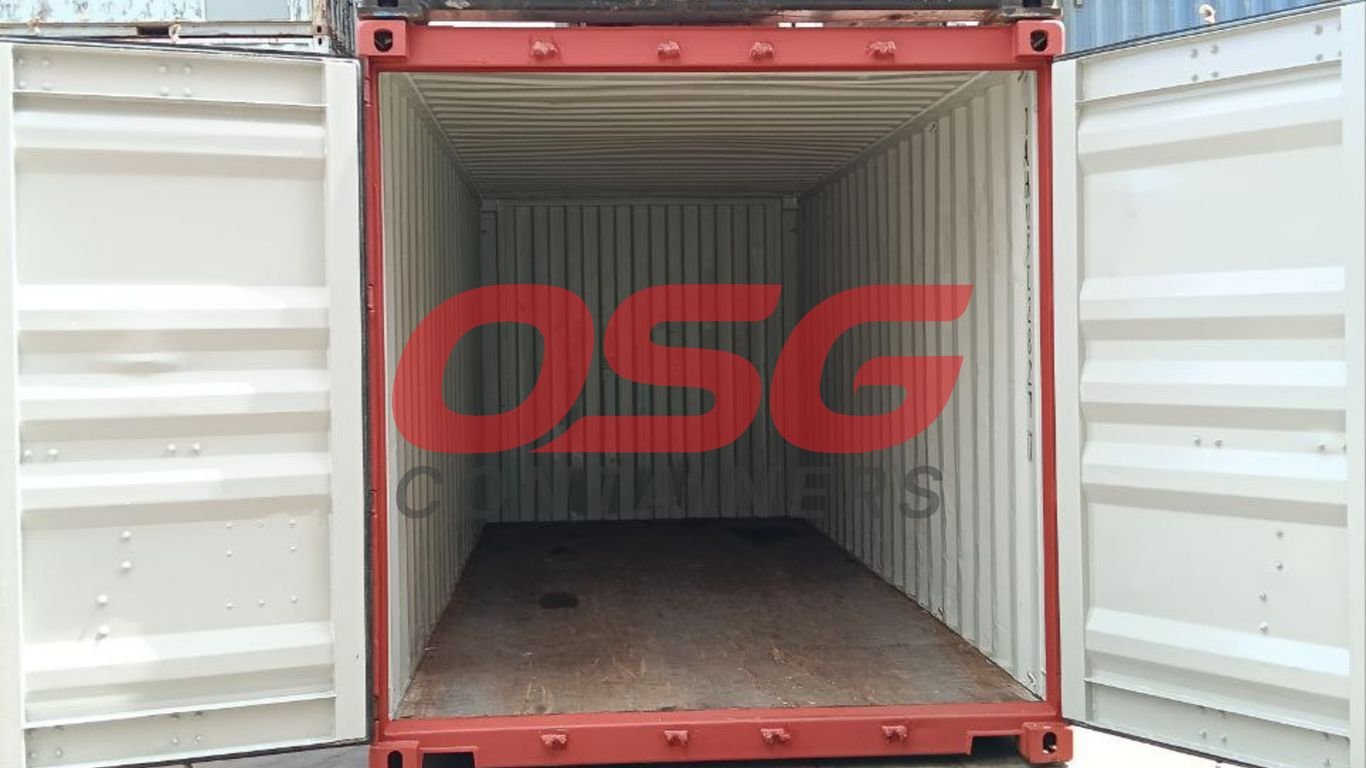
When you’re figuring out how to move or store stuff, the container you pick matters a lot. You’ve got your regular ones, but then there are special types like open top containers and open side containers. They’re built a bit differently to handle specific jobs. We’re going to break down what makes an open top container stand out and when it’s the best tool for the job, compared to others.
Key Takeaways
- An open top container is great for loading bulky or oddly shaped items from above using a crane.
- These containers have a removable tarp or steel top, offering flexibility for tall cargo.
- They are commonly used in construction, manufacturing, and demolition for heavy or oversized materials.
- While they offer top-loading ease, they require a tarp for weather protection, unlike standard containers.
- An open top container is ideal when standard container doors just won’t cut it for your cargo.
1. Open Top Container Advantages
When you’re dealing with cargo that just won’t fit through a regular door, the open top container really shines. These units are built with a removable tarp or a steel top, which means you can load things from the top. This is a game-changer for bulky items, tall equipment, or anything that’s just plain awkward to maneuver.
Think about construction sites. You’ve got big machinery, steel beams, or maybe even large pre-fabricated parts. Trying to stuff those into a standard container? Forget about it. But with an open top, you can just use a crane or hoist to lift the item straight in. It makes the whole process way faster and less of a headache.
Here are some of the main perks:
- Top loading capability: Perfect for items that are too tall or wide for standard container doors.
- Crane and hoist friendly: Makes loading and unloading heavy or bulky items much simpler and safer.
- Accommodates irregular shapes: Great for things like scrap metal, logs, or large industrial parts.
- Weather protection: Once loaded, the tarp or hard top can be secured, keeping your cargo safe from the elements.
The flexibility offered by an open top container is its biggest selling point. It opens up shipping and storage possibilities for items that would otherwise be a logistical nightmare.
So, if your load is on the larger side or has a funny shape, an open top container is definitely worth considering.
2. Open Side Container Advantages
So, you’re looking at containers and wondering what makes the open-side ones special? Well, they’ve got a few tricks up their sleeve that standard containers just can’t match.
First off, loading and unloading are way faster. Imagine trying to get stuff out of the back of a regular container – you have to move everything in front of it, right? With an open-side container, one whole side swings open. This means more people can get to work at the same time, and you can actually reach what you need without a massive reshuffling operation. It’s a big time-saver, especially if you’re dealing with a lot of different items or need to get things in and out frequently.
Here’s a quick rundown of why they’re so handy:
- Speedy Access: You can get to items anywhere inside the container without having to unload everything else first. This is a lifesaver on busy job sites.
- Handling Big Stuff: Loading large or awkwardly shaped items becomes much simpler. Instead of wrestling with a tight doorway, you’ve got a wide-open space to work with.
- Versatile Use: These containers are great for more than just storage. Think pop-up shops, temporary offices, or even workshops where you need easy access and a flexible setup.
- Easier Conversions: Because one side opens up completely, they’re a popular choice for people looking to convert containers into something else, like a small dwelling or a retail space. You can easily add windows or doors where you want them.
These containers really shine when you need to access your goods frequently or when you’re dealing with items that are a pain to maneuver through standard doors. They offer a level of convenience that can make a real difference in how efficiently you work.
Plus, they often come with standard doors on the end too, so you get the best of both worlds – full side access when you need it, and end access for more traditional loading. It’s all about making your life easier, whether you’re shipping goods or repurposing the container for something new.
3. Open Top Container Best Uses
So, when exactly do you want to reach for an open top container? These guys really shine when you’re dealing with stuff that just won’t fit through the regular doors of a standard container. Think big, bulky, or just plain awkward items.
Here are some prime examples:
- Construction Sites: Moving heavy machinery, long steel beams, bundles of rebar, or even just large amounts of demolition debris. Cranes are often on-site anyway, so lifting things straight in from the top is super convenient.
- Manufacturing and Industrial: Shipping oversized machine parts, large equipment components, or anything that’s too tall or wide for a standard unit.
- Scrap and Recycling: Collecting and transporting bulk scrap metal, large pieces of wreckage, or other bulky waste materials.
- Mining and Energy: Hauling raw materials, large pipes, cables, or specialized equipment that doesn’t conform to standard dimensions.
- Agriculture: Transporting big farm equipment or large bales of hay.
Basically, if your cargo is taller than a standard container or has a shape that makes side-loading a pain, the open top is your friend. It’s all about making the loading process manageable for items that are out of the ordinary. Once loaded, you just throw the tarp over it, secure it down, and it’s ready to go, offering decent protection from the weather.
Remember, while the tarp offers protection, it’s not as completely sealed as a standard container. For super sensitive items that need absolute weatherproofing, you might need to consider other options or ensure your cargo is packed in a way that can handle some exposure.
These containers are a lifesaver when you need that extra vertical space or a straightforward way to get bulky items loaded using overhead equipment.
4. Open Side Container Best Uses
Open side containers are super handy when you need to get stuff in and out frequently, or when you’re using equipment like forklifts to move things around. Think about construction sites – you’ve got tools and materials scattered, and you need to grab something specific without a hassle. That’s where these shine. They’re also a hit for pop-up shops or event booths because that whole side opening can become your storefront or display area. Plus, they’re great for temporary offices or workshops on job sites.
Here are some common scenarios where an open side container really makes sense:
- Construction and Job Sites: Need to load and unload heavy equipment or materials quickly? This is your go-to. Forklifts can easily access the entire length of the container.
- Event Staging: Setting up for a festival or market? Use it to store and easily access tents, sound equipment, or vendor supplies.
- Temporary Retail or Food Stalls: The wide-open side can be transformed into a serving counter or display space, offering both accessibility and a welcoming look.
- Warehousing Overflow: When your main warehouse is packed, an open side container provides quick access to overflow stock without the usual container loading headaches.
- Workshops and Mobile Offices: With modifications, these can become functional workspaces right where you need them, with easy entry and exit.
Basically, if your project involves a lot of back-and-forth with materials, or if you want a container that can easily double as a functional space with broad access, the open side container is a solid choice. It’s all about making things easier to reach and manage.
5. Open Top Container Features
So, what exactly makes an open-top container different from the regular ones you see everywhere? Well, the biggest thing is right there in the name – the top is open, or at least, it’s designed to be easily opened.
Instead of a solid metal roof, these containers usually come with a heavy-duty tarp or a removable hard top. This is usually secured with bows and a locking mechanism to keep it in place during transit. Think of it like a big, tough cover rather than a permanent ceiling. This setup is key for loading things that just won’t fit through a standard door.
Here are some of the main features you’ll find:
- Removable Roof: This is the defining characteristic. It’s either a strong, weather-resistant tarp or a steel panel that can be taken off.
- Reinforced Structure: Because the roof is missing, the sides and floor are built extra strong to handle the weight and stress, especially when lifting heavy items from above.
- Lashing Points: You’ll find plenty of tie-down rings or points along the inside walls and floor. These are super important for securing whatever you load inside, making sure it doesn’t shift around.
- Rear Header: Many open-top containers have a hinged rear header. This makes it easier to get that tarp or top cover out of the way when you’re loading from the back.
- Durable Flooring: The floor is typically made of strong hardwood or plywood, built to withstand heavy impacts and loads.
The main idea behind these features is to give you maximum flexibility when loading and unloading, especially when dealing with cargo that’s too tall, too wide, or just plain awkward for a standard container. It’s all about making that loading process as straightforward as possible, even if it means a bit more work securing the cover afterward.
While they offer great access, remember that the weather protection relies on that tarp or cover being properly secured. It’s not quite the same as a fully sealed, solid-roof container, so keep that in mind depending on what you’re shipping.
6. Open Side Container Features
Open side containers are pretty neat because they give you way more access than a regular container. Think of it like this: instead of just the doors at the end, one whole long side of the container opens up. This usually comes in the form of bi-fold doors that run the entire length.
These containers are built tough, just like standard ones, with heavy-duty steel. They also come with those regular doors at one end, which is handy for extra flexibility. Plus, they’ve got seals to keep the weather out, so your stuff stays dry.
Here are some of the main features you’ll find:
- Full-length bi-fold doors: This is the big one. It means you can open up a whole side of the container.
- Heavy-duty steel construction: They’re built to last and handle tough conditions.
- Weather-tight seals: Keeps rain, wind, and dust from getting in.
- Standard cargo doors: You still get the usual doors at one end for easy access.
- Available in different sizes: You can usually find them in 20-foot and 40-foot lengths, and sometimes even high-cube versions for extra height.
The real game-changer with open side containers is how much easier they make loading and unloading. You can get forklifts or pallet jacks right up to the contents, and multiple people can work at once. This saves a ton of time, especially on busy job sites.
They’re also great if you need to store items that are a bit awkward or bulky. Trying to shove a big piece of equipment through a small door is a pain, but with an open side, it’s much simpler. You can also easily access items in the middle of the container without having to move everything else first. This makes them super useful for things like pop-up shops, event setups, or even just as a mobile workshop.
7. Open Top vs. Standard Container Comparison
When you’re trying to figure out the best way to move or store stuff, the choice between an open-top container and a standard one really comes down to what you’re working with. Standard containers are your go-to for pretty much anything that fits neatly inside and can be loaded through those end doors. Think pallets of goods, boxes, or machinery that’s not too tall.
Open-top containers, on the other hand, are a different beast. Their main selling point is that they don’t have a fixed roof, usually just a tarp. This makes them ideal for cargo that’s too tall for a standard container or has an odd shape. Loading tall equipment or machinery from above using a crane? That’s where an open-top shines. You can also load things that are too heavy or awkward to maneuver through side doors.
Here’s a quick rundown of how they stack up:
- Standard Container:
- Fully enclosed with a solid metal roof.
- Loading and unloading primarily through end doors.
- Best for standard-sized, palletized, or boxed goods.
- Offers complete weather protection.
- Open-Top Container:
- No fixed roof; covered with a removable tarp or sometimes a steel top.
- Allows for overhead loading (crane, hoist) and accommodates taller items.
- Equipped with lashing points for securing cargo.
- Requires the tarp to be secured for weather protection.
While standard containers offer a sealed environment right out of the box, open-top containers provide flexibility for oversized items but demand extra attention to securing the tarp. This can add a bit more time and effort to the loading and securing process, especially if the cargo is taller than the container walls.
So, if your items are standard dimensions and you need a straightforward, weather-sealed solution, a standard container is likely your best bet. But if you’re dealing with anything that needs to be loaded from above or simply won’t fit through a regular door, the open-top container is the way to go.
8. Open Side vs. Standard Container Comparison
When you’re trying to figure out the best container for your needs, comparing an open side container to a standard one is pretty important. A standard container is what most people picture – you load and unload through those two doors at the end. It’s the workhorse, the basic model.
An open side container, though, is different. Imagine one of the long walls of the container just swings open, like a giant door. This gives you access along the entire length of the container, not just from one end. This full-length side access is the biggest game-changer.
Here’s a quick rundown:
- Loading/Unloading: Standard containers require you to work from the end doors. This can be tricky if you need to get to something in the middle or if you’re using forklifts. Open side containers let you load and unload from the side, making it way easier to reach everything and use equipment like forklifts more efficiently.
- Accessibility: With a standard container, you might have to move a lot of stuff to get to what you need. An open side container lets you get right to the item you’re looking for, no matter where it is along the side.
- Versatility: Standard containers are great for general storage. Open side containers are better for things like pop-up shops, event staging, or workshops where you need constant, easy access to tools and materials.
- Cost: Generally, standard containers are more affordable and easier to find, especially used ones. Open side containers can be more expensive and harder to come by.
Think about how you’ll actually use the container. If you’re just storing general goods and only need to access them occasionally from one end, a standard container is probably fine and will save you money. But if you need to get in and out frequently, use forklifts, or set up a temporary workspace, the extra cost and availability challenges of an open side container might be totally worth it for the convenience.
9. Open Top Container Loading
Loading an open top container is all about making things easy when you’ve got stuff that just won’t fit through a regular door. Think big machinery, long pipes, or even just a really tall stack of something. The main way to get things in is from the top, usually with a crane or some kind of hoist.
Here’s the general idea:
- Clear the top: First, you’ve got to get that tarp or hard top off. This usually involves undoing some latches or straps. It’s pretty straightforward, but make sure you’ve got a safe place to put the cover so it doesn’t get damaged.
- Position the cargo: Next, you’ll use your crane or lifting equipment to carefully position whatever you’re loading directly over the container.
- Lower it in: Slowly and steadily, lower the item into the container. You’ll want to make sure it’s going in straight and won’t snag on the sides.
- Secure the load: Once it’s inside, this is super important. You’ll use the lashing rings all around the inside of the container to tie down your cargo. This stops it from shifting around during transport, which could cause damage.
- Replace the cover: Finally, put the tarp or hard top back on and secure it. This protects your cargo from the weather.
Loading an open top container is a bit different from a standard one. Because you’re lifting things from above, you need to be mindful of overhead clearance. This means the loading area needs to be open and free of obstructions like power lines or low structures. It’s a different kind of planning compared to just rolling a pallet jack up to a side door.
Sometimes, open top containers also have doors at the end, just like a regular container. This gives you a couple of options. You can still load from the top if that’s easiest, or you can use the end doors for items that are long but not necessarily super tall. It really depends on the shape and size of what you’re shipping.
10. Open Side Container Loading
Loading an open side shipping container is pretty straightforward, especially when you compare it to wrestling with a standard container. Because one whole side opens up, you get way more access to the inside. This is a big deal if you’re using forklifts or pallet jacks to move stuff in and out. You can just drive right in and place things where they need to go, or grab what you need without having to unload half the container first.
Think about it: instead of trying to shove items through those end doors like a game of Tetris, you’ve got a wide-open space. This makes loading bulky or awkwardly shaped items a lot less of a headache. It’s especially handy for things like construction materials, equipment, or even setting up a temporary shop.
Here’s a quick rundown of how it usually goes:
- Prepare the Container: Make sure the side doors are fully open and secured. Check that the ground where you’re working is level and stable.
- Use Appropriate Equipment: Have your forklift, pallet jack, or other lifting gear ready. The wide opening means you can maneuver these machines with ease.
- Load Systematically: Place items strategically. If you need to access certain things later, try to load them towards the open side or on top.
- Secure Your Cargo: Once loaded, make sure everything is properly secured to prevent shifting during transit. Use straps or bracing as needed.
- Close and Lock: Close the side doors securely and lock them up. You still have the standard rear doors for extra security if you need them.
These containers, whether they’re standard 40-foot units or hc containers, really shine when you need quick and easy access. It cuts down on loading time significantly, which can save you a good chunk of money on labor.
Loading and unloading are much faster with an open side container. You can get to your cargo from the side, which is way more convenient than only having access from the end doors of a regular shipping container. This makes it ideal for jobs where you’re constantly moving things in and out or need to grab specific items quickly.
Wrapping It Up
So, when it comes down to it, picking between an open top and a standard container really just depends on what you’re moving and how you need to get it in there. Standard containers are your go-to for most everyday stuff, keeping things protected and stacked neatly. But if you’ve got big, awkward machinery or materials that just won’t fit through a regular door, the open top is a lifesaver. It might cost a bit more and need a tarp, but for those oversized loads, it’s often the only practical way to get the job done. Think about your cargo, how you’ll load it, and what kind of protection you need, and you’ll figure out which one is the right fit for your needs.
Frequently Asked Questions
What is an open top container and when should I use one?
An open top container is like a regular shipping container but without a solid roof. It has a removable tarp or a removable hard top. You should use one when you have really big or oddly shaped items that won’t fit through the doors of a standard container, like large machinery or long pipes. It’s also great if you need to load things from above using a crane.
What are the main benefits of using an open side container?
Open side containers have doors that open up along the entire length of one side. This makes it super easy to load and unload things with a forklift or pallet jack. They’re perfect for job sites where you need to get to tools or materials quickly, or for setting up temporary shops or workstations because you can open up a whole side.
How are items secured in an open top container?
Once your items are loaded into the open top container, a strong tarp is usually put over the top and secured. There are also metal rings, called lashing points, along the sides and floor that you can use to tie down your cargo tightly so it doesn’t move around during shipping.
Can open top containers protect my cargo from the weather?
Yes, they can! While they don’t have a solid roof, the removable tarp or hard top provides good protection from rain and sun once it’s secured. It’s important to make sure the tarp is properly fitted and locked down to keep your items dry and safe.
Are open side containers good for storing regular items?
Absolutely! If you have a lot of items that you need to access frequently, like in a warehouse or for an event, an open side container is fantastic. It saves a lot of time because you don’t have to dig through other items to get to what you need. It’s like having a walk-in storage unit.
What’s the biggest difference between open top and open side containers?
The main difference is how you load and access them. Open top containers are designed for loading from the top, usually with a crane, and are best for tall or bulky items. Open side containers are designed for loading from the side, making it easy to use forklifts and access items quickly. Think ‘top loading’ versus ‘side loading’.


