
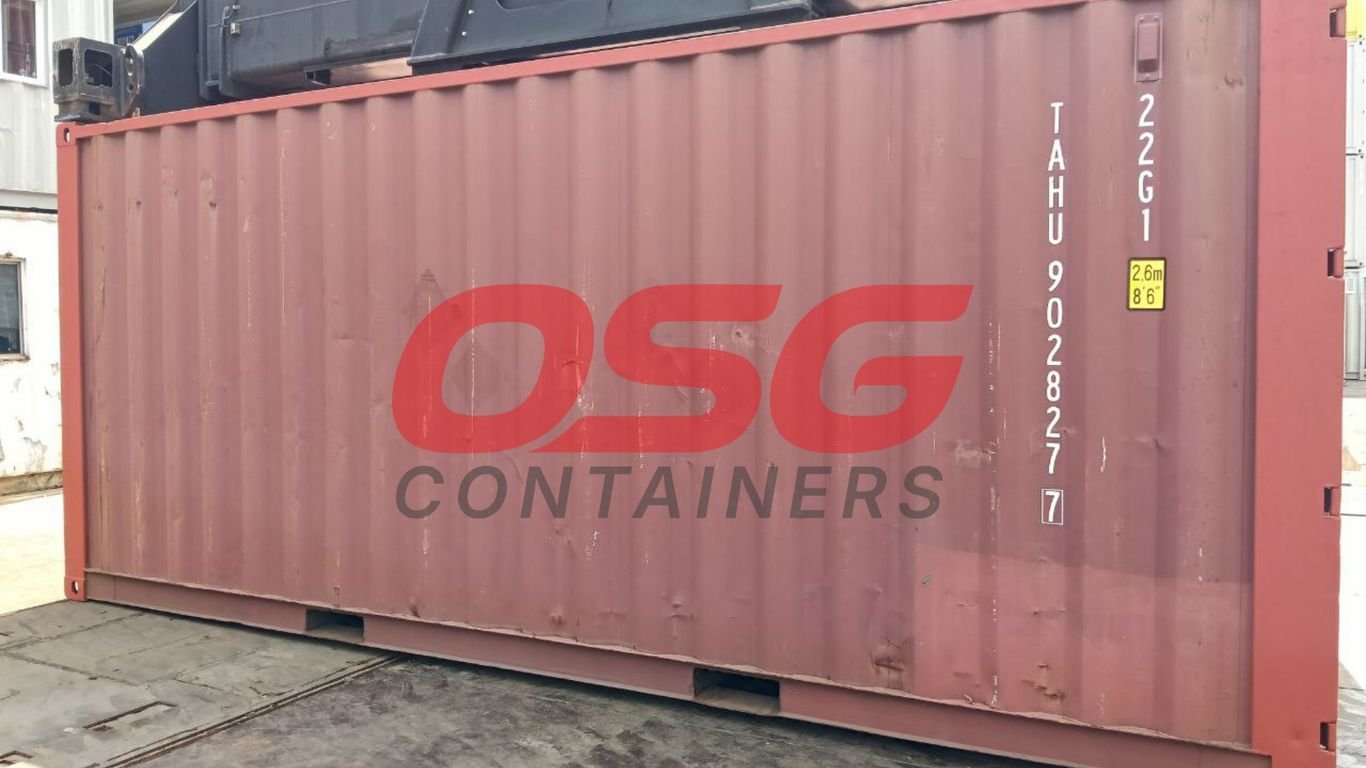
Shipping containers are pretty common, you see them everywhere. But have you ever noticed some are a bit taller than others? Those are the high cube containers, or hc containers as some folks call them. They might look similar to the standard ones, but that extra foot of height makes a big difference for a lot of people. Whether you’re moving big machinery or just have a lot of stuff, these containers can be a real game-changer. Let’s break down what makes these hc containers so useful.
Key Takeaways
- High cube containers, or hc containers, offer an extra foot of height compared to standard shipping containers, increasing their storage capacity.
- This additional vertical space is great for accommodating taller items like machinery, furniture, and construction materials.
- The extra height in hc containers can lead to better organization and more efficient loading and packing of goods.
- While slightly more expensive, the increased capacity of high cube containers can sometimes lower overall shipping costs by reducing the number of containers needed.
- Specialized versions like the 40ft High Cube Hard Top and Open Top hc containers offer specific advantages for loading and protecting unique cargo.
Understanding High Cube Container Dimensions
External and Internal Height Specifications
When you’re looking at shipping containers, the "high cube" part really tells you the main story. These containers are built to give you more vertical space compared to the standard ones. Think of it like this: a regular shipping container is usually about 8 feet 6 inches tall. A high cube, though, adds a whole extra foot to that, bringing it up to 9 feet 6 inches. This might not sound like a lot, but that extra foot makes a big difference, especially when you’re trying to fit in taller items or stack things efficiently.
Standard Length and Width Measurements
Now, about the length and width. For the most part, high cube containers stick to the same footprint as their standard counterparts. The most common sizes you’ll run into are 20-foot and 40-foot lengths. A typical 40ft high cube container, for instance, will have an external length of 40 feet, a width of 8 feet, and that taller height of 9.5 feet. The internal measurements are what really matter for packing, and they’re usually around 39.5 feet long, 7.7 feet wide, and about 8.9 feet high. So, while the outside dimensions are pretty standard, the inside gives you that extra bit of room.
Payload and Cubic Capacity Differences
The extra height in a high cube container directly translates to more space for your stuff. For a 40ft high cube container, you’re looking at a cubic capacity of roughly 2,700 cubic feet. Compare that to a standard 40-foot container, which usually tops out around 2,350 cubic feet. That’s a significant jump! This means you can either pack more items in, or you can fit bulkier items that just wouldn’t have made it into a standard container. It’s all about maximizing what you can fit inside without needing a bigger container overall.
The extra foot of height in a high cube container might seem small, but it significantly increases the total volume you can use for cargo. This added capacity is key for businesses looking to optimize their shipping and storage.
Here’s a quick look at the typical capacities:
- 20ft High Cube: Around 1,300 cubic feet
- 40ft High Cube: Around 2,700 cubic feet
This difference in cubic capacity is the main reason people choose high cubes when their cargo is a bit too tall or bulky for standard options.
Key Benefits of High Cube Containers
So, why bother with a high cube container when a standard one might seem to do the trick? Well, that extra foot of height isn’t just for show. It really opens up some practical advantages, especially if you’re dealing with a lot of stuff or items that aren’t exactly compact.
Maximizing Vertical Storage Space
This is the big one, honestly. That extra foot of height means you can stack more. Think about it: if you’re storing things in a warehouse or even just trying to pack a truck, being able to go up an extra foot can make a surprising difference. It’s like finding a hidden shelf you didn’t know you had.
- More efficient use of warehouse space: Stack pallets higher, fit more inventory without needing more floor space.
- Reduced need for multiple containers: Sometimes, you can fit the same amount of goods into one high cube that would have required two standard containers.
- Better organization: With more vertical room, you can arrange items more logically, making it easier to find what you need.
Accommodating Oversized and Tall Cargo
Got some tall machinery? Maybe some awkwardly shaped furniture? Standard containers can be a tight squeeze. High cubes are built for this.
The extra height is a game-changer for items that just don’t fit comfortably in a regular container. It means less hassle trying to Tetris everything in and a lower risk of damaging your goods during transit.
This is particularly helpful for industries that deal with:
- Industrial equipment and machinery
- Large appliances and furniture sets
- Specialized manufacturing components
Enhanced Organization and Loading Efficiency
When you have more room to work with, loading and unloading become a lot less of a headache. You’re not constantly worried about scraping the ceiling or having to jam things in. This extra space can lead to:
- Faster loading/unloading times: Easier access means quicker turnarounds.
- Improved safety: Less chance of items falling or shifting due to being crammed in.
- Better load stability: You can often secure items more effectively when there’s breathing room.
Comparing High Cube to Standard Containers
The Crucial One-Foot Height Distinction
The most obvious difference between a high cube container and a standard one is that extra foot of height. It might not sound like much, but that single foot makes a pretty big difference, especially when you’re trying to fit a lot of stuff. A standard container is usually about 8.5 feet tall, while a high cube stretches to 9.5 feet. This extra vertical space is the main reason people opt for high cubes.
Capacity Gains and Cost-Effectiveness
That extra foot of height really adds up in terms of storage space. For example, a standard 40-foot container holds around 2,350 cubic feet of cargo. Now, a 40-foot high cube? It can pack in about 2,694 cubic feet. That’s a significant jump, giving you more room for taller items or just more general stuff. While high cubes might cost a little more upfront, the ability to fit more in one go can actually save you money in the long run. You might avoid needing a second container or make fewer trips, which cuts down on transport costs.
Here’s a quick look at the numbers for a 40-foot container:
| Container Type | External Height | Internal Height | Cubic Capacity |
|---|---|---|---|
| Standard | 8.5 ft | ~7.9 ft | ~2,350 cu ft |
| High Cube | 9.5 ft | ~8.9 ft | ~2,694 cu ft |
When to Choose a High Cube Over Standard
So, when should you go for the high cube? It really comes down to what you’re shipping or storing.
- Tall or Bulky Items: If you’re moving things like machinery, large furniture pieces, or construction materials that just won’t fit comfortably in a standard container, the high cube is your best bet.
- Maximizing Storage: For warehouses or storage yards, stacking high cubes means you can store more goods vertically without taking up more ground space. This is a big win for efficiency.
- Better Organization: The extra height can also make it easier to organize your cargo. You might be able to stack items more effectively or create better pathways for loading and unloading.
Sometimes, the decision is simple: if your cargo is taller than a standard container can accommodate, you don’t really have a choice. But even if it fits, the extra space in a high cube can lead to more efficient packing and potentially lower overall shipping expenses.
If your cargo is pretty standard and fits with room to spare in a regular container, sticking with the standard might be the more budget-friendly option. But for anything that pushes the limits of height or volume, that extra foot in a high cube container is often worth its weight in gold.
Ideal Use Cases for High Cube Containers
Machinery and Industrial Equipment Transport
When you’re dealing with big, bulky machinery or industrial equipment, standard containers can sometimes feel a bit too snug. That extra foot of height in a high cube container makes a world of difference. It means you can often fit taller pieces of equipment without needing special permits or complex loading procedures. Think about large manufacturing components, specialized tools, or even entire factory setups being moved. The added vertical space helps prevent damage during transit and makes loading and unloading a much smoother process. Plus, it allows for better securing of the cargo, which is always a good thing when you’re moving expensive gear.
Furniture and Large Household Goods
Moving day can be a headache, right? Especially when you’ve got a lot of furniture. High cube containers are a game-changer for moving large amounts of household goods or furniture. That extra height means you can stack items more efficiently, or fit those awkwardly tall pieces like wardrobes, tall dressers, or even large sofas without having to play Tetris for hours. It can mean fitting more into one container, potentially saving you money on shipping costs if you’re moving long distances or relocating an entire household. It just makes the whole process less stressful when you know everything will fit.
Construction Materials and Project Supplies
Construction sites are busy places, and keeping materials organized and accessible is key. High cube containers are fantastic for storing all sorts of building supplies. Whether it’s long lengths of lumber, pipes, roofing materials, or even pre-fabricated components, the extra height helps keep things tidy and easy to get to. You can stack materials higher, freeing up floor space within the container. This is especially useful if the container is being used as a temporary on-site storage unit. It means less time spent searching for what you need and more time actually building.
The real advantage of a high cube container often comes down to efficiency. That extra foot of height isn’t just about fitting more; it’s about fitting things better, reducing the risk of damage, and making the entire logistics process simpler and more cost-effective for a wide range of industries.
Here’s a quick look at why they’re so popular for these uses:
- More Space: Obviously, the extra height means more volume. This is great for tall items or for stacking.
- Better Organization: The increased space allows for more organized loading, which can prevent damage and make unloading faster.
- Versatility: They work well for a variety of bulky or tall items, making them a go-to for many different types of businesses and projects.
Specialized High Cube Container Variants
While the standard high cube container is a workhorse, there are some specialized versions out there designed for even more specific needs. These aren’t your everyday cargo containers, but they can be a lifesaver when your project demands something a little different.
The Versatility of the 40ft High Cube Hard Top
Think of the 40ft High Cube Hard Top as a regular high cube, but with an added bonus: a removable steel roof. This feature is pretty neat because it gives you the option to load cargo from the top, which can be super helpful for bulky items that are tricky to maneuver through standard doors. It’s still a secure, weather-resistant shipping container when the roof is on, but that top-loading capability really opens up possibilities.
Open Top High Cube for Top-Loading Needs
Speaking of top-loading, the Open Top High Cube takes it a step further. Instead of a steel roof, it has a heavy-duty tarpaulin cover that’s completely removable. This makes it ideal for cargo that’s too tall to fit even in a standard high cube, or for items that need to be loaded by crane. Imagine shipping large industrial pipes or construction beams – this is the container you’d want. It’s a bit more exposed to the elements when the cover is off, so it’s best for shorter transit times or when the cargo itself is weather-resistant.
Exploring Larger High Cube Options (45ft+)
Sometimes, even a 40ft high cube just isn’t quite enough. That’s where the larger variants come in. You can find 45ft high cube containers, and even longer ones like 53ft, especially in North America. These offer significantly more internal volume, which can be a game-changer for consolidating shipments or transporting exceptionally large quantities of goods. While they might have different handling requirements at ports and depots, they provide that extra space when you really need it.
Choosing the right specialized high cube container often comes down to the specific dimensions and loading method of your cargo. Don’t overlook these variants; they might just be the perfect fit for your unique shipping challenges.
Wrapping It Up
So, there you have it. High cube containers, with that extra foot of height, really do make a difference for a lot of different jobs. Whether you’re dealing with tall equipment, trying to pack more into your storage space, or just need that little bit of extra room, they’re a solid choice. They might cost a bit more upfront, but the extra space can often save you money and hassle in the long run. Think about what you’re moving or storing, and if height is a factor, a high cube is definitely worth considering. It’s not just about shipping; it’s about making your storage and transport work better for you.
Frequently Asked Questions
What makes a high cube container different from a regular one?
The main difference is height! High cube containers are about a foot taller than standard containers. Think of it like getting an extra floor in a building – you can fit more stuff inside, especially if your items are tall.
Can I fit more stuff in a high cube container?
Yes, absolutely! Because they’re taller, high cube containers give you more space inside. This means you can pack more items, stack them higher, or fit in things that are too tall for a regular container.
When should I choose a high cube container instead of a standard one?
You should pick a high cube if you’re shipping or storing things that are tall or bulky. This includes things like big machines, furniture, or building materials. If your items are just regular size and fit fine in a standard container, a regular one might be cheaper.
Are high cube containers more expensive than standard ones?
Generally, yes, they cost a little more. But, if you can fit more into one high cube container, it might actually save you money overall because you won’t need as many containers.
What kind of items are best suited for high cube containers?
They’re great for large items like industrial equipment, machinery, tall furniture, and construction supplies. Basically, anything that needs that extra bit of height to fit or to be stacked efficiently.
Do high cube containers come in different sizes?
Yes, they do! While the most common are 20ft and 40ft long, you can also find them in 45ft lengths. They all share that extra foot of height compared to their standard counterparts.


