
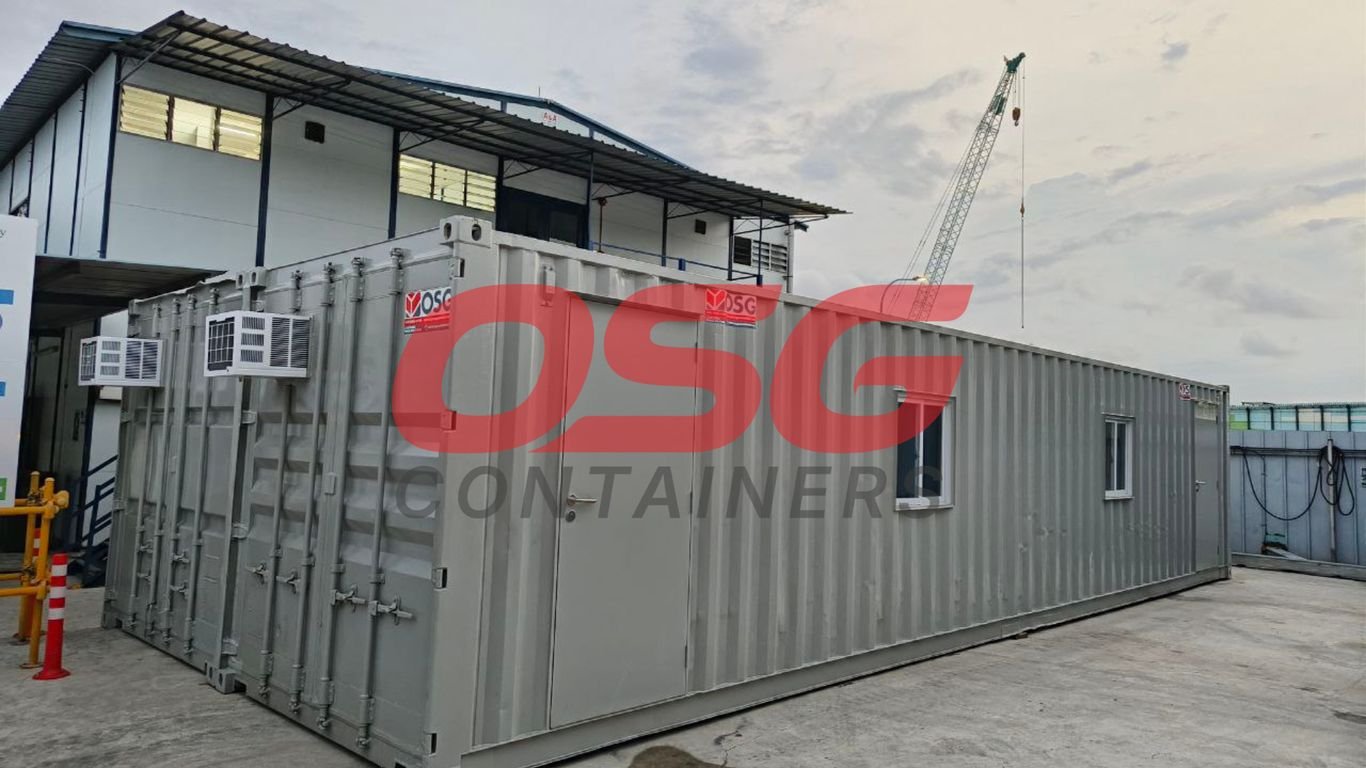
So, you’re looking for a shipping container, huh? Maybe for your business, or just to store some stuff. Well, let’s talk about the 20-foot sea container. It’s not the biggest, but it’s pretty handy for a lot of things. Think of it as the Goldilocks of containers – not too big, not too small, just right for shipping and storage needs. We’ll break down what makes these containers tick, what you can do with them, and how to get one.
Key Takeaways
- A 20 ft sea container is a versatile option for both shipping and storage, offering a good balance of size and capacity.
- These containers come in various conditions, from ‘one trip’ (nearly new) to used cargo-worthy, each with different price points and suitability for specific uses.
- Their compact dimensions make them easier to handle and place on-site compared to larger containers.
- Delivery options like tilt-bed trailers are available, but require specific site access and clearance.
- 20 ft sea containers are built tough from materials like Corten steel, providing security and protection for your goods.
Understanding The 20-Foot Sea Container
So, you’re looking into shipping and storage solutions, and the 20-foot sea container keeps popping up. It’s a pretty standard size, but don’t let that fool you; these things are workhorses. They’re built tough, usually from Corten steel, which is great because it resists rust. This makes them ideal for everything from sitting out in the weather to being tossed around on ships.
Key Features of a 20 Ft Sea Container
These containers are designed with practicality in mind. They’re made to be stacked, moved, and generally handled pretty roughly. Most come with double doors at one end, which makes loading and unloading straightforward, especially if you’re using forklifts. They’re also wind and watertight, which is a big deal if you’re storing anything sensitive. Some versions, like the high cube sea container, offer a bit more vertical space, which can be a lifesaver for bulky items.
Internal and External Dimensions
Knowing the exact measurements is important, whether you’re shipping something specific or just figuring out where it’ll fit on your property. The standard external dimensions are pretty consistent, but the internal space is where you’ll be fitting your stuff.
| Dimension | Measurement (Approx.) |
|---|---|
| External Length | 20 ft |
| External Width | 8 ft |
| External Height | 8.5 ft |
| Internal Length | 19.4 ft |
| Internal Width | 7.7 ft |
| Internal Height | 7.9 ft |
| Door Opening W | 7.7 ft |
| Door Opening H | 7.8 ft |
Weight Specifications
Weight is another factor to consider. You’ve got the container’s own weight (tare weight) and then the maximum payload it can carry. Always check these specs before you load up.
- Tare Weight: Around 5,000 – 5,500 lbs
- Max Payload: Around 28,000 lbs
- Total Gross Weight: Around 33,000 – 33,500 lbs
Remember, these are general figures. Always confirm the exact specifications for the specific 20foot container you are looking at, as variations can exist between manufacturers and models, including specialized units like a high cube sea can.
When you’re looking at a 20 foot sea container, it’s not just about the size. It’s about the build quality, the specific features like whether it’s a high cube sea container, and how it’s been used. These details matter for whatever you plan to do with it.
Versatile Applications For Your 20 Ft Sea Container
Shipping Oversized and Bulky Cargo
When you’ve got items that just won’t fit into a standard shipping container, a 20-foot flat rack container really shines. Think big machinery, construction materials like pipes, or even vehicles. These containers have open sides and often collapsible end walls, making it way easier to load things from the top or the sides using cranes or forklifts. This design is a game-changer for handling awkward or heavy freight. Once your cargo is secured on the sturdy base, it’s ready for transport, whether it’s across the ocean or just across town.
Secure Storage Solutions
Beyond shipping, these containers are fantastic for temporary or long-term storage. Need a secure spot for equipment on a job site? Or maybe extra warehouse space for your business inventory? A 20-foot container provides a robust, weather-resistant solution. They’re built tough from Corten steel, so they can handle pretty much anything you throw at them, keeping your belongings safe from the elements and potential theft. Plus, their compact size means they can often be placed closer to where you need them, saving you hassle.
Adaptable for Site Offices and More
Don’t underestimate how adaptable these containers are. People use them for all sorts of things beyond just hauling goods. You can easily convert a 20-foot container into a functional site office for construction projects, a temporary retail space, or even a workshop. With a bit of modification – like adding insulation, windows, or electrical hookups – they become surprisingly comfortable and practical spaces. It’s a cost-effective way to get a sturdy, secure structure up quickly.
The real beauty of a 20-foot container lies in its flexibility. It’s not just a box; it’s a blank canvas for whatever you need it to be, from moving goods to creating functional spaces on your property.
Choosing The Right Condition For Your 20 Ft Sea Container
When you’re looking at getting a 20-foot sea container, one of the first things you’ll need to figure out is what condition it should be in. It’s not just about picking the cheapest option; the condition really matters for what you plan to do with it. You’ve got a few main choices, and each one comes with its own set of pros and cons.
New ‘One Trip’ Containers
These containers are about as close to brand new as you can get without buying directly from the factory. They’ve made just one trip, usually from overseas, bringing cargo to their destination. Because they’ve only been used once, they’re in excellent shape. You’ll find minimal wear, if any at all. They’re typically clean, free of dents, and the paint job is still looking good. If you need a container that looks sharp and has a long life ahead of it, especially for on-site storage where appearance might matter, or if you’re planning to modify it extensively, a one-trip container is a solid bet. They’re also great if you want the peace of mind that comes with knowing its history is pretty much spotless.
Used Cargo-Worthy Containers
These containers have seen a bit more action. They’ve been used for international shipping, meaning they’ve been loaded, unloaded, and transported multiple times. What makes them ‘cargo-worthy’ is that they are still structurally sound and certified to carry goods safely across the seas. You can expect to see some signs of wear and tear – think minor dents, scratches, and maybe a bit of surface rust. However, they are still wind- and watertight, meaning no rain or pests will get inside. For many uses, like general storage on a job site or for shipping less sensitive goods, these are a fantastic, more budget-friendly option. They’ve got plenty of life left in them.
Understanding Container Wear and Tear
No matter which condition you choose, it’s good to know what to look out for. Even ‘one-trip’ containers might have a small ding or scratch from being moved around in a port. Used containers will naturally show more of this. Key things to check are:
- Structural Integrity: Are there any major dents or holes in the walls, floor, or roof? The container needs to be solid.
- Doors and Seals: Do the doors open and close smoothly? Are the rubber seals intact to keep the weather out?
- Flooring: Is the original flooring (usually marine-grade plywood) in good condition? It should be free of rot or major damage.
- Rust: Surface rust is common and usually okay, but check for deep rust that might be eating through the metal.
When you’re inspecting a container, especially a used one, think about its primary job. If it’s just for storing tools on a construction site, a few cosmetic issues aren’t a big deal. But if it’s going to be shipped internationally or used as a clean storage space for sensitive items, you’ll want to be pickier about its condition. Always ask about certifications like CSC (Convention for Safe Containers) if you plan on shipping.
Logistics and Delivery Of Your 20 Ft Sea Container
So, you’ve decided a 20-foot container is the way to go. Awesome! But before you can start filling it with your stuff, you’ve got to get it to your location. This part can feel a little tricky, but honestly, it’s pretty straightforward once you know what to expect.
Tilt-Bed Trailer Delivery Explained
This is probably the most common way these containers get dropped off. Think of a big truck with a trailer that can tilt. The driver backs up to where you want the container, tilts the front of the trailer up, and then slowly drives forward. The container just slides off the back, nice and easy. It’s a pretty neat process to watch, actually.
To make sure this works smoothly, you’ll need a decent amount of space. We’re talking:
- Length Clearance: About 100 feet. This is for the truck and trailer to maneuver.
- Height Clearance: Around 15 feet. This is important for when the trailer tilts.
- Width Clearance: Roughly 12 feet. Just to get the truck and trailer through.
Make sure there aren’t any low-hanging wires or branches in the way. Anything below 18 feet could cause a problem when the trailer tilts. It’s always better to check ahead of time.
Site Requirements for Delivery
Beyond just the space for the truck, your site needs to be ready. The ground where the container will sit needs to be firm and level. You don’t want the container sinking into soft dirt or sitting at a weird angle. A concrete pad is ideal, but packed gravel or even solid, level ground can work. Just make sure it can handle the weight – these things are heavy, especially when loaded!
Also, think about access. Can the delivery truck actually get to your site? Are there any tight turns, steep hills, or gates that might be an issue? It’s worth a quick drive-through with a regular car to get a feel for it.
Container Pick-Up Options
Sometimes, you might need to pick up the container yourself, or arrange for a specific type of truck. If you’re picking it up, you’ll need a vehicle that can handle the weight and has the right equipment to load and unload it. This usually means a specialized container chassis or a heavy-duty flatbed with a crane or forklift.
If you’re having it delivered, you can often choose the type of truck. Besides the tilt-bed, some companies offer side-loaders (which use a forklift-like arm on the truck) or crane trucks. The best option depends on your site’s layout and how much space you have around the drop-off point. A side-loader, for instance, can often place the container more precisely than a tilt-bed.
Benefits of Opting For A 20 Ft Sea Container
So, why pick a 20-foot container? It really comes down to a few key advantages that make it a smart choice for a lot of people. These containers offer a sweet spot between manageable size and serious utility. They’re not so big that they become a logistical headache, but they’re definitely large enough to hold a good amount of stuff.
Compact Size, Maximum Utility
Think about it – a 20-foot container fits pretty much anywhere a standard parking space would. This makes them super convenient for tight urban locations or smaller properties. Despite their relatively small footprint, they pack a punch when it comes to storage capacity. You can fit a surprising amount of goods, equipment, or even materials inside.
- Fits in tight spots: Easier to place on your property or at a job site.
- Maneuverable: Simpler to transport and move around compared to larger units.
- Versatile space: Can be used for anything from storing tools to setting up a small workshop.
Cost-Effective Shipping and Storage
When you’re looking at the bottom line, 20-foot containers often make more financial sense. The cost to buy or rent one is generally lower than for larger containers. Plus, when you’re shipping, their size can mean lower freight charges. It’s a practical way to manage expenses, whether you’re moving goods across the ocean or just need some extra space at home.
| Use Case | Typical Cost Range (USD) | Notes |
|---|---|---|
| New Container | $3,000 – $5,000 | Varies by condition and features |
| Used Container | $1,500 – $3,000 | Price depends on wear and tear |
| Monthly Rental | $75 – $150 | For on-site or temporary storage |
Durability and Security
These containers are built tough. Made from strong steel, they’re designed to handle rough seas and all sorts of weather. This means your stuff stays protected, whether it’s out on the water or sitting on your property. They come with sturdy doors and locking mechanisms, giving you peace of mind that your items are safe from theft or damage.
The robust construction of a 20-foot sea container means it’s a reliable choice for protecting your assets. They are engineered to withstand significant stress and environmental factors, making them a secure option for long-term storage or transit.
Wrapping It Up
So, there you have it. The 20-foot sea container, whether it’s a sturdy used one ready for another go or a fresh ‘one-trip’ model, really is a solid choice for a lot of shipping and storage needs. It’s not just about moving stuff from point A to point B; it’s about having a reliable, tough box that can handle a lot. For those odd-shaped items or when space is tight, these containers prove their worth. They’re built tough, meet the standards, and offer a practical way to keep things safe and sound, whether they’re on the move or just sitting tight for a while. It’s a simple, effective solution that just works.
Frequently Asked Questions
What exactly is a 20-foot sea container?
Think of a 20-foot sea container as a standard-sized metal box, about the length of two cars parked end-to-end. It’s built tough to handle long journeys on ships and trucks, and it’s super useful for moving stuff or keeping things safe.
What are the main parts of a 20-foot container?
These containers are made of strong steel. They have solid walls, a roof, a floor, and two doors at one end. They’re designed to be stacked high on ships and are built to keep your belongings safe from weather and damage.
Can I use a 20-foot container for really big or oddly shaped items?
Sometimes, regular containers aren’t the best fit. For items that stick out or are too heavy for a normal box, special types like flat racks (which have no roof or sides) or open-top containers are available. These make loading big things much easier.
What’s the difference between a new and a used container?
A ‘one-trip’ container has only made one journey, so it’s almost like new. Used containers have traveled more and might have a few dents or scratches, but they’re still strong and safe for shipping or storage. They’re usually cheaper, too.
How does a container get delivered to my location?
Containers are usually delivered on special trucks. Sometimes, the truck bed tilts to slide the container off gently. You’ll need enough space for the truck to get close and a clear area where you want the container placed.
Are 20-foot containers safe for storing my things?
Absolutely! They are made of strong steel and are built to be wind and watertight, meaning rain and wind won’t get in. They also have secure locks on the doors, making them a very safe place to store your items.


