
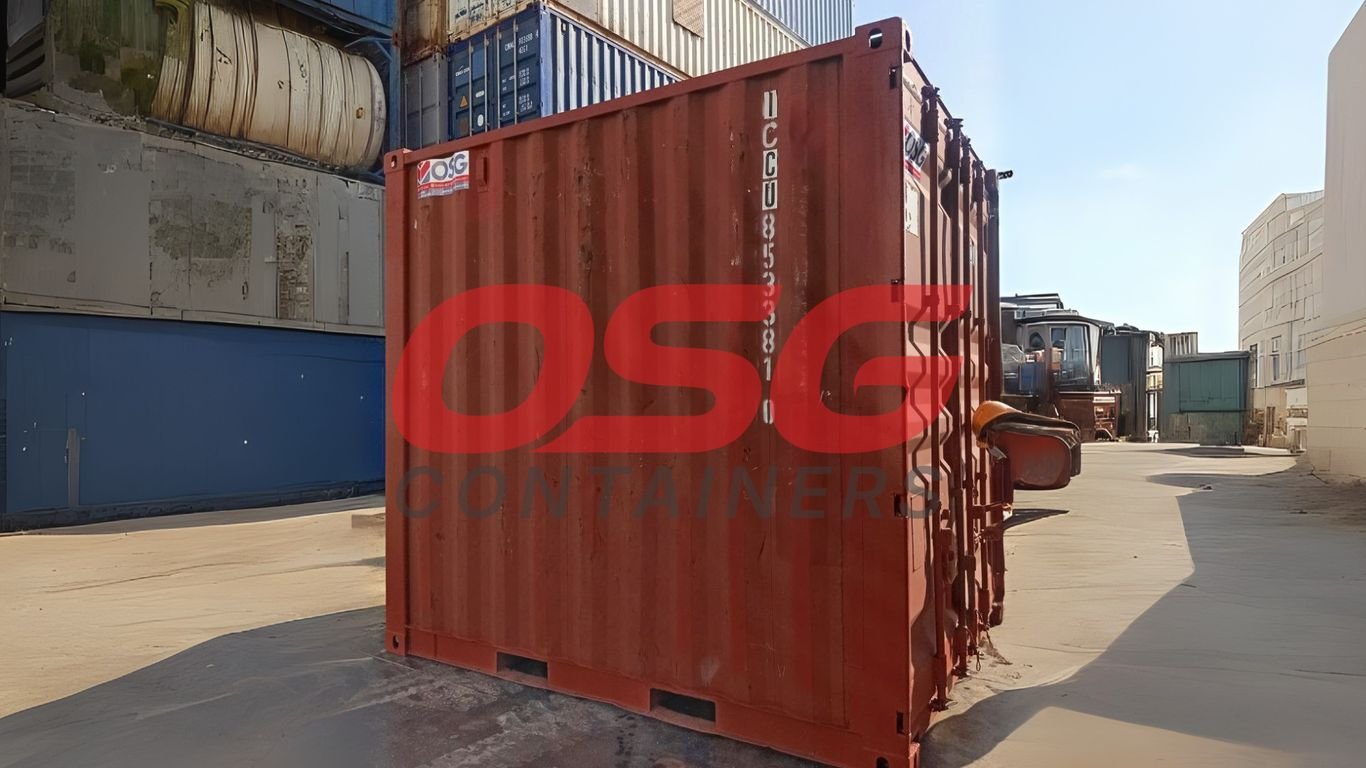
When you’re dealing with shipping or need some serious storage space, the 40ft container is a big player. It’s like the workhorse of the shipping world, right? But what exactly can you fit inside one of these metal boxes? It’s not just about guessing; there are actual measurements and weight limits to consider. We’re going to break down the dimensions, the weight specs, and even talk about the high cube version for when you need that extra bit of room. Plus, we’ll look at how people actually use these containers and what to think about when picking one for your needs. Let’s get into it.
Key Takeaways
- A standard 40ft container has external dimensions of 40ft x 8ft x 8.5ft and internal dimensions of roughly 39.5ft x 7.8ft x 7.10ft, offering about 2,390 cubic feet of space.
- The maximum gross weight for a 40ft container is typically 30,480 kg (67,200 lbs), with a tare weight around 3,750-3,900 kg, leaving a substantial payload capacity.
- The 40ft High Cube variant adds an extra foot in height (9.5ft total external), increasing cubic capacity significantly, which is great for bulky or tall items.
- These containers are used for everything from international trade and logistics to on-site storage, construction projects, and even creative conversions like homes or offices.
- Choosing the right 40ft container involves considering cargo type, transport methods, port regulations, and cost efficiency, with modifications like refrigeration also being an option.
Understanding The 40ft Container Dimensions
External Measurements For Global Compatibility
When you picture a shipping container, you’re probably thinking about its outside. These measurements are super important because they dictate how the container actually fits onto ships, trains, and trucks. Think of it like fitting furniture into a moving van – if it doesn’t fit on the truck, it’s not going anywhere. The standard external dimensions for a 40-foot container are pretty consistent worldwide, thanks to international standards.
- Length: 40 feet (12.19 meters)
- Width: 8 feet (2.44 meters)
- Height: 8 feet 6 inches (2.59 meters)
These numbers mean that no matter where you are in the world, a 40ft container will generally take up the same amount of space on transport. This standardization is a big deal for global trade, making logistics way simpler.
Internal Dimensions: What Fits Inside A Container 40ft
Okay, so the outside dimensions tell us how it travels, but what about the inside? This is where the real magic happens for packing your stuff. While the walls and structure take up some space, the interior is where you’ll be fitting your goods. The internal space is what truly defines the container’s capacity for your cargo.
Here’s a typical breakdown of what you can expect inside:
| Measurement | Imperial | Metric |
|---|---|---|
| Length | 39 feet 5 inches | 12.03 meters |
| Width | 7 feet 8 inches | 2.35 meters |
| Height | 7 feet 10 inches | 2.39 meters |
This gives you a total internal volume of about 2,390 cubic feet (or 67.7 cubic meters). It’s a lot of room, perfect for big shipments or consolidating smaller ones. Just remember, these figures can shift a little depending on who made the container and how old it is.
Door Opening Dimensions For Loading
Loading and unloading are critical steps, and the door opening size matters a lot, especially if you’re using forklifts or other equipment. You don’t want to get your cargo all the way there only to find it won’t fit through the door!
The typical door opening dimensions are:
- Width: 7 feet 8 inches (2.34 meters)
- Height: 7 feet 6 inches (2.28 meters)
Always double-check these against your largest items or equipment to avoid any last-minute headaches. It’s better to be safe than sorry when you’re dealing with large shipments.
Understanding these basic dimensions is the first step to figuring out if a 40ft container is the right choice for your needs. It’s not just about the overall size, but how that space is configured and accessible.
Weight Specifications For Your Container 40ft
When you’re thinking about stuffing things into a 40ft container, it’s not just about how much space you have inside. You also have to pay close attention to how much weight the thing can actually hold. Shipping containers are built tough, but they have limits, and going over them can cause all sorts of problems, from safety issues to damage to the container itself. Plus, different ports and transport companies have their own rules about weight.
Understanding Tare Weight and Payload
First off, let’s talk about the weight of the container itself. This is called the tare weight. For a standard 40ft container, this usually hovers around 3,750 to 3,900 kg (roughly 8,270 to 8,600 lbs). This is the weight of the empty container, including all its parts like doors and flooring. What you’re really interested in, though, is the payload – that’s the maximum weight of the cargo you can put inside. This is also known as the net load.
Maximum Gross Weight Limits
Every container has a maximum gross weight limit. This is the absolute heaviest the container can be, including both the container’s own weight (tare weight) and the cargo you load into it (payload). For most standard 40ft containers, this maximum gross weight is around 30,480 kg (or 67,200 lbs). It’s super important not to exceed this limit. Think of it like a bridge – it can only handle so much weight before it gets stressed.
Payload Capacity Variations
The actual amount of cargo you can load, the payload capacity, is what’s left after you subtract the tare weight from the maximum gross weight. So, if a container has a tare weight of 3,800 kg and a maximum gross weight of 30,480 kg, your payload capacity is about 26,680 kg (around 58,820 lbs). However, this isn’t always a fixed number. Different manufacturers might build containers with slightly different tare weights, and the type of container can also play a role. For instance, a High Cube container, while offering more space, might have a slightly higher tare weight due to its extra height, which could marginally affect its payload capacity.
Here’s a quick look at typical weight specs:
| Specification | Approximate Weight (kg) | Approximate Weight (lbs) |
|---|---|---|
| Tare Weight (Empty Container) | 3,750 – 3,900 | 8,270 – 8,600 |
| Maximum Gross Weight | 30,480 | 67,200 |
| Maximum Payload (Net Load) | 26,580 – 26,730 | 58,580 – 58,920 |
Always double-check the specific weight limits for the exact container you are using. These numbers can vary slightly, and knowing the precise limits is key to avoiding issues during transit. It’s better to be safe than sorry when it comes to heavy loads.
When planning your shipment, it’s a good idea to:
- Know the exact tare weight of your specific container.
- Calculate the weight of your cargo accurately.
- Ensure the total weight (tare + cargo) stays below the maximum gross weight.
- Be aware of any additional weight restrictions imposed by shipping lines, ports, or road transport regulations in different regions.
The High Cube Variant: Maximizing Space
So, you’ve looked at the standard 40-footer and thought, ‘Could I squeeze just a little more in there?’ Well, that’s exactly where the High Cube (HC) variant comes into play. Think of it as the standard 40ft container’s taller sibling. It’s got the same footprint – same length, same width – but it adds a whole extra foot of height. This might not sound like much, but trust me, in the world of shipping, that extra vertical real estate can make a big difference.
Dimensions Of The High Cube Container
When we talk about dimensions, the High Cube is pretty specific. It’s designed to be taller, but still fit within the global shipping infrastructure. Here’s a quick look:
- External: Roughly 40 feet long, 8 feet wide, and 9 feet 6 inches tall. That extra half-foot in height compared to a standard container is the key.
- Internal: Inside, you’re looking at about 39 feet 5 inches long, 7 feet 8 inches wide, and 8 feet 10 inches of usable height. It’s these internal measurements that really matter for packing.
Increased Cubic Capacity Explained
What does that extra height actually give you? More volume, plain and simple. A standard 40ft container holds around 67 cubic meters (CBM) of stuff. The High Cube? It bumps that up to about 76 CBM. That’s nearly 13% more space! This is a huge deal if you’re shipping items that are bulky but not super heavy, like furniture, mattresses, or even some types of machinery. You can fit more in, which means fewer containers, and potentially lower shipping costs.
Here’s a quick comparison:
| Container Type | Internal Volume (approx.) |
|---|---|
| 40ft Standard | 67 CBM |
| 40ft High Cube | 76 CBM |
This extra volume is particularly beneficial for lightweight, high-density goods where maximizing vertical space is more important than maximizing weight capacity. It allows for more efficient utilization of the container’s total potential.
Strategic Benefits Of A High Cube Container 40ft
So, why choose a High Cube? It’s not just about fitting more. There are some smart reasons:
- Accommodating Taller Items: If your cargo is just a bit too tall for a standard container – think large appliances, certain industrial equipment, or even unassembled furniture – the HC is your go-to. It solves that over-height problem without needing special permits or custom solutions.
- Optimizing for Bulky Goods: For items that take up a lot of space but don’t weigh a ton, the HC is a lifesaver. You can pack more units per container, which can significantly cut down on your per-unit shipping expense.
- Loading Flexibility: Sometimes, that extra height just makes loading and unloading easier. Forklifts have a bit more room to maneuver, and if you’re thinking about double-stacking pallets (and your cargo can handle it), the HC gives you that extra vertical clearance to make it work.
Practical Applications For A 40ft Container
So, you’ve got a 40ft container. What can you actually do with it besides just shipping stuff? Turns out, quite a lot. These big metal boxes are way more versatile than you might think, and they’ve become a go-to for all sorts of projects, big and small.
International Trade and Logistics
This is what they were originally designed for, right? Moving goods around the planet. A 40ft container is a workhorse in global trade. Because they’re standardized, they can hop from a massive cargo ship to a train, and then onto a truck without anyone having to unload and reload everything. This makes moving stuff across oceans and continents way faster and cheaper. Think about it: your product could be packed up at a factory in Asia, travel thousands of miles by sea, get put on a train across North America, and end up at a warehouse, all without the contents being touched. Pretty neat, huh?
- Global Reach: Standardized dimensions mean they fit on ships, trains, and trucks worldwide.
- Efficiency: Intermodal transport (ship-to-rail-to-truck) saves time and reduces handling damage.
- Security: Once sealed, the cargo is protected from the elements and tampering during transit.
The sheer volume a 40ft container offers makes it a cost-effective choice for bulk shipments, balancing capacity with the ease of handling that comes with standardized equipment.
Storage Solutions and On-Site Needs
Beyond just moving things, these containers are fantastic for storage. Companies often use them for extra warehouse space, especially for seasonal inventory or materials that don’t fit inside their main building. They’re also super popular for construction sites. Need a secure place to keep tools, equipment, or materials right where the work is happening? A 40ft container is your answer. You can even get them modified with extra doors or shelving to make accessing your stuff easier.
- Temporary Warehousing: Great for businesses needing extra space without building.
- On-Site Storage: Perfect for construction, events, or remote work locations.
- Secure Asset Protection: Durable steel construction keeps items safe from weather and theft.
Construction and Creative Conversions
This is where things get really interesting. People are turning these containers into all sorts of cool things. We’re talking homes, offices, workshops, even cafes or art studios. Because they’re basically pre-made, sturdy shells, they’re a great starting point for building. You can stack them, cut them up, add windows and doors – the possibilities are pretty wild. A 40ft container gives you a good amount of space to work with, making it suitable for a small home or a decent-sized studio.
| Project Type | Typical Use Case |
|---|---|
| Residential | Tiny homes, modular housing units |
| Commercial | Pop-up shops, mobile offices, event spaces |
| Industrial/Utility | Workshops, equipment housing, generator enclosures |
| Creative | Art studios, music rooms, unique retail displays |
Choosing The Right Container 40ft
So, you’ve decided a 40ft shipping container is the way to go. Great choice! But hold on, not all 40-footers are created equal, and picking the wrong one can lead to headaches down the road. It’s like buying a car – you wouldn’t get a sports car if you need to haul lumber, right? Let’s break down how to make sure you get the perfect container for your needs, whether you’re looking at new ones or considering the sale of used containers.
Matching Container Type To Cargo
This is probably the most important step. Think about what you’re actually putting inside. Is it heavy machinery? Delicate electronics? Perishable food? Or maybe you’re planning a cool conversion project?
- Standard 40ft Container: Your go-to for general cargo. It’s the workhorse for most shipments, offering a good balance of space and weight capacity. If you’re shipping standard goods, this is likely your best bet.
- 40ft High Cube Container: Need that extra bit of height? This is your guy. It’s perfect for bulky, lightweight items like furniture, mattresses, or even vehicles where that extra foot makes a big difference. It gives you about 13% more space than a standard 40ft.
- Refrigerated (Reefer) Container: If your cargo needs to stay cold (or warm!), a reefer is non-negotiable. Think produce, pharmaceuticals, or anything temperature-sensitive.
- Open Top or Flat Rack: For oversized items that won’t fit through the doors, these specialized containers are designed for awkward loads.
When you’re browsing 2nd hand containers for sale, always double-check the specific type and its condition. A dent might be fine for some uses, but it could be a deal-breaker for others.
Considering Transport Methods
How is this container going to travel? The method of transport can influence your choice.
- Sea Freight: Standard 40ft containers are built for ships. They stack well and are designed to withstand the elements at sea. High Cubes are also common, but always check port regulations for height restrictions.
- Rail and Road: These containers are designed for intermodal transport, meaning they can be easily transferred between ships, trains, and trucks. However, road transport, especially in certain regions, might have weight or height limits that could affect your choice, particularly with High Cubes.
- On-Site Storage: If the container is staying put, transport method is less of a concern, but accessibility for loading and unloading still matters.
Evaluating Cost Efficiency
Cost is always a factor, right? When looking at containers for sale, you’ll see different prices. New containers are pricier, but they come with a full lifespan ahead of them. Used containers, or 2nd hand containers for sale, can offer significant savings, but you need to be more diligent.
- New vs. Used: New containers are pristine but cost more. Used containers are cheaper, but inspect them carefully for damage, rust, and structural integrity. The sale of used containers is a huge market for a reason – affordability.
- High Cube vs. Standard: High Cubes often cost a bit more than standard 40ft containers, but if they allow you to fit more cargo, the cost per cubic foot might actually be lower. Do the math!
- Modification Costs: If you plan to modify the container, factor in those expenses. A basic container might be cheap, but turning it into an office or a home adds up.
Ultimately, the best 40ft container for you is the one that safely and efficiently holds your cargo or serves your project’s purpose without breaking the bank.
Customization And Modifications For Your Needs
Refrigeration And Ventilation Systems
So, you’ve got something that needs to stay cool or have air circulating. Standard containers are great for dry goods, but what about fresh produce, pharmaceuticals, or even certain electronics that can’t handle temperature swings? That’s where specialized modifications come in. We’re talking about reefer units, which are essentially refrigerated containers. They’re designed to maintain a consistent, chilly temperature, often adjustable to specific degrees, which is a lifesaver for perishable items. On the flip side, some cargo might not need to be cold, but it does need air. Ventilation systems can be added to prevent moisture buildup or to keep sensitive materials from overheating. Think of it like giving your cargo its own climate-controlled environment, tailored precisely to its needs.
Enhanced Access And Storage Solutions
Getting stuff in and out of a container can sometimes be a hassle, especially if you’re not using a big loading dock. That’s why modifications like extra doors are super popular. You can get containers with side doors, which really open up the possibilities for how you load and unload, especially in tight spaces. Beyond just doors, people often add shelving, racks, or even custom partitions inside. This is fantastic if you’re using the container for long-term storage, like a workshop or a mobile office. It helps keep things organized, prevents items from shifting around during transit, and makes it way easier to find what you need when you need it. It turns a big metal box into a functional workspace or storage unit.
Modifying For Unique Projects
Shipping containers are surprisingly versatile. Beyond just shipping and storage, people are turning them into all sorts of things. You see them as pop-up shops, art studios, extra rooms for a house, or even small homes. For these kinds of projects, you might need more than just a door or a shelf. Maybe you need to cut out large openings for windows, add insulation for better temperature control and soundproofing, or even connect multiple containers together to create a larger structure. Some folks even install plumbing and electrical hookups. The possibilities really are limited only by your imagination and the container’s structural integrity.
When you start thinking about modifying a container, it’s a good idea to have a clear plan. What exactly do you want to achieve? What kind of modifications will get you there? It’s not just about cutting holes; it’s about making the container work for its new purpose. Thinking through the details beforehand can save a lot of headaches and extra costs down the line.
Here are some common modifications people opt for:
- Adding windows: For natural light and a more open feel, especially in living or office spaces.
- Installing insulation: Crucial for temperature regulation and comfort, whether it’s for storing sensitive goods or living in.
- Reinforcing the structure: If you’re cutting large openings or stacking containers, structural integrity is key.
- Adding exterior cladding: To improve aesthetics or provide extra weather protection.
- Creating custom interior layouts: Including partitions, workbenches, or specialized storage systems.
So, What’s the Takeaway?
Alright, so we’ve gone through all the nitty-gritty details about what you can actually cram into a 40-foot container. It’s pretty impressive, right? Whether you’re shipping a ton of stuff overseas or just need a big, secure spot to stash things, knowing these dimensions and weight limits really makes a difference. It’s not just about guessing; it’s about planning smart so you don’t end up with a headache later. This container is a workhorse, and understanding its capacity helps you use it to its full potential, saving you time and probably some cash too. Pretty neat how a big metal box can be so important for getting things done.
Frequently Asked Questions
What are the exact outside measurements of a 40ft container?
A standard 40ft container measures 40 feet long, 8 feet wide, and 8 feet 6 inches tall on the outside. These measurements make sure they can fit onto ships, trains, and trucks all over the world.
How much stuff can actually fit inside a 40ft container?
Inside, a 40ft container is about 39 feet 5 inches long, 7 feet 8 inches wide, and 7 feet 10 inches high. This gives you a large space, around 2,390 cubic feet, perfect for big shipments or lots of items.
What’s the difference between a standard 40ft container and a High Cube container?
A High Cube container is the same length and width, but it’s a whole foot taller – 9 feet 6 inches. This extra height gives you about 13% more space, which is great for lighter but bulky items or things that are just a bit too tall for a regular container.
How much weight can a 40ft container hold?
The maximum weight a 40ft container can carry, including the container itself and your cargo, is about 67,200 pounds (or 30,480 kg). The actual amount of cargo you can put in (payload) is usually around 26,580 to 26,730 kg, but always check the container’s specific plate for exact limits.
Can I change a 40ft container for my specific needs?
Yes, you absolutely can! Containers can be changed for things like adding cooling systems for food, ventilation for sensitive items, extra doors for easier access, or even shelves for better organization. They’re quite versatile.
What are some common ways people use 40ft containers?
People use them for shipping goods all around the world, for storing things on their property, or even for building cool stuff like offices, homes, or shops. They’re tough and can be used for many different things beyond just shipping.


