
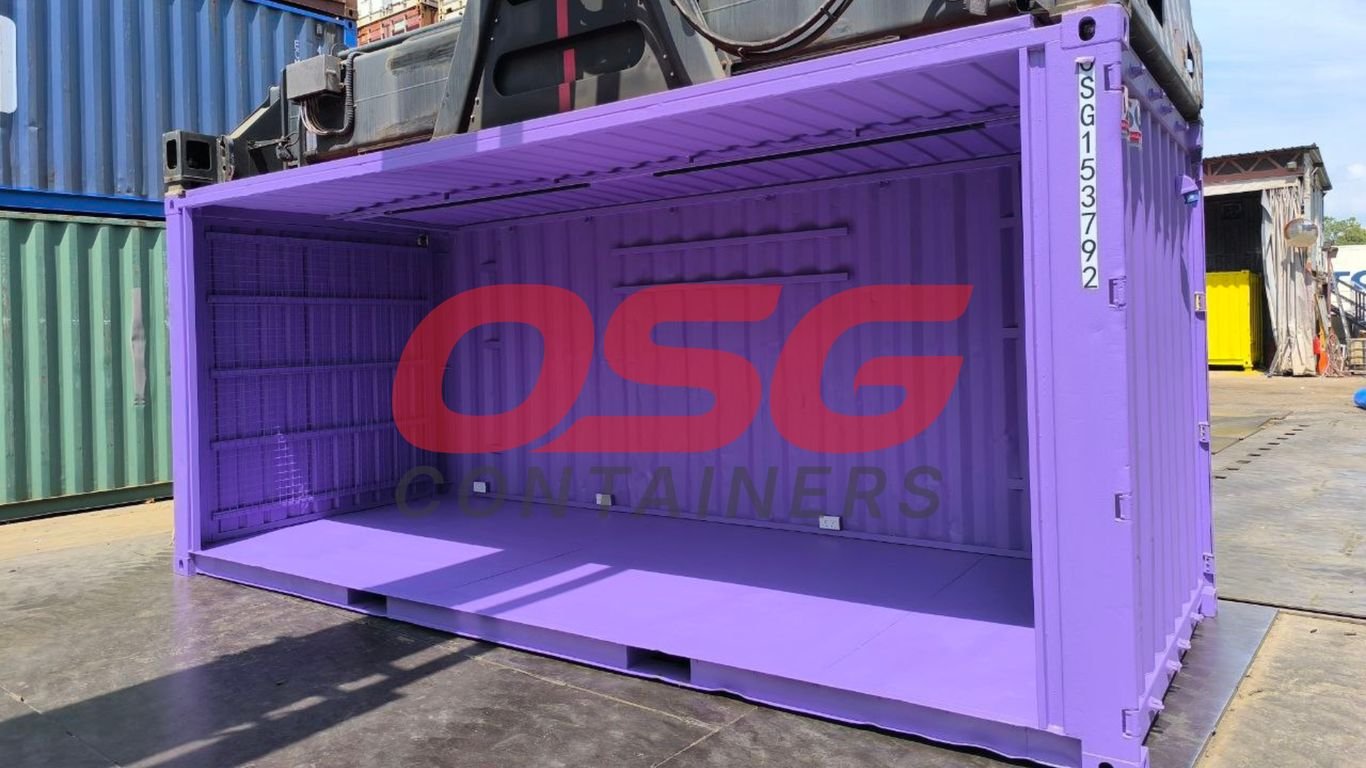
So, you’re looking into shipping containers, huh? Maybe for a project, storage, or just to move some stuff. You’ve probably heard the terms ‘standard’ and ‘high cube’ thrown around. What’s the big deal? Well, that extra foot of height in a high cube container can actually make a pretty significant difference, whether you’re stacking boxes or building a tiny home. Let’s break down what makes these taller containers special and when they’re the right choice.
Key Takeaways
- High cube containers offer an extra foot of height compared to standard ones, which is great for creative projects like tiny homes, offices, or studios, allowing for things like loft beds or taller shelving.
- The added headroom in a high cube container is beneficial for specialized conversions, making it easier to install complex systems or build multi-level spaces without feeling cramped.
- When dealing with bulky or tall items, the extra vertical space in a high cube container can be the difference between fitting your cargo or not, but always check door dimensions too.
- While generally more expensive upfront, a high cube container can sometimes be more cost-effective by allowing you to fit more goods, potentially reducing the number of shipments needed.
- Always consider site restrictions, like low bridges or tight spaces, as the extra height of a high cube container might pose transport challenges in certain areas.
1. Creative Project Uses
High cube containers really open up a world of possibilities when you start thinking outside the box, or rather, inside the taller box. That extra foot of height might not sound like a lot, but it makes a surprising difference for all sorts of projects.
Think about it: you can actually add loft beds in tiny homes, install taller shelving units for better storage, or just have more comfortable ceiling space so you don’t feel like you’re constantly ducking. This extra room is a big deal for making a container feel more like a real living or working space, not just a metal box.
Here are a few ways people get creative with them:
- Tiny Homes and ADUs: That extra height is perfect for adding a sleeping loft or just making the main living area feel less cramped. You can even fit standard-sized kitchen cabinets without feeling like you’re in a dollhouse.
- Home Offices and Studios: Need space for tall equipment, a standing desk, or overhead storage? A high cube gives you the room to set up a functional and comfortable workspace.
- Pop-Up Shops and Cafes: Creating an inviting retail space is easier when you have more vertical room for displays, signage, or even just a higher counter.
- Workshops and Garages: If you’re working on projects that involve tall items or need room for overhead tools and storage, the extra height is a lifesaver.
The extra vertical space isn’t just about fitting more things in; it’s about creating a more pleasant and practical environment. It allows for design choices and functionalities that are tough to achieve in a standard container without a lot of extra work and cost.
These containers are fantastic for projects where headroom is key to functionality and comfort. Whether you’re building a backyard office, a small guest house, or a unique retail space, the high cube’s extra height can make all the difference.
2. Specialized Conversion Headroom
That extra foot of height in a high cube container really makes a difference when you’re planning out a conversion. It’s not just about fitting more stuff; it’s about making the space feel right and work practically. Think about trying to install a proper ventilation system, build a small loft for sleeping, or even just put in standard kitchen cabinets. In a regular container, you might find yourself bumping your head or having to get really creative with layouts, which can be a pain and sometimes even more expensive in the long run.
High cubes give you that bit of breathing room. This extra vertical space can be a game-changer for:
- Living spaces: Adding a sleeping loft or just having higher ceilings can make a tiny home feel much less cramped.
- Workshops or studios: You can fit taller equipment, install overhead storage shelves, or have more comfortable space for creative projects.
- Offices or retail: Higher shelving units or more impressive display setups become possible.
- Complex installations: Things like HVAC systems, plumbing, or electrical conduits are easier to install when you have more room to work.
The added height isn’t just about aesthetics; it directly impacts the functionality and comfort of your converted space. It allows for more sophisticated designs and avoids the feeling of being boxed in, which is a common complaint with standard containers.
While a standard container might work for basic storage, if you’re aiming for something more involved, like a functional living area or a specialized workspace, that extra height in a high cube is often a necessity, not just a luxury. It simplifies the conversion process and leads to a much better end result.
3. Handling Bulky and Tall Items
When you’ve got stuff that’s just a bit too big for a regular shipping container, a high cube really comes in handy. That extra foot of height might not sound like much, but it can be the difference between your cargo fitting or not. It’s not just about the inside space, though. You’ve got to think about the door opening too. Sometimes, something might technically fit inside, but if it’s rigid and can’t be tilted, it might be too tall to get through the door. Always check both the inside height and the door dimensions before you commit.
Here’s a quick look at how the heights compare:
| Container Type | Internal Height (approx.) | Best For |
|---|---|---|
| Standard | 8′ 6″ (2.6 m) | General cargo, heavier items, standard pallets |
| High Cube | 9′ 6″ (2.9 m) | Bulky items, furniture, machinery, tall pallets |
This extra space is a lifesaver for things like:
- Furniture: Think sofas, beds, and cabinets that often need that bit more vertical room.
- Machinery and equipment: Larger pieces that might not clear the door opening on a standard container.
- Lightweight but voluminous goods: Items like foam products or large packaged goods that take up a lot of space but don’t weigh much.
For items that are exceptionally tall or oddly shaped, you might even need to look at specialized options like open-top or flat-rack containers. But for most taller goods, the high cube is usually the most practical and cost-effective choice.
Remember to measure your cargo carefully, including any packaging, and always double-check the container’s door dimensions. Sometimes, you might need to angle or tilt items to get them through the opening.
4. Accessibility and Site Restrictions
So, you’ve got your eye on a high cube container. That extra foot of height is pretty sweet for storage or workspace, right? But before you get too excited, let’s talk about where this thing is actually going to live. Getting it there and making sure it fits is half the battle.
Think about the journey. If your container needs to travel through areas with low bridges, tunnels, or tight city streets, that extra height could be a major headache. Standard containers are generally easier to maneuver in these situations. It’s like trying to fit a tall person through a short doorway – it just doesn’t work without some serious planning, or maybe a different door.
Here’s what to consider for placement:
- Overhead Obstructions: Look up! Are there trees, power lines, or awnings that could get in the way? That extra height on a high cube needs clear vertical space.
- Ground Conditions: The delivery truck is heavy. Is the ground firm and level? Soft mud or uneven surfaces can cause problems, leading to failed deliveries or even damage.
- Access Routes: Can a large truck actually get to your site? Tight turns, narrow driveways, or steep inclines can make delivery impossible.
It’s not just about the destination, but the path to get there. You might need to check local regulations too. Some towns have rules about where you can place containers, even temporarily. A quick call to your local planning or building department can save you a lot of trouble down the line. They might require a permit, and it’s always better to have it in writing.
Don’t forget to measure your intended spot. Seriously, grab a tape measure and check the dimensions, including any potential overhead issues. It’s way easier to find out now than when the truck is sitting there, unable to unload.
5. Modification and Conversion Potential
When you start thinking about turning a shipping container into something else – like an office, a tiny home, or even a workshop – the potential for modification really comes into play. It’s not just about having a metal box; it’s about how you can shape it to fit your needs. This is where the differences between standard and high cube containers become pretty important.
Standard containers are often the go-to for simpler projects. They’re great if you just need a basic storage unit or a straightforward workspace. Think of them as a blank canvas for projects that don’t require a lot of extra vertical room. They’re usually a bit cheaper, which is a plus when you’re on a budget and just need a solid structure.
- Good for: Simple storage, basic workshops, temporary offices.
- Pros: Lower cost, readily available, easier to handle for basic modifications.
- Cons: Limited headroom can make some conversions feel cramped.
Now, high cube containers really shine when you get a bit more creative. That extra foot of height might not sound like much, but it makes a huge difference. It means you can add things like loft beds, taller shelving units, or even just have more comfortable ceiling space. This extra room is a game-changer for making a container feel more like a permanent living or working space.
- Ideal for: Tiny homes, container offices with more amenities, retail pop-ups, studios.
- Benefits: Increased usable space, better for taller items or fixtures, feels more open.
- Considerations: Slightly higher initial cost, potential for increased transportation fees.
Let’s talk about that headroom. For certain projects, it’s not just a nice-to-have, it’s a must-have. Imagine trying to install a complex ventilation system, build a mezzanine level, or even just fit standard-sized kitchen cabinets. A standard container might leave you struggling for space, forcing awkward workarounds or limiting your design options. High cubes give you that breathing room, making the installation process smoother and the final result more functional and aesthetically pleasing.
The extra height in a high cube container isn’t just about fitting more stuff; it’s about creating a more comfortable and practical environment. It opens up possibilities for interior design and functionality that are simply not feasible in a standard container without significant, costly modifications.
6. Stacking and Storage Capabilities
High cube containers are built to be stacked, just like their standard counterparts. This is a pretty standard practice in shipping yards and ports, where space is always at a premium. The extra height of a high cube means that when you stack them, the overall height of the stack goes up. This is usually not an issue at major shipping hubs because they have really tall cranes and equipment designed for it.
However, if you’re planning to store these containers on your own property, you’ve got to be mindful of that extra foot. Make sure whatever lifting gear you’re using can safely handle the increased height. It’s also important to consider stability, especially if you’re stacking different types of containers. Putting a standard container on top of a high cube, for instance, means the bottom container needs to be strong enough to take the weight, and the whole stack needs to be secure.
Here’s a quick rundown of what to think about:
- Height Clearance: Always check the maximum stacking height your equipment can manage and the total height of the stack you intend to build.
- Weight Distribution: Ensure the container at the bottom of a stack can support the weight of the containers above it. High cubes, especially when loaded, can be heavy.
- Ground Stability: The ground where you stack containers must be firm and level to prevent shifting or tipping.
- Interlocking Features: Many containers have corner castings designed to interlock, which helps with stability when stacked.
When stacking, especially with high cubes, it’s not just about fitting more in. It’s about doing it safely and making sure the structure is sound. Always err on the side of caution and consult with professionals if you’re unsure about load capacities or stability.
The ability to stack containers is a core part of efficient logistics, and high cubes offer this benefit while demanding a bit more attention to height and stability.
7. Cost Considerations
When you’re trying to figure out which container is the right fit, the price is definitely a big part of the picture. But it’s not just about what you pay when you first get it. You’ve also got to think about how much it’ll cost to move it around and if that extra space might actually save you money down the road. Sometimes, spending a bit more upfront on a high cube container makes sense because you can pack more in, meaning fewer trips or shipments. Other times, a standard container is perfectly fine and just easier on the wallet.
The initial purchase price is usually higher for high cube containers compared to their standard counterparts. This is mostly because they use a bit more steel to get that extra height. While the difference might not seem huge on a single unit, it can add up if you’re buying several.
Here’s a rough idea of how prices can compare:
| Container Type | Approximate Purchase Price Difference |
|---|---|
| Standard | Base Price |
| High Cube | + $200 – $500 (approx.) |
Beyond the purchase price, think about transportation. While both types fit on the same trucks and ships, that extra height on a high cube can sometimes cause issues. If your delivery route has low bridges or tunnels, you might need a special route or even different transport, which could cost more. It’s always a good idea to check the route beforehand.
The real value of a container isn’t just its sticker price. It’s about how well it fits your needs. If you’re shipping tall items or planning a conversion where every inch counts, the extra space in a high cube can be a huge benefit, potentially saving you money on shipping or making your project much more functional. If you don’t need that extra height, sticking with a standard container is usually the more budget-friendly option.
Here are a few things to keep in mind:
- Upfront Cost: High cubes generally cost more to buy than standard containers.
- Transportation: Factor in potential extra costs for routes with height restrictions for high cubes.
- Long-Term Savings: Consider if the extra space in a high cube can reduce the number of shipments needed, saving money over time.
- Empty Weight: High cubes are typically a bit heavier when empty, which can slightly impact transport weight calculations, though usually not significantly.
8. Purchase Price Comparison
When you’re looking at buying a shipping container, the price tag is definitely something to consider. It’s not always a huge difference, but it’s there. Generally speaking, a standard container is going to be a bit cheaper than a high cube. Think of it like this: the high cube needs a little more steel to get that extra foot of height, and that extra material costs money. So, you’re usually looking at a slightly higher upfront cost for the high cube.
Here’s a rough idea of what that difference might look like:
| Container Type | Approximate Purchase Price Difference |
|---|---|
| Standard | Base Price |
| High Cube | + $200 – $500 (approx.) |
This isn’t a hard and fast rule, of course. Sometimes, depending on the supplier and the market, the prices can shift. But as a general guideline, expect to pay a bit more for the extra vertical space.
Remember, this is just the sticker price. You also need to think about how much it costs to get it to you and if that extra space will actually save you money down the line by fitting more cargo or making a conversion easier. It’s all part of the bigger picture.
Also, keep in mind that the empty weight of the container can play a small role in transportation costs. A 40-foot high cube is typically a bit heavier than a standard 40-foot container. While it might only be a few hundred pounds difference, it can add up if you’re moving a lot of them or if you’re really close to weight limits for shipping.
- Standard Containers: Usually the most budget-friendly option upfront.
- High Cube Containers: Cost a bit more due to extra material and height.
- Market Fluctuations: Prices can vary between suppliers and over time.
So, while the high cube costs a little more initially, it’s worth weighing that against the potential benefits for your specific project or shipping needs.
9. Optimizing for Efficiency and Cost
Alright, so you’ve got your eye on a container, maybe a high cube, maybe a standard. The big question now is how to make sure you’re not overspending or getting something that just won’t cut it. It’s all about getting the most out of your money, right?
Think about it like this: sometimes, that extra foot of height in a high cube container means you can cram more stuff in, or arrange it better, so you need fewer trips or fewer containers overall. That can actually save you cash in the long run, even if the container itself costs a bit more upfront. On the flip side, if you’re just storing some basic tools or shipping items that aren’t particularly tall, a standard container might be perfectly fine and a lot cheaper. The trick is to not pay for space you’ll never use, or worse, end up with a container that’s too small and causes headaches.
Here’s a rough idea of how the space and cost can compare:
| Container Type | Length | Approx. Interior Volume (cu ft) | Relative Volume Advantage | Potential Cost Factor |
|---|---|---|---|---|
| Standard (GP) | 40 ft | 2,350 | 1x | Base |
| High Cube (HC) | 40 ft | 2,694 | ~1.15x | Higher |
When you’re figuring out the best deal, don’t forget to factor in the empty weight of the container itself. A slightly heavier high cube might mean a bit more cost for transport, especially if you’re pushing weight limits. It’s a small detail, but it adds up.
- Assess your actual needs: Don’t just grab the biggest or smallest. Figure out what you’re actually putting inside.
- Compare shipping costs: Get quotes for both standard and high cube options for your specific route.
- Consider modification costs: If you plan to change the container, factor that into the total price.
- Look at rental vs. purchase: For short-term needs, renting might be way cheaper than buying.
The real savings come from matching the container type to your specific job. Paying a bit more for a high cube might be smart if it means you avoid needing a second container, or if that extra height makes your workspace much more comfortable and productive. It’s about finding that sweet spot where you get the space you need without paying for a ton of unused volume.
Ultimately, the goal is to make a smart choice that fits your budget and your project perfectly. Don’t be afraid to ask questions and get all the numbers before you commit.
10. Consulting Shipping Professionals
So, you’ve been looking at all the options for cargo containers, maybe a 40feet container, or even a specific hc container. It can get pretty confusing, right? Trying to figure out the best fit for your project, especially if you’re looking at something like a container in Malaysia or anywhere else, can feel like a big task. That’s where talking to the experts really makes a difference.
These folks deal with shipping containers day in and day out. They know the market, the different types available, and what works for various situations. They can help you avoid common pitfalls and make sure you’re getting exactly what you need without overspending.
Here are a few things they can help with:
- Understanding availability: Knowing which types of containers, like high cubes or standard 40-footers, are actually in stock near you.
- Navigating pricing: Getting clear quotes that include all costs, not just the sticker price.
- Choosing the right condition: Deciding between new, used, or "wind and watertight" containers based on your project’s needs.
- Logistics and delivery: Figuring out the best way to get the container to your site, especially if access is tricky.
Don’t underestimate the value of professional advice. A quick chat with a shipping container specialist can save you time, money, and a whole lot of hassle down the road. They’ve seen it all and can offer insights you might not even think to consider.
They can also advise on things like modifications, permits, and insurance, making sure your entire container journey is smooth sailing.
So, Which Container is Right for You?
Alright, so we’ve talked a lot about high cube containers and their standard cousins. Honestly, there’s no single ‘winner’ here because it really boils down to what you’re trying to do. If you’re shipping a bunch of regular stuff and trying to keep costs down, a standard container is probably your best bet. But if you’ve got taller items, bulky things, or you’re planning some kind of cool conversion project like a tiny home or an office, that extra foot of height in a high cube container can make all the difference. Just remember, the high cube usually costs a bit more upfront and you need to make sure it can get where it’s going without hitting any low bridges. Think about your cargo, your budget, and where it needs to end up, and you’ll pick the right one.
Frequently Asked Questions
What’s the main difference between a standard container and a high cube container?
The biggest difference is height! High cube containers are about a foot taller than standard ones. Think of it like getting an extra floor in your storage unit. This extra space is great for fitting taller items or just packing more stuff in.
How much more space does a high cube container actually have?
A high cube container gives you significantly more room inside. For example, a 40-foot high cube can hold around 2,694 cubic feet of stuff, while a standard 40-foot container holds about 2,350 cubic feet. That’s a lot of extra room for your goods!
Are high cube containers more expensive than standard ones?
Yes, they usually cost a bit more. This is because they use more materials to be built and are often in high demand for projects that need that extra height. But, sometimes the extra space can save you money by letting you fit more into one container instead of needing two.
Can I use a high cube container if I have height limits where I’m going?
That’s something to watch out for. Because they’re taller, high cube containers might not fit under low bridges, in tunnels, or in places with strict height limits. It’s always best to check the route and destination beforehand.
Which type of container is better for building things like homes or offices?
High cube containers are often preferred for building projects like homes, offices, or shops. That extra foot of height gives you more headroom, making the space feel less cramped and easier to work with for custom designs.
If I’m shipping heavy items, does it matter which container I choose?
For very heavy items, a standard container might be a slightly better choice. While high cubes have more space, loading them with extreme weight can put more stress on their structure. Standard containers are often considered more stable for really heavy loads.


