
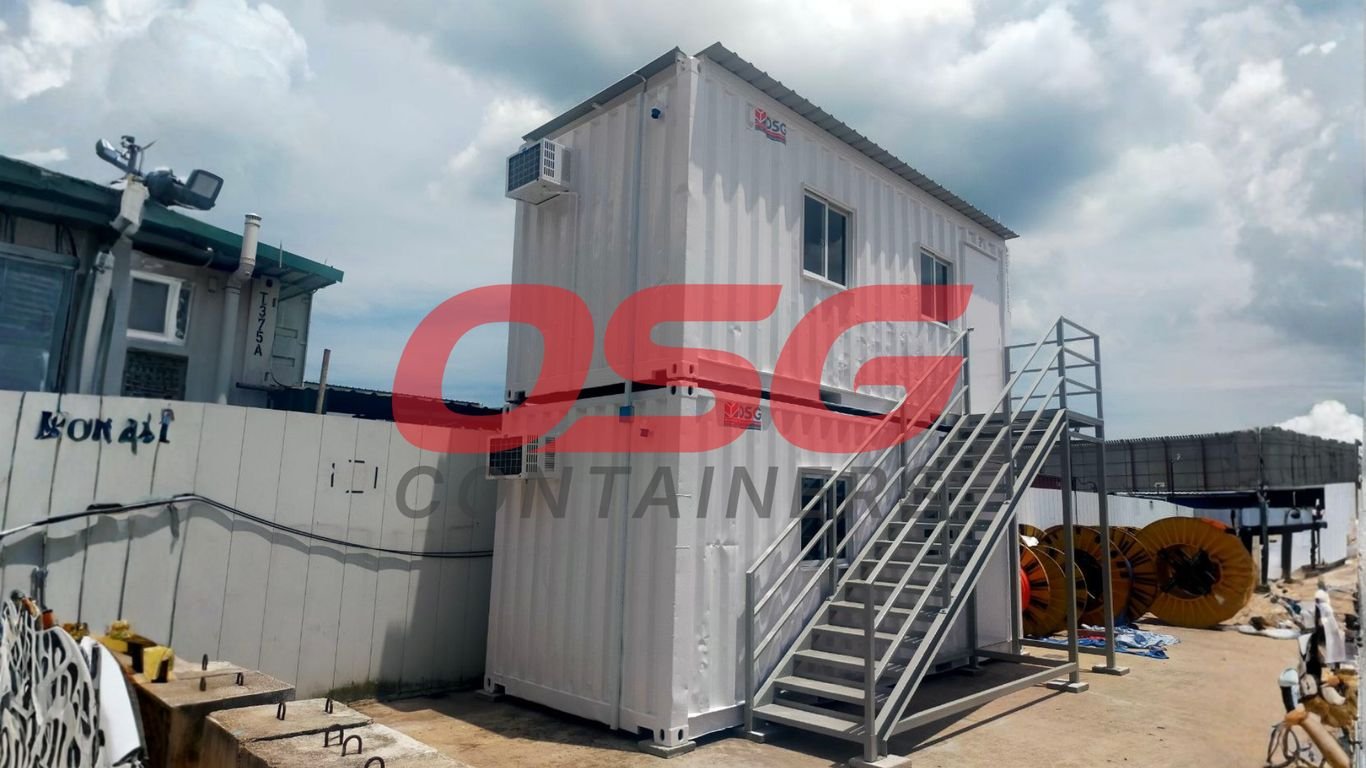
So, you’re thinking about building something cool, maybe a home, an office, or even a small shop. And you’ve heard about using those big metal boxes, shipping containers. Specifically, the high cube sea can. They seem like a good idea, right? They’re strong, they’re everywhere, and people are doing amazing things with them. But what’s the real deal? Let’s break down why a high cube sea can might just be the secret ingredient for your next project.
Key Takeaways
- High cube sea cans are built tough, designed to handle rough travel, meaning they’re super strong for building.
- Using these containers gives you a lot of freedom to design something really unique, not just a plain box.
- Giving an old high cube sea can a new life as a building is a smart way to be eco-friendly.
- Building with a high cube sea can can be a cost-effective choice, especially if you plan smart.
- These containers are flexible, making them easy to move and adapt to different building sites and project styles.
The Enduring Strength Of High Cube Sea Cans
Built To Withstand The Toughest Journeys
These aren’t your average metal boxes. High cube sea cans, whether you’re looking at a standard 20 foot sea container or a larger model, are engineered for serious travel. They’re designed to handle the rough and tumble of ocean voyages, meaning they can take a beating. Think about it: they’re stacked high on ships, exposed to salt spray, and jostled around. This means the steel they’re made from is robust, built to resist bending and damage. When you’re considering one for a build, this inherent toughness is a huge plus. It means the basic structure is already incredibly solid, ready to face whatever weather or conditions you throw at it.
Longevity For Generations To Come
Because they’re built so tough, these containers have a seriously long lifespan. We’re not talking about a few years here; these things are made to last for decades. The corrugated steel construction is resistant to a lot of wear and tear. While you’ll want to check any used container for rust and structural integrity – especially around welds and corners – the core material is designed for durability. This means a properly prepared and maintained container build can stand strong for a very long time, potentially outlasting many traditional structures. It’s a solid foundation that can literally last for generations.
Security For Your Valuables
Beyond just withstanding the elements, the strength of a high cube sea can also translates to security. Their robust steel construction makes them difficult to breach. When you’re using one for storage or even as part of a home or business, you can have peace of mind knowing that your belongings are well-protected. The heavy-duty doors and locking mechanisms, when in good working order, add another layer of defense. This makes them a great option if you need a secure space for valuable items, equipment, or even just to keep your family safe. It’s like having a mini-fortress ready to go, whether it’s a 20 ft sea container or a larger unit.
Unlocking Unique Design Possibilities With High Cube Sea Cans
It might seem a little strange, right? These big, metal boxes are all made to be exactly the same. They’re built for shipping, not for looking fancy. But that’s where the magic happens. Because they’re so uniform, you can do almost anything with them to make them totally unique. Think of it like a blank canvas – the canvas is standard, but the painting can be anything you imagine.
Transforming Uniformity Into Uniqueness
This is the really cool part. You take these identical containers and turn them into something completely your own. It’s not about the container itself being special; it’s about what you do with it. Architects and builders are getting super creative, stacking them, cutting them, joining them, and cladding them in all sorts of materials. You can end up with a home that looks nothing like a shipping container from the outside, or you can embrace the industrial look. The possibilities really are endless when you start thinking outside the box – or, well, inside the box!
Endless Customization Options
When we talk about customization, we mean it. You can change pretty much everything. Need a big open living space? Just remove the walls between two containers. Want a second story? Stack another container on top. You can add windows and doors anywhere you want, cut out sections for balconies, or even create multi-level structures that blend containers with traditional building methods. It’s like a giant, industrial-sized LEGO set.
Here’s a quick look at how different container sizes can be adapted:
| Container Size | Potential Use Cases |
|---|---|
| 20′ Standard | Small studio, office pod, retail kiosk |
| 20′ High Cube | Tiny home, extra storage space, workshop |
| 40′ Standard | Larger home, multi-room office, cafe |
| 40′ High Cube | Spacious family home, multi-unit dwelling, unique commercial space |
Innovative Architectural Applications
People are using these containers for all sorts of projects you might not expect. We’re seeing them as trendy cafes, modern art galleries, student housing, and even emergency shelters. They can be designed to fit into tight urban spaces or placed in remote natural settings. Some designs even incorporate green roofs or solar panels, making them both stylish and eco-friendly. It’s amazing how these humble boxes are being reimagined into structures that are both functional and visually striking.
The real beauty of using high cube sea cans for building lies in their adaptability. They provide a strong, predictable base that allows for immense creative freedom. Whether you’re aiming for a minimalist aesthetic or a complex, multi-story design, the container’s inherent structure supports a wide range of architectural visions.
It’s not just about making a house; it’s about creating a space that reflects your personality and needs, and these containers give you a lot of freedom to do just that. You can really make something special without being limited by traditional building constraints.
The Sustainable Advantage Of Reusing High Cube Sea Cans
When we talk about being eco-friendly, the first thing that often comes to mind is recycling. But honestly, recycling is kind of the last resort. The real heroes in waste management are reducing and reusing. And that’s exactly where high cube sea cans shine. Instead of just melting down old steel, we’re giving these sturdy boxes a whole new life.
Giving Containers A Second Life
Think about it: these containers have already traveled the world, carrying goods across oceans. They’re built tough, designed to handle a lot. Once they’ve finished their shipping career, they’re often just sitting around. Instead of letting them become scrap metal, which takes a lot of energy to process, we can repurpose them. This means we’re not using as many new raw materials for construction, which is a big win for the planet. It’s like getting a whole extra life out of something that’s already served its purpose.
Reducing Material Waste
Building with containers is a fantastic way to cut down on construction waste. Traditional building projects can generate a ton of leftover materials. With a container, you’ve got a pre-made structure. You’re not cutting down trees for lumber or mining for new metals in the same way. Even a standard 20foot container, when repurposed, diverts a significant chunk of material from the landfill. It’s a more minimalist approach to building, using less overall.
Supporting Eco-Conscious Building Practices
Using high cube sea cans for builds is a clear signal that you’re thinking green. It aligns perfectly with the growing movement towards sustainable living and construction. It’s not just about having a cool, unique building; it’s about making a responsible choice. This approach helps reduce the carbon footprint associated with manufacturing new building supplies. Plus, it encourages innovation in how we think about materials and construction.
Building with repurposed containers is a smart way to be resourceful. It’s about seeing potential in something that others might discard. This mindset shift is key to creating a more sustainable future for construction.
Here’s a quick look at why reusing is better than just recycling:
- Recycling: Requires significant energy to break down materials and create new ones. You get raw materials back, but the process itself uses a lot of power.
- Reusing: Takes the existing product and gives it a new function. This saves the energy that would have been used to create a new product from scratch.
- Reducing: The best option, which involves using fewer materials in the first place. Container builds can contribute to this by being smaller and more efficient.
So, next time you see an old shipping container, don’t just think of it as junk. Think of it as a building block for a more sustainable future.
Cost-Effectiveness Through Smart High Cube Sea Can Builds
Leveraging Container Strengths For Savings
Building with high cube sea cans can be a really smart way to save money, but you’ve got to go into it with your eyes open. These things are built tough, designed to handle rough seas and heavy loads, which means they’re already a solid structure before you even start. Think about it – you’re not paying for raw materials to build walls from scratch. You’re starting with a pre-made, super strong shell. This can cut down on labor and material costs significantly compared to traditional building methods. The trick is to work with the container’s shape and strengths, not against them. Trying to force a square peg into a round hole, so to speak, will just drive up costs.
Realistic Expectations For Budgeting
It’s easy to get excited about the potential savings, but it’s important to be realistic. While the container itself might be cheaper than building a traditional foundation and framing, there are other costs to consider. Things like site preparation, permits, specialized labor for modifications (like cutting openings for doors and windows), insulation, plumbing, and electrical work all add up. Don’t forget about transportation to your site and any necessary cranes or heavy equipment. Setting a clear budget upfront and researching all potential expenses is key to avoiding sticker shock later on.
Comparing Conversion Project Costs
Looking at what others have done can give you a good idea of what to expect. Different types of container conversions have different price tags. A simple setup will obviously cost less than a complex, custom-designed home or commercial space. Here’s a rough idea:
| Original Use | Converted Use | Estimated Cost Range |
|---|---|---|
| Standard 20′ Container | Mobile Retail Shop | $10,000 – $15,000 |
| Refrigerated 40′ Container | Gourmet Kitchen Space | $20,000 – $30,000 |
| High Cube 40′ Container | Off-the-Grid Home | $50,000 – $70,000 |
Keep in mind these are just estimates. The actual cost will depend heavily on your location, the condition of the container, and the level of finish you’re going for. It’s always a good idea to get quotes from a few different conversion specialists if you’re not doing it yourself.
Building with containers is a bit like buying a used car. You can get a great deal if you know what you’re looking for and are willing to do a little homework. But if you just jump in without understanding the potential issues, you might end up with more problems than you bargained for. It’s about smart choices and understanding the value you’re getting.
Flexibility In Construction And Placement
One of the really cool things about using high cube sea cans for building projects is just how adaptable they are. Think about it: these things are designed to be shipped all over the world, right? That means they’re built to be moved easily by boat, train, or truck. This built-in mobility translates directly into a huge advantage for construction and where you can actually put your building.
Adaptable To Various Building Scenarios
Whether you’re dreaming of a small backyard office, a unique retail space, or even a multi-story dwelling, sea cans can fit the bill. Their standardized sizes make them predictable, but their adaptability is where the magic happens. You can use a single container, or you can connect multiple units together in all sorts of configurations. This means you’re not stuck with a rigid design; you can really tailor the space to what you need.
- Single Container Use: Perfect for small, focused spaces like studios, workshops, or even a tiny home. They’re quick to set up and require minimal modification.
- Multi-Container Combinations: Stack them, place them side-by-side, or create L-shapes and U-shapes. This allows for much larger and more complex layouts, opening up possibilities for homes, offices, or community buildings.
- Hybrid Designs: Combine containers with traditional building materials. This can help blend the industrial look of the container with more conventional aesthetics or create larger, open-plan areas.
Ease Of Transportation And Site Integration
Getting your building to its final location is often a big hurdle, but with sea cans, it’s usually much simpler. Because they’re designed for transport, most standard cranes and flatbed trucks can handle them. This makes delivery and placement on-site pretty straightforward, even in areas that might be tricky for conventional construction.
The existing global infrastructure for moving shipping containers means that getting your building materials to your site is often less complicated and potentially less expensive than sourcing and transporting traditional building supplies.
Factory Fit-Outs Or DIY Projects
Here’s another area where sea cans offer serious flexibility: how you actually build them out. You have two main paths, and both have their perks.
- Factory Fit-Out: Many companies specialize in taking containers and doing a lot of the heavy lifting (pun intended!) in a controlled factory environment. This means things like cutting openings, welding frames, installing insulation, and even putting in basic plumbing and electrical can be done before the container even arrives at your site. This can speed up on-site construction significantly and often leads to a higher quality finish because it’s done by pros in a workshop.
- DIY Projects: If you’re hands-on and looking to save money or just enjoy the process, a DIY approach is totally doable. You can buy a container and work on it yourself, or with friends, over time. This gives you complete control over every step and can be a really rewarding experience. Just be prepared for the physical work involved and make sure you have the right tools and safety gear.
No matter which route you choose, the inherent strength and modular nature of high cube sea cans make them incredibly versatile for a wide range of building projects.
Addressing Common Challenges In High Cube Sea Can Construction
So, you’re thinking about using a high cube sea container for your build. That’s awesome! They’re strong, pretty affordable, and can look really cool. But like any building project, there are a few bumps in the road you should know about. It’s not all smooth sailing, but these are definitely problems you can solve.
Overcoming Space Limitations
One of the first things people notice about a high cube sea container is its width. They’re typically only 8 feet wide. When you add in walls and insulation, you’re left with an interior space that’s just over 7 feet. This can feel pretty cramped, especially if you’re used to a regular house or have a larger family. The good news is that this isn’t a deal-breaker. You can join multiple containers together side-by-side to create wider living areas. Another trick is to use the space between two containers as your main living area and keep the containers themselves for things like bathrooms, kitchens, or storage. It takes a bit more planning and some extra construction work, but it’s totally doable.
Strategic Insulation Placement
Insulating a metal container is different from a traditional wood-frame house. Since the metal walls are part of the structure, there’s no easy cavity to stuff insulation into. This means you’ll be putting insulation either on the inside or the outside of the container walls. Putting it on the inside eats up more of that already limited space. Putting it on the outside means you’ll need to cover it up to make it look nice and protect it. It’s a trade-off you’ll need to figure out based on your design and how much space you can afford to lose.
Navigating Building Regulations
This can sometimes be the trickiest part. Building officials might not be super familiar with container homes, and the rules can change depending on where you are. What’s allowed in one town might be a headache in another. It’s a good idea to talk to your local building department early on. They can tell you exactly what permits you’ll need and what codes you have to follow. Sometimes, you might need to make a few design tweaks to get everything approved, but most people find a way to make it work. Consulting with a local architect or contractor who has experience with container builds can save you a lot of time and stress.
Here’s a quick look at common considerations:
- Width: Standard containers are narrow. Solutions involve joining units or using the space between them.
- Insulation: Requires careful planning for interior or exterior application, impacting space and aesthetics.
- Permits: Local regulations vary; early consultation with authorities is key.
- Foundation: Needs to be properly designed to support the container’s weight and any modifications.
Building with high cube sea containers is a bit like solving a puzzle. You have these strong, pre-made boxes, but you need to figure out how to make them work for living. It requires creative thinking and a willingness to adapt, but the end result can be a unique and sturdy home.
Wrapping It Up
So, when you look at it all, using high cube shipping containers for building projects really does make a lot of sense. They’re tough, they’re a smart way to reuse materials, and honestly, they give you a ton of freedom to get creative with your design. Plus, they can be a really budget-friendly option if you plan things out right. While they aren’t perfect and do come with their own set of quirks to figure out, the advantages, especially that extra height, often outweigh the challenges. It’s definitely a building method worth considering for your next project, whether it’s a home, an office, or something totally different.
Frequently Asked Questions
Are high cube sea cans really strong enough for building?
Absolutely! These containers are made of tough steel and are built to handle rough journeys across the ocean. This means they’re super strong and can last for a very long time, making them a solid choice for building.
Can I make a container home look unique?
Yes! Even though containers look the same, what you do with them is totally up to you. You can change them, connect them, and design them in so many ways to create a building that’s one-of-a-kind. It’s like turning a blank canvas into a masterpiece.
Is using old sea cans good for the environment?
Definitely. Instead of making new materials, you’re giving these used containers a second life. This helps reduce waste and uses fewer resources, which is a great way to be eco-friendly.
Are container builds cheaper than regular houses?
They can be! While it’s not always cheaper, building with containers can save you money, especially if you plan smart, choose a good size, and do some of the work yourself. It’s all about working with what the container offers.
Is it easy to move and set up a container building?
Yes, containers are designed to be moved easily by ship, truck, or train. This makes them flexible for different building spots. You can even have them finished in a factory before they’re brought to your site.
What are the main challenges when building with containers?
One common issue is that the rooms inside can feel a bit narrow. You might also need to think carefully about where to put insulation so it’s effective and looks good. Plus, you’ll need to make sure your build follows all the local building rules.


