
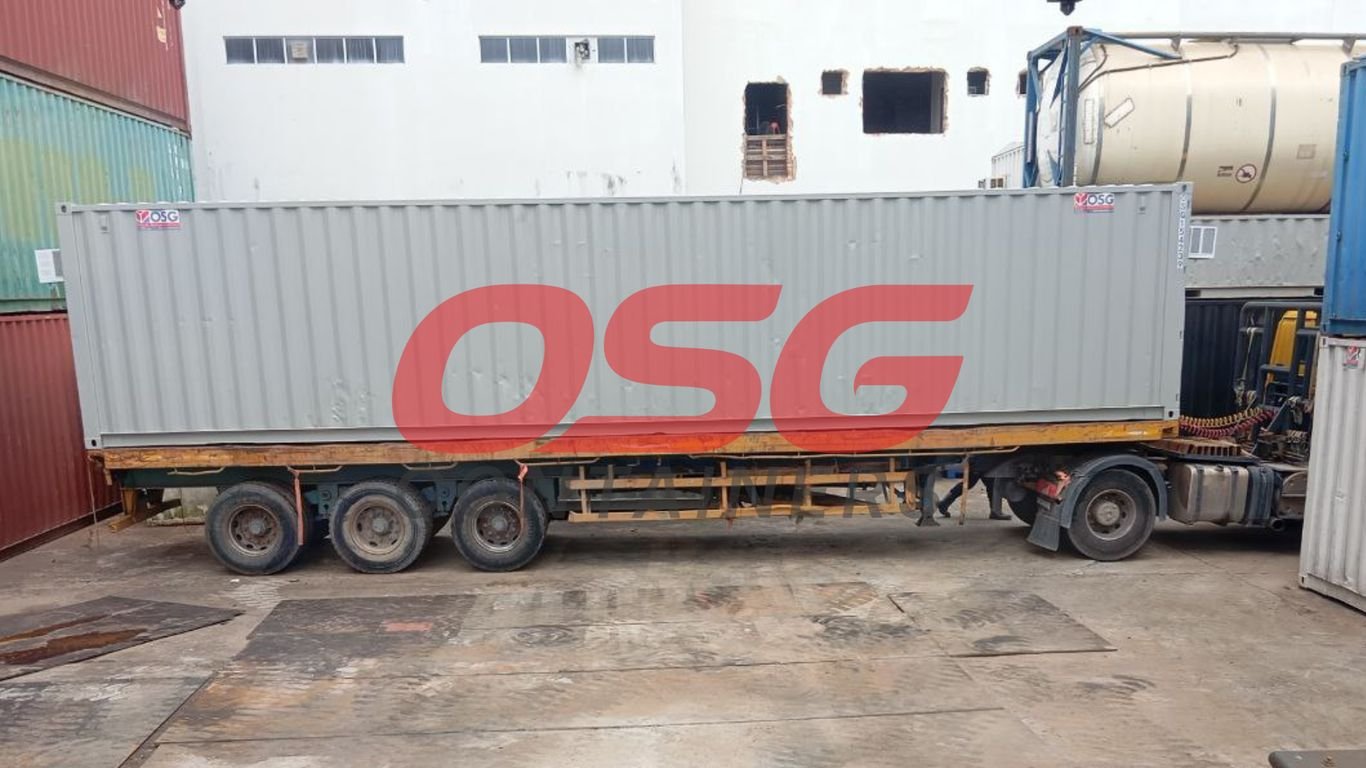
Ever wondered how all that stuff gets from overseas factories right to your door? Or maybe you’ve seen those cool homes made from giant metal boxes and thought, ‘How’s that done?’ Well, a lot of it comes down to the 40ft shipping container. This big guy is a workhorse in moving goods around the world, and it’s also become super popular for building things, storing stuff, and even starting businesses. It’s way more than just a metal box; it’s a flexible solution for a bunch of different needs.
Key Takeaways
- The 40ft container is a standard size in global shipping, offering significant cargo space for international trade.
- Beyond shipping, these containers are versatile for on-site storage, modular construction like homes and offices, and unique business ventures.
- Choosing a 40ft container provides large storage capacity, cost-effective logistics per cubic foot, and robust durability.
- Different types of 40ft containers exist, including standard dry, high cube, reefer, open-top, and flat rack, each suited for specific cargo needs.
- Whether new or used, a 40 container represents a long-term investment with potential for modification and repurposing, contributing to sustainability.
Understanding The 40ft Shipping Container
What Is A 40ft Shipping Container?
So, what exactly is this big metal box we keep talking about? A 40ft shipping container is basically a standardized, heavy-duty steel box. Think of it as the workhorse of global trade. These containers are built to strict international rules, which means they fit onto ships, trains, and trucks without a fuss. They’re designed to handle rough seas, bumpy train rides, and everything in between. This standardization is a huge reason why global shipping works so smoothly. Whether you’re looking for a shipping container sale for a big project or just need to move a lot of stuff, the 40ft size is a common go-to.
Key Features Of A 40ft Container
These containers aren’t just big; they’re built tough. They’re made from a special kind of steel called Corten steel, which is really good at resisting rust and the elements. This means they can sit outside for years and still be in good shape. Plus, they’re designed to be wind and water-resistant, keeping whatever’s inside safe and dry. They also come with secure locking systems, which is pretty important if you’re storing valuable items or using it for a business. And because they’re all the same size, they stack really well on top of each other, which saves a ton of space on cargo ships and in storage yards.
Dimensions And Specifications
Knowing the exact measurements is key, especially when you’re planning a shipping container sale or figuring out if it’ll fit on your property. The standard 40ft container is a pretty specific size:
| Specification | Measurement (Imperial) | Measurement (Metric) |
|---|---|---|
| External Length | 40 ft | 12.19 m |
| External Width | 8 ft | 2.44 m |
| External Height | 8.6 ft | 2.59 m |
| Internal Volume | ~2,390 cubic ft | 67.7 m³ |
| Max Payload | ~59,000 lbs | 26,760 kg |
There’s also a ‘High Cube’ version, which is about a foot taller, giving you more headroom. This is super handy if you’re planning to convert it into something like a small office or a living space. The container size 40ft, especially the High Cube, offers a lot of usable space for its footprint.
When you’re looking at a 40ft container, remember that the internal space is slightly less than the external measurements due to the thickness of the walls and doors. Always factor in a little bit of lost space for practical planning.
Here are some other things to keep in mind:
- Tare Weight: This is how much the empty container weighs. For a standard 40ft, it’s around 8,380 lbs (3,800 kg).
- Corrosion Resistance: The Corten steel used is designed to form a protective rust layer, making it last much longer outdoors.
- Stackability: They are built to be stacked up to 9 high on ships, showing their structural integrity.
- ISO Certified: This means they meet international standards for handling and transport, making them universally compatible.
Versatile Applications Of The 40ft Container
So, you’ve got this big metal box, the 40ft container. What can you actually do with it besides just shipping stuff? Turns out, quite a lot. These things are way more adaptable than you might think, popping up in all sorts of places.
Global Freight Transport
This is what they were made for, right? Moving goods across oceans and continents. Think about all the products you buy that came from somewhere else – chances are, a 40ft container was involved. It’s the backbone of international trade, letting businesses send huge amounts of product efficiently. Whether it’s electronics from Asia or machinery from Europe, these containers make it happen.
On-Site Storage Solutions
Forget renting a storage unit miles away. If you’re running a construction site, you need your tools and materials close by. A 40ft container is perfect for this. It’s secure, weather-proof, and you can just plop it right where you need it. Retailers also use them for extra stock during busy seasons, or event organizers for equipment. It’s like having a secure warehouse on your doorstep.
Modular Construction And Housing
This is where things get really interesting. People are building homes, offices, and even cafes out of these containers. They’re strong, readily available, and can be modified pretty easily. You can stack them, connect them, and add windows and doors. It’s a faster, often cheaper way to build, and it’s gaining traction, especially for unique or off-grid projects. Think of a cool, modern tiny home or a pop-up shop that looks sharp.
Innovative Business Ventures
Businesses are getting creative. Imagine a mobile coffee shop that can move to different locations, or a pop-up art gallery. A 40ft container is a great base for these kinds of ventures. You can brand it, set it up quickly, and relocate it when needed. It cuts down on the overhead of a traditional storefront. Even specialized uses, like setting up a temporary clinic or a hydroponic farm, are becoming common. For example, finding a reliable reefer container malaysia can allow businesses to transport temperature-sensitive goods efficiently within the region.
The adaptability of the 40ft container means it’s not just for shipping anymore. It’s becoming a go-to for temporary structures, unique housing, and mobile businesses, offering a practical and often cost-effective alternative to traditional building methods.
Here’s a quick look at how they’re being used:
- Transport: Moving everything from electronics to furniture across the globe.
- Storage: Securing tools on construction sites or extra inventory for shops.
- Construction: Forming the basis of homes, offices, and retail spaces.
- Business: Creating mobile shops, cafes, and event spaces.
- Specialized Uses: Housing temporary medical facilities or agricultural setups.
Advantages Of Choosing A 40ft Container
So, why has the 40ft container become such a big deal in shipping and beyond? It really comes down to a few key things that make it a smart choice for a lot of different projects. It’s not just about moving stuff from point A to point B anymore; these containers offer some serious benefits that are hard to ignore.
Exceptional Storage Capacity
Let’s start with the obvious: these things are huge. A standard 40ft container gives you a massive amount of space, close to 2,400 cubic feet, to be exact. Think about what that means. You can fit the contents of a pretty big house in there, like a 3 or even 4-bedroom place. This makes them perfect for storing large quantities of goods, whether you’re a business with a lot of inventory or just someone needing to move a lot of belongings. It’s a lot of bang for your buck when it comes to sheer volume.
Cost-Effective Logistics
When you break it down, using a 40ft container often makes more financial sense than you might think. You get more space for your money compared to smaller containers. This means that if you fill it up, the cost per cubic foot of shipping or storage goes down. It’s a simple equation: more space equals lower per-unit cost. This efficiency is a big reason why global shipping relies so heavily on this size. It just makes economic sense for moving large amounts of goods across the world.
Durability and Security
These containers are built tough. They’re made from strong, corrosion-resistant steel, which means they can handle pretty rough weather and tough environments, whether they’re out at sea or sitting on a construction site. Plus, they’re designed to be locked down tight. This security is a major plus, whether you’re storing valuable equipment or shipping sensitive goods. You can have a lot more peace of mind knowing your stuff is protected from the elements and from people who shouldn’t be getting into it.
Long-Term Value and Investment
Buying a 40ft container isn’t just a one-time use purchase; it can actually be a pretty good investment. With proper care, these containers can last for 20 years or even more. And when you’re done using it for its original purpose, it doesn’t just become scrap. You can sell it, or better yet, repurpose it. People turn them into homes, offices, workshops, and all sorts of other things. This ability to be reused and repurposed means it holds its value over time, making it a more sustainable and financially sound choice in the long run.
The sheer volume, combined with robust construction and the potential for a second life, makes the 40ft container a practical and economical choice for a wide range of needs. It’s a workhorse that keeps on giving.
Here’s a quick look at what you can expect:
- Massive Interior Space: Roughly 2,390 cubic feet of usable volume.
- High Payload Capacity: Can typically carry up to 59,000 lbs of cargo.
- Built to Last: Constructed from Corten steel for superior weather resistance.
- Secure Locking System: Designed for tamper-proof cargo protection.
- Repurposing Potential: Easily converted into various functional structures.
Types Of 40ft Containers And Their Uses
So, you’ve decided a 40ft container is the way to go. That’s great! But did you know they aren’t all the same? Just like you wouldn’t use a regular car for hauling lumber, different shipping containers are built for different jobs. Understanding these types is key to getting the right one for your needs, whether you’re shipping goods or looking for cheap containers for sale for a project.
Standard Dry Containers
This is your workhorse, the most common type you’ll see. It’s a big, sturdy metal box designed for general cargo. Think of anything that doesn’t need special temperature control or handling. They’re built tough, made from Corten steel to resist rust and the elements, which is why they last so long. These are the go-to for most international shipping needs.
High Cube Containers
These look a lot like standard dry containers, but they’ve got an extra foot of height. That might not sound like much, but it makes a big difference, especially if you’re stacking them or using them for construction. That extra headroom is super handy for taller items or when you’re converting them into living spaces or offices. More space means more possibilities!
Specialized Containers (Reefer, Open Top, Flat Rack)
Now we get into the more niche, but equally important, types:
- Refrigerated (Reefer) Containers: These are basically giant, mobile refrigerators. They have built-in cooling units and are perfect for shipping anything perishable, like food, pharmaceuticals, or sensitive chemicals. They need a power source to run, so keep that in mind.
- Open Top Containers: Imagine a standard container, but without a roof. Instead, it has a removable tarp. This is fantastic for cargo that’s too tall to fit through the doors or needs to be loaded from above using a crane. Think large machinery or awkward construction materials.
- Flat Rack Containers: These are even more specialized. They have no side walls or roof, just a base and two ends. They’re designed for really oversized items that wouldn’t fit in any other container, like boats, large vehicles, or industrial equipment. They offer a lot of flexibility for oddly shaped cargo.
Choosing the right type of container from the start can save you a lot of hassle and money down the line. Don’t just grab the first one you see; make sure it fits your specific cargo or project requirements perfectly.
Here’s a quick rundown:
| Container Type | Primary Use |
|---|---|
| Standard Dry | General cargo, everyday shipping |
| High Cube | Taller cargo, modular construction |
| Refrigerated (Reefer) | Perishable goods, temperature-sensitive items |
| Open Top | Over-height cargo, overhead loading |
| Flat Rack | Oversized, irregularly shaped cargo, vehicles |
So, whether you’re looking for cheap containers for sale for storage or need a specialized unit for a unique shipment, there’s a 40ft container out there for you.
Acquiring And Preparing Your 40ft Container
So, you’ve decided a 40ft container is the way to go. Awesome! But before you can start filling it with stuff or turning it into a tiny home, there are a couple of big steps: getting it and getting it ready.
New Versus Used 40ft Containers
This is a big decision, and it really comes down to your budget and what you plan to do with the container. New containers, often called ‘one-trip’ containers, have only made one journey from the factory. They’re in great shape, usually free of dents and rust, and come with that ‘new car smell’ but for steel boxes. They’re pricier, though.
Used containers, on the other hand, have seen some action. They might have a few dings, some surface rust, or maybe a faded paint job. But hey, that’s character, right? They’re significantly cheaper, which can be a huge plus if you’re on a tight budget or planning to modify the container heavily. Just make sure to inspect them carefully for any structural damage or serious rust issues.
- New Containers: Best for pristine condition, long-term projects where appearance matters, and when budget isn’t the primary concern.
- Used Containers: Great for budget-conscious buyers, temporary storage, or projects where cosmetic flaws are acceptable.
- ‘Wind and Watertight’ (WWT) Grade: A common used container grade that means it’s structurally sound and doesn’t leak, but might not look pretty.
Cost Considerations For A 40ft Container
Okay, let’s talk money. The sticker price of the container itself is just the start. You’ve got to factor in a few other things that can add up:
- Delivery Fees: This can vary a lot depending on how far away you are from the supplier and the type of truck used.
- Modifications: If you’re cutting doors, adding windows, or insulating, that’s going to cost extra.
- Permits: Depending on where you live and what you’re doing with the container, you might need permits from your local government.
- Site Preparation: You’ll likely need a level spot, maybe a gravel pad or concrete foundation, which costs money.
Always get a few quotes and ask for a detailed breakdown of all costs involved before you commit. Hidden fees can really sneak up on you.
Delivery And Site Preparation
Getting the container to your location is a whole operation. These things are heavy and need special trucks to move them. You’ll need to make sure the delivery truck can actually get to where you want the container placed. Think about:
- Access: Can a big truck drive in and out easily? Is there enough space to turn around?
- Ground Condition: Muddy or uneven ground can make placement tricky and potentially delay delivery. A level, firm surface like gravel or concrete is ideal.
- Clearance: Make sure there are no low-hanging wires or branches where the container needs to go.
Proper site preparation is key to a smooth delivery and safe placement. It avoids potential damage to the container and your property, and saves you from costly rescheduling fees. Don’t underestimate the space needed – you’ll want plenty of room around the container for access and future use.
Transforming The 40ft Container
Creative Modification Ideas
So, you’ve got a 40ft shipping container, maybe for storage, maybe you’re thinking bigger. The cool thing is, these things are like giant metal LEGO bricks for adults. You can do a lot more with them than just stash stuff. People are turning them into everything from tiny homes to cool pop-up shops. It really just depends on what you need and how much imagination you’ve got. Think about it: you can add windows, doors, insulation, even plumbing and electricity if you want to get fancy. It’s a blank canvas, really.
Here are some popular ways people are giving these containers a new life:
- Homes and Cabins: Forget traditional building for a minute. A 40ft container can become a surprisingly cozy and modern living space. With proper insulation and finishing, you can have a functional kitchen, bathroom, and living area. They’re great for guest houses, backyard offices, or even as a primary residence if you’re going for a minimalist or off-grid lifestyle.
- Retail and Business Spaces: Need a shop but don’t want the huge overhead of a brick-and-mortar store? A 40ft container can be converted into a stylish boutique, a coffee stand, a workshop, or even a small restaurant. They’re easy to brand, relatively quick to set up, and can be moved if your business needs to relocate. Imagine a cool, industrial-chic look for your brand.
- Workshops and Studios: For hobbyists, artists, or small businesses, a container offers a secure and dedicated space. You can set it up as a woodworking shop, an art studio, a mechanic’s bay, or even a soundproof music room. The durability of the container means your tools and projects are safe and protected.
Sustainability Through Repurposing
Using a 40ft shipping container for something other than its original purpose is a really smart way to be more eco-friendly. Instead of making brand new building materials, we’re giving these sturdy steel boxes a second act. It cuts down on waste and uses up resources that are already out there. Think about all the containers that have finished their shipping journey – they’re just sitting around. Repurposing them means less demand for new steel and less landfill. Plus, when you convert them into homes or offices, they can be made very energy-efficient with good insulation and solar panels. It’s a win-win for your project and the planet. It’s a big step towards greener building practices, especially if you’re looking at options in places like shipping container malaysia where space and resources might be managed differently.
Repurposing a 40ft shipping container significantly reduces the environmental impact compared to traditional construction. It diverts industrial waste from landfills and lessens the demand for virgin building materials, contributing to a more circular economy.
Maintenance For Longevity
Even though these containers are built tough, they aren’t completely maintenance-free. To make sure your converted container lasts for ages, whether it’s a home, office, or storage unit, a little regular care goes a long way. You don’t want rust or leaks ruining your investment, right?
Here’s a quick rundown of what to keep an eye on:
- Check for Rust: Especially around the roof seams, door edges, and corners. If you spot any, sand it down, prime it, and give it a fresh coat of paint. It’s way easier to fix small spots than a big rusty mess later.
- Doors and Seals: Make sure the rubber seals around the doors are in good shape. They keep the weather out. Also, give the hinges and locking mechanisms a bit of grease now and then so they don’t seize up.
- Interior Moisture: Condensation can be a problem, leading to mold or damage to whatever you’ve stored inside. Good ventilation or using moisture absorbers can help a lot. Keep an eye on the floor too; it’s usually thick plywood and can rot if it gets too damp.
- Exterior Paint: Every few years, it’s a good idea to inspect the exterior paint. A new coat can protect the steel from the elements and keep it looking good. Use a good quality, rust-inhibiting paint.
Taking these simple steps will help your 40ft container stay strong and useful for many, many years to come.
The Mighty 40ft Container: A True Global Workhorse
So, there you have it. This big metal box, the 40ft container, is way more than just something you see on ships or trains. It’s become this really important piece of how the world moves stuff around, and honestly, how people build things too. From shipping your online orders to becoming someone’s home or a cool pop-up shop, its strength and size make it super useful. It’s a solid choice for moving goods, storing things, or even starting a business, and it’s not going anywhere anytime soon. It’s a simple, tough, and pretty smart way to get things done, both big and small.
Frequently Asked Questions
What exactly is a 40ft shipping container?
Think of a 40ft shipping container as a giant, super-strong metal box. It’s built to carry tons of stuff all around the world, whether by ship, train, or truck. These boxes are all the same size, which makes loading and moving them super easy for everyone involved in shipping.
How much can you fit inside a 40ft container?
A 40ft container is huge! It can hold about 2,390 cubic feet of stuff. That’s roughly enough space to pack up a 3 to 4-bedroom house. It’s also strong enough to carry up to 59,000 pounds of cargo.
Can I use a 40ft container to build a house?
Absolutely! People all over the world are turning these containers into cool homes, offices, and even cafes. They’re a fast, budget-friendly, and eco-friendly way to create unique living or working spaces.
How much does a 40ft container typically cost?
The price can change, but a brand-new 40ft container usually costs between $5,000 and $7,000. If you get a used one that’s still in good shape, you might pay around $3,000 to $4,500. Renting one is also an option, costing about $100 to $250 each month.
What’s the difference between a standard 40ft container and a ‘High Cube’ one?
The main difference is height! A ‘High Cube’ 40ft container is about one foot taller than the standard one. This extra space is super handy if you’re building something like a house where you need more headroom, or if you’re shipping items that are just a bit too tall.
Is it better to buy a new or used 40ft container?
It really depends on what you need. If you want something that looks perfect and will last the longest, a new one (often called ‘one-trip’) is great. But if you’re on a tighter budget or plan to change it up, a used container can be a fantastic deal. Just make sure to check it for any damage or rust!


