
You see them everywhere, right? Those big metal boxes stacked high on ships or rattling down the highway on trucks. They’re called intermodal containers, and honestly, they’re kind of the unsung heroes of getting stuff from point A to point B, especially when that point B is across the ocean. Without them, the way we get our hands on everything from electronics to fresh produce would be way more complicated and expensive. Let’s take a look at why these containers are so important.
Key Takeaways
- Intermodal containers are the backbone of global trade, making it possible to move goods efficiently between ships, trains, and trucks.
- Their standardized sizes mean goods can be loaded once and then transferred between different transport methods without needing to be repacked, saving time and money.
- These containers are built tough from steel, protecting cargo from weather and rough handling during long journeys.
- From regular dry boxes to refrigerated units for food, there are different types of intermodal containers for all sorts of cargo.
- Using intermodal containers helps lower shipping costs and makes global markets more accessible for businesses of all sizes.
The Foundation Of Global Trade: Intermodal Containers
Before the big metal boxes we see everywhere today, moving goods across the world was a real headache. Think about it: every time a shipment changed from a ship to a train, or a train to a truck, people had to unload everything and then load it all again. It was slow, expensive, and a lot of stuff got damaged or lost. Then, in the mid-20th century, a guy named Malcom McLean had this idea. He figured, why not put the goods in a standardized box that could just be moved from one vehicle to another without unpacking? That simple concept changed everything.
Revolutionizing Cargo Handling
McLean’s innovation wasn’t just about a box; it was about a system. He pushed for standardized sizes, like the 20-foot and 40-foot containers we know today. This meant that ports, ships, trains, and trucks could all be designed to handle these specific sizes efficiently. Suddenly, loading and unloading became much faster. Instead of individual items, you were moving whole containers. This drastically cut down on labor costs and the time it took to get goods from point A to point B.
- Reduced handling time: Goods are loaded once into the container.
- Minimized damage: Less manual handling means fewer broken or lost items.
- Increased security: Containers are sealed, offering better protection against theft.
Seamless Integration Across Transportation Modes
The real magic of these containers is their ability to move between different types of transport without a hitch. This is what ‘intermodal’ means – using multiple modes of transport. A container can be loaded onto a ship at a port in Asia, then transferred to a train in North America, and finally put on a truck for delivery to a warehouse. This smooth transition is what makes global supply chains work so well today. It’s like a universal language for cargo.
The standardization of container sizes and the infrastructure built around them created a global network where goods could flow more freely than ever before. This interconnectedness is the backbone of modern international commerce.
Ensuring Security And Protection Of Goods
These containers aren’t just simple boxes; they’re built tough. Made from strong steel, they can withstand harsh weather, rough seas, and the bumps of road and rail travel. They are designed to be stacked high on ships and in yards, making good use of space. Plus, they come with locking mechanisms and seals that show if anyone has tried to tamper with them, giving businesses peace of mind that their products are safe during their long journeys.
Key Features Driving Intermodal Efficiency
Versatility and Adaptability
These containers are built to be moved between different types of transport without a fuss. Think of it like this: a box that can go on a big ship, then get put on a train, and finally loaded onto a truck, all without needing to unpack and repack the stuff inside. This makes moving goods across the country or even across oceans way simpler. It means companies can adjust their shipping plans pretty easily if something changes, like a sudden rush of orders or a need to ship more goods for a while. It’s all about making the movement of cargo flexible.
Standardized Dimensions For Streamlined Handling
One of the biggest reasons intermodal containers work so well is that they all pretty much come in standard sizes. You’ve got the common ones like 20-foot and 40-foot lengths, and they’re all built to specific widths and heights. This standardization is a game-changer for loading and unloading. Cranes, forklifts, and other equipment are designed to handle these exact dimensions, which speeds things up a lot at ports and rail yards. It also means they fit neatly onto ships, trains, and trucks, making the best use of space.
Here’s a quick look at the most common sizes:
| Container Type | Length (ft) | Width (ft) | Height (ft) |
|---|---|---|---|
| Standard Dry Van | 20 | 8 | 8.5 |
| Standard Dry Van | 40 | 8 | 8.5 |
| High Cube | 40 | 8 | 9.5 |
Durability and Longevity In Rigorous Conditions
These containers aren’t made of cardboard, that’s for sure. They’re typically constructed from strong, corrugated steel. This material is chosen because it can handle a lot of weight, resist dents and damage, and stand up to all sorts of weather – from salty sea air to freezing rain. They’re designed to be stacked high on ships and trains, so they need to be tough. This robust construction means the goods inside are protected from theft, weather, and the bumps and shakes that come with long-distance travel. They’re built to last for years, even with constant use in demanding environments.
Diverse Applications Of Intermodal Containers
Specialized Containers For Varied Cargo
Intermodal containers aren’t just one-size-fits-all boxes. They’ve been adapted to handle a huge range of stuff, from delicate electronics to bulk raw materials. The standard sizes, like the popular 20gp container and the larger 40gp container, are great for general cargo. But when you need something specific, there are options. Think about things that don’t fit neatly into a regular box, or materials that need special handling. That’s where the variety comes in.
Refrigerated Units For Perishable Goods
When you’re shipping things that can spoil, like fresh produce, dairy, or even certain medicines, you need more than just a regular box. That’s where reefer containers come in. These are basically giant, mobile refrigerators. They have built-in cooling systems that can keep the temperature exactly where it needs to be, from freezing cold to just cool. This is super important for making sure that food arrives fresh and that temperature-sensitive items don’t get ruined during their long journey across oceans or continents. Without these, a lot of the global food trade just wouldn’t be possible.
Tank Containers For Liquids And Gases
Transporting liquids and gases safely and efficiently is another big job for specialized containers. Tank containers, often made of strong steel, are designed specifically for this. Whether it’s chemicals, fuel, or even food-grade liquids like cooking oil, these tanks are built to handle the pressure and prevent leaks. They come in different sizes, but a common one is the 40 high q container size, which can hold a significant volume. This makes moving large quantities of bulk liquids much easier and safer than older methods.
The adaptability of intermodal containers means that almost anything can be shipped globally, provided the right container type is used. This flexibility is a major reason why global trade flows so smoothly today.
Here’s a quick look at some common container types and their uses:
- Standard Dry Van Containers: Used for general cargo. Available in sizes like 20ft and 40ft.
- High Cube Containers: Offer extra height for more volume, often used for lighter, bulkier goods.
- Refrigerated (Reefer) Containers: Maintain specific temperatures for perishable items.
- Tank Containers: Transport bulk liquids and gases.
- Open Top Containers: For oversized cargo that needs to be loaded from the top.
Intermodal Containers And Global Economic Impact
It’s pretty wild when you think about how much these big metal boxes have changed the world. Before they became common, shipping stuff across countries was a real headache. Lots of manual labor, slow processes, and a high chance of things getting damaged or lost. Then came the intermodal container, and bam! Things got a whole lot simpler and faster.
Reducing Costs And Enhancing Efficiency
Basically, these containers let us move goods from a factory to a customer using ships, trains, and trucks without having to repack anything. This saves a ton of time and money. Think about it: no more unloading everything from a ship, then loading it onto a truck, then maybe onto a train. It all just slides from one to the other. This efficiency means businesses can ship more for less.
Here’s a quick look at how that cost saving adds up:
- Labor Savings: Less manual handling means fewer workers needed for loading and unloading.
- Reduced Damage: Goods are protected inside the container, leading to fewer claims for damaged items.
- Faster Transit: Quicker transfers between transport modes cut down overall shipping times.
- Optimized Storage: Containers can be stacked efficiently, making better use of space on ships and in yards.
The ripple effect of these cost reductions is huge. Businesses that can ship goods more cheaply can afford to sell them for less, making products more accessible to more people around the globe. It’s a win-win that fuels more buying and selling.
Facilitating Market Expansion
Because shipping is now so much easier and cheaper, companies aren’t just limited to selling things in their own country anymore. They can easily send their products to customers on the other side of the planet. This opens up whole new markets that were practically unreachable before. It’s like the world got a lot smaller, and suddenly, a small business in one country can find customers everywhere.
This ability to reach new places helps in a few ways:
- Diversifying Sales: Companies don’t have to rely on just one market.
- Accessing New Resources: Businesses can also more easily import materials they need from different countries.
- Increased Competition: More companies entering new markets means more choices for consumers.
Boosting Economic Growth And Job Creation
All this increased trade and efficiency naturally leads to more economic activity. When businesses can sell more and operate more smoothly, they tend to grow. This growth often means they need to hire more people, both in manufacturing and in the logistics side of things – like port workers, truck drivers, and warehouse staff. Plus, the money spent on shipping and related services circulates through the economy, supporting various industries and creating a positive cycle of growth. It’s a pretty direct link: easier shipping equals more trade, which equals more jobs and a stronger economy overall.
Ensuring Interoperability Through Standards
International Safety and Compatibility Standards
Think about it: if every container was a different size or had different locking points, moving goods around the world would be a total mess. That’s where international standards come in. They’re like the universal language for containers, making sure they can play nice with ships, trains, and trucks everywhere. These standards are the backbone of making sure a container packed in China can be easily handled in Germany, and then again in Brazil.
Key standards you’ll often hear about include:
- ISO 6346: This one is all about how containers are identified and marked. It gives them their unique numbers and codes so everyone knows exactly which container is which.
- ISO 1496: This covers the actual dimensions and testing of containers. It dictates things like how big they can be and how strong they need to be to survive the journey.
- CSC (Container Safety Convention) Regulations: These rules, overseen by the International Maritime Organization (IMO), focus on the safety of the container itself, including regular inspections and maintenance.
Without these agreements, the whole system would break down. It’s a lot of agreement between countries and companies to make sure things just work.
Container and Chassis Integration
So, you’ve got your standardized container. Great. But how does it actually move? It needs something to sit on, right? That’s where the chassis comes in – basically, the trailer frame that connects the container to a truck. For this to work smoothly, the container and the chassis have to be designed to connect perfectly.
This means the container needs specific corner castings, which are like built-in handles, and the chassis needs to have the right locking mechanisms to grab onto those castings securely. It’s a bit like a puzzle piece fitting into another. If they don’t match up, you can’t move the container, or worse, it might not be secure.
The connection between a container and its chassis is more than just a physical link; it’s a critical point of transfer that demands precision engineering and adherence to strict compatibility guidelines. A secure and correct fit prevents accidents and ensures the efficient movement of goods from one transport mode to the next.
This integration is vital for safety and speed. Imagine trying to load a container onto a truck, but the twist locks don’t quite catch. It would cause massive delays and be a huge safety risk.
Choosing a Reliable Equipment Partner
When you’re dealing with the global movement of goods, you can’t just pick any old company to supply your containers or chassis. You need partners who understand these standards inside and out and build equipment that meets them. What should you look for?
- Certifications and Compliance: Do they have the right quality certifications? Can they show you proof that their equipment meets all the necessary international and national standards (like ISO, CSC, DOT)?
- Manufacturing Quality: What materials do they use? How are their containers and chassis built? Look for companies that focus on durability and resistance to wear and tear, especially if your goods are traveling through tough conditions.
- Support and Service: What happens if something goes wrong? A good partner will have a solid network for repairs and support, so you’re not left stranded with a container that can’t move.
Picking the right people to work with means you can trust that your equipment will do its job, keeping your cargo safe and on schedule. It’s about building a reliable chain, one link at a time.
Sustainability In Intermodal Containerization
It’s pretty amazing how these big metal boxes, like the common 40ft hc container, are actually helping the planet. Think about it: instead of a bunch of trucks burning fuel individually, we can load up a train or a ship with tons of cargo in these standardized units. That alone cuts down on a lot of wasted energy and, you know, exhaust fumes.
Reducing Carbon Footprint Through Fuel Efficiency
This whole intermodal system is built around making things move more smoothly. When cargo can hop from a truck to a train to a ship without a lot of fuss, it means less time idling and less fuel burned overall. Trains, for instance, are way more fuel-efficient per ton of cargo than trucks. So, by using them for those long hauls, we’re already making a dent in emissions. It’s not just about the big picture, either. Better logistics means less wasted product due to spoilage or damage, which also has an environmental cost.
Container Recycling and Repurposing Initiatives
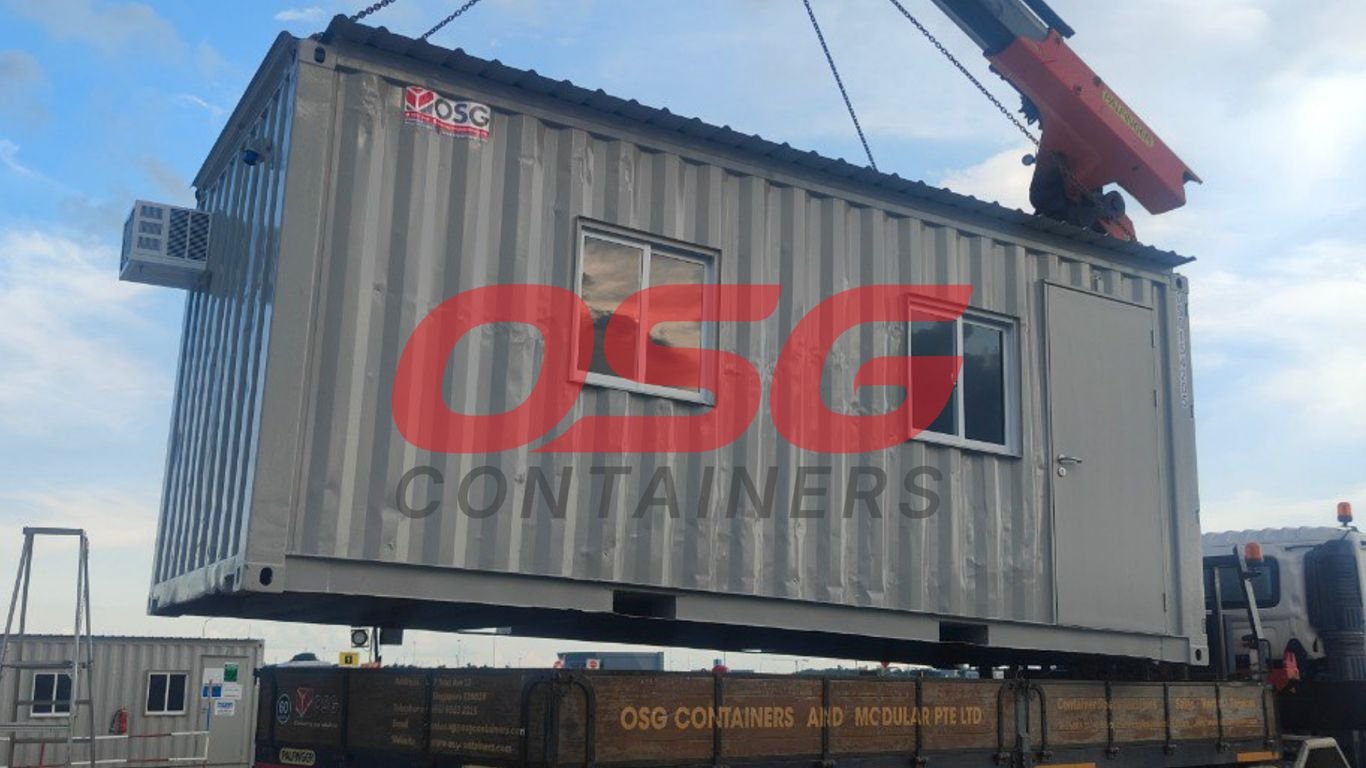
What happens when a container has seen better days? Well, they’re mostly made of steel, which is super recyclable. So, a lot of old containers get melted down and made into new ones, or even other steel products. That’s a big win for reducing the need to mine new materials. Plus, people are getting creative. You see old containers turned into pop-up shops, offices, or even homes. It’s a neat way to give them a second life instead of just letting them become scrap.
- Steel Recycling: Most containers are made of steel, a highly recyclable material.
- Repurposing: Old containers find new uses as modular buildings, storage units, and more.
- Reduced Waste: Both recycling and repurposing cut down on landfill waste.
The drive towards greener shipping isn’t just a trend; it’s becoming a core part of how the industry operates. Companies are looking at everything from how containers are made to how they’re used and disposed of, all with an eye on minimizing their environmental impact.
Future Eco-Friendly Container Technologies
Looking ahead, things are getting even more interesting. We’re seeing research into lighter, stronger materials that could make containers even more fuel-efficient. Imagine a 40ft hc container that weighs less but can still handle the roughest journeys. There’s also talk of ‘smart’ containers with sensors that can track not just location but also temperature and humidity, helping to prevent spoilage and optimize routes. It all points to a future where moving goods globally is not only efficient but also much kinder to the planet.
The Unsung Heroes of Global Trade
So, there you have it. These big metal boxes, the intermodal containers, are really the backbone of getting stuff from point A to point B all over the world. They make it so much easier to move things between ships, trains, and trucks without a lot of fuss. Because they’re all the same size and built tough, they save time and money, which is good for everyone. It’s pretty wild to think about how much these containers do for global trade, connecting us all in ways we probably don’t even notice every day. They’re not flashy, but they sure get the job done.
Frequently Asked Questions
What exactly is an intermodal container?
Think of an intermodal container as a big, strong metal box. It’s designed to hold all sorts of stuff, and the best part is it can easily move between different types of transport like ships, trains, and trucks without having to unpack and repack the goods inside. This makes moving things around the world much simpler and faster.
Why are these containers so important for global trade?
These containers are super important because they make shipping goods across countries and continents way more efficient and cheaper. Because they’re all the same size and easy to move, companies can send their products anywhere in the world much more reliably. It’s like having a universal language for shipping!
Are there different kinds of intermodal containers?
Yes, there are! While most are standard sizes for general items, you can also find special ones. For example, there are refrigerated containers (called ‘reefers’) that keep food cold, and others designed for things like liquids, gases, or even really big, oddly shaped items that don’t fit in a regular box.
How do intermodal containers keep my stuff safe?
These containers are built tough, usually from strong steel. They’re made to handle rough weather and being stacked high on ships or trains. Plus, they have secure locking systems to help prevent theft and protect your goods from damage while they’re traveling.
What are the most common sizes for these containers?
The two most common sizes you’ll see are the 20-foot container and the 40-foot container. They’re called ‘TEUs’ (Twenty-foot Equivalent Units) and ‘FEUs’ (Forty-foot Equivalent Units), respectively. There are also ‘high cube’ versions that give you a bit more room vertically.
Can these containers be used for things that need to stay cold, like food?
Absolutely! That’s where ‘reefer’ containers come in. These are special containers with built-in cooling systems that can keep items like fruits, vegetables, or medicines at a very specific temperature. They’re essential for making sure perishable goods arrive in good condition.


