
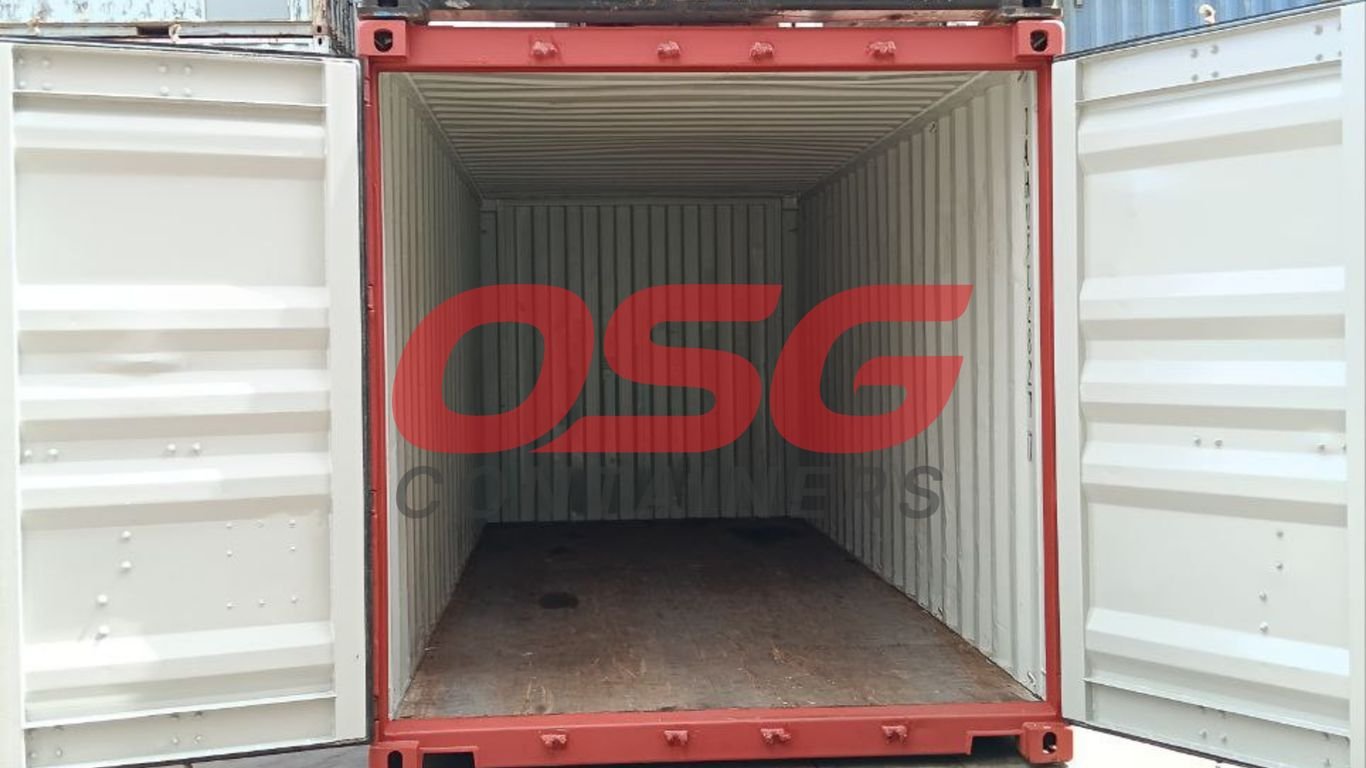
Shipping big stuff can be a real headache, right? Standard containers just don’t cut it sometimes. That’s where the open top container comes in. Think of it as a regular shipping container, but without the roof. This simple change makes a huge difference when you’ve got items that are too tall, too wide, or just plain awkward to get through a regular door. We’re going to break down what you need to know about using these specialized containers for your oversized cargo.
Key Takeaways
- Open top containers are great for cargo that doesn’t fit through standard container doors, like large machinery or construction equipment.
- Their open top design allows for easy loading from above using cranes, which is safer for bulky items.
- You can cover the cargo with a tarp or a hard top for protection, but they aren’t completely weather-proof.
- Always check weight limits carefully; overloading an open top container can cause damage and lead to fines.
- Because they’re special, open top containers can be harder to find and might cost a bit more than regular ones.
Understanding Open Top Containers For Oversized Cargo
Defining Oversized Cargo and Its Transport Needs
When we talk about oversized cargo, we’re generally referring to items that just don’t fit within the standard dimensions of typical shipping containers. Think big industrial machinery, large construction equipment, or even parts of aircraft that are too tall, too wide, or too long for a regular container’s door. These items have specific transport needs because getting them loaded and secured safely is a whole different ballgame compared to standard goods. Standard containers, like a 40 ft container or a 20ft container, have fixed door openings that can be a real bottleneck for these kinds of shipments. The challenge is finding a way to move them without damage and without breaking any transport regulations.
Characteristics of Open Top Containers
So, what makes an open-top container different? The main thing is right there in the name: it doesn’t have a fixed roof. Instead, it’s equipped with a removable cover, usually a heavy-duty tarpaulin or sometimes a hardtop. This design is a game-changer because it allows for loading and unloading from the top. This means you can use cranes or other lifting equipment to get those really tall or awkwardly shaped items into the container. It’s still built like a regular cargo container, with strong walls and a floor, but that open top is its defining feature. This makes it super useful for things that just won’t go through a standard door.
Advantages of Open Top Containers for Bulky Items
The biggest plus for open-top containers is their flexibility with bulky items. You’re not limited by door height or width anymore. This top-loading capability simplifies the process significantly, often reducing the time and effort needed for loading and unloading. It also cuts down on the risk of damaging the cargo or the container itself during these tricky maneuvers. For items that are awkward or too large for standard containers, an open-top container can be a much more straightforward and efficient solution.
While open-top containers offer great access for oversized items, it’s important to remember they aren’t inherently watertight or windproof without their covers. Planning for protection against the elements during transit is key.
Here are some common scenarios where open-top containers shine:
- Machinery and Equipment: Large industrial machines, generators, or construction vehicles that exceed standard container dimensions.
- Construction Materials: Items like steel beams, pipes, or pre-fabricated building components that are long or bulky.
- Specialty Items: Anything that requires lifting from above due to its size or shape, making top access the most practical method.
Suitability of Open Top Containers for Heavy Loads
When you’ve got cargo that’s just too big or too heavy for a regular container, open top containers really shine. They’re built differently, without that fixed roof, which makes a huge difference for certain types of shipments. Let’s break down why they’re a good fit for heavy stuff.
Assessing Cargo Weight and Container Capacity
First off, you can’t just stuff anything into any container and hope for the best. Open top containers, like all shipping containers, have limits. These aren’t your standard "throw it in" boxes. You’ve got to know how much your cargo weighs and compare that to what the container can actually handle. It’s not just about fitting it in; it’s about making sure the container’s structure can support the load without buckling or breaking.
Always check the container’s maximum payload capacity before you even think about loading. This information is usually found on the container’s door or a data plate inside. It’s a number you absolutely do not want to guess.
Structural Integrity and Load Bearing Capabilities
These containers are designed with heavy loads in mind, but the "open top" part means they rely on their corner posts and base structure more than a standard container does for overall rigidity. When you load heavy items, especially from the top using cranes, the weight is distributed differently. The container’s frame needs to be strong enough to take that direct downward force and transfer it to the chassis or the ground.
Here’s a quick look at what makes them suitable:
- Reinforced Corner Castings: These are the strong points where the container connects to ships, trains, and trucks. They’re built to handle significant stress.
- Sturdy Base Frame: The bottom structure is designed to support heavy cargo and distribute the weight evenly.
- Side Walls: While not a solid roof, the side walls still provide some structural support, especially when the cargo is secured properly against them.
It’s important to remember that while open tops are great for heavy items, they aren’t designed to be stacked as high as standard containers when loaded with heavy cargo. The lack of a rigid roof means the load-bearing capacity for stacking is reduced, so you need to be mindful of where and how they’re placed in a stack.
Industries Benefiting from Heavy Cargo Transport
Several industries regularly rely on open top containers for their heavy-duty needs. Think about:
- Construction: Moving large pieces of machinery, steel beams, or pre-fabricated building modules.
- Oil and Gas: Transporting drilling equipment, pipes, or large components for refineries.
- Manufacturing: Shipping heavy industrial machinery, large engines, or specialized equipment that doesn’t fit through standard doors.
- Mining: Hauling large equipment like excavators or crushers to remote sites.
Loading and Securing Oversized Cargo
Loading and securing oversized cargo in an open-top container is a bit different from your standard shipment. Because these containers lack a roof, you’ve got more flexibility, especially with really tall or wide items. Think of heavy machinery, large industrial parts, or even construction equipment – things that just won’t fit through a regular container door.
Top Loading Techniques for Difficult Items
When you’re dealing with cargo that’s too big for a standard door, top loading is usually the way to go. This means using equipment like cranes or heavy-duty forklifts to lift the item directly into the container from above. It’s pretty straightforward for items that are basically boxy, but for oddly shaped things, you’ll need to be extra careful. The key is to ensure the lifting equipment is rated for the weight and that the load is balanced.
- Crane Operations: For very heavy or large items, a crane is often necessary. Make sure the crane operator knows the exact weight and dimensions of the cargo. Use appropriate lifting slings and spreader bars to distribute the weight evenly and prevent damage to the cargo or the container’s top edges.
- Forklift Loading: For items that can be lifted from below, a powerful forklift might do the trick. However, be mindful of the container’s fork pockets – not all open-top containers have them, and 40ft versions often don’t, or shouldn’t be lifted from them when loaded.
- Balancing the Load: No matter the method, keeping the cargo centered and stable is vital. An unbalanced load can shift during transit, causing damage or even making the container unstable.
Essential Securing Equipment and Methods
Once your oversized item is in place, securing it properly is non-negotiable. This prevents shifting, tipping, or any movement that could lead to damage. You’ll be using a combination of lashing points, straps, chains, and bracing.
- Lashing Points: Open-top containers have strong anchor points along the bottom and sides. These are what you’ll attach your securing equipment to.
- Straps and Chains: Heavy-duty polyester straps are good for many loads, but for extremely heavy items, steel chains might be required. Always use the correct rating for your straps and chains.
- Bracing and Blocking: Wooden blocks, dunnage, or metal bracing can be used to fill any gaps between the cargo and the container walls, or to support the cargo from underneath. This stops it from sliding forward, backward, or sideways.
Securing cargo isn’t just about keeping it from moving; it’s also about distributing its weight correctly within the container. Improper securing can lead to stress points on the container itself, potentially causing structural issues, especially during the rough and tumble of international shipping.
Handling Overheight and Overwidth Shipments
Dealing with cargo that sticks out beyond the standard container dimensions requires extra planning. Overheight cargo might mean special permits or specific routes, while overwidth cargo can present challenges on roads and during loading.
- Planning the Route: For overwidth shipments, check if the planned transport route has any restrictions on width. This might involve special permits or escorts.
- Loading Position: Try to position overheight items as centrally as possible within the container to maintain stability. If the cargo is significantly overheight, ensure it won’t interfere with the container’s ability to be stacked or handled.
- Communication: Clear communication between the shipper, the carrier, and the port or terminal is key. Everyone needs to be aware of the cargo’s dimensions and any special handling requirements.
Protection and Cover Options for Open Top Containers
When you’re dealing with oversized cargo in an open-top container, keeping it safe from the elements and prying eyes is a big deal. Since these containers don’t have a solid roof like standard ones, you’ve got to think about how to cover things up once they’re loaded.
Soft Top Tarpaulins for Standard Loads
The most common way to cover an open-top container is with a heavy-duty tarpaulin, often called a soft top. These are usually made of strong, waterproof material. They’re great for cargo that fits within the container’s standard height. The tarp is stretched over the top and secured tightly using ropes or straps that go through grommets along the edges. This method is cost-effective and flexible for many types of cargo. It’s important that the tarp is pulled taut to prevent flapping in the wind, which could cause damage to the tarp or the cargo underneath.
Hard Top Covers for Enhanced Protection
For cargo that needs extra security or protection, a hard top cover might be the way to go. These are typically made of metal or a strong composite material and are designed to fit snugly over the container opening. They offer better protection against impacts and can provide a more secure barrier. Hard tops are often used for more valuable or sensitive items, or when the cargo might be exposed to rougher handling. They can also be easier to secure than tarps, sometimes locking into place.
Securing Tarps for Weather and Security
No matter if you’re using a soft or hard top, proper securing is key. For tarps, this means using plenty of strong ropes or straps, making sure they’re tied down securely to the container’s lashing points. You want to avoid any loose material that could catch the wind or be easily removed. For hard tops, there are usually specific locking mechanisms or bolts to keep them in place. It’s also worth noting that while these covers offer protection, open-top containers are generally not considered completely wind and water-tight, especially in severe weather. So, for really sensitive goods, you might need to add extra internal protection or consider a different container type altogether.
Remember, the goal is to protect your cargo from rain, sun, dust, and potential theft. A well-secured cover is just as important as how the cargo is loaded and braced inside the container.
Navigating Challenges and Best Practices
Addressing Weather Vulnerability and Security Concerns
Open top containers, by their very nature, leave cargo exposed to the elements. This is a big deal, right? Rain, snow, dust – they can all get in there if you’re not careful. Properly securing the tarp is your first line of defense. Think about how the wind might catch it or how heavy snow could weigh it down. It’s not just about keeping things dry; it’s about making sure the cargo stays put and isn’t damaged by the weather during transit. Security is another thing to keep in mind. Since the top is open, it might seem easier for someone to access the cargo. That’s why using good quality tarps and making sure they’re tightly fastened, maybe even with seals, is important. It’s a bit of a balancing act between accessibility for loading and keeping things safe and sound.
Understanding Stacking Restrictions
Stacking containers is pretty standard in shipping, but with open tops, you’ve got to be a bit more aware. You can’t just pile them up willy-nilly, especially if the cargo inside isn’t evenly distributed or if the container itself is carrying something really heavy. The weight needs to be spread out properly. If you stack a heavy, unevenly loaded open top container on top of another one, you risk crushing the one below or causing instability. It’s generally advised not to stack other containers on top of an open top, particularly if it’s carrying oversized or irregularly shaped items. Always check the container’s specifications and consult with your shipping provider about safe stacking heights and configurations.
Lessons Learned from Past Shipping Experiences
Looking back at how things have gone with shipping oversized stuff, a few things really stand out. One big lesson is that you absolutely need to plan your lifting points. Trying to lift a loaded open top container from just one spot, especially from the top corners, can cause the whole thing to buckle. It’s like trying to lift a flimsy box from the middle – it’s just going to bend. Using a spreader bar or a proper lifting frame is a game-changer. Another point is about fork pockets. While some 20-footers have them and can be lifted when loaded, it’s a big no-no for 40-footers. Trying to lift a loaded 40-foot container with forks can seriously damage the frame, making it unusable. It’s these kinds of details, learned the hard way by others, that really help avoid costly mistakes and delays.
When dealing with open top containers, especially for bulky or heavy items, meticulous planning is key. Don’t cut corners on securing the cargo or understanding how the container will be handled. A little extra effort upfront can save a lot of headaches down the line.
Weight Restrictions and Compliance
International Standards for Container Weight Limits
Shipping containers, including open-top ones, have to play by some pretty strict rules when it comes to how much they can weigh. Think of it like a weight limit on a bridge – go over it, and things can get messy. International bodies like the International Maritime Organization (IMO) and the International Organization for Standardization (ISO) set these guidelines. They’re not just suggestions; they’re there to keep everything safe and predictable on the seas, roads, and railways. These standards help make sure that containers fit properly on ships, trucks, and trains without causing problems.
Gross Weight vs. Payload Capacity
It’s easy to get confused between gross weight and payload capacity, but they’re different things. The gross weight is the absolute maximum the container and its contents can weigh together. This includes the cargo itself, the container’s own weight, and anything used to strap it down. The payload capacity, on the other hand, is just the maximum weight of the cargo you can put inside. You always have to make sure your total gross weight stays under the container’s limit. Different open-top containers have different payload limits depending on how they’re built and their size.
Here’s a quick look at typical limits for a standard 20ft open-top container:
| Weight Type | Typical Limit (approx.) |
|---|---|
| Max Gross Weight | 30,480 kg (67,200 lbs) |
| Max Payload Capacity | 21,000 kg (46,300 lbs) |
| Tare Weight (Empty) | 9,480 kg (20,900 lbs) |
Note: These are general figures and can vary by manufacturer and specific container model. Always check the container’s data plate.
Consequences of Exceeding Weight Limits
So, what happens if you push it too far? Well, it’s not good. First off, there’s a big safety risk. An overloaded container can get damaged, and that’s dangerous for everyone involved in loading, unloading, or transporting it. Imagine a container shifting or breaking apart mid-journey – not ideal. Then there are the legal and financial headaches. You could face hefty fines, your shipment could be delayed significantly, or worse, you might have to repack or even offload the excess cargo on the spot. It can really mess up your supply chain and your budget.
When you’re dealing with heavy or oversized items, it’s super important to double-check all the weight limits. This isn’t just about following the rules; it’s about making sure your cargo gets where it needs to go without any drama. Always look at the container’s specifications and any local road or port weight restrictions before you load up.
Choosing the Right Open Top Container
Availability and Cost Considerations
When you’re looking at open top containers, the first thing to realize is they’re not as common as your standard dry van containers. Think of them as a bit more specialized. This means you might not find them just anywhere, and their availability can be a bit tight, especially if you’re looking for a specific size or condition. Because they’re less common, they also tend to cost a bit more than a regular container. It’s not a huge difference, but it’s something to factor into your budget. You might need to do a little more digging to find a supplier, and sometimes working with a company that specializes in these types of containers can make the process smoother. They can help you understand the ins and outs and find something that fits your needs without breaking the bank.
Standard vs. High Cube Open Top Options
Just like with regular containers, open tops come in different sizes, mainly standard and high cube. The standard open top is pretty much what you’d expect – a regular container height but with that open top feature. A high cube open top, though, gives you that extra foot of height. This can be a game-changer if your cargo is just a little too tall for a standard container, even with the top open. It’s like getting a bit more breathing room for your shipment.
Here’s a quick look at the typical dimensions:
| Type | Length (ft) | Width (ft) | Height (ft) | Cubic Capacity (approx.) |
|---|---|---|---|---|
| Standard | 20 | 8 | 8.5 | 1,170 |
| Standard | 40 | 8 | 8.5 | 2,350 |
| High Cube | 40 | 8 | 9.5 | 2,550 |
Note: Dimensions can vary slightly by manufacturer.
ISO Codes for Open Top Container Identification
To make sure you’re getting exactly what you need, containers have these official codes, called ISO codes. For open tops, you’ll usually see codes starting with ‘OT’. For example, a 20-foot standard open top might have a code like ’20OT’. A 40-foot high cube open top could be ’40HTOU’ or similar, where ‘HT’ means high cube and ‘OU’ indicates the open top feature. Knowing these codes helps when you’re talking to suppliers or looking at specifications. It’s a way to be sure you’re on the same page about the container type.
When you’re picking out an open top container, it’s really about matching the container’s features to your cargo’s needs. Don’t just grab the first one you see. Think about the height, the width, and how you plan to load it. Sometimes, spending a little extra time upfront can save you a lot of headaches down the road.
Wrapping It Up
So, we’ve gone over what makes open-top containers a solid choice for those really big or heavy items that just won’t fit in a regular box. Their open design makes loading a breeze, especially with cranes, and they can handle some serious weight. Just remember, they aren’t completely sealed, so sensitive stuff might need extra protection from the weather. Always double-check those weight limits and make sure everything is tied down tight. It’s all about getting your oversized cargo from point A to point B safely and without a hitch. Keep these points in mind, and you’ll be well on your way to smoother shipping.
Frequently Asked Questions
What exactly is ‘oversized cargo’ when we talk about shipping?
Oversized cargo is basically anything that’s too big to fit into a regular shipping container. Think of giant machines, huge building parts, or anything that sticks out too much in length, width, or height.
Why are open top containers good for big or heavy stuff?
Open top containers are awesome because they don’t have a roof! This means you can easily load really tall or wide items from the top using a crane. It’s way easier than trying to stuff them through the small doors of a regular container.
How do you keep the cargo safe inside an open top container?
After loading, you can cover the cargo with a strong tarp or a hard cover. Then, you use straps and chains to tie everything down tight so it doesn’t move around during the trip. It’s super important to secure it well!
Can I put anything in an open top container, no matter how heavy?
Not quite. Every container has a weight limit, and you have to pay attention to it. You need to know how much your cargo weighs and make sure it doesn’t go over the container’s maximum weight, or it could be dangerous and illegal.
What happens if my cargo is too tall for a normal tarp on an open top container?
If your cargo sticks up higher than the container walls, a regular tarp won’t fit right. You’ll likely need a special, bigger tarp made just for your shipment. It’s important to tell the shipping company the exact size of your tall cargo.
Are open top containers always available and how much do they cost?
Open top containers are a bit more special, so they aren’t as common as regular ones. This can sometimes make them harder to find and a bit more expensive. It’s a good idea to check availability and prices early on.


