
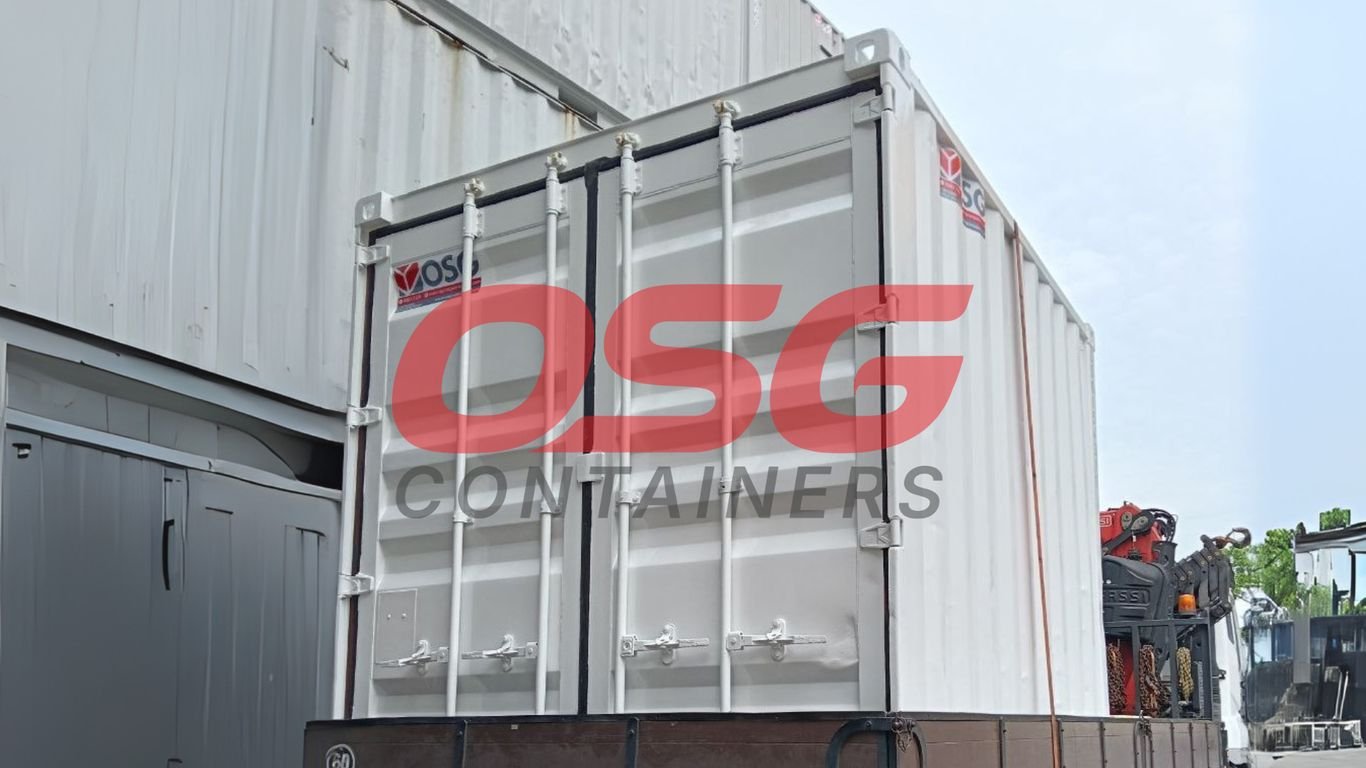
So, you’re trying to figure out the best shipping container for your stuff, right? It can get a little confusing with all the options out there. Today, we’re going to talk about two popular choices: the standard 40-foot container and the 40 HC container, which is the high cube version. They look pretty similar, but that extra foot of height in the high cube can make a big difference. Let’s break down what makes them different and help you pick the right one.
Key Takeaways
- The main difference between a standard 40ft container and a 40 HC container is height; the HC is one foot taller.
- This extra height in a 40 HC container gives you more room for taller items or for stacking goods higher.
- Standard 40ft containers are generally cheaper and easier to find, making them a good budget option.
- Consider your cargo’s dimensions and weight carefully, as this will determine if the extra space of a 40 HC container is necessary.
- Both container types are also popular for storage and building projects, with the 40 HC offering more vertical flexibility.
Understanding The 40 HC Container Versus Standard 40ft
When you’re looking at shipping or storage, you’ll often see two main types of 40-foot containers: the standard one and the High Cube, or HC, version. They look pretty similar from the outside, and honestly, they’re built on the same basic design. But there’s one key difference that can really change what you can fit inside and how you use them. It’s not just a minor detail; that extra bit of height can make a significant impact.
The most noticeable difference is height. A standard 40-foot container is 8 feet 6 inches tall on the outside. The High Cube, however, adds a whole extra foot, bringing its exterior height to 9 feet 6 inches. This extra vertical space translates directly into more usable room inside, which is a pretty big deal when you’re trying to pack things efficiently or need to accommodate taller items.
Here’s a quick look at the basic specs:
- Standard 40ft Container: Exterior height of 8’6".
- 40ft High Cube Container: Exterior height of 9’6".
This difference in height means the High Cube container offers more cubic feet of storage space. While a standard 40ft container typically holds around 2,390 cubic feet, the 40ft HC can accommodate roughly 2,694 cubic feet. That’s an extra 300 cubic feet to play with!
While both container types are built to the same length and width, that extra foot of height in the High Cube is where the real magic happens for certain types of cargo or projects. It’s not just about fitting more; it’s about fitting different things.
Both types are also popular for more than just shipping. People use them for storage, building unique structures, and all sorts of creative projects. The choice between them often comes down to the specific needs of your cargo or your building plans, especially when height is a factor.
Key Distinctions Between Container Types
Alright, let’s get down to brass tacks. When you’re looking at 40-foot shipping containers, you’ll mostly bump into two main players: the standard 40ft and the 40ft High Cube, often called the 40 HC. They look pretty similar from the outside, and for the most part, they’re built tough and reliable. But there’s one difference that really matters, and it’s all about that extra bit of vertical space.
The most obvious difference is height, and it’s a full foot.
A standard 40-foot container has an exterior height of 8 feet 6 inches. The High Cube version? It adds a whole extra foot, bringing its exterior height to 9 feet 6 inches. This might not sound like a lot, but when you’re trying to pack things in, that extra foot can be a real game-changer.
Here’s a quick breakdown of what that means:
- Standard 40ft Container: Exterior height of 8’6". This is your workhorse for general cargo.
- 40ft High Cube (HC) Container: Exterior height of 9’6". This extra height is perfect for taller items or maximizing space.
This difference in height directly affects how much you can fit inside. While the length and width are the same for both, the High Cube offers significantly more cubic feet of storage. Think of it like this:
| Container Type | Approximate Interior Volume |
|---|---|
| 40ft Standard | 2,350 – 2,390 cu ft |
| 40ft High Cube | 2,694 cu ft |
So, you’re looking at over 300 extra cubic feet with the High Cube. That’s a pretty substantial amount of extra room!
While the High Cube gives you more space, it’s important to remember that its increased height might affect transportation routes. Always check if bridges, tunnels, or other overhead structures can accommodate the extra foot.
Beyond the height, the High Cube is usually a bit heavier due to its construction, but their maximum cargo weight limits are generally the same. This means you can load them up to the same total weight, but the High Cube will have a little less capacity for weight once you factor in its own heft.
Height Difference Explained
So, you’re looking at shipping containers and you see ’40ft Standard’ and ’40ft High Cube’. What’s the big deal? It really comes down to a single foot of height, but that little bit can actually make a pretty significant difference in what you can fit and how much you can pack.
The most obvious difference, and the one that gives the ‘High Cube’ its name, is the extra height. A standard 40-foot container stands at 8 feet 6 inches tall on the outside. That translates to an interior height of about 7 feet 10 inches. Now, the High Cube? It bumps that exterior height up to 9 feet 6 inches, giving you an interior height of roughly 8 feet 10 inches. That extra foot might not sound like much, but it can be a game-changer for certain types of cargo.
Here’s a quick look at the numbers:
| Container Type | Exterior Height | Interior Height | Approximate Interior Volume |
|---|---|---|---|
| 40ft Standard | 8′ 6" | 7′ 10" | 2,350 – 2,390 cu ft |
| 40ft High Cube | 9′ 6" | 8′ 10" | 2,694 cu ft |
This extra foot of height directly impacts the total space you have to work with. While the length and width of both containers are the same, the High Cube offers more cubic feet of storage. A standard 40ft container typically holds around 2,350 to 2,390 cubic feet. The 40ft High Cube, however, can hold about 2,694 cubic feet. That’s a jump of over 300 cubic feet!
Think about what you’re shipping. If you’re dealing with items that are just a bit too tall for a standard container – maybe some taller furniture, machinery parts, or even stacked goods that would hit the ceiling in a regular container – that extra foot in a High Cube becomes really important. It can mean the difference between fitting everything you need in one container or having to use a second one, which obviously costs more. It also makes maneuvering items with a forklift inside the container a lot easier, saving time and potential damage during loading and unloading.
Here are a few scenarios where the extra height matters:
- Taller Goods: Shipping items like large appliances, certain types of industrial equipment, or even stacked pallets that exceed 7 feet 10 inches.
- Forklift Operations: If you plan to use a forklift inside the container for loading or unloading, the extra clearance in a High Cube provides much-needed working space.
- Repurposing: When converting containers for living spaces or offices, the added headroom in a High Cube can make the interior feel much more comfortable and less cramped.
- Bulkier Items: Even if individual items aren’t exceptionally tall, the overall volume increase can be beneficial for packing more efficiently or accommodating oddly shaped items.
Volume And Space Comparison
So, you’ve got these two big metal boxes, right? A standard 40-foot container and its taller cousin, the 40-foot High Cube. They look pretty similar from the outside, and yeah, they’re the same length and width. But that extra foot of height on the High Cube? It really adds up when you start talking about how much stuff you can actually cram inside.
Think of it like this: the standard 40-footer gives you a decent amount of room, usually around 2,350 to 2,390 cubic feet. That’s a lot of space, no doubt. But the High Cube, because it’s taller, bumps that up significantly. We’re talking about an extra 300-plus cubic feet. That’s a pretty big jump, and it can make a real difference depending on what you’re trying to ship.
Here’s a quick rundown:
- Standard 40ft Container: Offers roughly 2,350 – 2,390 cubic feet of interior space.
- 40ft High Cube Container: Provides approximately 2,694 cubic feet of interior space.
This extra volume means you can potentially fit more goods, or perhaps taller items, into the High Cube. It’s not just about stuffing more in, though. Sometimes, that extra space makes packing and unpacking easier, or it allows for better organization of your cargo.
The difference in volume isn’t just a number; it translates directly into how efficiently you can use the container. For certain types of goods, especially those that are bulky or have awkward shapes, that extra foot of height can be the deciding factor in whether everything fits or not. It’s about maximizing the usable space within the standard footprint of a 40-foot container.
When you’re comparing them, it’s easy to focus just on the external dimensions, but the internal volume is where the real practical difference lies for your cargo.
Dimensions And Capacity: A Foot Makes A Difference
So, you’re looking at shipping containers and you see ’40ft Standard’ and ’40ft High Cube’. What’s the big deal? It really comes down to a single foot of height, but that little bit can actually make a pretty significant difference in what you can fit and how much you can pack.
The most obvious difference, and the one that gives the ‘High Cube’ its name, is the extra height. A standard 40-foot container stands at 8 feet 6 inches tall on the outside. That translates to an interior height of about 7 feet 10 inches. Now, the High Cube? It bumps that exterior height up to 9 feet 6 inches, giving you an interior height of roughly 8 feet 10 inches. That extra foot might not sound like much, but it can be a game-changer for certain types of cargo.
This extra foot of height directly impacts the total space you have to work with. While the length and width of both containers are the same, the High Cube offers more cubic feet of storage. A standard 40ft container typically holds around 2,350 to 2,390 cubic feet. The 40ft High Cube, however, can hold about 2,694 cubic feet. That’s a jump of over 300 cubic feet!
Here’s a quick look at the numbers:
| Container Type | Exterior Height | Interior Height | Approximate Interior Volume |
|---|---|---|---|
| 40ft Standard | 8′ 6" | 7′ 10" | 2,350 – 2,390 cu ft |
| 40ft High Cube | 9′ 6" | 8′ 10" | 2,694 cu ft |
Beyond height, there are slight differences in weight. The High Cube is a bit heavier due to its construction. However, their maximum weight limits when loaded with cargo are generally the same. This means you can load them up to the same total weight, but the High Cube will have a little less usable capacity due to its own weight.
| Container Type | Tare Weight (approx.) |
|---|---|
| 40ft Standard | 8,000 lbs |
| 40ft High Cube | 8,775 lbs |
When you decide to purchase a cargo container, always measure your items carefully. That extra foot in a High Cube can be the difference between a smooth shipment and a costly problem. It’s better to have a little extra space than to find out your items don’t quite fit.
When you’re figuring out which container to use, the weight and cost are definitely big things to think about. It’s not just about how much stuff you can fit inside, but also how much the container itself weighs and what it’s going to cost you to get it where it needs to go. Think about it: if you’re loading up a ship, those extra pounds per container mean you might be able to fit fewer containers on board, or it could affect the fuel consumption. For trucking, it might mean you’re closer to the legal weight limits, which could restrict how much cargo you can put inside the container itself.
Cargo Considerations For 40ft Containers
When you’re thinking about getting a shipping container, whether it’s a standard 40ft or a High Cube (HC), the first thing you really need to nail down is what you’re actually going to put inside. It’s not just about the length; that extra foot of height in an HC can be a game-changer, especially for bulkier items. Let’s get into the nitty-gritty of what fits and what doesn’t.
The biggest difference between a standard 40ft and a 40ft HC is that extra foot of height. This might not sound like much, but it adds up quickly when you’re trying to maximize every inch of space. It impacts how efficiently you can pack and, sometimes, even the cost of your shipment.
Here’s a quick rundown of the interior space you can expect:
| Container Type | Interior Height | Usable Volume (approx.) |
|---|---|---|
| Standard 40ft | 7 ft 10 in | 2,350 cubic feet |
| 40ft High Cube | 8 ft 10 in | 2,694 cubic feet |
So, what does this mean for your cargo?
- Standard 40ft: This is your workhorse for general cargo. Think palletized goods, machinery that fits within standard height limits, or even the contents of a 3-4 bedroom home if packed smartly. It’s a solid choice for straightforward shipping needs.
- 40ft High Cube: This is where you want to look if your items are tall. It’s perfect for lighter, bulkier items that need that extra vertical room, like stacked mattresses, tall machinery, or even vehicles where you want a bit more clearance. If you plan on adding shelving or internal structures, the HC gives you more flexibility.
When you decide to purchase a shipping container, always measure your items carefully. That extra foot in a High Cube can be the difference between a smooth shipment and a costly problem. It’s better to have a little extra space than to find out your items don’t quite fit.
Ideal Cargo For Each Container Type
So, you’ve got your eye on a container, maybe you’re looking to purchase a cargo container or even buy a cargo container for a specific project. The big question is, what kind of stuff are you planning to put inside? It really matters when you’re deciding between a standard 40ft and a 40ft High Cube.
For a standard 40ft container, think about items that are pretty regular in size and don’t need a lot of extra headroom. This is your go-to for:
- Palletized goods that stack neatly.
- Machinery that fits within the standard height limits.
- Bulk raw materials.
- Furniture that can be taken apart or is of a standard height.
Basically, if your cargo is mostly uniform and doesn’t push the height boundaries, the standard 40ft is a solid, often more budget-friendly, choice.
Now, the 40ft High Cube really shines when you have items that are a bit taller or when you want to maximize every inch of space. It’s perfect for:
- Tall machinery or equipment.
- Items that need to be stacked high, like mattresses or boxes of goods.
- Vehicles, where that extra foot can make a big difference in loading and clearance.
- Bulky furniture that might be awkward in a standard container.
- Any cargo where maximizing vertical space is the main goal, perhaps for future modifications or shelving.
When you’re deciding which container to buy, always do a quick check of your cargo’s dimensions. That extra foot of height in a High Cube can be the difference between a smooth move and a frustrating problem. It’s usually better to have a little extra room than to find out your items just won’t fit.
Here’s a quick rundown of what fits best:
| Container Type | Ideal Cargo Examples |
|---|---|
| Standard 40ft | Pallets, standard machinery, bulk materials, standard-height furniture |
| 40ft High Cube | Tall machinery, stacked goods, vehicles, bulky furniture, items needing vertical space |
Ultimately, the best container depends on the specific nature and dimensions of your cargo. Thinking about this upfront will save you a lot of hassle down the line.
Benefits Of Each Container Type
So, you’re trying to figure out which 40-foot container is the right fit for your stuff. It’s not really about one being ‘better’ than the other, but more about what works for your specific situation. Both the standard 40ft and the 40ft High Cube (HC) have their own good points.
The standard 40ft container is often the go-to for a few solid reasons.
- Cost-Effective: Generally, these containers are a bit cheaper to buy or rent. If you’re watching your budget, this can make a big difference.
- Availability: They’re super common. You can find them pretty much anywhere, which makes logistics a lot simpler.
- Compatibility: They fit easily into standard shipping processes, like onto trucks and trains, without usually causing any height issues.
On the flip side, the 40ft High Cube brings its own set of advantages, mostly centered around that extra bit of space.
- More Vertical Space: That extra foot of height is a game-changer if you’re shipping tall items or want to stack goods higher. It can mean fitting more into a single shipment.
- Increased Capacity: With more room, you can often fit more volume, which might mean fewer trips or more product per trip.
- Versatility for Bulky Items: If your cargo is just a little too tall for a standard container, the HC opens up possibilities. Think furniture, machinery, or even materials that don’t stack neatly.
Here’s a quick look at how they stack up:
| Container Type | Interior Height | Usable Volume (approx.) |
|---|---|---|
| Standard 40ft | 7 ft 10 in | 2,350 cubic feet |
| 40ft High Cube | 8 ft 10 in | 2,694 cubic feet |
Choosing the right container isn’t just about the price tag. It’s about making sure your cargo fits safely and efficiently. That extra foot in a high cube might seem small, but it can be the difference between a smooth shipment and a logistical headache.
Benefits Of 40 Ft High Cube Shipping Containers
So, you’re looking at a 40 ft High Cube (HC) container and wondering what makes it special? Well, that extra foot of height isn’t just for show. It opens up a whole lot of possibilities, especially if you’re trying to maximize space or fit in items that are a bit on the tall side. When you decide to buy shipping container, the HC version often makes a lot of sense for specific jobs.
Here are some of the main advantages:
- More Vertical Space: This is the big one. A 40 ft HC container is about 9 feet 6 inches tall externally, compared to the standard 8 feet 6 inches. That extra foot means you can stack more, fit taller equipment, or just have more room to maneuver inside. It’s like getting a bonus floor in a box.
- Handling Bulky Goods: If you’re shipping lighter but voluminous items, like furniture, mattresses, or certain types of machinery, the extra height is a lifesaver. You can often fit more in without needing a wider or longer container, which can save on shipping costs.
- Versatile Storage: Beyond shipping, these containers are fantastic for on-site storage. Need to keep tools, materials, or inventory secure? The HC gives you that extra bit of room to organize things better and store taller items that wouldn’t fit in a standard unit.
- Repurposing Potential: Many people are turning these containers into workshops, studios, or even extra living spaces. That extra height makes the interior feel much more open and less cramped, which is a huge plus when you’re converting them.
The added height in a 40 ft High Cube container isn’t just about fitting more; it’s about making better use of the cubic space available. This can lead to more efficient packing and potentially lower per-unit shipping costs if you can consolidate more goods.
Think about it: if you’re storing pallets that are just a bit too tall for a standard container, or if you need to load equipment that requires a bit more clearance, the High Cube is the clear winner. It’s a simple change, but that one foot can make a world of difference for your cargo or project.
Comparing The Benefits Of 40 Ft Standard And High Cube Containers
So, you’ve got your cargo, and you’re trying to figure out which 40-foot container is the better pick. It really boils down to what you’re shipping and how much space you need. Both the standard 40-footer and its taller cousin, the 40-foot High Cube (HC), have their own perks.
The standard 40ft container is often the more budget-friendly option upfront. It’s been around forever, it’s super common, and it fits neatly into most standard shipping processes. If your goods aren’t particularly tall and you’re watching your wallet, this one is a solid choice.
On the flip side, the 40ft High Cube offers that extra foot of height. This isn’t just a little bit of extra room; it can make a big difference, especially for lighter, bulkier items that you can stack higher. Think about furniture or machinery that just won’t quite fit in a standard container. That extra vertical space can mean fitting more in, or at least making the loading and unloading process a bit less of a puzzle.
Here’s a quick look at how they stack up:
- Standard 40ft Container:
- Generally costs less.
- Widely available and easy to find.
- Fits standard transport logistics without issue.
- Good for palletized goods and general cargo.
- 40ft High Cube Container:
- Offers about 10% more cubic feet of space due to its height.
- Ideal for taller items, lighter bulk goods, or when maximizing vertical space is key.
- Can sometimes allow for more efficient packing of varied items.
When you’re deciding, consider the dimensions of your cargo very carefully. That extra foot in the High Cube can be the difference between a perfectly packed container and one that requires a second trip or a different solution altogether.
The choice between a standard 40ft and a 40ft High Cube container isn’t just about a few inches; it’s about optimizing your shipping costs and ensuring your goods arrive safely and efficiently. Sometimes, that extra height is exactly what you need to avoid paying for a second container or dealing with awkward packing situations.
Purpose Driven Container Choice
So, you’ve got the container in front of you, or you’re about to order one. What’s it actually going to do? This is the big question, really. If you’re just moving standard boxes or furniture that isn’t unusually tall, a regular 40ft container is probably going to do the trick just fine. It’s the workhorse, you know? But if your plans involve anything that needs a bit more vertical room, that extra foot in a High Cube starts to look pretty darn useful.
Think about it like this:
- Temporary Offices or Workshops: That extra height makes a space feel less like a cramped metal box and more like an actual room. You can stand up comfortably, maybe even add some shelving without feeling like you’re going to hit your head.
- Storing Bulky Items: Got tall machinery, stacks of mattresses, or awkwardly shaped equipment? The High Cube gives you that breathing room to fit things in without a struggle.
- Repurposing Projects: If you’re building something out of the container – like a tiny home, a studio, or even a unique retail space – that extra height can make a huge difference in how livable or functional the space feels.
The core idea is matching the container’s capabilities to your specific needs. Don’t pay for space you don’t need, but definitely don’t get stuck with a container that’s too small for your project.
Here’s a quick look at what you’re working with inside:
| Container Type | Interior Height | Approximate Usable Volume |
|---|---|---|
| Standard 40ft | 7 ft 10 in | 2,350 cubic feet |
| 40ft High Cube | 8 ft 10 in | 2,694 cubic feet |
When you’re deciding, really picture yourself using the space. Will that extra foot of height make your daily tasks easier, or is it just going to be empty air? Sometimes, the ‘extra’ space is exactly what makes a project work, and other times, it’s just extra cost.
Dimension Requirements For Cargo
When you’re getting ready to ship something, figuring out the exact size of your cargo is a pretty big deal. It’s not just about how long your stuff is; the height can really throw a wrench in things if you’re not careful. You’ve probably measured your items, right? If your cargo is getting close to the top of a standard 40ft container, you’ll want to pay close attention.
The interior height of a standard 40ft container is about 7 feet and 10 inches. Now, the 40ft High Cube? That one gives you an extra foot, bringing its interior height up to around 8 feet and 10 inches. That might not sound like a lot, but it can be the difference between everything fitting snugly in one go or having to make a second trip, or worse, finding out some items just won’t fit at all.
Here’s a quick look at the inside space:
| Container Type | Interior Height | Usable Volume (approx.) |
|---|---|---|
| Standard 40ft | 7 ft 10 in | 2,350 cubic feet |
| 40ft High Cube | 8 ft 10 in | 2,694 cubic feet |
Think about what you’re shipping. If you’ve got taller furniture, machinery parts, or even just stacked goods that would bump against the ceiling in a regular container, that extra foot in a High Cube becomes really important. It can also make maneuvering items with a forklift inside the container a lot easier, saving time and reducing the chance of damage during loading and unloading. Sometimes, that extra foot isn’t just about fitting more; it’s about fitting at all. If your cargo is pushing the limits of a standard container’s height, the High Cube is often the only practical option without needing special arrangements.
When you’re deciding on a container, always double-check the dimensions of your cargo against the container’s interior specs. It’s better to have a little extra space than to find out your items don’t quite fit when it’s too late.
What Fits In A Standard 40ft Container
So, you’re looking at a standard 40-foot container and wondering what exactly you can pack inside. It’s a pretty common question, and the answer is, quite a bit! Think of it as a solid, reliable workhorse for a lot of your shipping needs.
This container is generally suitable for the contents of a 3 to 4-bedroom home. That’s a good benchmark to start with. It means most of your furniture, boxes of belongings, and general household items should fit comfortably.
Beyond household moves, here’s a breakdown of what typically fits:
- Palletized Goods: If you’re shipping products on standard pallets, a 40ft container can hold a significant number. The exact quantity depends on how you stack and arrange them, but it’s designed for efficient pallet loading.
- Machinery: Smaller to medium-sized machinery that doesn’t exceed the standard height limit is a good candidate. Always double-check the dimensions of your equipment against the container’s interior height.
- Bulk Items: Things like raw materials, construction supplies, or even large quantities of smaller items packed into boxes can be loaded effectively.
- Vehicles: Depending on their size and how they are positioned, you can often fit three to four cars inside a standard 40ft container. This usually involves careful loading and potentially removing some parts or using specialized ramps.
Here’s a quick look at the space you’re working with:
| Container Type | Interior Height | Usable Volume (approx.) |
|---|---|---|
| Standard 40ft | 7 ft 10 in | 2,350 cubic feet |
Remember, while the volume is substantial, the interior height is the main constraint compared to its High Cube cousin. If your items are tall, or if you plan to stack things high, you might need to reconsider.
For many standard shipping tasks, the 40ft standard container offers a great balance of space and cost-effectiveness. It’s the go-to for a reason.
Accommodating Taller Items In A High Cube
So, you’ve got some stuff that’s just a bit too tall for a regular shipping container? That’s exactly where the 40ft High Cube (HC) really comes into its own. We’re talking about that extra foot of vertical space that can make all the difference.
Think about it: if your items are pushing past the 7-foot, 10-inch interior height of a standard 40ft container, you’re in a bind. The High Cube bumps that interior height up to about 8 feet, 10 inches. That extra foot might not sound like a lot, but it can be a game-changer.
Here’s why that extra height matters:
- Taller Goods: Shipping things like large appliances, certain industrial equipment, or even stacked furniture that would hit the ceiling in a standard container. That extra foot means they fit without any fuss.
- Stacking Potential: If you plan on stacking items, like boxes or pallets, that extra height gives you more room to stack higher. This can mean fitting more into one container, saving you money and hassle.
- Forklift Operations: Loading and unloading can be a lot easier with a forklift inside the container. The extra clearance in a High Cube provides more working space, making the process smoother and potentially reducing the risk of damage.
Sometimes, that extra foot isn’t just about fitting more; it’s about fitting at all. If your cargo is right on the edge of a standard container’s height limit, the High Cube is often the only practical option without needing special arrangements or a second container.
For example, if you’re shipping machinery parts that are just over 7.5 feet tall, or if you’re converting a container into a living space and want that bit of extra headroom, the High Cube is your go-to. It’s all about maximizing that vertical real estate when your cargo demands it.
High Cube Container Volume And Advantages
So, you’ve got this extra foot of height with a 40ft High Cube container. What does that really mean for you and your cargo? Well, it translates to a significant boost in usable space. While the length and width stay the same as a standard 40ft container, that extra foot vertically really opens things up.
Think about it: a standard 40ft container usually gives you around 2,350 to 2,390 cubic feet of space. But the High Cube? It jumps up to about 2,694 cubic feet. That’s over 300 extra cubic feet to play with! This extra volume can be a lifesaver, especially if you’re shipping items that are just a bit too tall for a regular container.
Here’s a quick breakdown of the space difference:
| Container Type | Interior Height | Approximate Interior Volume |
|---|---|---|
| 40ft Standard | 7′ 10" | 2,350 – 2,390 cu ft |
| 40ft High Cube | 8′ 10" | 2,694 cu ft |
This extra height isn’t just about cramming more in. It makes a real difference in how you can work with the cargo inside. For instance, if you plan on using a forklift to move things around, that extra foot of clearance makes maneuvering much easier and safer. It can also be a big deal if you’re stacking goods – you’ve got more room before you hit the ceiling.
The advantages of a High Cube container really shine when your cargo is pushing the limits of standard container dimensions. That extra foot can mean the difference between fitting everything neatly or facing costly delays and extra shipping fees.
When does this extra space really come in handy?
- Taller Goods: Shipping items like large appliances, certain machinery, or even stacked pallets that would otherwise be too tall for a standard container.
- Easier Loading/Unloading: If you’re using forklifts or other equipment inside the container, the increased headroom provides much-needed working space and reduces the risk of damage.
- Optimized Stacking: Even if individual items aren’t exceptionally tall, the ability to stack them higher means you can potentially fit more into a single shipment, saving on costs.
- Repurposing Projects: For those converting containers into living spaces or offices, the extra height makes the interior feel much more comfortable and less cramped.
Making The Final Selection
So, you’ve looked at the numbers, thought about what you’re shipping, and now it’s time to actually pick the container. It might seem like a small thing, but choosing between a standard 40ft and a 40ft High Cube can really make a difference down the road. Let’s figure out how to make that final call.
First things first, what exactly are you going to do with this container? This is probably the most important question. If you’re just shipping regular-sized goods that fit fine within the usual height limits, a standard 40ft container might be perfectly fine and a bit cheaper. But, if you’re planning to use it for something a bit different, like a temporary office space, a workshop, or storing items that are just a little too tall for a standard container, then that extra foot of height in a High Cube really starts to look appealing. Think about how you’ll be using it day-to-day. Will that extra headroom make things easier or more comfortable?
This is where you really need to get specific. You’ve probably measured your stuff, right? If your cargo is pushing the limits of a standard 40ft container’s interior height (which is about 7 feet, 10 inches), you’re going to want to seriously consider the High Cube. Its interior height is closer to 8 feet, 10 inches. That extra foot might seem small, but it can be the difference between fitting everything in one go or having to make multiple trips, or worse, not being able to fit certain items at all. Remember, even if your items aren’t super tall individually, stacking them can quickly eat up vertical space. A High Cube gives you more breathing room for those taller stacks.
Here’s a quick look at the interior space:
| Container Type | Interior Height | Usable Volume (approx.) |
|---|---|---|
| Standard 40ft | 7 ft 10 in | 2,350 cubic feet |
| 40ft High Cube | 8 ft 10 in | 2,694 cubic feet |
Once you’ve thought about the purpose and the exact dimensions of your cargo, you can start to firm up your decision. Consider these points:
- Budget: High Cube containers usually cost a bit more upfront. If your budget is really tight, and the extra height isn’t strictly necessary, the standard 40ft might be the way to go. But, weigh that against potential future costs if you underestimate your space needs.
- Transportation Limits: If you’re moving the container yourself or using a specific transport service, double-check if there are any height restrictions on the routes you’ll be taking. That extra foot on a High Cube could cause issues with bridges or overpasses.
- Long-Term Use: If this container is going to be a more permanent fixture, like for storage on your property or a converted space, the extra height might be worth the investment for better usability and comfort.
Ultimately, the choice between a standard 40ft and a 40ft High Cube comes down to your specific needs. There’s no single ‘better’ option; it’s all about matching the container to your cargo and intended use. Don’t just pick the cheapest; pick the smartest for your situation.
Choosing The Right Container For Your Needs
So, you’ve looked at all the specs and figured out what you’re shipping. Now comes the part where you actually pick the container that’s going to work best for your situation. It might seem like a small detail, but deciding between a standard 40ft and a 40ft High Cube can actually make a pretty big difference down the road.
First things first, what exactly are you planning to do with this container? This is probably the most important question to ask yourself. If you’re just shipping standard-sized goods that fit comfortably within the usual height limits, a regular 40ft container might be perfectly fine and, let’s be honest, a bit cheaper. But, if you’re thinking about using it for something a bit different, like storing items that are just a little too tall for a standard container, or if you want to stack things higher to really make the most of the space, then that extra foot of height in a High Cube starts to look really appealing.
Think about your cargo. Have you measured everything? If your items are pushing the limits of a standard 40ft container’s interior height (which is about 7 feet, 10 inches), you’re going to want to seriously consider the High Cube. Its interior height is closer to 8 feet, 10 inches. That extra foot might not sound like much, but it can be the difference between fitting everything in one go or having to make multiple trips, or worse, not being able to fit certain items at all.
Here’s a quick look at the interior space:
| Container Type | Interior Height | Usable Volume (approx.) |
|---|---|---|
| Standard 40ft | 7 ft 10 in | 2,350 cubic feet |
| 40ft High Cube | 8 ft 10 in | 2,694 cubic feet |
When you’re making the final selection, consider these points:
- Cargo Dimensions: Measure your tallest and bulkiest items. Will they fit comfortably in a standard container, or do you need that extra vertical space?
- Stacking Needs: If you plan to stack goods, the High Cube offers more room to do so safely and efficiently.
- Future Use: Sometimes, buying a High Cube upfront, even if you don’t need the extra height right now, can be beneficial for future projects or resale value.
- Budget: While High Cubes cost a bit more, weigh that against the potential savings from fitting more cargo or avoiding extra shipping costs.
Ultimately, it’s not about one container being ‘better’ than the other. It’s about finding the one that best suits what you’re putting inside and how you plan to use it. Don’t forget to check transportation limits if you’re going with a High Cube, as that extra height can sometimes cause issues with bridges or overpasses.
Frequently Asked Questions
So, you’ve been reading all about these 40-foot containers, the standard ones and the high cubes, and maybe you’ve still got a few questions buzzing around. That’s totally normal! Let’s clear some of that up.
The main thing to remember is that the high cube is just one foot taller than the standard 40-footer. That extra foot might not sound like much, but it can make a big difference depending on what you’re shipping.
Here are some common questions people have:
- What’s the biggest difference between a 40ft standard and a 40ft high cube?
It’s the height, plain and simple. The high cube gives you an extra foot of vertical space inside. Think of it like getting a bit more headroom. - When should I really consider a high cube container?
You’ll want to look at a high cube if you’re shipping items that are tall, like certain furniture, machinery parts, or even if you plan to stack goods higher than you could in a standard container. It also helps if you need a bit more room to maneuver things with a forklift inside. - Are there any downsides to using a high cube?
Yeah, there can be. Because they’re taller, you have to be mindful of transportation routes. Bridges, tunnels, and even overpasses might have height restrictions that a standard container wouldn’t hit. Always check your route beforehand! - Do high cubes cost a lot more?
Generally, yes, they do cost a bit more than standard containers. You’re paying for that extra space, after all. But for many, the ability to fit more or taller items makes the extra cost worthwhile. - How do I actually pick the right one for my stuff?
Think about your cargo. How tall is it? How much volume does it take up? What’s your budget? And are there any transport limitations you need to worry about? Answering these will point you in the right direction.
Sometimes, that extra foot isn’t just about fitting more; it’s about fitting at all. If your cargo is pushing the limits of a standard container’s height, the High Cube is often the only practical option without needing special arrangements.
Here’s a quick look at how the space stacks up:
| Container Type | Internal Height (approx.) | Extra Height vs Standard |
|---|---|---|
| 40ft Standard | 7 feet 9.6 inches | N/A |
| 40ft High Cube | 8 feet 9.6 inches | 1 foot |
Conclusion
So, after all that talk about dimensions and cubic feet, what’s the takeaway? It really boils down to your specific situation. Neither the 40ft standard nor the 40ft High Cube container is inherently ‘better’ – they’re just different tools for different jobs.
Think about it like this:
- Standard 40ft Container: Your reliable workhorse. It’s a bit cheaper, easier to find, and perfectly fine if your cargo fits comfortably within its height limits. It’s the go-to for a lot of everyday shipping needs.
- 40ft High Cube Container: Your space-saving champ. That extra foot of height might not sound like much, but it can be a game-changer for taller items, maximizing stacking potential, or even for repurposing projects where every inch counts.
Here’s a quick comparison to help jog your memory:
| Feature | Standard 40ft Container | 40ft High Cube Container |
|---|---|---|
| Interior Height | Approx. 7′ 10" | Approx. 8′ 10" |
| Usable Volume | ~2,350 cu ft | ~2,694 cu ft |
| Cost | Generally Lower | Generally Higher |
When you’re making your final choice, always ask yourself:
- What exactly am I shipping or storing? Measure it up!
- Do I need to stack items, or are some of them unusually tall?
- What’s my budget, and are there any transportation height restrictions I need to be aware of?
Ultimately, the decision hinges on a practical assessment of your cargo’s dimensions and your intended use. Don’t just pick the one that seems most common; pick the one that makes the most sense for your load and your wallet.
By carefully considering these points, you can confidently select the container that will serve your needs most effectively, whether it’s for a one-time shipment or a long-term storage solution.
Wrapping It Up
So, when it comes down to it, picking between a standard 40-foot container and a 40-foot High Cube really just boils down to one thing: height. That extra foot in the High Cube can be a lifesaver if you’ve got taller items or if you plan on stacking things up. Standard containers are usually a bit cheaper and easier to find, which is great if you’re on a budget or just need to ship regular stuff. Think about what you’re putting inside, measure carefully, and you’ll figure out which one is the right fit. Both are solid choices, just for slightly different jobs.
Frequently Asked Questions
What’s the main difference between a 40ft standard container and a 40ft High Cube (HC) container?
The biggest difference is height! A standard 40ft container is 8 feet 6 inches tall on the outside. A 40ft High Cube container is a whole foot taller, measuring 9 feet 6 inches on the outside. This extra foot gives you more room inside.
How much more space does a 40ft High Cube container have compared to a standard one?
That extra foot of height means the High Cube has more room. A standard 40ft container holds about 2,350 cubic feet of stuff. The High Cube can hold around 2,694 cubic feet, which is over 300 cubic feet more space!
Are 40ft High Cube containers more expensive than standard ones?
Generally, yes. Because they offer more space and are slightly taller, High Cube containers usually cost a bit more than standard 40ft containers. However, the extra space can sometimes save money in the long run by letting you fit more or avoid extra shipments.
What kind of items are best suited for a 40ft High Cube container?
High Cube containers are great for taller items like machinery, stacked furniture, mattresses, or even vehicles where you need that extra bit of clearance. If you plan to stack things high or have items that are just over 7 feet 10 inches tall, the High Cube is a good choice.
Can I fit the same amount of weight in both types of containers?
Yes, the maximum weight you can load into both a standard 40ft and a 40ft High Cube container is usually the same. However, since the High Cube is a bit heavier itself, you’ll have slightly less room for cargo weight compared to a standard container if you reach the absolute maximum gross weight limit.
Are there any other uses for these containers besides shipping?
Absolutely! Many people use both standard and High Cube containers for storage, workshops, or even to build unique structures like tiny homes or offices. The extra height in a High Cube can make these repurposed spaces feel more open and usable.


