
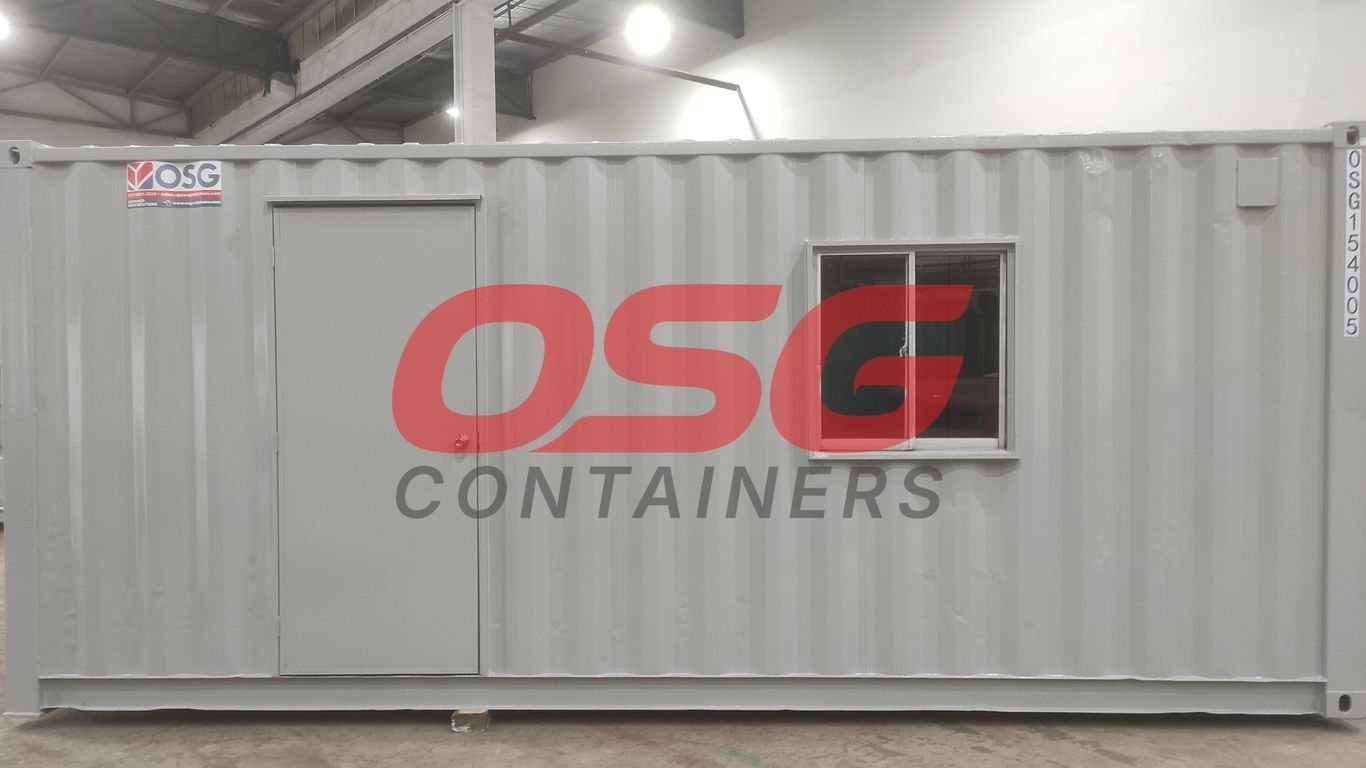
So, you’re thinking about buying a used shipping container. Smart move! These things are tough, built to handle rough seas and weather, and buying one used can save you a good chunk of change compared to a new one. Plus, you’re doing a solid thing for the planet by giving it a second life. Whether you need extra storage for your home, a place to stash stuff for your business, or even a starting point for a cool project, a second hand container for sale might be just what you’re looking for. This guide will help you figure out what to look for, where to find them, and how to make sure you get a good deal.
Key Takeaways
- Buying a second hand container for sale is a budget-friendly and eco-conscious choice.
- Common types include standard, high cube, refrigerated, and open-top containers, each suited for different needs.
- Look for containers from local dealers, online marketplaces, auctions, or directly from shipping companies.
- Always check the container’s condition, size, and delivery costs before buying.
- Proper inspection and regular maintenance are vital for a long-lasting used container.
Understanding Second Hand Containers for Sale
What Is a Second Hand Container?
A second hand container for sale is simply a shipping container that has already been used for transporting goods. These aren’t just old boxes; they’re built tough, designed to handle rough seas and all sorts of weather. After their initial shipping duty, many are still perfectly good for other jobs. Think of them as seasoned veterans of the logistics world, ready for a second career. They’re a popular choice because they offer a solid, dependable structure at a much lower price than a brand-new one. You might see listings for a "used container for sale" or "shipping container on sale," and they all refer to these pre-owned units.
Why Choose a Used Container?
So, why would you opt for a used container instead of a new one? Well, there are a few good reasons. The most obvious is cost savings. New containers can put a big dent in your budget, but a used one is significantly more affordable. This makes them accessible for individuals and small businesses who need storage or workspace without breaking the bank. Beyond the price tag, buying used is also a greener choice. You’re giving a sturdy piece of equipment a new life, which means less manufacturing and less waste. Plus, they’re often readily available, so you can usually find what you need without a long wait.
Advantages of Buying Pre-Owned
Let’s break down the benefits of going the pre-owned route:
- Cost-Effectiveness: This is the big one. You get a durable, weather-resistant structure for a fraction of the price of a new unit. This is especially true when looking for specific sizes, like a 20 ft container, where used options are plentiful.
- Environmental Friendliness: Reusing shipping containers is a great way to support sustainability. It reduces the demand for new steel production and diverts containers from potential scrap heaps.
- Availability and Variety: There’s a wide range of used containers out there. Whether you’re in Malaysia looking for a "container malaysia price" or anywhere else, you’ll likely find options. This includes different sizes and types, making it easier to find one that fits your specific needs.
When you’re looking at used containers, remember that their previous life can sometimes leave minor cosmetic marks. Dents, scratches, or faded paint are common and usually don’t affect the container’s structural integrity or its ability to keep things dry. It’s the underlying strength and watertightness that really matter for most applications.
Exploring Types of Second Hand Containers for Sale
When you’re on the hunt for a used shipping container, you’ll find they aren’t all built the same. Different types exist, each with its own quirks and best uses. Understanding these variations is key to picking the right one for your project.
Standard Shipping Containers
These are your everyday, workhorse containers. They’re the most common ones you’ll see and usually the most affordable. They come in two main sizes: 20-foot and 40-foot lengths. If you just need a solid, reliable space for storage or to haul general goods, a standard container is probably what you’re after. They’re pretty straightforward and easy to find.
High Cube Containers
Think of these as the taller cousins of the standard containers. They offer about a foot more vertical space, which can make a big difference if you’re storing bulky items or planning to convert the container into something like an office or a small living space. That extra height really opens up possibilities for customization.
Refrigerated Containers
Got something that needs to stay chilly? Refrigerated containers, often called ‘reefers,’ are your answer. These come with built-in cooling units. They’re great for businesses that need to store perishable goods or sensitive materials. Just a heads-up, these tend to be a bit pricier than the non-refrigerated types, and you’ll want to make sure the refrigeration unit is still in good working order.
Open Top Containers
Sometimes, you need to load or unload from the top, maybe with a crane. That’s where open-top containers shine. They have a removable tarpaulin roof instead of a solid metal one. This makes loading tall items or working from above much simpler. They’re also pretty sturdy, just like their closed-top counterparts.
Choosing the right container type isn’t just about size; it’s about how you plan to use it. Think about what you’ll be putting inside, how you’ll access it, and if any special conditions, like temperature control, are needed. Getting this right from the start saves a lot of hassle down the road.
Where to Find Second Hand Containers for Sale
So, you’ve decided a used container is the way to go. Awesome. Now, where do you actually find one? It’s not like they’re just sitting around on every street corner, though sometimes it feels like it. You’ve got a few main avenues to explore, and each has its own quirks.
Local Dealers and Container Yards
This is probably the most straightforward route. Think of these places as the specialty shops for containers. They buy up used containers, often in bulk, and then resell them. You can usually find them by doing a quick online search for "used container sales" in your area, or by just driving around industrial parts of town – sometimes you can spot a yard full of them.
- Pros: You can often go see the container in person before you buy it. This is a big deal for checking the condition yourself. They might also offer delivery services.
- Cons: Prices can sometimes be a bit higher than other options because they’re a business with overhead.
- Tip: Don’t be afraid to haggle a little, especially if you’re buying more than one.
Online Marketplaces and Auctions
This is where things get interesting, and potentially where you can snag a real bargain. Websites like eBay, Craigslist, or even specialized auction sites list containers regularly. You might find individuals selling off a single unit or businesses liquidating their fleet.
- Auctions: These can be a bit of a gamble, but if you’re lucky, you can get containers for a fraction of their usual price. Just make sure you understand the auction rules and any fees involved.
- Marketplaces: You’ll see a wide range of prices and conditions. Always ask for detailed photos and descriptions, and if possible, arrange an inspection before committing.
- Be Wary: Scammers exist online, so be cautious. Stick to reputable platforms and sellers with good reviews.
Directly from Shipping Companies
Sometimes, shipping lines sell off their retired containers. These are usually containers that have completed a certain number of years or trips in service. They’re often still in decent shape, just no longer suitable for international shipping regulations.
- How to Find Them: This can be trickier. You might need to contact shipping companies directly or look for brokers who specialize in this type of sale.
- Considerations: These containers have seen a lot of travel, so condition can vary wildly. You’ll definitely want to inspect them thoroughly.
Finding the right container often comes down to balancing price, convenience, and the ability to inspect the unit. Don’t rush the process; taking your time to explore these different avenues will help you find a container that truly fits your needs and budget.
Key Factors When Buying Second Hand Containers
So, you’re looking to buy a used shipping container. That’s a smart move for saving some cash and being a bit kinder to the planet. But before you hand over your money, there are a few things you really need to think about. It’s not just about picking the cheapest one you see; you want one that’s going to do the job you need it to do, for a good long while.
Assessing Container Condition
This is probably the most important part. You don’t want a container that’s falling apart. Look closely for any signs of serious rust, especially on the floor, roof, and corners. Dents and scratches are usually okay, but big ones could mean structural problems. Give the doors a good test – do they open and close smoothly? Are the seals still in decent shape? You want it to be watertight, so check for any light coming through when the doors are shut tight. Sometimes, a container might have a funny smell inside, which could mean it carried something nasty, so keep that in mind.
Determining the Right Container Size
Containers come in different lengths, most commonly 20-foot and 40-foot. Think about what you’re going to put inside. If it’s just for some tools and garden equipment, a 20-foot might be plenty. But if you’re storing furniture or a lot of inventory, you’ll probably need the bigger 40-foot. It’s also a good idea to measure the spot where you plan to put the container. You don’t want to buy it only to find out it won’t fit!
Here’s a quick look at common sizes:
- 20-foot Standard: Good for smaller storage needs.
- 40-foot Standard: Offers more space for larger items or more volume.
- 40-foot High Cube: Even more height, great for bulky items or if you plan on modifications.
Container Customization Possibilities
Many people don’t just use containers as they are. They turn them into workshops, offices, or even extra rooms. If you have plans to modify your container, think about what you’ll need. Some containers are better suited for modifications than others. For example, if you want to add windows or extra doors, you’ll want a container that’s structurally sound enough to handle those changes without weakening it. It’s worth asking the seller if they offer any customization services or if they know of someone who does.
Location and Delivery Considerations
Where the container is located can make a big difference in the final price. If it’s far away, the delivery costs can add up quickly. Always get a clear quote for delivery before you agree to buy. Sometimes, it might be cheaper to buy a container that’s a bit further away if the delivery fee is significantly lower than a closer option. Also, make sure you have a clear, accessible spot for the delivery truck to drop off the container. They need plenty of room to maneuver.
Inspecting Your Second Hand Container Purchase
So, you’ve found a used container that looks promising. Before you hand over your cash, a thorough inspection is a must. It’s like checking out a used car – you don’t want any nasty surprises popping up later. This step is super important to make sure you’re getting something solid and not a money pit.
Structural Integrity Checks
First things first, let’s talk about the bones of the container. You want to make sure it’s still strong and hasn’t been bent out of shape. Look at the corners and the frame. Are there any big dents or signs that it’s been in a serious accident? A good container should stand up straight and feel solid.
- Frame: Check all the vertical and horizontal beams. They should be straight, with no major bends or cracks.
- Flooring: Most containers have strong wooden floors. Make sure they aren’t rotten, warped, or full of holes. Give them a good stomp to see if they feel sturdy.
- Walls: Look for any major buckling or damage that compromises the wall’s strength.
Door and Seal Functionality
Doors are a big deal. They need to open and close smoothly and seal up tight. Give them a good workout.
- Hinges: Are they rusty? Do they move freely, or are they stiff and creaky?
- Latches: Test the locking mechanisms. They should engage and disengage without too much force.
- Seals: Check the rubber seals around the doors. Are they cracked, brittle, or missing? Good seals are key to keeping the weather out.
Watertightness and Rust Evaluation
This is where you find out if your container is going to keep your stuff dry. It’s pretty simple, really.
- The Light Test: The best way to check for leaks is to go inside the container, close the doors, and shut off your flashlight. Look for any light peeking through the seams or walls. If you see daylight, water can get in.
- Rust: Surface rust is common and usually okay, especially on older containers. But watch out for deep, flaky rust, particularly on the roof, corners, and near the bottom. This can eat away at the metal and weaken the structure.
Remember, a little bit of surface rust is normal for a used container. What you’re really looking for is rust that has gone deep into the metal, creating holes or weak spots. Pay extra attention to the roof and the floor edges.
Requesting Maintenance Records
If you can get them, maintenance records are a goldmine. They can tell you a lot about how the container was treated before you bought it.
- History: Ask if the seller has any records of repairs or major work done on the container.
- Previous Use: Knowing what the container was used for can give you clues about potential wear and tear. For example, a container that hauled chemicals might need extra cleaning or have specific damage.
Maintaining Your Second Hand Container
So, you’ve snagged a used shipping container. Awesome! Now, to make sure it sticks around for the long haul, a little upkeep goes a long way. Think of it like owning a car; you wouldn’t just drive it until it breaks down, right? Same idea here. A bit of attention now can save you headaches and money later.
Regular Cleaning and Inspection
First things first, keep it clean. Dirt, grime, and especially moisture can be sneaky enemies. Regularly sweep out the inside and give the exterior a good wash. This isn’t just about looks; it helps you spot potential problems early. While you’re at it, do a quick walk-around. Check the walls, floor, and ceiling for any new dents, holes, or signs of rust. Pay close attention to the door seals – are they still pliable, or are they cracked and letting the elements in?
Rust Prevention Strategies
Rust is probably the most common foe for these metal boxes. If you see any surface rust starting, don’t ignore it. You’ll want to tackle it before it gets deep into the metal. A wire brush can help remove loose rust, and then you can apply a rust-inhibiting primer followed by a good quality metal paint. Choosing a paint designed for marine environments or outdoor metal structures is a smart move. For areas prone to moisture, consider applying a sealant to seams and corners.
Ensuring Proper Ventilation
If you’re using your container for storage, especially for things sensitive to moisture like furniture, documents, or equipment, ventilation is key. Stale, damp air can lead to mold and mildew. You can install vents near the top and bottom of the container to create airflow. Some people even use dehumidifiers inside, particularly in humid climates. Just make sure whatever you’re storing isn’t blocking any vents you’ve put in place.
Addressing Leaks and Damage
Leaks are a big no-no. If you notice water getting in, you need to find the source and fix it. Often, it’s around the door seals or small punctures in the roof or walls. Special container sealants or even heavy-duty waterproof tape can often do the trick for minor issues. For bigger problems, like significant dents or structural damage, you might need to consult with someone who specializes in container repair. It’s better to fix it right than to let a small issue become a major one.
Keeping your container in good shape isn’t rocket science. It’s mostly about being observant and proactive. A little effort now means your container will be a reliable space for years to come, whether it’s holding your tools, your inventory, or even becoming a cool backyard office.
Wrapping It Up
So, you’ve learned a bunch about buying a used shipping container. It’s a solid way to get storage that doesn’t break the bank and is better for the planet too. Just remember to check it over carefully, know what you need it for, and think about how you’ll get it to its new home. Whether it’s for stashing stuff at your place or starting a cool new project, a second-hand container can totally work. Take your time, do your homework, and you’ll find a container that’s just right.
Frequently Asked Questions
What exactly is a used shipping container?
A used shipping container is a container that has already been used to ship goods. Think of it like a pre-owned car. It’s still strong and useful, but it’s not brand new. These containers are built tough to handle rough journeys, and when they’re no longer needed for shipping, they can be bought for other uses like storage or even converted into cool spaces.
Why would I want to buy a used container instead of a new one?
Buying a used container is a really smart move for a few reasons! First off, they’re way cheaper than new ones, so you save a lot of money. Plus, you’re doing something good for the planet by reusing something that’s already made. It’s like giving the container a second life!
What are the different kinds of used shipping containers I can find?
You’ll find a few main types. There are ‘standard’ ones, which are the most common and good for general storage. Then there are ‘high cube’ containers, which are a bit taller, giving you more room. If you need to keep things cold, there are ‘refrigerated’ containers (called reefers), and if you need to load things from the top, ‘open top’ containers are the way to go.
Where’s the best place to look for used shipping containers?
You have a few options! You can check out local dealers or container yards – they often have a bunch of used ones. Online marketplaces and auction sites are also great places to search. Sometimes, you can even buy them directly from shipping companies when they retire their older ones.
What should I look out for when I’m checking out a used container?
It’s super important to check a few things. Make sure the container is strong and doesn’t have any holes where light can get in when the doors are shut – that means it’s watertight. Look for rust, dents, and check that the doors open and close smoothly. Ask about its history if you can!
How do I take care of my used container so it lasts a long time?
Keeping your container in good shape is pretty straightforward. Clean it regularly, both inside and out. Keep an eye out for any rust and paint over it if you see any. Make sure there’s good airflow inside to stop moisture from building up, which can cause problems. And, of course, check for any leaks after it rains!


