
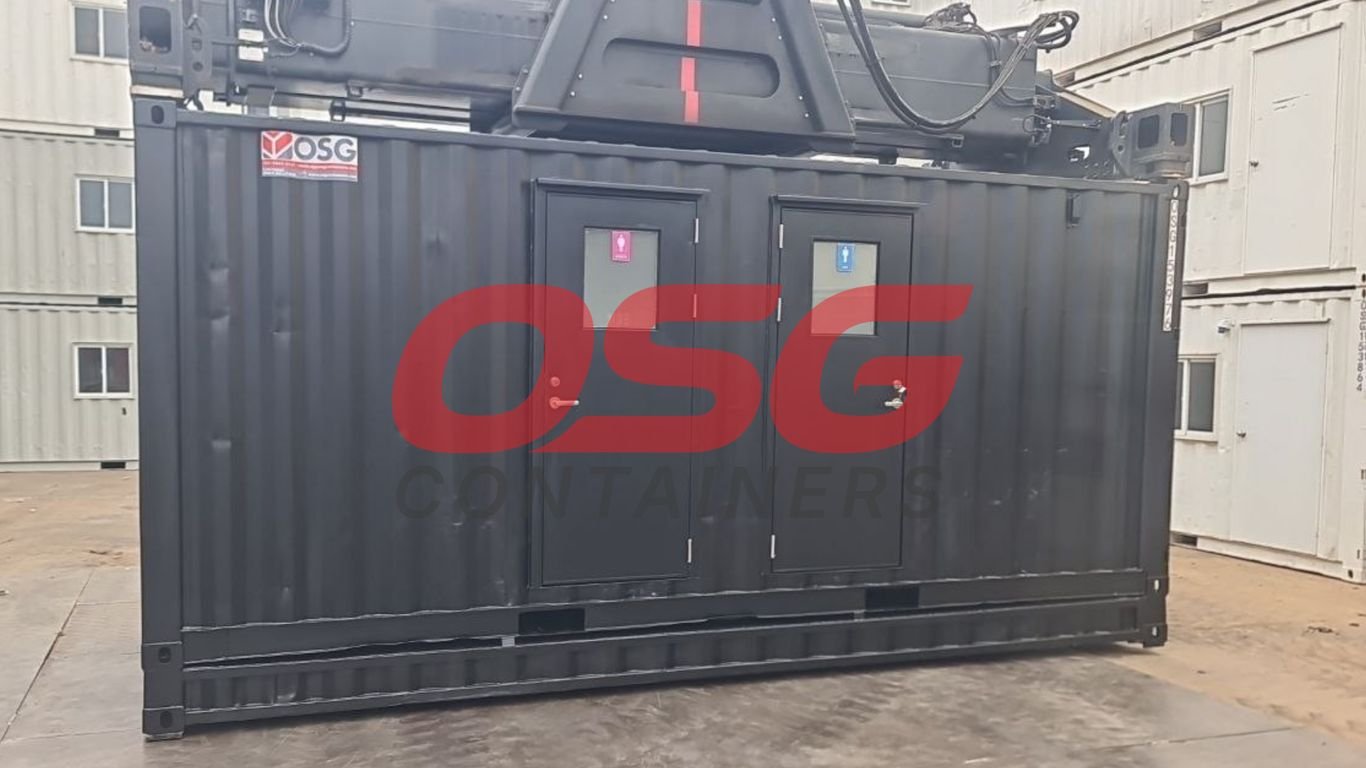
Thinking about getting a 20 ft sea container? They’re super handy for all sorts of things, from stashing extra stuff to building cool projects. But, like anything, you gotta know what you’re doing before you buy. It’s not just about picking one off a shelf. You need to think about the size, how good of shape it’s in, and, of course, how you’re going to get it to your place. This guide is here to help you figure all that out so you don’t end up with a container that’s not quite right for you.
Key Takeaways
- Figure out how much space you actually need and if a 20 ft sea container fits your plans, especially if you’re thinking of changing it later.
- Check the container’s condition carefully. Look for rust, dents, and make sure it’s still strong and can keep things dry and safe inside.
- Look around for sellers. Online ads, local dealers, or even auctions can be good places to find a 20 ft sea container, but always check out the seller’s reputation.
- Don’t forget about the extra costs. Delivery, any work you want done on it, and keeping it in good shape all add up, so make sure it fits your budget.
- Plan how the container will get to your site and if the spot is ready for it. Also, check local rules to make sure you’re allowed to have one where you plan to put it.
Understanding Your 20 Ft Sea Container Needs
So, you’re thinking about getting a 20 foot sea container. That’s a solid move for a lot of reasons. Before you jump in, though, it’s smart to figure out exactly what you need this thing for. It’s not just about having a big metal box; it’s about making sure it fits your life or business.
Assessing Storage Space Requirements
First off, how much stuff do you actually need to put in there? A 20ft container is a good size, offering about 1,156 cubic feet of internal space. That’s a decent amount of room, but it’s not infinite. Think about what you’ll be storing. Are we talking about tools, inventory, furniture, or maybe even equipment? It’s helpful to make a list. You don’t want to buy a container only to find out it’s too small, or conversely, way bigger than you ever needed.
Here’s a quick look at what fits:
- Tools & Equipment: Plenty of room for a good set of construction tools or landscaping gear.
- Inventory: Can hold a significant amount of stock for a small business.
- Furniture: Enough space for the contents of a small apartment or a few rooms of furniture.
- Vehicles: Smaller vehicles like motorcycles or ATVs can fit, but a car might be a tight squeeze depending on its size.
Remember, the external dimensions are roughly 20 feet long by 8 feet wide, but the internal space is a bit less due to the walls.
Determining Suitability for Conversions
Are you planning to turn this 20 foot sea container into something else? Maybe a workshop, an office, a small studio, or even a tiny home? If so, you need to think about more than just storage. A standard 20foot container has a ceiling height of about 8.6 feet. For many conversions, especially if you plan on adding insulation or a false ceiling, this might feel a bit cramped. If you anticipate needing more headroom, you might want to look into a ‘High Cube’ version, which adds about a foot of height. This extra space can make a huge difference in how usable and comfortable your converted space feels.
Consider these conversion points:
- Headroom: Is the standard height enough for your plans?
- Insulation: Will you be adding insulation, and how will that affect internal space?
- Windows & Doors: Where will you put them, and how will they integrate?
- Utilities: If you’re adding power or plumbing, how will that work?
Evaluating Durability and Lifespan
These containers are built tough, that’s for sure. They’re made to handle rough seas and weather, so they’re pretty resilient. However, not all containers are created equal, especially if you’re looking at used ones. You’ll want to check for major rust spots, especially on the roof and floor, and make sure the doors seal up tight. A good, solid container should last you a long time, whether it’s just for storage or for a more involved project. The goal is to find a container that’s wind and watertight to protect whatever you put inside.
Key Factors When Buying a 20 Ft Sea Container
So, you’ve decided a 20-foot container is the way to go. Awesome. But before you click "buy" or head to the yard, let’s talk about what really matters. It’s not just about picking the cheapest one you see online, trust me. You gotta look closer.
Container Condition and Grading
This is a big one. Containers aren’t all created equal, and their condition can seriously affect their lifespan and how much they cost. You’ll usually see them sorted into grades. Think of it like this:
- New (One-Trip): These are basically brand new. They’ve only made one trip from the factory overseas. They’re in the best shape, with minimal wear and tear, and will last you the longest. Pricey, though.
- Used (Cargo Worthy/Wind & Watertight): These have seen some action. They’ve been used for shipping, so expect some dings, dents, and maybe a bit of rust. The key here is "Cargo Worthy" or "Wind & Watertight" (WWT). This means they’re still structurally sound and won’t leak. They’re a good middle-ground for price and durability.
- As-Is: These are usually the cheapest. They might have significant rust, dents, or even small holes. They’re fine if you’re just looking for a basic shell and plan to do a lot of work on it, or if you don’t need it to be perfectly sealed.
Always ask for photos or, even better, go see the container in person before you buy. Look for major rust spots, especially on the roof and floor, and check the door seals.
Size and Capacity Verification
Okay, it’s a 20-foot container, so the length is pretty set. But what about the other dimensions and what it can actually hold? A standard 20-foot container gives you about 1,156 cubic feet of space. That’s roughly 150 square feet of floor space. The maximum payload is usually around 62,350 lbs. This is great for heavy stuff like machinery or construction materials because it’s compact. If you’re thinking about a "High Cube" version, that adds about a foot of height, giving you more room for stacking or if you plan on standing inside a lot. Just double-check the exact interior dimensions and weight limits to make sure your gear will actually fit and that you won’t overload it.
Assessing Overall Quality and Integrity
Beyond just the grade, you need to give the container a good once-over. Think of it like inspecting a used car. You want to check:
- Structural Integrity: Are the corner posts straight? Are the roof and floor panels solid, or are they sagging or rusted through? Give the walls a good push – they shouldn’t feel flimsy.
- Door Functionality: Do the doors open and close smoothly? Do the seals look intact? You don’t want drafts or water getting in.
- Rust and Dents: Minor cosmetic stuff is usually fine, but watch out for deep rust, especially on structural parts or the roof. Big dents can sometimes mean the frame is compromised.
When you’re looking at a container, imagine it filled with your stuff. Would it hold up? Is it going to keep everything dry and protected from the elements? Don’t just look at the price tag; think about how long it needs to last and what you’re putting inside it. A little extra inspection now can save you a lot of headaches later.
It’s easy to get caught up in the excitement of getting your own container, but taking a few extra minutes to really check it out will pay off big time. You want something that’s going to do the job you need it to do, for as long as you need it to.
Exploring Options for Acquiring a 20 Ft Sea Container
So, you’ve decided a 20-foot container is the way to go. Awesome! Now, where do you actually find one? It’s not like you can just pop down to the local hardware store. You’ve got a few main avenues to check out, and each has its own quirks.
Navigating Online Marketplaces and Listings
This is probably where most people start. Think of places like Craigslist, Facebook Marketplace, or even specialized online container sales sites. You’ll find a ton of listings here, often from individuals or smaller businesses clearing out inventory. It’s a good way to get a feel for what’s out there and what prices are like in your area. Just remember to be a bit cautious; not everyone online is selling top-notch gear. Always try to see the container in person before handing over any cash, and don’t be afraid to ask lots of questions.
Identifying Reputable Container Sellers
Beyond the random online ad, there are companies that specialize in selling shipping containers. These guys often have a more consistent stock and can sometimes offer better quality control. They might have a physical yard where you can go and inspect containers, which is a big plus. Some have been around for a while and have built a name for themselves. It’s worth doing a quick search for "shipping container sales near me" and seeing who pops up. Check their reviews if they have them – it gives you a better idea of their service and the quality of what they sell.
Considering Container Auctions for Deals
Auctions can be a bit of a wild card, but that’s also where the potential for a real bargain lies. Shipping companies, storage facilities, or even government agencies sometimes offload containers through auctions. You might find yourself in a bidding war, but if you’re lucky, you could snag a container for significantly less than the going rate. The catch? You often have to take them as-is, and you might not get a lot of information about their history or condition beforehand. It’s definitely more of a "buyer beware" situation, so go in prepared to inspect thoroughly and know your budget limits.
Here’s a quick look at what you might find:
- New (One-Trip): These are containers that have only made one trip from the factory overseas. They’re in the best condition, with minimal wear.
- Used (WWT – Wind and Watertight): These have seen more use but are still structurally sound and sealed against the elements. Good for most storage needs.
- Used (Cargo Worthy): These are certified to be seaworthy but might have more cosmetic issues like dents or rust. Still functional for many land-based uses.
When you’re looking at containers, especially used ones, pay close attention to the details. Dents are one thing, but significant rust or holes in the roof or walls mean trouble. Make sure the doors seal properly too. It’s easy to get excited about a low price, but a container that leaks or is falling apart won’t serve you well in the long run.
Budgeting and Additional Costs for Your Container
So, you’ve decided a 20-foot container is the way to go. Awesome! But before you click ‘buy,’ let’s talk about the money side of things. It’s not just about the sticker price; there are other costs that can sneak up on you if you’re not prepared. Thinking through the total cost upfront will save you headaches later.
Estimating Purchase Price Variations
The price you see advertised can change quite a bit. It really depends on a few things:
- Condition: A "one-trip" container, meaning it’s only been used once for shipping, will cost more than a used one. Used containers can range from "cargo worthy" (meaning they’re still good for shipping) to "wind and water tight" (meaning they don’t leak, but might have some dents). The "as-is" grade is the cheapest but comes with the most potential issues.
- Market Fluctuations: Just like anything else, container prices go up and down. Global shipping demand plays a big role. When lots of goods are being shipped, containers are in higher demand and prices can climb. When things slow down, you might find better deals.
- Type: While we’re focusing on the 20-foot standard, remember there are variations like high cubes (a bit taller) or specialized containers, which will affect the price.
Here’s a rough idea of what you might expect for a 20-foot standard container (prices are estimates and can vary a lot by location and time):
| Condition | Estimated Price Range |
|---|---|
| One-Trip (New) | $2,200 – $2,600 |
| Cargo Worthy | $1,600 – $1,900 |
| Wind & Water Tight | $1,300 – $1,600 |
Factoring in Delivery and Transportation Expenses
This is often the biggest surprise cost. Getting that container from the depot to your property isn’t usually free. The distance is a major factor. If you’re far from a major port or container yard, expect higher delivery fees. Also, how will they get it off the truck? A standard tilt-bed truck is the most common and usually the cheapest. But if your site has tricky access, you might need a crane or a special truck with a side loader (like a HIAB), which adds significantly to the cost.
Proper site preparation is key here. Making sure the ground is level and firm, and that there’s enough space for the delivery truck to maneuver, can prevent delays and extra charges on delivery day. It also makes sure your container sits right and drains properly.
Accounting for Customization and Maintenance
Are you planning to turn your container into an office, a workshop, or something else? Any modifications – like adding windows, doors, insulation, or electrical work – will cost extra. It’s often more cost-effective to have these done by the seller or a professional before delivery, rather than trying to tackle them yourself on-site, especially if you’re not handy.
Don’t forget about ongoing maintenance. While containers are tough, they can rust over time, especially in damp climates. Budgeting a little for paint or rust treatment down the line is a smart move to keep your investment looking good and lasting longer.
Logistics and Site Preparation for Your Container
So, you’ve picked out the perfect 20-foot container. Awesome! But before it arrives, there’s a bit of homework to do. Getting the container to your spot isn’t quite as simple as just pointing the truck in the right direction. You’ve got to make sure the path is clear and the landing zone is ready. Think of it like preparing a parking spot for a really big, really heavy truck.
Planning Container Delivery Access
Delivery trucks, especially the ones carrying containers, are big. They need room to move. For a 20-foot container, you’re generally looking at a tilt-bed tow truck, which is pretty good at getting into tight spots. Still, it needs space to operate. Make sure the route to your drop-off location is wide enough and free of obstructions. This means no low-hanging branches, parked cars, or piles of junk.
Here’s a quick rundown of what those delivery drivers usually need:
- Clear Path Width: At least 12 feet of total width for the truck to drive through.
- Straight Clearance: About 60 feet of straight space where the container will end up. This gives the driver room to back up and position the truck.
- Vertical Clearance: Around 14 feet of height for the truck to pass under anything, and about 20 feet of clear space at the actual drop-off spot for the tilt-off maneuver.
Ensuring Adequate Site Clearance
Once the truck gets there, it needs a solid place to put your container. These trucks can weigh a lot, sometimes up to 45,000 pounds. Dropping a container onto soft ground, like wet grass or mud, is a recipe for disaster. The truck can get stuck, and then you’ve got a whole new set of problems (and costs) to deal with.
The best ground for a container is a hard, level surface. Think concrete, asphalt, or even a well-packed gravel base. The main thing is to avoid areas where water tends to collect. Standing water under a container can lead to rust and damage to the floor over time. Using things like railroad ties or concrete blocks can help lift the container slightly, allowing air to circulate and water to drain away.
Understanding Local Regulations and Permits
This is the part people sometimes forget. Depending on where you live and what you plan to do with your container, you might need permits. Some towns or cities have rules about where you can place storage containers, how long they can stay, or even if you can have them at all. It’s always a good idea to check with your local building department or city hall before the container even gets ordered. You don’t want to have to move it a week after it arrives because you didn’t have the right paperwork. It’s better to be safe than sorry, right?
Enhancing Your 20 Ft Sea Container
So, you’ve got your 20 ft sea container, or maybe you’re looking at a high cube sea container, and now you’re thinking, ‘What else can I do with this thing?’ It’s more than just a metal box, you know. You can really make it work for you, whether it’s for storage, a workshop, or even something more creative.
Exploring Customization Possibilities
Think about what you actually need the container to do. If it’s just for storing tools, maybe some shelves are enough. But if you’re turning it into an office or a small studio, you’ll want to think about things like insulation to keep the temperature steady, maybe some extra lighting, or even a small window for natural light. A high cube sea can gives you that extra bit of headroom, which is great if you plan on standing up and moving around a lot inside.
Here are a few ideas:
- Shelving and Racking: Organize your stored items efficiently.
- Insulation and Paneling: Make the interior more comfortable for longer stays or sensitive storage.
- Windows and Doors: Add extra access points or natural light.
- Ventilation: Keep the air fresh, especially if storing items that might off-gas.
Implementing Security Features
Keeping your stuff safe is a big deal. These containers are pretty tough, but you can always add more security. A good lock is the first step, obviously. But you might also want to think about reinforcing the doors or adding extra locking mechanisms. Some people even install alarm systems or cameras, especially if they’re storing valuable items or using the container as a remote workspace.
- Heavy-duty padlocks: Choose ones designed for shipping containers.
- Locking bars: These can add an extra layer of physical security to the doors.
- Reinforced door frames: Make it harder to pry the doors open.
Don’t forget that even a standard 20 ft container offers a solid base for security. The steel construction itself is a deterrent. Adding a few well-chosen security measures can make it virtually impenetrable for casual theft.
Considering Modifications for Specific Uses
This is where things get really interesting. Need a mobile workshop? You’ll want sturdy workbenches and power outlets. Planning a backyard office? Maybe some soundproofing and a desk setup are in order. For a garden shed, you might just need a simple ramp for easy access with a mower. The possibilities are pretty wide open, especially when you consider that a high cube sea container gives you more room to work with.
| Use Case | Potential Modifications |
|---|---|
| Workshop | Workbench, power outlets, tool racks, lighting |
| Office | Desk, shelving, insulation, HVAC, internet hookup |
| Storage | Shelving, dehumidifier, extra ventilation |
| Art Studio | Natural light (windows), ventilation, durable flooring |
| Garden Shed | Ramp, tool hooks, shelving |
Wrapping It Up
So, you’ve looked into getting a 20-foot shipping container. It’s a pretty solid choice for extra storage or if you’re thinking about a cool project, like a small workshop or even a unique living space. Just remember to check the container’s condition, make sure the size is right, and think about how good the quality is for what you need it for. Don’t forget to factor in delivery costs, any local rules you need to follow, and what your budget looks like. Picking a good seller is important too, and think about how you’ll keep things safe inside. By doing a little homework and looking around, finding the right 20-foot container can be pretty straightforward and end up being a really useful thing to have.
Frequently Asked Questions
What exactly is a 20 ft sea container and why would I need one?
A 20 ft sea container is basically a big, strong metal box, about 20 feet long, used for shipping stuff. You might want one if you need extra storage for your business or home, or if you’re thinking about turning it into something cool like a workshop, an office, or even a small living space. They’re tough and can keep your things safe from the weather.
How do I know if a 20 ft container is in good shape?
When looking at a container, check for big dents, holes, or lots of rust, especially on the roof and doors. Make sure the doors open and close smoothly. A good container should be ‘wind and watertight,’ meaning no rain or wind can get inside. Sellers often use grades like ‘one-trip’ (almost new) or ‘cargo worthy’ to describe their condition.
Where can I find places to buy a 20 ft container?
You can find 20 ft containers in a few places. Online marketplaces like Craigslist or Facebook Marketplace often have local sellers. You can also look for dedicated container companies that sell them, some of which have been around for a long time and have many locations. Sometimes, storage facilities or shipping companies have auctions where you might find a good deal.
What extra costs should I plan for besides the container price?
Besides the price of the container itself, you’ll need to think about delivery costs – getting it to your location can add a significant amount. You might also need to pay for any changes you want to make, like adding shelves or insulation, and potentially for maintenance down the road to keep it in good shape.
Do I need to do anything to my site before the container arrives?
Yes, you usually need to prepare the spot where the container will sit. Make sure there’s enough clear space for the truck to get in and out easily, and that the ground is firm and level so the container doesn’t sink or tilt. You might also need to check local rules to see if you need any permits to have a shipping container on your property.
Can I change a 20 ft container to fit my needs?
Absolutely! People often customize containers. You can add windows, doors, shelves, insulation for better temperature control, or even electricity for lights and outlets. If you’re planning to use it as a living space or workshop, these modifications are common ways to make it more comfortable and useful.


