
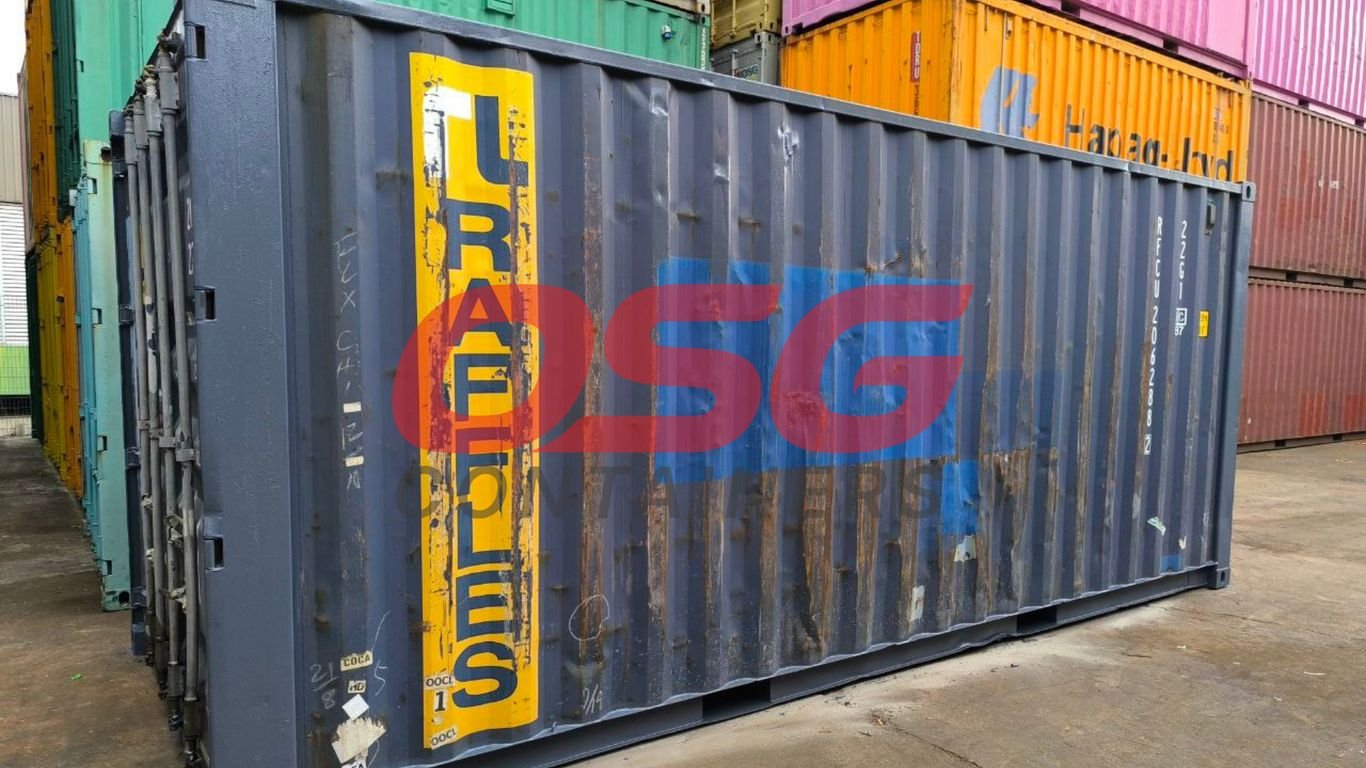
Thinking about buying a used shipping container? It can be a smart move, saving you cash compared to a new one. But honestly, it’s not as simple as just picking one out. You really need to know what you’re looking at, or you might end up with a rusty box that doesn’t do what you need it to. This guide is here to help you sort through the options for 2nd hand containers for sale, so you can get a good deal and a container that actually works for you.
Key Takeaways
- Understand the different grades of used containers like Cargo-Worthy (CW) and Wind & Water Tight (WWT) to know their intended use and limitations.
- Always inspect potential containers closely for structural soundness, watertightness, door function, rust, and any odd smells before buying.
- Compare prices from different sellers and get all condition details and costs in writing to avoid hidden fees and ensure a fair deal.
- Consider your project needs, budget, and how important the container’s appearance is when deciding between different conditions of used containers.
- Factor in delivery logistics, site access, and choose a reputable seller who provides clear, written agreements to ensure a smooth purchase process.
Understanding Used Container Grades
When you start looking for a used shipping container, you’ll quickly find out there are different ‘grades’ or conditions they’re sold in. It’s not just a label; it really tells you what you’re getting and what you can do with it. Think of it like buying a used car – a certified pre-owned is different from something you’d find at a ‘fixer-upper’ lot. The grade impacts the price and how long it’ll last for your specific needs.
Cargo-Worthy (CW) Explained
This is a pretty solid option if you’re thinking about actually shipping things, maybe even overseas. A Cargo-Worthy (CW) container has been checked out and is considered structurally sound enough to handle the rigors of transport. This means it’s strong, sealed up tight, and can pass inspections required for moving goods. If your plan involves moving items from point A to point B via ship or truck, this is likely the grade you’ll want to focus on. Just remember, ‘Cargo-Worthy’ doesn’t always mean ‘road-ready’ or ‘sea-ready’ right this second. You might still need to check if its specific certifications, like CSC plates, are up-to-date for international travel.
Wind & Water Tight (WWT) Defined
So, a Wind & Water Tight (WWT) container is still pretty good, but it’s usually not meant for long-haul shipping anymore. These containers have seen some use and might not pass the strict inspections for international freight. However, they’re still in good shape to keep the elements out. This makes them a popular choice for storage on your property, a backyard workshop, or even a basic office space. They’re sealed well enough that rain and wind won’t get in, protecting whatever you put inside.
The ‘As-Is’ Condition Gamble
Buying an ‘As-Is’ container is where things get a bit more adventurous. These are typically the most affordable options because they’ve had a long life and might show it. You could be looking at rust, dents, maybe even some holes or doors that don’t quite work right. It’s a bit of a gamble, honestly. These are best suited for projects where the container’s appearance or perfect structural integrity isn’t the top priority, or if you’re handy and plan on doing some repairs yourself. Think of it for a simple garden shed or a very basic storage unit where looks don’t matter much.
What to Expect from Refurbished Containers
Refurbished containers are kind of a middle ground. They’ve been used, sure, but someone has gone in and cleaned them up, maybe fixed some minor dents, and often given them a fresh coat of paint. They’ll look a lot better than an ‘As-Is’ unit, and they’re usually still quite sturdy. However, don’t assume a fresh paint job means it’s perfect. It’s always a good idea to inspect them closely, just like any other used container, to make sure the repairs were done well and there aren’t any hidden issues lurking beneath that shiny new exterior.
Key Inspection Points for 2nd Hand Containers
So, you’re thinking about buying a used shipping container. That’s smart, they can be a real bargain compared to new ones. But, and it’s a big ‘but’, you can’t just grab the first one you see. You’ve got to give it a good once-over. Think of it like buying a used car; you wouldn’t just hand over the cash without checking under the hood, right? Same deal here. A little bit of careful checking now can save you a whole lot of headaches later.
Structural Soundness and Watertight Integrity
This is probably the most important thing to check. If the container isn’t solid and doesn’t keep the weather out, it’s pretty much useless for most jobs. You want to make sure it’s still strong enough to do its job, whether that’s holding cargo or becoming a cool backyard shed.
- Look for dents and major rust: Big dents can mean the frame is bent, and deep rust can eat away at the metal. A little surface rust is usually okay, but anything that looks like it’s about to fall apart is a no-go.
- Check for holes: Get inside with the doors closed. If you can see daylight peeking through the walls or ceiling, water can get in too. That’s bad news for whatever you plan to store inside.
- Inspect the floor: Most containers have thick plywood floors. Give it a walk around. Does it feel spongy or uneven? Check underneath if you can for rust on the metal supports.
A container that’s supposed to be ‘Wind and Water Tight’ (WWT) should have absolutely no visible light when the doors are shut and you’re inside. If you see light, it’s not truly WWT.
Door Functionality and Security Features
The doors on a shipping container are heavy and need to work smoothly. If they’re stiff, bent, or the locking bars are damaged, it’s a pain to open and close, and it compromises security.
- Open and close the doors: Do they swing freely, or do they stick and scrape? You don’t want to be wrestling with them every time.
- Check the hinges and locking bars: Make sure they’re not bent, rusted solid, or missing. These are what keep the doors secure.
- Inspect the rubber seals: Around the doors, there are rubber gaskets. Are they cracked, torn, or missing? These seals are key to keeping water out.
Assessing Surface Condition for Rust and Damage
While a little bit of wear and tear is expected with used containers, you need to know what’s just cosmetic and what’s a real problem.
- Surface rust vs. Pitting: Light surface rust can often be cleaned and painted over. Deep rust that causes pitting or holes is a sign of structural weakness.
- Dents and dings: Minor dents are usually fine, but look out for large ones, especially on the corners or along the roof, as they can affect the container’s shape and integrity.
- Warping: Stand back and look at the container from a distance. Does it look square, or does it seem to bulge outwards? A warped container can lead to doors that don’t seal properly and potential leaks.
Checking for Unpleasant Odors
This might seem minor, but it’s important, especially if you plan to store anything sensitive or use the container for living space.
- Give it a sniff test: When you’re inside with the doors closed, take a good whiff. Musty or chemical smells can indicate past leaks, mold, or that the container was used to transport hazardous materials. These odors can be hard to get rid of and might even be harmful.
- Look for stains or mold: Inside the container, check the walls and floor for any signs of water damage, dark stains, or mold growth. This often points to leaks that might not be obvious otherwise.
Evaluating the Value of Used Containers
So, you’re thinking about buying a used shipping container. Smart move if you’re looking to save some cash and still get a solid piece of equipment. But how do you know if you’re actually getting a good deal? It’s not just about the sticker price, you know. There are a few things to consider to make sure you’re not getting ripped off.
Comparing Prices for a Fair Deal
Prices for used containers can swing quite a bit. You’ll see them listed anywhere from a couple thousand dollars to upwards of seven or eight thousand, depending on the condition and size. A "one-trip" container, which has only been used once to ship goods, will naturally cost more than a container that’s seen 10 or 15 years of service. It’s like buying a car – a low-mileage used car is going to be pricier than one that’s been driven a lot. Always shop around and get quotes from a few different sellers. Don’t just jump on the first one you see.
The Importance of Written Condition Details
This is a big one. Don’t just trust what the seller says the container is like. You need it in writing. A good seller will provide a detailed description of the container’s condition, including any known issues. This might be a checklist of things like "Cargo-Worthy (CW)," "Wind and Water Tight (WWT)," or "As-Is." If they’re vague or won’t put it in writing, that’s a red flag. You want to know exactly what you’re buying, so you can compare apples to apples when looking at different options.
Understanding Hidden Costs and Fees
Here’s where things can get tricky. The price you see for the container itself is often just the beginning. You’ve got to factor in delivery costs, which can add up fast, especially if the seller is far away or your site is hard to access. Then there are potential fees for things like permits, unloading equipment if you need it, or even taxes. Always ask for a full breakdown of all costs involved before you agree to anything. You don’t want any surprises showing up on your doorstep.
When you’re evaluating a used container, think of it like buying a used car. You’re looking for a reliable vehicle that meets your needs without breaking the bank. Just like a mechanic inspects a car, you need to inspect the container. A little bit of research and a careful eye can save you a lot of headaches and money down the road.
Here’s a quick look at what you might expect price-wise, though remember these are just general estimates:
| Container Type | Typical Price Range (USD) |
|---|---|
| One-Trip / New | $4,000 – $8,000+ |
| Cargo-Worthy (CW) | $3,000 – $6,000 |
| Wind & Water Tight (WWT) | $2,000 – $4,500 |
| As-Is | $1,000 – $2,500 |
Remember, these prices can change based on location, market demand, and the specific seller. Always get current quotes.
Choosing the Right Container for Your Needs
So, you’ve decided a used container is the way to go. Awesome! But before you pull the trigger, let’s talk about making sure you grab the right one for whatever you’ve got planned. It’s not just about picking the cheapest box; it’s about finding a match for your project, your budget, and even your backyard.
Project Requirements and Container Condition
Think about what you’re actually going to do with this container. Is it going to sit on your property as a storage unit, maybe for tools or seasonal gear? Or are you planning something more involved, like turning it into a workshop, an office, or even a small dwelling? The intended use really dictates the condition you should be looking for.
- Storage: For basic storage, a Wind & Water Tight (WWT) container is usually plenty. It’ll keep the elements out, which is the main thing. You might not need a super-pristine exterior.
- Conversions (Offices, Homes, Workshops): If you’re cutting doors, windows, or adding insulation, you’ll want something structurally sound. A Cargo-Worthy (CW) container is a good bet here, or a refurbished one that’s had some basic work done.
- DIY Projects/Art: If you’re using it for something where looks aren’t a big deal and you’re doing a lot of modification, an ‘As-Is’ container might be a budget-friendly option, but be prepared for some extra work.
The condition you choose can seriously impact the amount of prep work and extra costs involved down the line.
Budget Considerations for Used Containers
Let’s be real, budget is a huge factor. Used containers are cheaper than new ones, but there’s still a range. Generally, the better the condition (like CW), the higher the price. But don’t just look at the sticker price.
Consider these points:
- Size Matters: A 20-foot container is cheaper upfront than a 40-foot. But if you need more space, two 20-footers might end up costing more than one 40-foot, plus you have two sets of delivery fees.
- High Cube vs. Standard: High Cube (HC) containers offer about a foot more vertical space. They cost more, but if you need that extra height for storage or a specific build, it might be worth it.
- Refurbished Costs: A refurbished container might cost more than a WWT one, but it could save you money on exterior repairs or paint jobs if you want it to look good.
Here’s a quick look at typical size differences:
| Size | Exterior Dimensions (L x W x H) | Interior Dimensions (L x W x H) | Approx. Weight |
|---|---|---|---|
| 20′ Standard | 20′ x 8′ x 8.5′ | 19.3′ x 7.7′ x 7.9′ | 4,800 lbs |
| 40′ Standard | 40′ x 8′ x 8.5′ | 39.3′ x 7.7′ x 7.9′ | 6,500 lbs |
| 40′ High Cube | 40′ x 8′ x 9.5′ | 39.5′ x 7.7′ x 8.9′ | 8,500 lbs |
Aesthetics vs. Utility in Container Selection
Sometimes, you just want the thing to look decent. Other times, it just needs to do its job. What’s more important for your situation?
- Utility First: If it’s purely for storage in a backyard or a worksite, dents, scratches, and faded paint might not matter one bit. Focus on structural integrity and watertightness.
- Appearance Matters: If the container will be visible from the street, part of a business front, or a home addition, you might want to spend a bit more on a container that’s in better shape or plan for cosmetic upgrades like a fresh coat of paint.
Remember, even a ‘rough’ looking container can often be cleaned up and painted to look surprisingly good. Don’t let a few cosmetic flaws scare you off if the price is right and the structure is sound. It’s all about balancing what you need it to do with how you need it to look.
Delivery and Site Preparation Factors
Assessing Site Access for Delivery Trucks
Getting your used shipping container to its final spot is a big part of the puzzle. You can’t just have it dropped anywhere. Think about the truck that’s going to bring it. These things are huge, especially the ones carrying 40-foot containers. They need a good amount of room to get in, maneuver, and back up to where you want the container placed. We’re talking about needing a clear path, usually at least 12 feet wide, and enough straight space for the truck and trailer to line up properly. For a 40-foot unit, you might need around 100 feet of clear, straight path. Smaller 20-foot containers are a bit more forgiving, needing maybe 60 feet. Don’t forget about overhead space either; low-hanging branches or wires can be a real problem.
Understanding Delivery Costs and Logistics
Delivery isn’t usually included in the sticker price of the container itself. The further away you are from the seller, the more you’ll likely pay. It’s also worth asking what kind of truck they’ll use. Some trucks are better suited for tight spots than others. A tilt-bed truck, often used for smaller containers, can be more agile than a big semi-trailer rig. Always get a clear quote that breaks down the delivery fee. Sometimes, there are extra charges if the driver has to wait around because the site isn’t ready, or if they get stuck.
Special Equipment Needs for Unloading
Most of the time, the delivery truck has its own way of getting the container off the trailer – usually by tilting it. But what if your site is really tricky? Maybe it’s a backyard with limited access, or you need the container placed in a very specific, hard-to-reach spot. In these cases, you might need to arrange for extra equipment like a crane. This adds to the cost, so it’s something to figure out beforehand. You’ll also want to make sure you have someone on hand to help guide the driver and to manage any chocks or blocks needed to secure the container once it’s down.
- Clearance Requirements: Always confirm the minimum width, length, and especially height clearance needed for the delivery vehicle. This can vary significantly based on container size and truck type.
- Ground Stability: The ground where the container will sit needs to be firm. A truck carrying a container can weigh up to 45,000 pounds. Soft ground, like wet grass or mud, can cause the truck to get stuck, leading to delays and extra fees.
- Site Accessibility: Map out the entire route the truck will take from the road to the final placement spot. Remove any obstacles like parked cars, garden furniture, or debris.
When planning for delivery, think about the truck’s turning radius and the space needed to safely lower the container. It’s better to overestimate the space required than to find out too late that the truck can’t make it onto your property.
Finding a Reputable Seller for Used Containers
Buying a used shipping container can be a smart move, saving you a good chunk of change compared to a new one. But here’s the thing: not all sellers are created equal. Picking the right place to buy your container 40ft or whatever size you need is super important. It can mean the difference between a smooth transaction and a whole lot of headaches.
The Benefits of Local Sellers
When you’re looking for containers for sale, checking out local options first often makes a lot of sense. Local sellers can mean lower delivery costs because they don’t have to haul the container as far. Plus, you might be able to swing by and actually see the container before you buy it. This is a big deal when you’re trying to figure out the real condition of a used shipping container. Scheduling delivery is usually easier too, and if there’s any issue, dealing with someone nearby is generally less complicated.
Verifying Seller Reputation and References
Don’t just take a seller’s word for it. Do a little digging. Look for online reviews – see what other people are saying about their experience with the sale of used containers. If possible, ask for references. A seller who’s been around and has happy customers will usually be upfront about the container’s condition and any potential issues. Also, pay attention to how quickly they respond to your questions. A prompt and clear response is a good sign.
Ensuring Transparency Through Written Agreements
This is a big one. Never, ever rely on verbal agreements. Everything needs to be in writing. This includes the exact grade of the container (like Cargo-Worthy or Wind & Water Tight), any repairs that have been done, the price, and all associated fees, especially delivery costs. A detailed contract protects you. It makes sure you know exactly what you’re getting and what you’re paying for, and it helps avoid misunderstandings down the road. If something goes wrong, having it all documented is your best bet.
Here’s a quick checklist to help you vet a seller:
- Online Reviews: Search for reviews on Google, Yelp, or industry-specific forums.
- Ask for References: Request contact information for previous buyers.
- Response Time: Gauge their responsiveness to your inquiries.
- Physical Inspection: If possible, arrange to see the container in person.
- Written Contract: Insist on a clear, detailed purchase agreement.
When you’re hunting for used shipping containers, remember that the cheapest option isn’t always the best. Sometimes, paying a little more for a container from a trusted seller with a solid reputation can save you a lot of trouble and money in the long run. It’s about getting a fair deal for a container that actually meets your needs.
Maintenance for Longevity
So, you’ve snagged a used shipping container. Awesome! Now, how do you make sure it sticks around for the long haul? It’s not rocket science, but a little bit of care goes a long way. Think of it like owning a car; regular check-ups and a bit of TLC prevent major headaches down the road.
Preventing Structural Damage During Loading
This is a big one. When you’re loading stuff into your container, try not to go overboard. Overloading can put a serious strain on the container’s frame, leading to dents or even buckling. It’s like trying to stuff too many clothes into a suitcase – something’s gotta give!
- Distribute weight evenly: Don’t pile everything on one end. Spread the load out.
- Use proper lifting gear: If you’re moving heavy items, use a forklift or pallet jack. Don’t try to muscle it.
- Secure your cargo: Make sure items inside aren’t just rolling around. Use straps or bracing to keep things from shifting during transit or if the container gets bumped.
Maintaining Technical Condition
This mostly applies if your container has any extra features, like refrigeration units or specialized doors. But even for a basic container, keeping an eye on things is smart.
- Check seals regularly: The rubber seals around the doors are key to keeping water out. If they look cracked or worn, replace them. It’s a cheap fix that saves a lot of trouble.
- Lubricate moving parts: Door hinges and locking bars can get stiff. A quick spray of lubricant keeps them working smoothly.
- Inspect flooring: If you’ve got a wooden floor, check for rot or damage, especially if it’s been exposed to moisture.
Best Practices for International Shipping
If your container is actually going to be shipped overseas, there are a few extra things to keep in mind. This is where documentation and inspections really matter.
- Keep CSC plates up-to-date: If you plan to ship internationally, ensure your Container Safety Convention (CSC) plates are current. This is basically a stamp of approval that the container is safe for transport.
- Document everything: Keep records of any repairs or inspections. This is good practice for insurance and resale value.
- Understand load limits: Different containers have different weight capacities. Know yours and stick to it. Pushing the limits can lead to damage and safety issues.
A little proactive maintenance can significantly extend the life of your used container, saving you money and hassle in the long run. It’s about being observant and addressing small issues before they become big problems. Think of it as an investment in your investment.
| Maintenance Task | Frequency | Notes |
|---|---|---|
| Inspect Door Seals | Every 6 months | Look for cracks, tears, or stiffness |
| Lubricate Hinges/Locks | Annually | Use a marine-grade lubricant if possible |
| Check for Rust/Damage | Annually | Pay attention to corners and seams |
| Verify CSC Plate Status | As needed | Especially before international shipping |
So, Are Used Containers Worth It?
Alright, so we’ve talked about what to look for, the different grades, and why you might pick a used container over a new one. Honestly, for a lot of folks, especially if you’re just needing storage or a workshop space and aren’t shipping goods overseas, a used container can be a really smart move. They’re way cheaper than new ones, and if you do your homework – check for rust, make sure the doors work, and that it’s watertight – you can get a solid box that’ll last you for years. Just remember to factor in delivery and any site prep. It’s not just about grabbing the cheapest thing you see; it’s about finding one that fits your needs and budget without causing a headache down the road. Do your checks, ask questions, and you’ll likely find a used container is a great deal.
Frequently Asked Questions
What’s the difference between a Cargo-Worthy and a Wind & Water Tight container?
Think of a Cargo-Worthy (CW) container as one that’s still good enough to travel the world carrying goods. It’s strong and safe for shipping. A Wind & Water Tight (WWT) container might not be perfect for shipping anymore, but it’s still sealed up tight to keep the rain and wind out. It’s great for storage or workshops.
What should I look for when inspecting a used container?
When you check out a used container, make sure it’s strong and doesn’t have any holes where light can get in when the doors are shut – that means it’s watertight. Also, check that the doors open and close smoothly and that there’s a way to add a lock. Look for big dents, rust spots, or any damage that could weaken it.
Are ‘As-Is’ containers a good deal?
Buying an ‘As-Is’ container is like taking a gamble. These containers have usually lived a long life and might have rust, dents, or doors that don’t work right. They’re the cheapest option, but you’ll likely need to fix them up yourself. They’re best if you just need something for scrap or a simple project where looks don’t matter.
How do I know if I’m paying a fair price for a used container?
To make sure you’re getting a good deal, compare prices from different sellers. Look at what others are charging for containers in similar condition. Also, make sure the seller clearly writes down the container’s condition and any extra costs, like delivery fees, before you pay.
Can a used container be delivered anywhere?
Not always. Delivery trucks need enough space to get to your spot, turn around, and unload the container. If your place is hard to reach, like down a narrow street, you might need special equipment like a crane, which can cost extra.
How can I make sure I’m buying from a trustworthy seller?
It’s smart to buy from sellers who are easy to find locally, as you can often inspect the container yourself and delivery might be cheaper. Always check online reviews and ask for references. Most importantly, get all the details about the container, delivery, and any promises in writing before you sign any papers.


