
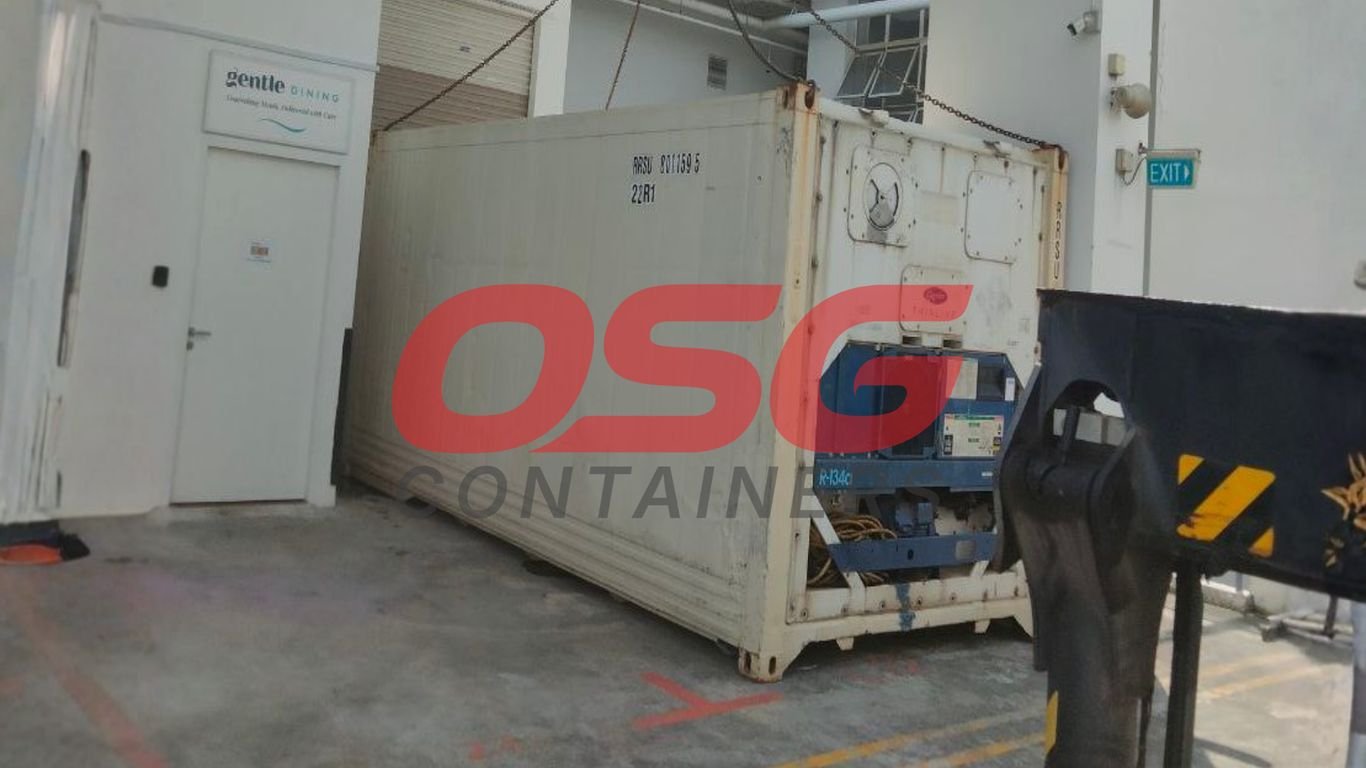
Ever wonder how your favorite fruits from across the globe or that important medicine get to you without spoiling? It’s all thanks to something called a cntr reefer container. These aren’t your average shipping boxes; they’re like high-tech, mobile refrigerators designed to keep things at just the right temperature. We’re going to break down what makes these containers so special and why they’re a big deal for keeping sensitive cargo in good shape.
Key Takeaways
- A cntr reefer is a specialized shipping container that actively controls the temperature inside, acting like a big portable fridge or freezer.
- These containers are vital for transporting a wide range of temperature-sensitive items, from fresh produce and frozen foods to pharmaceuticals and vaccines.
- Advanced technology allows for precise temperature control, often with settings that can be adjusted to very specific degrees, which is critical for maintaining product quality and safety.
- Proper handling, including managing airflow and adhering to pre-trip inspection protocols, is important to ensure the cntr reefer functions optimally and protects the cargo.
- Cntr reefers play a crucial role in the global cold chain, minimizing spoilage, ensuring product efficacy during transit, and helping businesses meet strict regulatory standards.
Understanding The Cntr Reefer Container
What Is A Reefer Container?
So, what exactly is a reefer container? Basically, it’s a specialized shipping container that’s built to keep its contents at a very specific temperature. Unlike a standard container, maybe one you’d consider if you were buying a shipping container for storage, a reefer has a built-in refrigeration unit. This unit is the main event, actively cooling or sometimes even heating the inside to maintain a precise temperature range. These aren’t just insulated boxes; they’re essentially mobile, controlled environments. They’re designed for goods that just can’t handle temperature swings during their journey, whether that’s across town or across the ocean. Think of it as a high-tech, portable fridge or freezer for your cargo.
Purpose Of Cntr Reefer Containers
The main job of a cntr reefer container is to protect temperature-sensitive items while they’re being shipped. This protection is really important for a lot of different products. We’re talking about fresh fruits and vegetables that spoil fast, but also vital medicines that can lose their effectiveness if they get too warm or too cold. Without these special containers, many of the foods we eat and the medicines we rely on simply wouldn’t make it to us in a usable condition. They are built to strict international standards, and they’re a big part of keeping product quality intact from where it starts to where it ends up.
Key Features Of Cntr Reefer Technology
The technology packed into a cntr reefer is what really sets it apart. It’s not just about setting a temperature and walking away; it’s about advanced systems working together to keep that temperature steady. Here are some of the main things that make them work:
- Integrated Refrigeration Unit: This is the core component, capable of cooling or heating to maintain the set temperature.
- Insulated Walls: Thick, insulated walls help to keep the outside temperature from affecting the inside.
- Temperature Monitoring Systems: These systems constantly track the internal temperature and can alert operators to any deviations.
- Durable Construction: Built to withstand the rigors of shipping, just like any other container, but with added complexity for the cooling system. This is different from something like a cntr open top, which prioritizes access over environmental control.
Maintaining the correct internal environment is the primary goal, preventing spoilage and preserving the integrity of the cargo throughout its transit.
Advanced Cntr Reefer Technology
Cutting-Edge Reefer Technology
Forget those old-school insulated boxes. Today’s reefer containers are packed with some seriously smart tech. These systems don’t just blast cold air; they actively manage the internal environment. This means slowing down ripening for fruits, keeping medicines stable, and generally making sure your cargo arrives in the same condition it left. It’s all about precision.
Advanced Reefer Fleet
We’ve put a lot into making sure our fleet is top-notch. Think of it like having a bunch of brand-new, high-performance refrigerators ready to go. A younger fleet means better insulation, more reliable cooling units, and less chance of temperature hiccups. Older containers can sometimes struggle to keep up, using more power and being more prone to those temperature swings we really want to avoid. Our goal is to have containers that are not only efficient but also dependable, no matter the journey.
Precise Temperature Control
This is where the magic really happens. Keeping things at the exact right temperature is non-negotiable for sensitive goods. We’re talking about units that can maintain a temperature within a very tight range, often just a degree or two off the target. This level of control is vital for everything from high-value pharmaceuticals to delicate produce.
Here’s a look at what makes this control possible:
- Microprocessor Control: Modern reefers use microprocessors to constantly monitor and adjust temperature. These units store data like supply and return air temperatures, defrost activity, and setpoint changes.
- Data Logging: Integrated data loggers record all critical environmental parameters. This information is often transmitted remotely, giving you real-time updates on your cargo’s conditions.
- Advanced Insulation: The container walls are built with high-quality insulation materials that minimize heat transfer, helping the refrigeration unit work more efficiently and maintain stable temperatures.
- Reliable Power Systems: Reefers require a consistent power source. The systems are designed to connect securely and reliably to available power, whether on a ship, a truck, or a shore-side connection.
The reliability of the refrigeration unit and the integrity of the insulation are paramount. Any compromise in these areas can lead to temperature deviations, potentially damaging the cargo. Therefore, regular maintenance and pre-trip inspections are non-negotiable steps in the reefer handling process.
The Role Of Cntr Reefers In The Cold Chain
So, how do these fancy reefer containers actually fit into the big picture of getting goods from point A to point B without them going bad? It all comes down to something called the ‘cold chain.’ Think of it as a continuous line of temperature-controlled environments, and the cntr reefer is a super important link in that chain.
Ensuring Product Efficacy During Transit
When you’re shipping things like medicines or vaccines, keeping them at the right temperature isn’t just about quality; it’s about making sure they actually work. If a vaccine gets too warm, it can become useless, and that’s a big problem for public health. Cntr reefer containers are built to maintain these precise temperatures, often with very tight tolerances, from the moment the product leaves the factory until it reaches its destination. This consistent control is what keeps these vital goods effective and safe for use. The integrity of the cold chain is directly tied to the reliability of the reefer container.
Minimizing Spoilage And Food Loss
Think about all the fresh produce, dairy, and meat that gets shipped around the world every day. Without reefers, a huge amount of this food would spoil long before it reached our plates. These containers act like mobile, controlled environments, keeping temperatures steady and preventing the kind of fluctuations that speed up spoilage. This means less waste and more good food available for everyone. It’s a pretty big deal when you consider the scale of global food distribution.
Meeting Stringent Regulatory Requirements
Many industries, especially pharmaceuticals and food, have strict rules about how their products must be handled and transported. These regulations often specify exact temperature ranges and require detailed records of that temperature throughout the journey. Cntr reefers, with their advanced monitoring systems, can provide this data, showing that the cargo was kept within the required parameters. This documentation is vital for compliance and can prevent costly recalls or rejections.
Maintaining the correct temperature isn’t a suggestion; it’s often a legal requirement. Failing to do so can lead to serious consequences, from financial losses to public health risks. The technology in these containers is designed to prevent those failures.
Here’s a quick look at why this matters:
- Pharmaceuticals: Vaccines, insulin, and other temperature-sensitive drugs need exact conditions to remain potent.
- Fresh Produce: Fruits and vegetables can ripen too quickly or spoil if not kept at their ideal temperature range.
- Dairy & Meats: These items are highly perishable and require consistent cold to prevent bacterial growth.
- Specialty Foods: Think ice cream, chocolates, or even certain gourmet ingredients that need specific temperature profiles.
Cntr Reefer Handling Guidelines
So, you’ve got temperature-sensitive goods that need to travel. That’s where cntr reefer containers come in, but just having the container isn’t the whole story. How you handle it matters a lot. It’s not just about setting the temperature and hoping for the best; there are a few key things to keep in mind to make sure your cargo arrives in tip-top shape. Think of it like packing a fragile item – you need to be careful and follow certain steps.
Reefer Handling Guideline Overview
When you’re moving items that spoil fast – think fresh produce, medicines, or even certain chemicals – a reefer container is pretty much a necessity. It’s all about keeping the temperature exactly where it needs to be, from the moment it’s loaded until it gets to its final destination. Even a small temperature bump can ruin an entire load. That’s why the tech inside these containers is so good at cooling quickly and holding that temperature steady, even when the weather outside is being wild. The reliability of the refrigeration unit and the integrity of the insulation are paramount. Any compromise in these areas can lead to temperature deviations, potentially damaging the cargo.
Pre-Trip Inspection Essentials
Before you even think about loading, a thorough pre-trip inspection is non-negotiable. This helps catch potential issues early, saving you from spoiled cargo and costly delays. Here’s a quick rundown of what to check:
- System Test: Run the refrigeration unit to confirm it’s cooling (or heating) to the set temperature.
- Seal Check: Inspect the door seals and container walls for any damage that could let outside air in or cold air out.
- Control Panel Verification: Make sure the temperature controls and any monitoring systems are working correctly and accurately.
- Power Connection: Confirm that the power source for the unit is secure and functional.
Specialized Cntr Reefer Applications
These aren’t just for crossing oceans with your average shipment. Reefer containers have found a really important place in some tough spots, like on offshore oil and gas rigs. Imagine needing to keep food and supplies cold way out at sea, often with rough weather to deal with. That’s where these specialized containers come in. They’re often built a bit tougher, maybe with extra support to handle constant movement, and they need to connect reliably to the rig’s power. The main idea is to create a steady, cold space, no matter how much the ocean is tossing things around.
Proper handling and maintenance are key to the successful operation of any refrigerated container. Following established guidelines minimizes risks and protects the value of the cargo being transported.
Maintaining Cntr Reefer Cargo Integrity
Importance Of Consistent Temperature
Keeping your cargo at the right temperature is really the whole point of using a reefer container. It’s not just about keeping things cold; it’s about keeping them at a specific cold. Even a small temperature spike or dip can mess things up for sensitive items. Think about it like this: if you’re shipping fresh berries, a few hours too warm and they start to soften and spoil. If they get too cold, they can freeze and get mushy. The reefer unit works hard to stay within that narrow, pre-set range, but it needs a good environment to do its job. Good insulation in the container walls helps a lot here, meaning the cooling unit doesn’t have to work overtime just to fight off the outside heat.
Protecting Cargo Quality
So, how do we make sure the stuff inside stays good? It starts with setting the right temperature, sure, but there’s more to it. How you load the container makes a big difference. You need to let the cold air move around the cargo. If you pack boxes too tightly or block the vents, you’ll get warm spots. That’s bad news. Proper loading also means the cargo itself isn’t getting bashed around during transit, which can also affect its ability to handle the cold.
Here are some general rules to keep in mind:
- Airflow is key: Make sure there’s space for air to circulate around all the goods.
- Proper stacking: Don’t stack items so high that they block the vents or crush lower items.
- Secure the load: Prevent shifting during transit, which can damage products and disrupt airflow.
The goal is to create a stable environment where the cargo is protected from external conditions and internal fluctuations. This careful management is what separates a successful shipment from a costly loss.
Controlled Atmosphere And Humidity Management
Beyond just temperature, some cargo benefits from controlling the air inside the container. This is where controlled atmosphere (CA) technology comes in. CA systems can adjust the levels of oxygen and carbon dioxide. For things like fruits and vegetables, this can slow down ripening and spoilage, extending their shelf life significantly. Managing humidity is also important. Too much moisture can lead to mold, while too little can cause produce to dry out. The reefer unit, often working with specialized equipment, helps keep these levels in check, making sure your cargo arrives in the best possible condition, whether it’s headed for a local market or being transported on a general cargo ship across the ocean.
Wrapping It Up
So, when you really think about it, these reefer containers are pretty amazing pieces of tech. They’re not just big metal boxes; they’re like super-powered refrigerators that can handle journeys across oceans. Keeping things like your favorite fruits, veggies, or even important medicines at the exact right temperature is a big job, and these containers are built to do just that. From the fancy cooling units to the insulated walls, every part works together to make sure your cargo arrives in the best possible shape. It’s a complex system, but it’s what keeps our global supply chain moving for all sorts of sensitive goods.
Frequently Asked Questions
What exactly is a “Cntr Reefer Container”?
A “Cntr Reefer Container” is a special kind of shipping box that has its own built-in cooling system. Think of it like a big, mobile refrigerator or freezer that keeps your items at the perfect temperature while they travel, whether it’s across the ocean or just across the country.
Why are these containers so important for shipping?
They are incredibly important because they stop temperature-sensitive items, like fresh fruits, frozen foods, and even important medicines, from going bad. Without them, many of the foods we enjoy and the medicines we need wouldn’t make it to us in good shape because they would spoil during long trips.
How does a reefer container keep things cold?
These containers have a strong cooling machine attached. This machine can be set to keep the inside at a very specific temperature, much like your home fridge. It works hard to make sure the air inside stays cool, no matter how hot or cold it is outside.
What’s the biggest challenge when using a reefer container?
One of the main challenges is keeping the temperature perfectly steady. Even small changes can harm delicate items. It’s also really important not to block the airflow inside the container, as this is how the cold air reaches all the cargo. Proper handling is key!
How do these containers help prevent food waste?
By keeping food at the exact right temperature, reefer containers stop it from spoiling too quickly. This means less food gets thrown away during shipping, making sure more good food gets to people’s tables.
Can reefer containers also heat things up?
Yes, they can! While we often think of them as coolers, many reefer containers have a heating function too. This is useful for shipping items that need to stay above freezing but still require a controlled temperature, like certain types of plants or specialized chemicals.


