
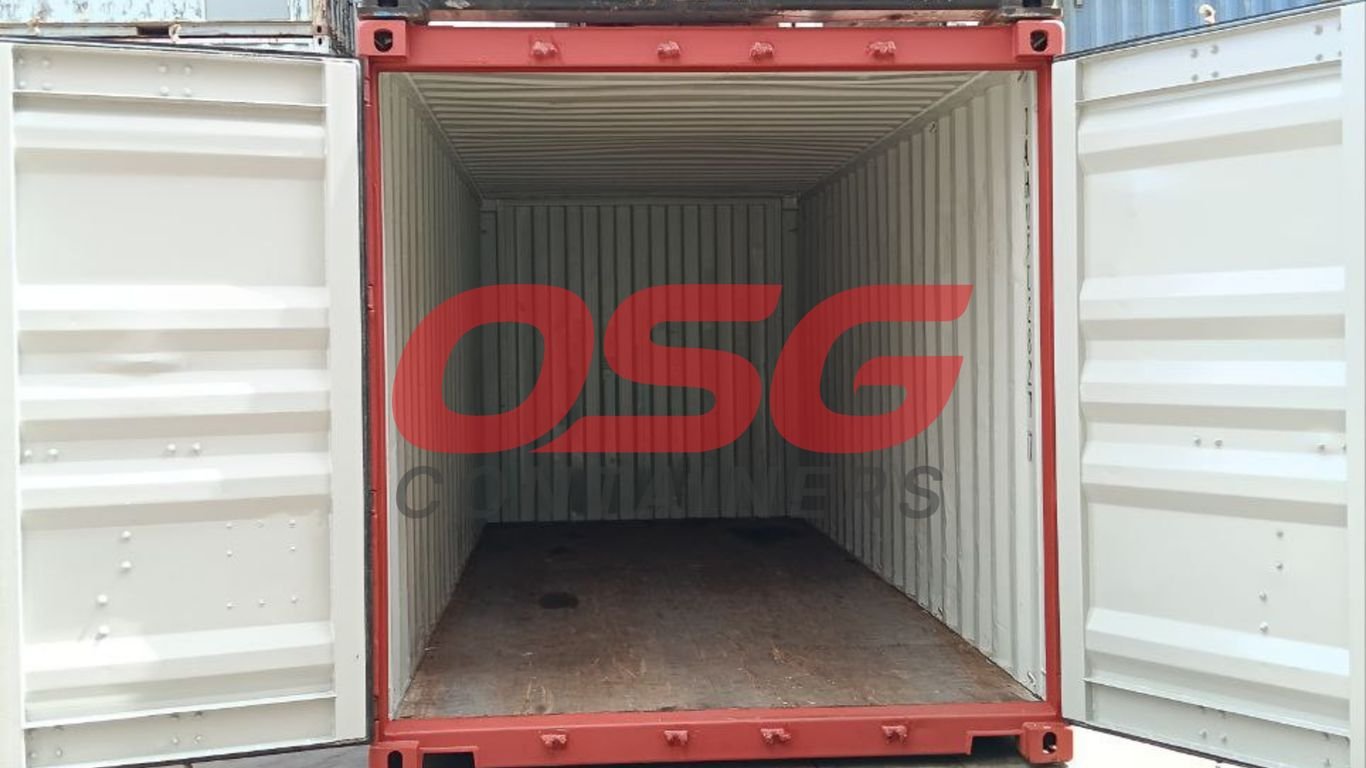
Sometimes, the stuff you need to move just doesn’t fit into a regular box. You know, those really tall things, or maybe something super wide that won’t go through standard doors. That’s where the open-top container really shines. It’s not your everyday shipping container, but for certain jobs, it’s pretty much the only way to go. Let’s talk about why these open-top workhorses are so useful and when you should consider using one for your next shipment.
Key Takeaways
- An open-top container is ideal for oversized or awkwardly shaped cargo that needs to be loaded from above.
- They are great for handling bulk materials like gravel, scrap metal, or agricultural products with ease.
- Transporting tall items such as vehicles, boats, or construction equipment becomes much simpler.
- The removable tarpaulin cover offers flexibility, and most also have standard end doors for dual access.
- Choosing between new and used, and understanding availability, is important when selecting the right open-top container for your needs.
Handling Bulk Materials With Ease
Efficient Loading Of Loose Goods
When you’re dealing with materials like gravel, coal, scrap metal, or even large quantities of agricultural products, getting them into a container can be a real chore. Standard containers with their small doors just aren’t built for this kind of work. That’s where open-top containers come in handy. You can simply pour or dump these loose goods directly in from above, using loaders, conveyors, or even just tipping trucks. It makes filling up the container incredibly fast. No more struggling to push material through a narrow opening. It’s all about speed and efficiency when you’ve got tons of stuff to move.
Streamlined Unloading Processes
Just as loading is easier, so is unloading. Once the cargo is at its destination, you don’t have to spend ages trying to dig it out. Depending on the material and your setup, you can often just tip the container over, or use machinery to quickly scoop out the contents. This drastically cuts down on the time and labor needed compared to emptying a standard container. Think about how much faster a construction site can clear out debris or a quarry can empty its load when they’re not fighting against the container’s design.
Ventilation For Organic Cargo
Some materials, especially organic ones like certain agricultural products or compost, need to breathe. A sealed container can lead to spoilage or unwanted chemical reactions. Open-top containers, even when covered with a tarpaulin, allow for a degree of airflow. This ventilation can be really important for maintaining the quality of sensitive cargo during transit. It’s a simple feature, but it can make a big difference in preventing losses and ensuring your goods arrive in good condition.
The ability to load and unload from the top bypasses many of the physical limitations of traditional containers, making it a go-to choice for materials that would otherwise be a hassle to transport.
Shipping Oversized And Awkward Cargo
Sometimes, standard containers just don’t cut it. You’ve got items that are too tall, too wide, or just plain weirdly shaped. Trying to force them through a regular container door is a recipe for disaster, both for your cargo and the container itself. This is where open-top containers really shine. Because they don’t have a fixed roof, you can load things from the top, usually with a crane. Think about large pieces of industrial equipment, pre-fabricated building sections, or even large sculptures. You can just lift them right in. It makes the whole loading and unloading process so much simpler and faster.
Transporting Tall Vehicles And Boats
Got a vehicle that’s a bit too tall with its accessories, or maybe a small boat you need to ship? An open-top container can be the perfect solution. You can carefully lower these items into the container using a crane, making sure they’re positioned just right. This avoids any damage that might happen if you tried to squeeze them through regular container doors. It’s a much safer and more practical way to handle these kinds of awkward shipments.
Accommodating Unconventional Shapes
When dealing with unconventional cargo, the open-top container offers a level of flexibility that standard containers simply can’t match. The ability to load from above significantly simplifies the process for bulky, tall, or irregularly shaped items, reducing the risk of damage and saving valuable time. If your cargo isn’t a perfect square, like large pipes or unique sculptures, open-top containers give you more freedom. You can load them more easily and secure them better, reducing the chance of damage during the journey.
Securing Machinery And Equipment
Many of the items that benefit from top-loading are also quite heavy. This is where the compatibility with cranes becomes a major efficiency booster. Cranes are designed for lifting heavy loads, and when you combine that with an open-top container, you have a system that can handle substantial weight with relative ease. You can position the crane directly over the container and lower the heavy item into its spot. This is often safer and more efficient than trying to use forklifts or other equipment to push or pull heavy items through a side door, which can risk damage to both the cargo and the container.
The ability to load directly from above bypasses many of the physical constraints of standard containers, making it ideal for items that would otherwise be difficult or impossible to ship.
Construction And Demolition Site Solutions
Managing Scrap Metal And Debris
When you’re tearing down an old building or clearing out a factory floor, you end up with a lot of… stuff. We’re talking about scrap metal, broken concrete, old wood – basically, anything that used to be part of something else. Open-top containers are a lifesaver here. Because they don’t have a roof, you can just dump all that heavy, awkward debris right in from the top. Cranes can easily lift piles of metal, and forklifts can push in loads of rubble. It makes the cleanup process way faster than trying to stuff everything through the doors of a regular container. Plus, once it’s full, you just call up your transport company, and they haul it away to the recycling yard or the dump. It’s a pretty straightforward way to deal with the mess.
Transporting Building Materials
Think about all the large items that go into building something new. We’re talking about long pipes, stacks of lumber, large pre-fabricated sections, or even big rolls of roofing material. These things often don’t fit neatly into a standard container. An open-top container lets you load them from above, which is often the only practical way. You can stack them up pretty high, too, making good use of the space. And when it’s time to get them to the job site, the open top, covered with a sturdy tarp, keeps everything protected from rain and wind during the journey. It’s a much simpler way to move these bulky items compared to trying to secure them on a flatbed truck where they’re totally exposed.
Temporary On-Site Storage
Sometimes, you don’t need to move materials right away. Maybe you’re collecting scrap metal over a few weeks, or you’ve got building supplies delivered early. An open-top container can just sit there on your site, acting like a giant, accessible bin. You can toss things in as needed, and it keeps the site tidy. It’s way better than having piles of materials scattered around, getting in the way or getting damaged by the weather. When you’re ready, you can either have it emptied or have it transported to its final destination. It’s a flexible storage solution that’s right there when and where you need it.
The beauty of open-top containers on a construction or demolition site lies in their sheer practicality. They remove the limitations of standard container doors, allowing for the easy loading and unloading of materials that simply wouldn’t fit otherwise. This adaptability makes them indispensable for managing waste, transporting bulky supplies, and providing flexible on-site storage.
Here’s a quick look at why they’re so useful:
- Easy Top Loading: Cranes and forklifts can quickly deposit materials from above.
- Handles Awkward Items: Perfect for long pipes, large machinery parts, or irregular shapes.
- Weather Protection: A secure tarp keeps contents dry and safe during transit or storage.
- Site Tidy-Up: Helps manage debris and materials, keeping the work area clear.
The Advantages Of Open-Top Container Design
When you look at an open-top container, it might seem pretty straightforward – a box with no roof. But that simple design change brings some serious benefits, especially when you’re dealing with cargo that’s a bit out of the ordinary. It’s not just about being different from a standard container; it’s about solving specific shipping puzzles.
Flexibility Of Removable Tarpaulin Covers
Forget about being stuck with a fixed roof. Open-top containers come equipped with a heavy-duty, removable tarpaulin. This isn’t some flimsy plastic sheet; it’s built tough to keep your stuff dry and protected from the elements once it’s loaded. The real magic here is how this cover enables top-loading. Imagine trying to get a massive piece of machinery or a tall stack of building materials into a regular container. It would be a real headache, right? With the tarpaulin off, you can just lower that cargo straight down from above using a crane. It makes loading and unloading much quicker and often the only practical way to handle these kinds of items.
Dual Access With End Doors
While the open top is the main attraction for loading, most open-top containers still have those standard doors at the end. This is a big deal because it gives you options. You can still get to your cargo from the front or back, which is super handy for organizing things inside or for certain unloading scenarios. It’s like getting the best of both worlds: easy overhead access for the big stuff and traditional door access for everything else. This dual access can really simplify how you manage your shipment.
Durable Construction For Heavy Loads
Like their closed-top counterparts, open-top containers are built tough. They’re designed to handle heavy loads and the rigors of shipping, just like you’d expect. This means you don’t have to worry about the container itself giving out, even when you’re packing it with some seriously weighty items. The frame and flooring are made to withstand significant pressure, giving you peace of mind during transit. This robust build quality is a key reason why open-top containers are so reliable for challenging cargo.
The primary benefit of an open-top container lies in its adaptability for cargo that defies standard container dimensions. This design prioritizes ease of loading and unloading for oversized, tall, or awkwardly shaped items, often utilizing overhead lifting equipment. It provides a practical solution where traditional container access would be impossible or highly inefficient.
Here are some common scenarios where this design shines:
- Heavy Machinery: Industrial presses, generators, or large factory components that exceed standard height limits.
- Construction Materials: Steel beams, pre-fabricated modules, or large pipes that need to be lowered into place.
- Vehicles and Equipment: Tall vehicles, mining equipment, or even small boats that are too high for conventional doors.
- Scrap and Debris: Managing bulky waste materials from demolition or industrial sites.
Choosing The Right Open Top Container
So, you’ve figured out that an open-top container is the way to go for your shipment. That’s a solid choice, especially when you’re dealing with stuff that’s just too tall, too wide, or generally awkward for a regular container. But here’s the thing: not all open-tops are built the same, and picking the right one can really make a difference in how smoothly everything goes. It’s not just about grabbing any old box without a roof.
When A Standard Size Isn’t Ideal
Sometimes, even an open-top version of a common size, like a 20ft container, might not cut it. If your cargo is exceptionally long or bulky, that 20ft might still feel pretty cramped. You might need to step up to a larger size, perhaps a 40ft container, to comfortably fit everything without it sticking out precariously or making loading a real struggle. Trying to jam a long piece of machinery or a stack of big pipes into a container that’s just barely long enough is going to be a headache. You want some breathing room, you know?
New Versus Used Open Top Containers
This is a pretty big decision, and it really boils down to your budget and how often you plan on using the container. New open-top containers are, naturally, in perfect condition. They’ll probably last longer and give you fewer headaches down the line. The downside? They come with a higher price tag. Used open-top containers can be a fantastic way to save some cash, especially for one-off projects or if you don’t need the absolute latest model. Just make sure you give them a good once-over before committing. Here are a few things to check:
- Structural Integrity: Look for any major dents, rust holes, or signs of damage to the frame or floor.
- Door Functionality: Ensure the end doors open and close smoothly and the seals are still in decent shape.
- Roof Mechanism: If it has a hard roof, check that it operates correctly. For tarpaulin covers, inspect for rips or tears.
Remember, while a used container can save you money, a poorly maintained one could end up costing you more in repairs or lost cargo down the road.
Partnering For Your Open Top Needs
Finding the right open-top container, especially a used one, isn’t always straightforward. The market for these specialty containers can be a bit tight because they aren’t as common as standard dry vans. You might find that availability is limited, and getting exactly what you need can take some effort. This is where working with a specialized supplier or broker can be a real help. They often have a better handle on inventory, can help you understand the condition of different units, and might even assist with logistics. They can guide you through the options, helping you find a container that fits your specific needs and budget without too much hassle.
Cost-Effectiveness Compared To Alternatives
When you’re figuring out how to move your stuff, it’s easy to just think about the standard box container or maybe a flatbed truck. But sometimes, those aren’t the best or cheapest way to go, especially if your cargo is a bit unusual. That’s where open-top containers really start to make sense.
Savings Over Flatbed Securing
Flatbeds are pretty common, but getting a load secured on one can take a lot of time and materials. You’ve got straps, chains, tarps, and all sorts of bracing to make sure things don’t shift around. It’s a whole process. With an open-top container, the walls are already there. You can often load things in and then just use some basic blocking or dunnage to keep it from moving. This built-in structure can cut down on labor costs and the price of extra securing gear. Plus, a well-tarped open-top offers better protection from rain and road grime than a load sitting out in the open on a flatbed. It’s a good middle ground for a lot of cargo that doesn’t need a fully enclosed box but still needs some protection and securement.
Avoiding Special Permits For Out-Of-Gauge Cargo
Sometimes, cargo is just too big or too tall to fit inside a regular container or even on a standard flatbed without sticking out. This is what people call ‘out-of-gauge’ or ‘over-dimensional’ cargo. Shipping that kind of stuff often means you need special permits from different states or countries. Getting those permits can be a real headache and adds a lot of extra cost and time to your shipment. An open-top container, because you can load things from the top and potentially stack them a bit higher or arrange them more freely, can sometimes help you keep your cargo within the legal limits for width and height. This means you might be able to avoid those expensive and time-consuming special permits altogether. It’s a way to manage tricky cargo without breaking the bank on paperwork.
Here’s a quick look at why open-tops can be more budget-friendly:
- Reduced Securing Time: Less time spent strapping and bracing means lower labor costs.
- Less Material Needed: Often requires fewer specialized tie-downs compared to flatbeds.
- Permit Avoidance: Can help keep cargo within dimensions that don’t require special permits.
- Element Protection: Better protection than exposed loads, potentially reducing damage claims.
Think about a large piece of industrial equipment. Trying to strap that down securely on a flatbed might take hours and a lot of specialized gear. With an open-top, you might be able to lift it in, add a few blocks to keep it from sliding, and be done in a fraction of the time. That’s real savings.
It really comes down to looking at your specific cargo and figuring out which method offers the best balance of security, protection, and overall cost. For a lot of situations, the open-top container is a surprisingly economical choice.
So, When Is an Open-Top Container Your Best Bet?
Alright, so we’ve talked a lot about these open-top containers. Honestly, they’re not just for construction sites or hauling scrap metal, though they’re great for that too. When you’ve got something that’s just too tall, too wide, or just plain awkward to get into a regular container, these open tops really shine. Loading big machinery, long pipes, or even small boats becomes way simpler when you can just lift it straight in from above. Sure, you need to make sure everything’s tied down and covered up well, but the ease of getting those tricky items loaded and unloaded is a huge advantage. If you’re dealing with cargo that doesn’t play nice with standard shipping methods, an open-top container is definitely worth considering. It can save you a lot of hassle and maybe even some money in the long run.
Frequently Asked Questions
What makes open-top containers great for big stuff?
Open-top containers are awesome for large items because you can load them from the top. Imagine trying to fit a giant piece of machinery into a regular container – it’s tough! With an open top, a crane can just lift it right in, making things way easier and faster.
Can I use these for oddly shaped items?
Absolutely! If your cargo isn’t a perfect square, like large pipes or unique sculptures, open-top containers give you more freedom. You can load them more easily and secure them better, reducing the chance of damage during the journey.
Are they good for building materials like wood?
Yes, they are! Open-top containers are perfect for loading things like lumber, steel beams, or other construction supplies that might be too tall or awkward for a regular container. You can just stack them in from the top.
What if my cargo needs to breathe a little?
For certain things, like some farm products, a bit of air circulation is good. While you’ll cover the open top with a tarp, it can still allow for some airflow, which is better than being completely sealed up. This can help keep the contents from spoiling.
Are open-top containers safe for heavy machinery?
Definitely. They are built strong to handle heavy loads. Using a crane to carefully place heavy machinery, like factory equipment or generators, into an open-top container is a common and safe practice.
Can I use an open-top container for scrap metal or trash?
Yes, they are excellent for cleanup jobs! Whether it’s scrap metal from a demolition or just a lot of debris, you can easily load it into an open-top container from above. Once full, it can be taken to a recycling center or disposal site.


