
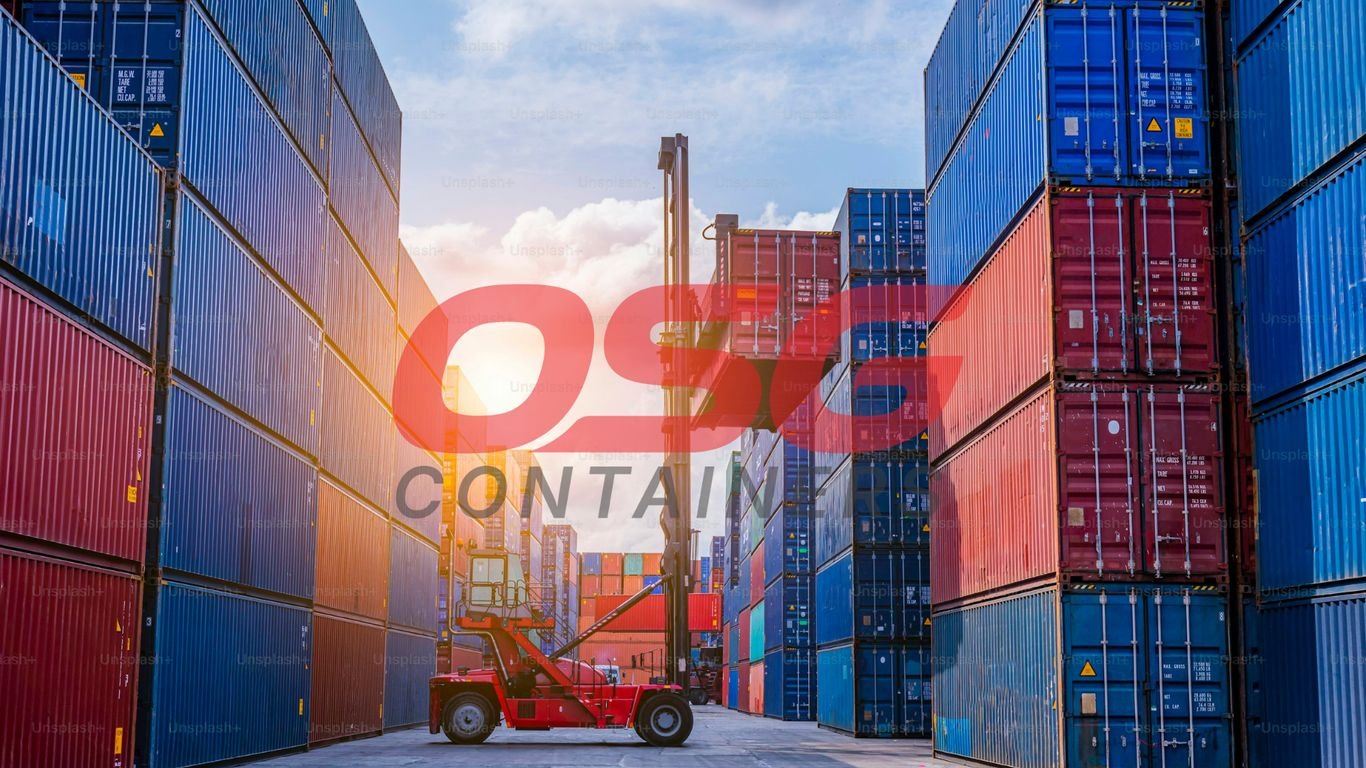
It’s pretty wild when you think about it, right? These big metal boxes, the shipping container, basically changed the whole world of buying and selling stuff globally. Before them, moving goods around was a total headache. Now, it’s mostly smooth sailing, thanks to this one simple idea. Let’s talk about how these containers went from a new concept to the absolute backbone of how we get things from pretty much anywhere to anywhere.
Key Takeaways
- Malcolm McLean’s idea for a standardized shipping container in the 1950s was the spark that ignited a revolution in global trade.
- Shipping containers drastically cut down shipping times and costs, making international trade much more accessible and efficient.
- These containers are the foundation of modern global commerce, enabling things like just-in-time manufacturing and transforming port operations worldwide.
- Beyond just moving goods, shipping containers are now being repurposed for housing, emergency shelters, and even energy solutions.
- The future of the shipping container involves more sustainable practices, digital tracking, and adapting to new ways of selling and delivering products.
The Genesis Of The Shipping Container
Malcolm McLean’s Visionary Idea
Before the shipping container, moving goods around the world was a real headache. Ships were loaded piece by piece, a process called break-bulk shipping. It was slow, expensive, and a lot of stuff got damaged or stolen. Imagine trying to load a whole factory’s worth of different items onto a ship one by one – it took ages and cost a fortune.
Then came Malcolm McLean, a trucking guy from North Carolina. He looked at this mess and thought, "There has to be a better way." His big idea, back in the 1950s, was simple but brilliant: what if we put all the goods into standardized metal boxes? These boxes could then be easily moved from trucks to trains to ships without anyone having to touch the individual items inside. This concept of a universal, intermodal container was the spark that ignited a revolution.
The First Container Ship Sails
McLean bought an old oil tanker, the SS Ideal X, and modified it to carry these standardized containers. On April 26, 1956, this ship set sail from Newark, New Jersey, heading to Houston, Texas, with 58 containers on board. It wasn’t a massive voyage, but it was a historic moment. It proved that his idea actually worked.
This initial trip was a proof of concept, showing that goods could be transported much more efficiently. It was the first step in a journey that would completely change how the world traded.
Revolutionizing Break-Bulk Shipping
The impact of McLean’s innovation on the old way of doing things, break-bulk shipping, was huge. Suddenly, loading and unloading ships went from taking days to just hours. This speed meant:
- Reduced Labor Costs: Fewer dockworkers were needed for the tedious task of handling individual items.
- Less Damage and Theft: Goods were protected inside the sealed containers, cutting down on losses.
- Faster Transit Times: Ships could spend more time at sea and less time in port, speeding up deliveries.
The shift from break-bulk to containerization wasn’t just about making shipping faster; it was about making it predictable and reliable. This predictability was key for businesses wanting to plan their operations more effectively.
This new system, containerization, quickly caught on. Companies realized the massive savings and efficiency gains. It was clear that the days of manually loading crates and barrels were numbered, and a new era of global trade had begun.
Shipping Containers As The Backbone Of Global Trade
It’s hard to imagine global commerce without these big metal boxes, right? Shipping containers are pretty much what makes the world go round when it comes to moving stuff. We’re talking about over 90% of all international trade moving in these standardized units. Think about that for a second. It’s not just about getting goods from point A to point B; it’s about doing it reliably and affordably.
Enabling Just-In-Time Manufacturing
One of the biggest game-changers containerization brought about is the ability for companies to really nail "just-in-time" manufacturing. This means businesses can get parts and materials exactly when they need them, not too early to pile up in a warehouse, and not too late to halt production. This cuts down on a ton of costs and makes everything run way smoother.
- Reduced inventory holding costs.
- Minimized waste from overstocking.
- Increased production flexibility.
The predictability offered by container shipping is what allows complex global supply chains to function. Without it, the lean manufacturing models many companies rely on would simply fall apart.
Transforming Port Infrastructure
Seeing a massive port today is a testament to the container’s impact. Places like Shanghai, Rotterdam, and Los Angeles have become huge hubs, buzzing with activity. They’ve had to build massive cranes, automated systems, and connect everything with roads and railways to handle the sheer volume. It’s a whole different world from the old days of loading individual crates by hand. This infrastructure isn’t just for show; it’s the engine that keeps global trade moving.
The Dominance Of Standardized Sizes
The real magic is in the standardization. Most of what you see are 20-foot or 40-foot containers. This uniformity means they fit perfectly onto ships, trains, and trucks, and can be stacked and moved with specialized equipment without a hitch. It’s this simple idea that made everything else possible. Even if you’re looking for 2nd hand containers for sale, you’ll find these standard sizes are the most common, showing just how ingrained they are in the system.
The Economic Impact Of Containerization
Lowering Costs And Increasing Efficiency
Before shipping containers became the norm, moving goods around the world was a slow, expensive, and often risky business. Think about it: every single item had to be loaded and unloaded by hand, piece by piece. This "break-bulk" method meant lots of wasted time, higher labor costs, and a good chance of things getting lost or damaged along the way. The standardization of shipping containers changed all of that, dramatically cutting down on handling time and reducing the risk of damage and theft. This meant that shipping companies could move more goods, faster, and for less money. It’s like going from carrying individual bricks to using a forklift – a total game-changer for efficiency.
Here’s a quick look at how costs and efficiency improved:
- Reduced Labor: Less manual handling means fewer workers needed at ports.
- Faster Turnaround: Ships spend less time docked, increasing their utilization.
- Lower Damage Rates: Goods are protected within the sealed container.
- Streamlined Logistics: Easier to track and manage cargo from origin to destination.
The ripple effect of these cost savings and efficiency gains spread far beyond the shipping industry itself, influencing prices for consumers and enabling businesses to operate on a global scale like never before.
Democratizing Access To Global Markets
It wasn’t just the big corporations that benefited. Containerization made international trade accessible to a much wider range of businesses, including smaller ones and those in developing countries. Suddenly, a farmer in a remote region could export their produce, or a small workshop could source materials from overseas without facing prohibitive shipping costs. This opened up new markets and opportunities, fostering economic growth in places that were previously isolated from global commerce. Refrigerated containers, for instance, allowed perishable goods to travel long distances while staying fresh, opening up entirely new trade routes for agricultural products.
Driving Economic Growth Worldwide
When you combine lower costs, increased efficiency, and broader market access, the result is significant economic growth. Containerization has been a major engine for globalization, allowing companies to build complex supply chains that span the globe. This has led to increased production, more competition, and ultimately, a wider variety of goods available to consumers at more affordable prices. Ports have grown into massive economic hubs, creating jobs and attracting investment. The sheer volume of goods moved annually, valued in the trillions of dollars, is a testament to the economic power unleashed by these simple steel boxes. It’s hard to imagine the modern global economy functioning without them.
Beyond Logistics: New Uses For Shipping Containers
Sustainable Repurposing And Reuse
When a shipping container has seen its best days on the sea, it doesn’t just get tossed aside. These metal boxes are incredibly tough, so people have found all sorts of ways to give them a second life. Think pop-up shops, cool cafes, even swimming pools! It’s all about reducing waste and being more eco-friendly. The sale of used containers has really taken off because they’re so adaptable. They’re a great example of how we can reuse materials instead of just making new ones.
Modular Housing And Emergency Shelters
One of the most impactful new uses for these containers is in housing. They’re surprisingly affordable and can be put up much faster than traditional buildings. This makes them a real game-changer for places with housing shortages, whether it’s for students needing a place to stay or for quick emergency shelters after a disaster. They can be stacked and modified to create all sorts of living spaces.
- Affordability: Significantly cheaper than conventional construction.
- Speed: Can be deployed and ready for use in a fraction of the time.
- Durability: Built to withstand harsh weather and transport.
- Portability: Can be moved to different locations if needed.
Innovative Applications In Energy And Education
It’s not just about shelter. Containers are popping up in unexpected places. Some are being turned into ‘zoo labs’ for education and research, helping people learn about wildlife and conservation. Others are being adapted for energy projects, like housing backup power systems or even small-scale renewable energy setups. It really shows how versatile these containers are, going way beyond just carrying stuff from one place to another.
The durability and standardized nature of shipping containers make them ideal candidates for a wide range of secondary applications. Their robust construction means they can be modified for various purposes with relative ease, contributing to a more circular economy and offering practical solutions to modern challenges.
The Future Of Shipping Containers
So, what’s next for these metal boxes that basically run the world? It’s not like they’re going to disappear anytime soon, right? But things are definitely changing.
Embracing Sustainability And Alternative Fuels
The biggest buzzword right now is sustainability. Shipping companies are feeling the heat to cut down on pollution. This means we’re seeing more talk about using cleaner fuels for the big ships that haul all those containers. Think liquefied natural gas (LNG) or even hydrogen. It’s a big shift, and it’s going to take time, but it’s happening. Even the containers themselves might get a makeover to be more energy-efficient.
Digitalization And Smart Container Technology
Next up, everything’s getting "smart." We’re talking about using fancy tech like the Internet of Things (IoT) and AI to keep tabs on containers. Imagine a container 40ft that can tell you its exact location, temperature, and humidity in real-time. This means fewer surprises and less spoiled cargo. It’s all about making the whole process more visible and efficient. Blockchain is also being looked at to make tracking more secure and transparent.
Adapting To E-commerce And New Logistical Models
Online shopping isn’t slowing down, and that means shipping needs to keep up. We might see smaller, quicker ships and new ways of organizing deliveries to get stuff to people faster. Plus, with everyone talking about reusing things, you’ll probably see even more creative ways old containers are put to use after their shipping days are done. It’s not just about moving goods anymore; it’s about how we move them and what happens to the containers afterward. If you’re looking for options, there are plenty of containers for sale that are ready for their next chapter, whether that’s more shipping or a completely new job.
The Enduring Legacy of the Humble Box
So, there you have it. These big metal boxes, which we see everywhere, really changed the game for how we trade stuff all over the world. It’s pretty wild to think how one simple idea – making things fit into a standard size – made everything so much faster and cheaper. From getting your morning coffee beans to the electronics you use, it all comes back to these containers. They’re not just for shipping anymore, either; people are finding all sorts of new ways to use them. It’s clear that even as technology changes, the basic idea behind the shipping container is going to stick around, helping us connect and trade for a long time to come.
Frequently Asked Questions
What exactly is a shipping container and why are they so important?
A shipping container is basically a big, sturdy metal box. Think of it like a giant, super-strong Lego brick for moving stuff! They’re super important because they made it way easier and cheaper to send goods all over the world. Before containers, people had to load and unload everything one piece at a time, which took forever and lots of things got lost or broken. Containers changed all that!
Who invented the shipping container?
The main person we thank for shipping containers is Malcolm McLean. He was a trucking guy in the 1950s who had a brilliant idea: why not make a box that could easily go from a truck, to a train, and then onto a ship without having to unpack and repack everything inside? He made this idea happen, and it completely changed how we move goods.
How did shipping containers make trade cheaper?
Shipping containers made trade cheaper because they made everything much faster and more efficient. Loading and unloading ships became super quick, and since the goods were sealed inside the strong metal boxes, less stuff got stolen or damaged. This meant companies saved a lot of money on labor, insurance, and lost items, making it cheaper to buy things from other countries.
Are all shipping containers the same size?
Most shipping containers are built to standard sizes so they can fit on all sorts of ships, trains, and trucks. The most common sizes you’ll see are 20 feet long and 40 feet long. This standardization is key because it means cranes and equipment at ports all over the world know exactly how to handle them.
What happens to shipping containers when they’re too old to be used for shipping?
When a shipping container gets too old for sea voyages, it doesn’t just get thrown away! People have found tons of cool new ways to use them. They’re turned into homes, offices, shops, storage units, and even swimming pools. This is a great way to reuse them and be kinder to the environment.
Will shipping containers still be used in the future?
Yes, absolutely! Shipping containers are still the main way we move goods globally. The future will likely see them become even smarter, with technology to track them better and make sure the stuff inside stays in perfect condition. Plus, people are working on making the ships that carry them more eco-friendly, so containers will keep playing a huge role in connecting the world.


