
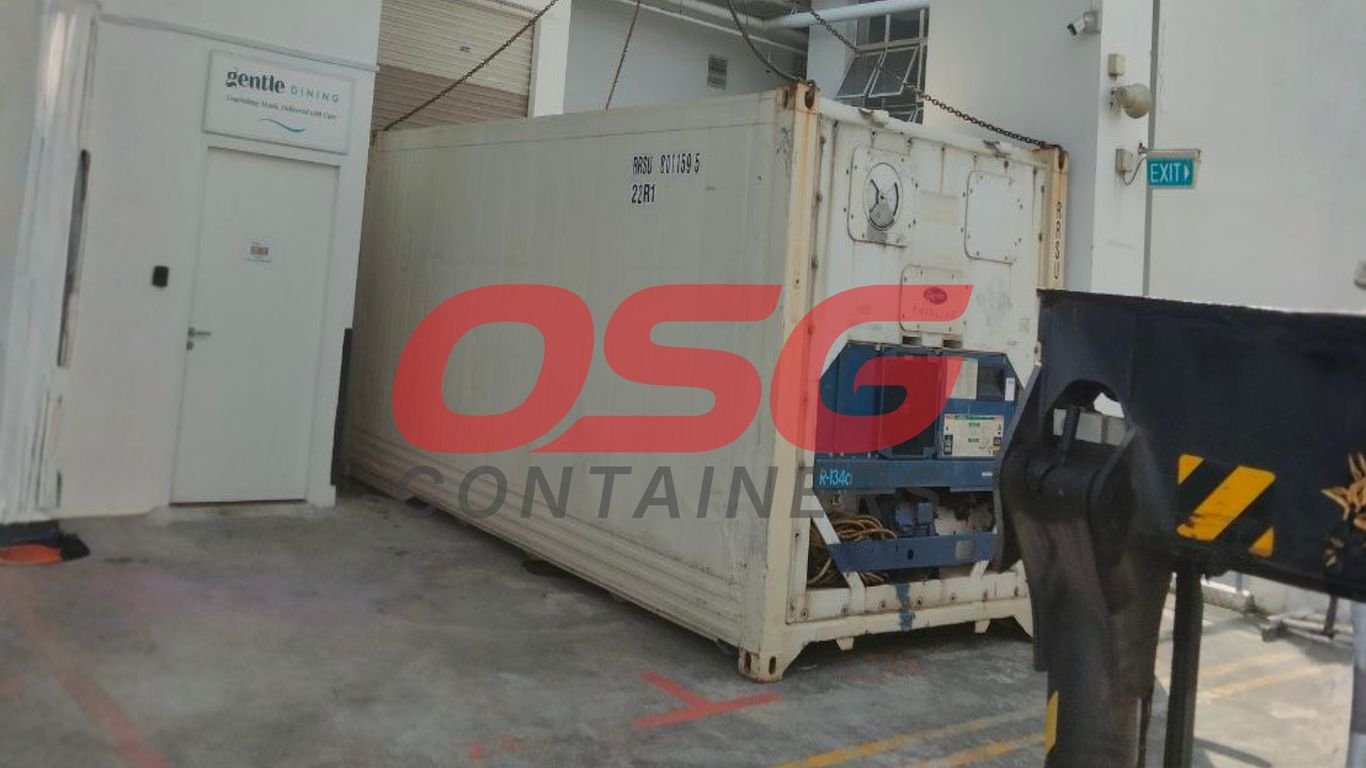
Ever wondered how your favorite fruits make it from a faraway farm to your local grocery store, still looking fresh? Or how that life-saving medicine stays potent during its long journey? A lot of that magic happens inside a reefer refrigerated container. These aren’t your average shipping boxes; they’re like mobile, super-controlled environments designed to keep things at just the right temperature. Let’s take a peek inside one of these amazing machines and see how they make temperature control seem so simple.
Key Takeaways
- A reefer refrigerated container is a specialized shipping unit with a built-in refrigeration system, designed to maintain specific temperature ranges for perishable goods.
- Key components include a precise temperature control system, robust insulation to maintain internal conditions, and ventilation to manage airflow and gas exchange.
- Advanced features like controlled atmosphere (CA) and humidity management allow for finer control over the cargo’s environment, extending shelf life.
- Proper operational practices, such as pre-cooling the container and cargo, and minimizing door openings during handling, are vital for efficiency and cargo integrity.
- Smart technologies and telematics offer real-time monitoring and data logging, aiding in tracking, quality control, and predictive maintenance for the reefer refrigerated container.
The Core Functionality Of A Reefer Container
Understanding The Reefer Refrigerated Container
So, what exactly is a reefer container? Think of it as a high-tech shipping box, way more advanced than your standard metal cargo hold. These specialized units are built with one main goal: to keep your goods at a very specific temperature, whether that’s freezing cold or just cool. They’re essential for moving anything perishable, like fresh produce, frozen foods, or even certain medicines, across long distances. The real trick is maintaining that stable internal climate, no matter what the weather is doing outside.
The Core Functionality Of A Reefer
The primary job of a reefer is temperature control. It’s designed to create and hold a consistent internal environment. This is achieved through a combination of a powerful refrigeration unit and superior insulation. The goal is to prevent those damaging temperature fluctuations that can ruin sensitive cargo. The entire system works to isolate the contents from external temperature changes.
Maintaining A Stable Internal Environment
Keeping things stable inside a reefer involves a few key systems working together:
- Refrigeration Unit: This is the engine of the reefer, capable of cooling or heating the interior to a precise set point. It needs a steady power supply to function.
- Insulation: The walls, floor, and ceiling are packed with thick, high-quality insulating material. This acts like a thermal barrier, keeping the outside heat or cold from getting in and the desired temperature from escaping.
- Airflow Management: Fans are used to circulate the air inside. This is super important to make sure the temperature is uniform throughout the container, avoiding hot or cold spots. It also helps with gas exchange for certain types of cargo, like fruits.
- Control Systems: These allow operators to set the exact temperature and sometimes humidity needed. They constantly monitor the internal conditions and adjust the refrigeration unit as necessary.
The complexity of a reefer container lies in its ability to create a microclimate that protects the cargo. It’s not just about being cold; it’s about being consistently at the right temperature, a feat that requires sophisticated engineering and constant monitoring.
Key Features And Components Of Reefer Containers
Built-in Refrigeration Unit
The heart of any reefer refrigerated container is its integrated refrigeration unit. This isn’t just an add-on; it’s a core part of the container’s structure, designed to precisely control the internal temperature. These units are powerful, capable of both cooling and, in some cases, heating the cargo space. They require a consistent power supply, usually from the ship, train, or truck carrying the container, or from shore power when docked. The efficiency and reliability of this unit are paramount for maintaining the integrity of temperature-sensitive goods.
Superior Insulation: A Thermal Fortress
Think of the insulation in a reefer as its armor against the outside world. The walls, ceiling, and floor are constructed with thick, high-density insulating materials, often polyurethane foam. This creates a robust thermal barrier that significantly slows down heat transfer. This superior insulation is what allows the refrigeration unit to maintain the set temperature efficiently, minimizing energy use and preventing fluctuations caused by external weather conditions. Without it, the refrigeration system would be constantly battling the elements, making it impossible to keep delicate cargo stable.
Ventilation And Airflow Systems
Keeping the air moving inside a reefer is just as important as keeping it cold. These containers are equipped with fans and strategically placed vents designed to circulate air evenly throughout the cargo space. Proper airflow prevents the formation of hot or cold spots, which can be detrimental to certain types of produce or pharmaceuticals. It also helps to remove excess moisture and gases that can build up, contributing to spoilage. The system ensures that every part of the load experiences the same controlled environment.
Humidity Control Functions
Beyond just temperature, many reefer refrigerated containers offer control over humidity levels. This is particularly important for fresh produce, where the right balance of moisture can significantly extend shelf life and maintain quality. The system works by managing the evaporator’s performance and sometimes by introducing or removing moisture from the air. For example, certain fruits and vegetables release moisture, which can increase humidity, while others absorb it. The reefer’s system can counteract these effects to keep the environment optimal.
Maintaining the correct humidity is often as critical as temperature for preserving the freshness and quality of perishable goods during transit. It directly impacts respiration rates and the risk of mold or dehydration.
Advanced Environmental Controls In Reefer Technology
Controlled Atmosphere and Humidity Management
Modern cntr reefer units do more than just keep things cold. They can actually fine-tune the air inside. For things like fresh produce, managing the levels of oxygen and carbon dioxide can really slow down ripening and prevent spoilage. This is known as Controlled Atmosphere (CA) technology. It’s a big step up from just basic cooling. Plus, some cargo needs less moisture to avoid mold, while others need more to stop them from drying out. These units can add or remove moisture to keep humidity levels just right. It’s all about creating a custom micro-climate for whatever you’re shipping.
Precise Temperature Range Capabilities
Keeping a steady temperature for weeks or even months is tough. Factors like changing external weather, the cargo itself giving off heat, and even how often the doors are opened during stops can cause temperature swings. Modern reefers have advanced insulation and precise temperature control systems to combat this. The ability to maintain such precise temperatures is what makes them indispensable for global trade in perishables. It’s not just about keeping things cold; it’s about creating a stable micro-environment that mimics the ideal conditions for the specific cargo being transported. This careful control prevents spoilage, preserves quality, and ultimately reduces waste throughout the supply chain.
Dehumidification Cycles and Evaporator Management
Controlling humidity is a delicate balancing act. Too much or too little can have a significant negative impact on the cargo’s quality and shelf life. Modern reefers are designed to manage this precisely, often through dehumidification cycles or by managing the evaporator’s temperature. These cycles work by temporarily warming the evaporator coil, which causes any collected moisture to drip away, effectively reducing the humidity inside the container. This process is carefully timed and managed by the reefer’s control system to maintain the optimal humidity level for the specific cargo being transported.
Maintaining a consistent internal environment is key to preserving the integrity of sensitive goods during transit. Advanced systems actively manage not just temperature, but also air composition and moisture levels, creating a tailored microclimate for each shipment.
Smart Technologies And Telematics For Reefer Monitoring
Integrated Tracking And Tracing Systems
Reefer containers aren’t just big metal boxes that keep things cold anymore. They’ve become pretty sophisticated pieces of equipment, especially when it comes to knowing exactly where they are and what’s happening inside them. This is where smart technologies and telematics really shine. Think of telematics as the container’s personal assistant, constantly reporting back on its status and location. This real-time data stream is a game-changer for anyone shipping temperature-sensitive goods. It means you’re not left guessing; you know what’s going on, minute by minute.
Real-Time Data And Condition Monitoring
These systems use a bunch of sensors and communication tech to keep tabs on everything. We’re talking about temperature, humidity, and even things like door openings. This information is sent wirelessly, often using cellular networks or even satellite for remote locations. It paints a clear picture of the container’s environment, allowing for immediate action if something goes off track. It’s like having a remote control for your cargo’s climate.
Here’s a quick look at what’s typically monitored:
- Temperature: The most obvious one, tracking the internal temperature against the set point.
- Humidity: Important for produce and other sensitive items to prevent spoilage or drying out.
- Set Point: Confirms the desired temperature is actually what the unit is trying to achieve.
- Power Status: Checks if the refrigeration unit is receiving power.
- Alarm Codes: Any error messages from the refrigeration unit itself.
Alarm Management And Reporting
When something goes wrong, like the temperature drifting too high or too low, the system doesn’t just sit there. It sends out alerts immediately. These alarms can be sent to multiple people or systems, so someone is always aware and can jump into action. This proactive approach can save cargo that might otherwise be lost. Plus, all this data gets logged, creating detailed reports that are useful for tracking performance, handling disputes, or meeting regulatory requirements. It’s all about having proof and being able to show that the cargo was handled correctly.
The ability to automatically log and report on environmental conditions provides undeniable proof of proper handling. This transparency builds trust between shippers, carriers, and cargo owners, reducing the likelihood of costly disputes and improving overall supply chain reliability.
Automated Monitoring Systems
Gone are the days of manually checking each reefer. Automated systems connect directly to the container’s monitoring unit and transmit data constantly. This means terminals and logistics providers get a unified, digital view of all their reefers. It makes managing a large fleet much more efficient and less prone to human error. This automation is key to keeping perishable goods moving smoothly through the supply chain.
Operational Best Practices For Reefer Containers
Keeping your temperature-sensitive cargo in good shape during transit is a big deal. It’s not just about having the right refrigerated container; it’s about how you handle them from start to finish. Think of it like preparing a fancy meal – the ingredients matter, but so does the cooking and serving.
Pre-Cooling and Efficient Loading
Before you even think about loading, make sure the refrigerated container itself is pre-cooled to the target temperature. This might sound obvious, but it’s a step that sometimes gets rushed. Starting with a container that’s already at the right temp means the refrigeration unit doesn’t have to work overtime right from the get-go. When it’s time to load, speed is your friend. The less time the doors of these containers are open, the better. Every minute counts in preventing temperature swings. Efficient loading means having your cargo ready to go and a plan for how it will be stowed. This isn’t the time for a casual chat or a break. Think of the loading dock like a busy guard house – everything needs to move smoothly and quickly.
Minimizing Door Openings During Handling
Every time those doors swing open, you’re letting out the cold air you worked so hard to maintain and letting in warmer, potentially humid air. This puts a strain on the refrigeration unit and can cause temperature fluctuations. Have a clear plan for loading and unloading. Make sure all necessary equipment and personnel are ready before the container doors are opened. If possible, use loading docks that can be sealed to the container to create a more controlled environment during the transfer of goods.
Proper Stowage and Airflow Management
How you pack your refrigerated container matters a lot. It’s not like a regular box where you just fill every nook and cranny. Airflow is the name of the game here, and if you mess it up, your cargo is going to have a bad time. Different stuff needs different treatment inside the reefer.
- Frozen Goods: These need to be packed tight. Stack them right up against each other and the walls. The goal here is to create a solid block of cold. You don’t want air sneaking around the edges; you want it to stay put and keep everything frozen.
- Chilled Goods: For items that need to be kept cool but not frozen, airflow is key. Make sure there are gaps for air to circulate. Boxes should ideally have vents, and you want to line those up so air can travel from the bottom to the top of the container.
- General Rule: Don’t let your cargo hang over the edges of pallets. This blocks the air. Also, try to leave a little space between the top of your stacked cargo and the container roof. That air needs somewhere to go.
Proper stowage isn’t just about fitting more in; it’s about ensuring the refrigeration system can do its job effectively. Poor airflow can lead to hot spots and spoilage, even if the overall temperature seems okay.
Pre-Trip Inspections
Before you even load cargo, give the refrigerated container a once-over. Check for any obvious damage to the unit, door seals, or the container walls. Make sure the power cords and connections look good. A quick inspection can catch problems before they become big, expensive issues during transit. It’s like checking your car before a long road trip – better safe than sorry.
Energy Efficiency And Sustainability In Reefer Operations
Energy Efficiency Innovations
Keeping things cold for days or weeks on end takes a lot of power, right? For a long time, that meant big diesel engines humming away, which isn’t exactly great for the planet or your wallet. But things are changing. We’re seeing smarter compressors that can adjust their speed based on how much cooling is actually needed, instead of just running full blast all the time. Think of it like your home AC – it doesn’t always need to blast at maximum power. These variable speed drives mean less energy used, which is a win-win. Plus, the insulation in these containers keeps getting better. We’re talking about advanced materials that are way more effective at keeping the outside heat from getting in, so the refrigeration unit doesn’t have to work as hard. It’s like putting a really good coat on the container.
Solar-Powered Reefer Containers
This is a pretty cool development. Some companies are now putting solar panels right on top of the reefer containers. When the sun is shining, these panels generate electricity that can help power the refrigeration system. It’s not always enough to run the whole thing on its own, especially on cloudy days or during long voyages, but it can significantly cut down on how much power needs to come from the main source, whether that’s a ship’s generator or a shore connection. This reduces reliance on fossil fuels and lowers the container’s carbon footprint. It’s a step towards making these essential pieces of equipment a bit greener.
Enhanced Insulation For Reduced Workload
Insulation is kind of the unsung hero in all of this. While the refrigeration unit gets all the attention for doing the cooling, it’s the insulation that does the heavy lifting of keeping the cold air in and the warm air out. Older containers might have used less effective materials, meaning the cooling system had to constantly fight against heat seeping in. Modern reefers use advanced materials, often polyurethane foam, that create a much better thermal barrier. This means the refrigeration unit can cycle on and off less frequently, or run at lower power settings, to maintain the set temperature. This directly translates to less energy consumption and lower operating costs. It’s a simple concept, but the impact on efficiency is huge.
The goal is to keep the inside temperature steady without burning through tons of electricity. Better insulation means the refrigeration system has an easier job, using less power and lasting longer. It’s all about creating a well-sealed, thermally efficient box.
Here’s a quick look at how different factors can impact energy use:
- External Temperature: Hotter days mean the refrigeration unit works harder.
- Insulation Quality: Better insulation means less heat transfer.
- Door Openings: Every time the door opens, cold air escapes and warm air enters.
- Set Temperature: Lowering the target temperature significantly increases energy demand.
- Refrigeration Unit Efficiency: Newer, well-maintained units are more efficient.
This focus on efficiency isn’t just about saving money; it’s also about reducing the environmental impact of global trade. Every bit of energy saved is a step towards more sustainable shipping practices.
Challenges And Solutions In Reefer Container Management
Keeping temperature-sensitive goods in perfect condition during transit isn’t always straightforward. Reefer containers are amazing pieces of tech, but they come with their own set of headaches that need sorting out.
Addressing Hot Stuffed Containers
One of the biggest issues we see is when cargo isn’t pre-chilled before it gets loaded. Imagine putting warm fruit straight into a reefer; the unit has to work overtime to bring that temperature down, which is a massive energy drain and puts a lot of stress on the machinery. This can lead to breakdowns and requires frequent manual defrosting. The fix? Always pre-cool your goods in a controlled environment before loading. It’s way more efficient to let the unit maintain a temperature than to fight a heat load.
Maintaining Temperature Consistency
Keeping the internal environment stable, especially on long hauls or when the weather outside is wild, is a constant battle. External temperature swings can really mess with the inside if the container’s insulation isn’t top-notch or if the refrigeration unit struggles. Advanced monitoring systems are key here, giving operators a heads-up on any drift so they can make adjustments. High-quality insulation materials also play a huge role in reducing the workload on the refrigeration system.
The Role Of Data In Predictive Maintenance
Reefers are complex machines, and like any machine, they can fail. A breakdown mid-journey means spoiled cargo and big financial losses. Relying solely on scheduled maintenance isn’t always enough. The real game-changer is using the data collected by the container’s sensors.
Here’s how data helps:
- Performance Tracking: Sensors monitor things like compressor cycles, fan speeds, and temperature fluctuations. Unusual patterns can signal an impending issue.
- Early Warning Systems: By analyzing this data, potential problems can be flagged before they cause a breakdown. Think of it like a doctor monitoring your vital signs.
- Optimized Repair Schedules: Instead of fixed maintenance intervals, repairs can be scheduled based on actual wear and tear, saving time and resources.
The shift from reactive repairs to proactive, data-driven maintenance is transforming reefer operations. It’s about using the information these smart containers provide to anticipate problems and keep goods moving safely.
Wrapping It Up
So, as we’ve seen, these reefer containers are way more than just insulated boxes with a fridge attached. They’re packed with smart tech that keeps a close eye on everything, from temperature to humidity, making sure your sensitive cargo arrives in tip-top shape. While the technology is impressive, remember that good old-fashioned care in how we handle them – like pre-cooling and quick loading – still makes a huge difference. It’s this mix of advanced gear and solid practices that really keeps the global supply chain moving for all those fresh foods and important medicines we rely on.
Frequently Asked Questions
What exactly is a reefer container and what does it do?
A reefer container, short for refrigerated container, is a special kind of shipping box that has its own cooling system built in. Its main job is to keep things like food, fruits, or medicines at a very specific temperature, whether that’s super cold or just cool, to stop them from spoiling during long trips.
How does a reefer container keep things at the right temperature?
It works like a big, high-tech cooler. It has a powerful refrigeration unit that cools or heats the inside, and its walls, ceiling, and floor are made with thick insulation. This insulation acts like a barrier, keeping the outside weather from changing the temperature inside, so the cooling system doesn’t have to work too hard.
Can reefer containers also control humidity?
Yes, many modern reefer containers can do more than just control temperature; they can also manage how much moisture is in the air. This is important because some items, like fresh produce, need a certain level of humidity to stay fresh and not dry out or get moldy.
What is ‘telematics’ in a reefer container?
Telematics is like giving the reefer a brain and a way to talk. It uses GPS and sensors to send real-time information about the container’s location and, most importantly, its internal temperature and conditions. This lets people watch over the cargo from afar and get alerts if anything goes wrong.
Why is it important to pre-cool a reefer container before loading?
Pre-cooling means getting the inside of the container down to the right temperature *before* you put the cargo in. Doing this helps the refrigeration unit start strong, rather than having to fight against warm air and warm cargo right away. It saves energy and helps keep the temperature steady from the very beginning.
What are some common problems with reefer containers?
Sometimes, cargo might be loaded when it’s too warm (‘hot stuffed’), which makes the cooling system work extra hard. Other issues include power problems, delays in getting them connected to power, mechanical breakdowns, or even human mistakes like setting the wrong temperature. Keeping an eye on them with smart technology helps catch these problems early.


