
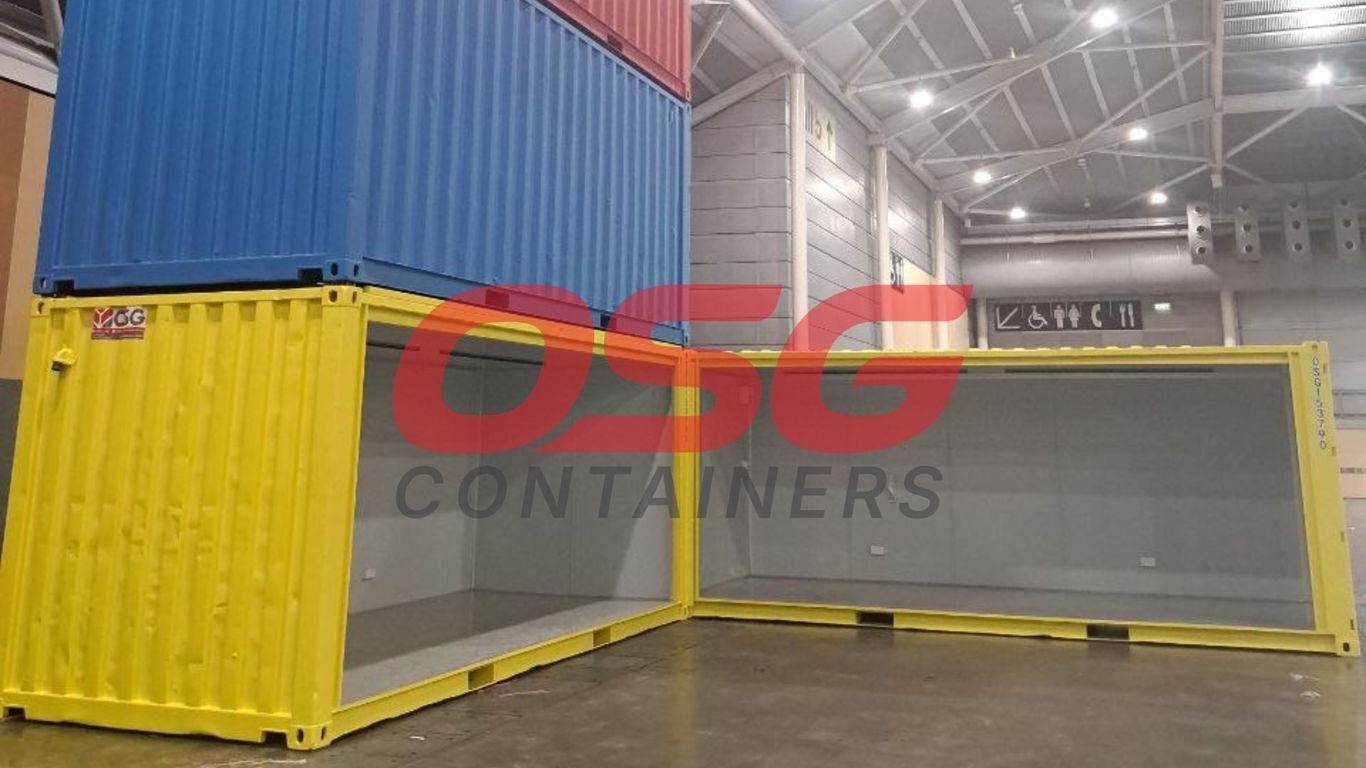
So, you’ve got some cargo that just doesn’t seem to fit the standard shipping box, right? Maybe it’s super tall, or just plain awkward. Well, that’s where the open-top container really shines. It’s not your everyday shipping container, but for certain jobs, it’s absolutely necessary. Let’s break down why this specialized container is sometimes the only way to get the job done.
Key Takeaways
- An open-top container has a roof that can be removed, usually a heavy tarp, which lets you load items from above.
- These containers are perfect for cargo that’s too tall or oddly shaped to fit through the doors of a regular container.
- Think big machinery, long pipes, construction materials, or even some vehicles – that’s the kind of stuff that needs an open top.
- Loading and securing cargo in an open-top container needs special gear like cranes and strong straps to keep everything safe.
- For jobs involving oversized or heavy items, the open-top container is a practical solution that avoids complex disassembly or special permits.
Understanding the Open-Top Container Design
So, you’re looking at shipping something that just doesn’t fit the mold of a regular shipping container. That’s where the open-top container really shines. Think of it as a standard container’s more flexible cousin. It’s built with the same sturdy steel walls and a solid floor, but the big difference is what’s missing – the roof. Instead of a fixed steel ceiling, an open-top container has a removable tarpaulin cover. This simple change makes a world of difference for certain types of cargo.
The Advantage of a Removable Roof
The most obvious feature is that removable roof. This isn’t just a minor tweak; it’s the whole reason these containers exist. With the tarpaulin and its supporting bows taken off, you get a completely open space from the top. This allows for vertical loading, which is a game-changer for items that are too tall to fit through the doors of a standard container. Imagine trying to ship a large piece of industrial machinery or a tall construction component. With a regular container, you’d be stuck. The open top lets you crane it straight in, no problem. It also means you can load cargo that might be wider than the standard door opening, as long as it fits within the container’s width.
Structural Integrity for Heavy Loads
Now, you might wonder if removing the roof compromises the container’s strength. Good question! While it doesn’t have that solid top, the structural integrity is maintained through other means. The sides are still reinforced, and importantly, there are usually metal ‘roof bows’ that go across the top. These bows support the tarpaulin cover once the cargo is loaded and secured. They also help keep the container walls from bowing outwards under the weight of heavy cargo. So, even without a fixed roof, these containers are designed to handle significant weight and lateral forces.
Essential Components for Secure Transport
Getting cargo into an open-top container is only half the battle. Securing it properly is just as vital. Here are some key components and considerations:
- Tarpaulin: This heavy-duty cover protects your cargo from rain, sun, and dust during transit. It needs to be strong and waterproof.
- Header Bars: These are removable metal bars that fit across the top to help secure the tarpaulin and keep it taut.
- Lashing Points: Like standard containers, open-tops have numerous tie-down points along the inside walls and floor. These are used to attach straps, chains, or cables to hold the cargo firmly in place.
- Blocking and Bracing: For very heavy or awkwardly shaped items, additional wooden or metal bracing might be needed inside the container to prevent any movement.
The design of an open-top container prioritizes access and flexibility for cargo that defies conventional shipping methods. It’s about making the impossible, possible in the world of freight.
When you’re dealing with items that are simply too big, too tall, or too awkward for a standard box, the open-top container is the solution. It’s a specialized tool that makes heavy-duty and oversized cargo transport manageable and protected.
When Standard Containers Fall Short
You know, most of the time, when you picture a shipping container, you think of that classic metal box with the big doors on the end. And for a lot of goods, that works just fine. It’s like having a perfectly good toolbox – it’s got what you need for most jobs. But what happens when the item you need to ship just doesn’t fit that standard shape or size? That’s where things get a little tricky, and the regular container just doesn’t cut it anymore.
Accommodating Oversized and Awkward Cargo
Sometimes, the stuff we need to move is just plain too big or shaped in a way that makes it impossible to slide through the doors of a standard container. Imagine trying to load a massive industrial boiler, a huge piece of construction equipment, or even just a really long steel beam into a box with fixed dimensions. It’s not going to happen. The open-top container is designed specifically to solve this problem by allowing for vertical loading. Instead of being limited by the width and height of the door opening, you can lift items directly from above, usually with a crane. This makes moving things that would otherwise be a logistical nightmare much more manageable.
The Challenge of Tall or Bulky Items
Standard containers have a fixed roof, which puts a hard limit on how tall your cargo can be. Even if the item fits width-wise, if it’s too tall to clear the door frame, you’re stuck. This is a common issue with things like specialized machinery, large pre-fabricated building components, or even certain types of vehicles. Trying to force these items into a standard container is impossible, and using other transport methods can be expensive and leave your cargo exposed to the elements.
Beyond the Standard Box: Specialized Freight Solutions
As industries push forward, building bigger machines and more complex structures, the cargo we need to transport keeps evolving. This means the standard shipping container, while incredibly useful, has its limits. Open-top containers offer a flexible solution for freight that falls outside those typical dimensions. They’re not just a slight variation; they’re a necessity for certain types of goods. This flexibility means companies can avoid the costly and time-consuming process of breaking down large items just to make them fit. It’s all about using the right tool for the job, and for oversized or unusually shaped items, the open-top container is often that tool.
When your cargo simply won’t fit through the standard doors of a regular shipping container, it’s time to look at alternatives. The open-top design removes the height restriction and allows for loading from above, making it possible to move items that would otherwise be impossible to ship.
Here’s a quick look at why standard containers fall short for certain loads:
- Height Restrictions: Fixed roofs on standard containers prevent loading of items taller than the door opening.
- Width Limitations: While less common, extremely wide items might also pose a challenge for standard door sizes.
- Loading Difficulties: Heavy items that are difficult to maneuver through doors often require overhead lifting, which is not feasible with standard containers.
- Awkward Shapes: Irregularly shaped cargo can snag or simply not fit through the confined space of a standard container’s door.
These limitations mean that for many large-scale industrial, construction, or manufacturing projects, the standard container just isn’t an option. You need a container that can adapt to the cargo, not the other way around.
Ideal Cargo for an Open-Top Container
So, when does a standard cargo container just not cut it? That’s where the open-top container really shines. These aren’t your everyday boxes; they’re built for freight that’s just too big, too tall, or too awkwardly shaped to slide through a regular door. Think of items that need a bit more breathing room, or frankly, a direct lift from above. Whether you’re dealing with a 40 ft container or a 20ft container, the open-top design changes the game for certain types of shipments.
Heavy Machinery and Industrial Parts
This is probably the most common use case. Imagine trying to load a massive industrial press, a giant generator, or complex factory components into a standard container. It’s often impossible due to their height or sheer bulk. With an open-top, you can simply crane these heavy items directly into place. The reinforced floor can handle the immense weight, and once it’s in, it can be secured.
Construction Equipment and Materials
Building sites are always in need of big stuff, right? Steel beams, large pre-cast concrete sections, or even scaffolding can be a real pain to load conventionally. An open-top container lets you lower these materials precisely where they need to go. It makes the whole process quicker and safer than trying to wrestle them through a door.
Pipes and Cylindrical Equipment
Long pipes, large rolls of material, or other cylindrical items can be tricky. If they’re particularly wide or have odd protrusions, maneuvering them into a standard container is a challenge. Loading them vertically into an open-top container is often the most straightforward method. You can then secure them properly to prevent any rolling.
Vehicles and Specialty Equipment
Sometimes, you need to ship things like forklifts, specialized mining equipment, or even small boats that don’t fit neatly into a box. These items might exceed standard height limits or have shapes that make door loading impractical. An open-top container provides the necessary access for overhead loading and transport.
Loading and securing cargo in an open-top container requires specific attention. It’s not just about dropping it in. Proper tarping is needed to protect the cargo from the elements, and robust securing methods like straps and bracing are vital to prevent shifting during transit. Always confirm that lifting equipment is available at both ends of the journey.
Here’s a quick look at what makes them suitable:
- Height Exceeds Standard Limits: Items too tall for a typical container door.
- Requires Overhead Loading: When a crane or hoist is the only practical way to load.
- Awkward Shapes: Freight that is bulky or irregularly shaped, making door access difficult.
- Weight Distribution: Heavy items that benefit from precise placement via crane.
Loading and Securing Cargo in an Open-Top Container
The Necessity of Overhead Lifting Equipment
Loading an open-top container isn’t like sliding boxes through a door. Because the roof is gone, you’re going to need some serious lifting power. Think cranes, hoists, or even specialized forklifts with booms. This means you absolutely have to know the exact weight and dimensions of whatever you’re shipping before you even get to the loading dock. It’s not just about getting it in; it’s about getting it in safely and without damaging the container or the cargo itself. You’ll want to confirm that the loading facility has the right gear ready to go. Trying to wing it with lifting equipment is a recipe for disaster, plain and simple.
Proper Tarping and Securing Techniques
Once your big item is sitting inside, the real work begins: making sure it doesn’t move an inch during its journey. Open-top containers have these strong metal loops, called lashing points, all around the base. You’ll use heavy-duty straps, chains, and sometimes even wooden bracing to tie everything down tight. This stops the cargo from sliding or tipping over, especially when the ship hits rough seas or a truck goes around a bend. After everything is secured, a tough, waterproof tarp is thrown over the top. This isn’t just a flimsy sheet; it’s usually made of heavy vinyl and secured with clamps or bungee cords to keep rain, snow, and road grime out. Getting this tarp on right is key to protecting your shipment from the elements.
Ensuring Cargo Stability During Transit
Stability is the name of the game here. You can’t just stack things haphazardly. The goal is to distribute the weight evenly and make sure nothing can shift. This often involves using dunnage – that’s just packing material like wood blocks or foam – to fill any gaps and prevent movement. For really awkward shapes, you might need custom-made supports. It’s also important to remember that even though you have more vertical space, there are still weight limits. You can’t just keep piling stuff on indefinitely. Exceeding the container’s weight capacity is dangerous and can lead to serious problems, including fines and damage.
Here’s a quick look at what goes into securing:
- Lashing Points: Use all available points around the container floor and walls.
- Straps and Chains: Choose ones rated for the weight of your cargo.
- Bracing: Wooden or metal supports to keep items from shifting against the container walls.
- Tarp: A heavy-duty, waterproof cover, secured tightly.
Remember, the goal is to make the cargo act like it’s part of the container itself. It shouldn’t be able to move independently, no matter what bumps or tilts come its way during transit. This takes careful planning and the right materials.
The Indispensable Role in Heavy-Duty Transportation
Facilitating Large-Scale Projects
When you’re dealing with projects that involve seriously big stuff, like building a new power plant or setting up a massive factory, standard shipping containers just don’t cut it. That’s where the open-top container really steps up. It’s designed to handle items that are too tall or too wide to fit through the doors of a regular container. Think about huge industrial boilers, giant wind turbine blades, or massive pieces of construction equipment. You can’t just slide those into a normal box, right? With an open-top, you can use a crane to lift these behemoths straight in from above. This makes moving these enormous components possible, often without needing to break them down into smaller, more manageable pieces. It really helps keep these big, ambitious projects on track and moving forward.
The Unsung Heroes of Heavy Hauling
It’s easy to overlook the specialized equipment that makes global trade tick, but open-top containers are definitely among the quiet workhorses. They’re not the most common type of container, but for certain industries, they are absolutely vital. Without them, moving things like large-diameter pipes for pipelines, heavy machinery for manufacturing, or even specialized vehicles would be a logistical nightmare. They solve a problem that standard containers can’t touch, allowing for the transport of goods that are simply too awkward or too large for conventional methods. They’re the go-to solution when cargo dimensions push the limits of what a typical shipping box can handle.
Vital for Specific Industries
Several sectors rely heavily on open-top containers to get their products and equipment where they need to go. The energy sector, for instance, frequently ships components for wind turbines, solar farms, and traditional power generation. Construction companies move large pre-fabricated sections and heavy machinery. Manufacturing plants ship out oversized industrial equipment. Even the automotive industry uses them for transporting large vehicle parts or specialized equipment. Basically, any industry dealing with items that exceed standard container dimensions finds these open-tops indispensable.
Here’s a quick look at some common cargo types:
- Industrial machinery (generators, presses, robots)
- Construction equipment (cranes, excavators, large beams)
- Energy components (wind turbine parts, pipeline sections)
- Oversized vehicles and specialty transport
Moving exceptionally large or oddly shaped cargo requires careful planning. It’s not just about having the right container; it’s about coordinating the lifting, securing, and transport logistics to make sure everything arrives safely and on time. This often involves specialized equipment and experienced personnel who understand the unique challenges of heavy hauling. The process demands attention to detail at every step, from the initial loading to the final delivery, to avoid damage and ensure compliance with transport regulations.
Key Considerations for Using an Open-Top Container
So, you’ve got some big, bulky, or just plain awkward cargo that needs shipping. An open-top container seems like the perfect fit, right? Before you go ahead and book one, there are a few things you really need to think about. It’s not just about having a container with no roof; there’s a bit more to it than that.
Assessing Cargo Dimensions and Shape
First off, you absolutely have to know the exact size of what you’re shipping. We’re talking length, width, and especially height. Even though the open top lets you bypass the standard door height limitations, you still need to make sure your item will fit within the container’s overall footprint and won’t stick out too much once it’s covered. Sometimes, cargo might be too wide or have protrusions that make it tricky to load from the top, even with a crane. It’s always a good idea to sketch it out or get precise measurements.
- Height: How tall is your cargo? Will it clear the container walls when loaded? Remember, the tarp needs to cover it.
- Width: Is it wider than the standard container width? This can affect how easily it’s loaded and secured.
- Shape: Are there any parts that stick out awkwardly? This could snag on the tarp or make securing difficult.
Don’t just eyeball it. Get out the tape measure and be thorough. A little extra time spent on measurements now can save you a massive headache later, like having to rearrange everything or, worse, dealing with damaged goods.
Availability of Loading and Securing Resources
This is a big one. Open-top containers are designed for overhead loading. That means you’ll need access to a crane or a similar lifting device at the point of departure. And guess what? You’ll likely need one at the destination too, especially if the cargo is going straight to a construction site or factory floor. Trying to load something heavy and tall without the right equipment is just asking for trouble. Beyond lifting, you also need to think about how you’ll secure the load. This usually involves heavy-duty straps, chains, blocking, and bracing to stop the cargo from shifting during transit. Make sure you have these materials and the know-how to use them properly.
Compliance with Transport Regulations
Shipping regulations can be a maze, and they vary depending on where your cargo is going. For oversized items loaded into open-top containers, there are specific rules about how the cargo must be secured and how much can overhang. You need to check with the shipping line and the authorities in both the origin and destination countries. Sometimes, if your cargo is particularly large or heavy, it might be classified as ‘out-of-gauge’ and require special permits or route planning. Ignoring these rules can lead to delays, fines, or your shipment being rejected outright. It’s always best to be proactive and confirm all requirements well in advance.
The Bottom Line
So, when you’re faced with shipping something that just won’t fit into a regular box, remember the open-top container. It’s not just a different kind of shipping container; it’s a practical answer for moving all sorts of big, tall, or just plain awkward stuff. From massive factory parts to long beams of steel, these containers make it possible to get the job done without a hitch. They might be a bit of a niche item, but for the industries that depend on them, they’re a real lifesaver. They’re the quiet workhorses that keep major projects moving forward all over the place.
Frequently Asked Questions
What makes an open-top container different from a regular one?
A regular container has a solid metal roof. An open-top container doesn’t have a fixed roof; instead, it has a heavy-duty tarp that can be removed. This difference is key because it lets you load really tall or oddly shaped items from the top, which you just can’t do with a standard container.
Why would I need an open-top container instead of a standard box?
You’d pick an open-top container when your stuff is too big, too tall, or shaped in a way that it won’t fit through the doors of a regular container. Think about huge machines, long pipes, or big pieces of equipment that need to be lifted in from above. It’s all about making sure your cargo fits safely and easily.
How do you load cargo into an open-top container?
Loading usually happens from the top. You’ll need a crane or a hoist to lift the cargo and carefully place it inside. Sometimes, if special parts of the roof are taken off, a forklift can also be used to push items in from the end.
What kind of items are usually shipped in open-top containers?
Open-top containers are perfect for things like big construction machines, industrial parts, long pipes, steel beams, and even some vehicles that are too tall for regular containers. Basically, anything that’s too large or awkwardly shaped for a standard box.
How is the cargo kept safe and protected from the weather?
Once the cargo is loaded, a strong tarp is pulled over the top and secured tightly. This tarp acts like a roof, protecting your items from rain, wind, and sun while they travel. Sometimes, special locks are used on the tarp to keep it secure.
Can open-top containers be stacked on ships?
Yes, they can be stacked, but only if the cargo inside doesn’t stick out too high. If the cargo is taller than the container walls, you can’t stack another container on top. In those cases, the open-top container usually stays on the bottom or is placed separately.


