
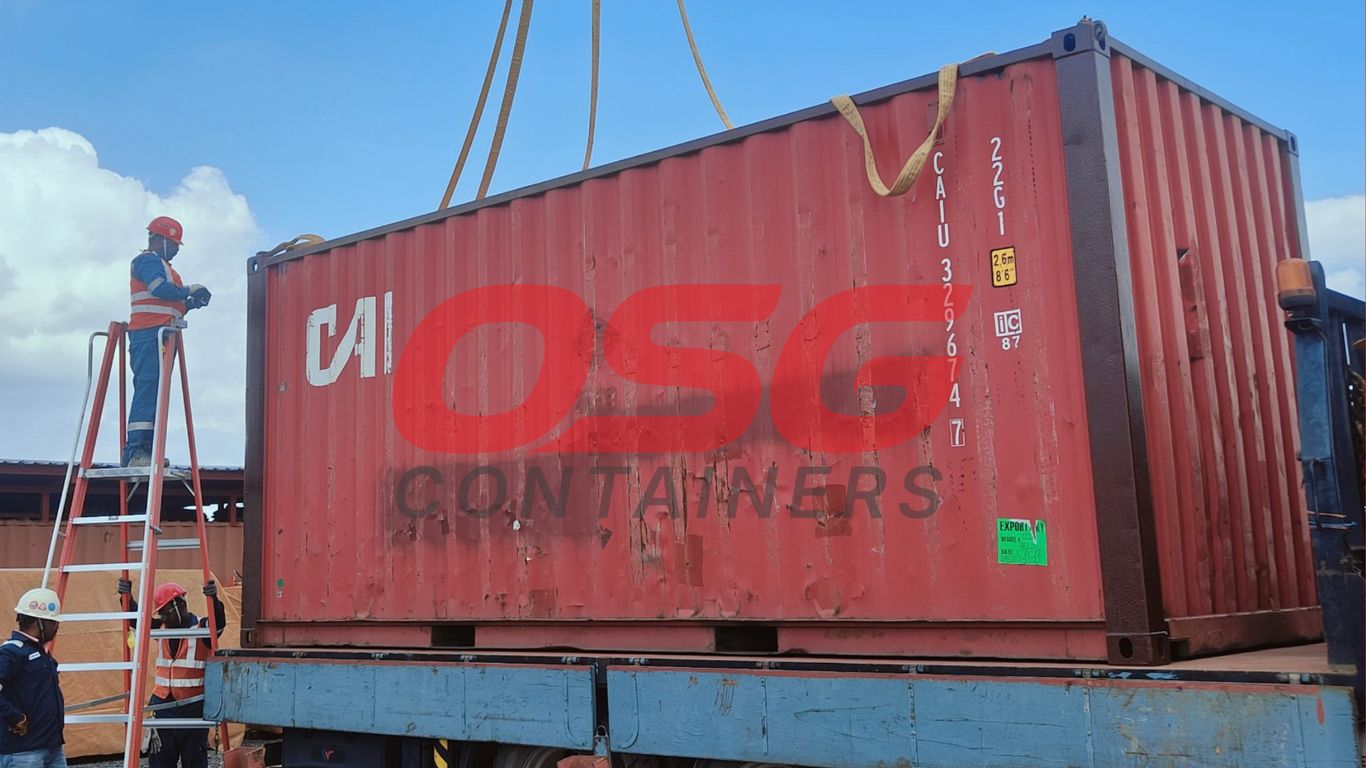
You know, shipping stuff around the world used to be a real headache. Goods got moved from one truck to another, then onto a ship, then maybe another truck, and all that switching meant more chances for things to go wrong. But then came intermodal containers. These big metal boxes changed everything. They are basically the workhorses of getting things from point A to point B these days, no matter how far apart those points are. They make moving everything from your new phone to your groceries way more efficient.
Key Takeaways
- Intermodal containers are standardized boxes that can move between ships, trains, and trucks without unloading the goods inside. This makes shipping much simpler.
- Using these containers cuts down on costs because there’s less manual handling. Plus, things often get where they’re going faster.
- These containers are pretty secure. Once loaded and sealed, they usually stay that way until they reach their final stop, which helps prevent damage and theft.
- When goods move by rail instead of just truck for long distances, it’s better for the environment because it uses less fuel and creates fewer emissions.
- Technology is making these containers even smarter, with tracking and sensors, and as global trade grows, intermodal containers will keep being super important for moving goods around the world.
The Foundation of Global Trade: Understanding Intermodal Containers
You know, it’s easy to just see those big metal boxes stacked up on ships or trains and not think much about them. But these intermodal containers? They’re basically the unsung heroes of pretty much all the stuff we buy and use every day. Without them, getting goods from where they’re made to where we are would be a total mess, way slower, and a lot more expensive. They’ve really changed the game for how the world trades.
What Defines Intermodal Containers?
So, what exactly is an intermodal container? Think of them as standardized, reusable boxes designed to hold cargo. The key word here is ‘intermodal,’ which means they can be moved between different types of transport – like ships, trains, and trucks – without anyone having to unpack and repack the stuff inside. This ability to switch modes without touching the cargo is what makes them so special. They’re built tough, usually from steel, and come in specific sizes, most commonly 20-foot and 40-foot lengths. This standardization is a big deal because it means they fit onto all sorts of equipment, from massive ocean liners to specialized rail cars and truck chassis, all around the world.
The Evolution of Containerized Shipping
Before these containers became the norm, shipping goods was a whole different ballgame. Imagine workers manually loading and unloading individual crates and barrels from ships onto trucks or trains. It was slow, labor-intensive, and things got damaged or lost pretty often. The whole process was a bottleneck for international trade. Then came the container. It started gaining traction in the mid-20th century, and it just took off. Suddenly, you could load a container at a factory, seal it up, and it wouldn’t be opened again until it reached its final destination, potentially thousands of miles away and across oceans. This shift dramatically cut down on handling costs, reduced damage and theft, and sped up transit times like never before.
Key Components of Intermodal Container Shipping
Getting a container from point A to point B involves a few key players and steps:
- The Container Itself: Built to strict ISO standards, these boxes are designed for durability and easy handling.
- Loading and Unloading: This happens at the origin and destination, usually at warehouses or manufacturing plants.
- Drayage: This is the short-distance trucking that moves containers between ports, rail yards, and warehouses.
- Rail Transport: For long distances across land, trains are incredibly efficient and cost-effective for moving containers.
- Ocean Shipping: Massive container ships carry the bulk of international trade across the seas.
- Chassis: These are the wheeled frames that trucks use to tow containers on the road.
The entire system relies on these containers being interchangeable. A container that travels on a ship can just as easily be put on a train or a truck without any fuss. This simple concept is what makes global supply chains actually work.
It’s pretty amazing when you think about it. All those goods you see in stores? Chances are, they’ve made a long journey inside one of these standardized boxes, moving between different modes of transport without a hitch. It’s a complex dance, but it’s what keeps the world’s economy moving.
Revolutionizing Logistics: Advantages of Intermodal Container Use
So, why has the humble intermodal container become such a big deal in moving stuff around the world? It really boils down to a few key benefits that make life easier and cheaper for pretty much everyone involved in shipping. These containers are the workhorses that keep global trade moving smoothly.
Significant Cost Reductions
Think about it: moving goods used to involve a lot of manual labor. Stuff got loaded onto a truck, then unloaded at a train station, maybe loaded onto a ship, then unloaded again, and so on. Each time something is handled, it costs money and time. With intermodal containers, the cargo stays put. It gets loaded once, and then the whole container is moved between trucks, trains, and ships. This cuts down on labor costs, reduces the chances of damage during transfers, and generally makes the whole process more budget-friendly. Plus, using rail for long hauls is often cheaper per mile than trucking, especially for big loads.
Enhanced Speed and Efficiency
Because you’re not constantly unpacking and repacking, things move a lot faster. The transfers between different modes of transport are quicker. Imagine a container arriving at a port by ship; instead of a massive operation to unload every single box, the container is just moved onto a waiting train or truck. This streamlined process means goods get to their destination sooner. It’s all about minimizing downtime and keeping things rolling.
Improved Cargo Security and Reduced Damage
When a container is sealed at the origin, it stays sealed until it reaches its final stop. This significantly cuts down on opportunities for theft or tampering. Also, less handling means less chance of items getting bumped around, dropped, or otherwise damaged during transit. For businesses shipping delicate or valuable goods, this security and reduced damage rate is a huge plus.
Environmental Sustainability Benefits
This is a big one these days. Moving goods by rail, for instance, generally produces fewer carbon emissions per ton-mile compared to trucking. When you combine this with the efficiency gains, intermodal transport often has a smaller environmental footprint. Many companies are looking to reduce their impact, and using intermodal containers, especially when rail is involved, is a practical way to do that. It’s a win-win: good for the planet and often good for the bottom line too.
The ability to move goods in the same container across different transport methods without needing to unpack and repack is the core reason for the efficiency gains. This standardization simplifies complex logistics chains.
Diverse Applications of Intermodal Containers
Standard Dry Containers for General Cargo
These are your workhorses, the most common type of intermodal container you’ll see. Think of them as big, sturdy metal boxes designed to carry just about anything that isn’t liquid, perishable, or oddly shaped. They come in standard sizes, like 20-foot and 40-foot lengths, making them easy to handle and stack on ships, trains, and trucks. When a manufacturer in, say, Singapore needs to ship electronics to a client in Europe, these dry containers are often the first choice. They’re sealed at the factory and don’t get opened again until they reach their final destination, which really cuts down on handling and potential damage.
Specialized Containers for Perishables and Oversized Goods
Not everything fits neatly into a standard box. That’s where specialized containers come in. For food, medicine, or anything that needs to stay cold, there are refrigerated containers, often called ‘reefers.’ These have built-in cooling units to maintain a precise temperature, which is super important for preventing spoilage. On the flip side, if you’re shipping something really tall or wide, like machinery or construction materials, you might use an open-top container or a flat rack. These have fewer walls or just a base, allowing for top or side loading. Sometimes, even container modifications are made to fit unique cargo needs.
Real-World Manufacturing and Retail Examples
Let’s look at how this plays out. A car manufacturer might use flat rack containers to ship car parts that stick out. These parts are loaded onto the flat rack, and then the container is secured. For a clothing retailer, standard dry containers are perfect for shipping racks of garments from a factory overseas. The whole process, from the factory floor to the distribution center, often involves a mix of transport: a truck for the first mile, a massive ship for the ocean crossing (like those big ship containers you see in ports), and then a train for the long haul inland. Even companies looking for container rental in Singapore will find these specialized options available to suit their specific shipping requirements.
The beauty of intermodal containers lies in their standardization. This allows for smooth transitions between different modes of transport – truck, rail, and sea – without needing to unpack and repack the goods. It’s this ability to move seamlessly across various networks that makes them so efficient for global trade.
- Standard Dry Containers: For general goods, electronics, textiles, etc.
- Refrigerated Containers (Reefers): For food, pharmaceuticals, and temperature-sensitive items.
- Open-Top Containers: For tall cargo loaded from above.
- Flat Rack Containers: For wide or heavy items, often machinery or vehicles.
The Seamless Flow: How Intermodal Transport Works
First-Mile and Final-Mile Connectivity
Getting a container from point A to point B, especially when multiple types of transport are involved, starts and ends with trucks. This initial and final leg of the journey is often called "drayage." A truck picks up the loaded container from the shipper’s location – that’s the first mile. It then takes it to a rail yard or a port. Later, when the container reaches its destination region, another truck will pick it up from the rail yard or port and deliver it to the final recipient. This truck movement is what connects the longer, more efficient legs of the journey. Without efficient drayage, the whole intermodal system would grind to a halt.
The Role of Rail and Maritime Transport
Once the container is at the rail yard or port, it’s transferred to a train or a ship. For long distances across land, trains are usually the go-to. They can carry a lot of containers at once, which makes them cheaper per mile than trucks and better for the environment. Think of it like a long, steady highway for goods. When crossing oceans, ships take over. These massive vessels are designed to haul hundreds, even thousands, of containers, making international trade possible on a large scale. They are the workhorses of global shipping.
Efficient Transfers Between Transportation Modes
Moving a container from a truck to a train, or from a ship to a truck, needs to be quick and smooth. This happens at special places called terminals. Cranes and other heavy equipment lift the containers and place them onto the next mode of transport. The goal is to do this with minimal delay.
Here’s a typical sequence:
- Loading: A truck brings a container to the terminal.
- Transfer: A crane lifts the container off the truck and onto a waiting train car or ship.
- Transit: The container travels its long-haul route.
- Offloading: At the destination terminal, the container is moved from the train or ship.
- Delivery: A truck picks up the container for its final trip.
The entire process is designed so that the cargo inside the container is rarely, if ever, touched. This reduces the chance of damage and theft, and it speeds things up considerably compared to older methods where goods were unloaded and reloaded at every stop.
This constant movement and transfer, managed carefully, is what keeps goods flowing across the country and around the world.
Intermodal Containers: Driving Efficiency in Modern Supply Chains
Integration with Warehousing and Distribution
Think about how much smoother things run when your warehouse and distribution setup works hand-in-hand with your shipping. Intermodal containers are a big part of that. Because they’re standardized, they fit right into warehouse operations. You can stack them, move them with standard equipment, and load or unload them without a lot of fuss. This means less time spent waiting for trucks or trains, and more time getting products out the door. It really helps keep inventory moving and reduces those annoying bottlenecks that can happen.
Coordination Between Drayage and Intermodal Carriers
Getting goods from point A to point B using intermodal transport relies heavily on good teamwork between different companies. Drayage carriers, the ones who move containers for short distances (like from a port to a rail yard), have to be in sync with the main intermodal carriers. This coordination is key to making sure containers don’t sit around longer than they need to. When these groups communicate well, using shared schedules and tracking information, the whole process speeds up. It’s like a well-oiled machine where each part knows its role and timing.
The Impact of Standardization on Logistics
It’s hard to overstate how important standardization is. Every container, whether you get it from a local container supplier or one across the ocean, is built to the same global specs. This means a 40-foot container from Asia will fit perfectly on a train in North America or a truck in Europe. This uniformity simplifies everything for logistics managers. They don’t have to worry about special equipment for different container types. It makes planning routes, managing costs, and even dealing with customs much more straightforward. It’s the backbone that allows different transport methods to connect without issues.
Here’s a quick look at how standardization helps:
- Universal Fit: Containers work with ships, trains, and trucks globally.
- Simplified Handling: Standard equipment can move and stack any container.
- Predictable Costs: Less custom handling means more stable pricing.
- Easier Tracking: Consistent container IDs make monitoring shipments simpler.
The global adoption of standardized container sizes has been a quiet revolution in itself. It’s the reason why a product can travel from a factory floor in one country to a customer’s doorstep in another, switching between ships, trains, and trucks multiple times, all while the contents remain untouched and secure. This consistency is what makes the entire complex system work efficiently and affordably.
The Future Landscape of Intermodal Containers
Technological Innovations in Smart Containers
So, what’s next for these big metal boxes? Well, they’re getting pretty smart. We’re talking about containers that can tell you exactly where they are, what the temperature is inside, and even if someone’s tried to mess with them. Think GPS trackers, sensors for humidity and temperature, and even little alarms if the seal is broken. This kind of tech means less guessing and more knowing for everyone involved in moving goods. It makes tracking shipments way easier and helps catch problems before they become big headaches.
Growing Demand and Market Dynamics
It’s no surprise that more and more companies are leaning on intermodal shipping. It just makes sense for moving stuff long distances without breaking the bank. Plus, with everyone trying to be a bit greener, using trains and ships instead of just trucks is a big plus. The global trade scene isn’t slowing down, so the need for these containers is only going to keep climbing. We’re seeing markets pop up in new places, and intermodal is often the best way to get goods there reliably.
Adapting to Evolving Global Trade
Global trade is always changing, and intermodal containers have to keep up. This means figuring out how to handle different kinds of goods, maybe even bigger or smaller shipments, and doing it all more efficiently. The push for eco-friendly options is huge, so finding ways to reduce empty container movements and use cleaner transport methods is key. It’s all about making the whole system work better, faster, and with a lighter footprint on the planet.
The standardization of containers has been a game-changer, allowing for smooth transitions between ships, trains, and trucks. This uniformity simplifies logistics and enables economies of scale, making global trade more accessible and cost-effective for a wider range of businesses.
Here’s a quick look at what’s driving this:
- Smarter Tracking: Real-time data from sensors helps prevent spoilage and theft.
- Eco-Friendly Push: Using rail and sea transport cuts down on carbon emissions.
- Global Reach: Expanding trade routes mean containers need to go further and connect more places.
- Cost Savings: It’s still one of the most budget-friendly ways to move large volumes of goods over long distances.
The Unseen Backbone of Our World
So, there you have it. Intermodal containers might not be the most glamorous part of shipping, but they’re definitely the workhorses. They quietly move everything we need, from the phone in your pocket to the food on your table, all over the planet. By letting different types of transport – trucks, trains, and ships – work together without constantly unpacking and repacking stuff, these containers save time, cut down on costs, and even help the environment a bit. As the world keeps trading more and more, these big metal boxes are only going to get more important. They’re not just boxes; they’re the reason our modern lives, and our global economy, keep moving forward.
Frequently Asked Questions
What exactly is an intermodal container?
Think of an intermodal container as a big, strong metal box. It’s built in a standard size so it can be easily moved between different types of transport, like trucks, trains, and ships. The cool part is that the stuff inside stays in the box the whole time, so it doesn’t need to be unloaded and reloaded at every stop. This makes moving goods around the world much quicker and safer.
Why are these containers so important for shipping?
These containers are like the building blocks of global trade! Because they’re all the same size and can switch between trucks, trains, and ships easily, they make shipping way faster and cheaper. Imagine if you had to unpack and repack everything every time your stuff changed vehicles – that would take forever and things would get broken! Containers avoid all that hassle.
How do intermodal containers help save money?
They save money in a few ways. First, since the cargo stays packed, you need fewer people to move it around at different points. Second, switching between trucks, trains, and ships is much faster, so your goods get to their destination sooner, which also saves time and money. Plus, using trains for long distances is usually cheaper than using only trucks.
Are intermodal containers good for the environment?
Yes, they can be! When goods travel long distances by train instead of just by truck, it uses less fuel and creates fewer pollution gases. So, using trains as part of the journey helps make shipping kinder to our planet. It’s a win-win for businesses and the environment.
What’s the difference between intermodal and multimodal transport?
It’s a bit tricky, but the main difference is how many companies and contracts are involved. With intermodal, you use the same container across different transport types, but you might deal with different companies for each part of the trip. Multimodal usually means one company handles the whole journey under a single contract, and they might even repack your stuff between different vehicles.
What kinds of things are shipped in intermodal containers?
Pretty much anything you can think of! There are regular containers for clothes, electronics, and toys. Then there are special ones, like refrigerated containers (called ‘reefers’) that keep food or medicine cold, and others designed for really big or oddly shaped items. They’re super versatile.


