
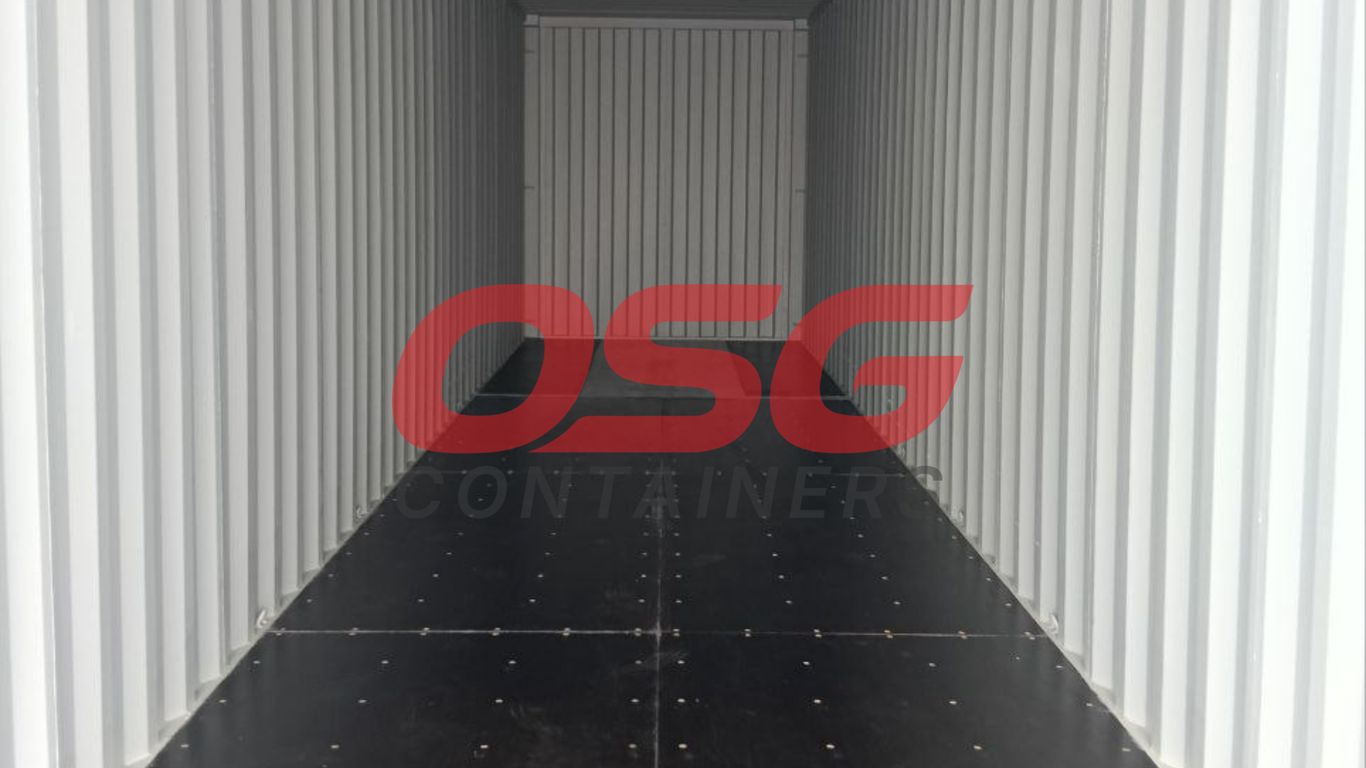
So, you’re thinking about buying a shipping container? It sounds simple enough, right? Just pick one and go. But honestly, there’s more to it than just picking a size. The price can really jump around, and what seems like a good deal might not be in the long run. We’re going to break down what really matters when you’re looking for a container for sale, so you don’t end up with something that doesn’t work for you or costs you more than it should.
Key Takeaways
- The condition of a container for sale is a big deal. New (one-trip) ones are the priciest but are in great shape. Used ones can be good too, but you need to know if they’re ‘Cargo Worthy’ or just ‘Wind and Watertight’. Look out for rust and dents on used ones.
- Don’t forget about the size and type. A standard 20ft or 40ft is common, but if you need something special like a high cube or refrigerated unit, expect to pay more. Market demand and where the container is located also play a big role in the price.
- Always check out the seller. How long have they been around? Are they upfront about their prices, or are there hidden fees lurking? Reading what other customers say can save you a lot of headaches.
- Delivery costs can add up fast. Make sure you know exactly what you’re paying for shipping, and if the seller has stock in different areas, it might save you money. Also, think about how they’ll get it off the truck at your place.
- Consider the long game. A new container might cost more now, but it could hold its value better later. Used ones are cheaper upfront, but their resale value might drop faster. Also, check local rules – you might need permits or zoning approval depending on how you plan to use your container for sale.
Understanding Container Condition and Grades
When you’re looking to buy a shipping container, the first thing you’ll notice is that they aren’t all created equal. Just like cars, they come in different conditions, and this really affects the price you’ll pay. It’s not just about whether it looks pretty; it’s about what it can actually do for you.
New (One-Trip) Containers: Pristine Condition
These are the cream of the crop. A "one-trip" container has literally only made one journey from the factory to its first destination. Think of it as practically brand new. They’ve seen minimal wear, usually just the journey across the ocean. You’ll find they have a clean paint job, no dents, and no rust. If you need something that looks sharp, maybe for a business front or a long-term project where aesthetics matter, these are your best bet. They’re also the easiest to modify later on because there are no hidden issues.
Used Containers: Cargo Worthy vs. Wind and Watertight
Most containers you’ll find for sale are used. This is where things get a bit more nuanced, and you’ll run into terms like "Cargo Worthy" (CW) and "Wind and Watertight" (WWT). It’s important to know the difference.
- Wind and Watertight (WWT): This means the container is sealed well enough to keep out wind and rain. There are no holes in the roof or walls, and the doors seal properly. They’re great for basic storage on your property or for local hauling. However, they might have some cosmetic issues like dents, scratches, and surface rust from their previous life.
- Cargo Worthy (CW): A CW container is everything a WWT container is, but it’s also been inspected and certified as structurally sound enough to be used for shipping cargo again. This means it can handle the stresses of being moved around on ships, trains, and trucks. While they’re still used and will show signs of wear, they’re built to last for transport.
There’s also a higher standard for used containers called IICL (Institute of International Container Lessors). These are typically newer used containers that have undergone a more rigorous inspection. They’re very similar to CW containers in terms of structural integrity, but they meet even stricter criteria. You might not be able to tell the difference visually, but they often come at a higher price point.
Assessing Wear and Tear: Rust, Dents, and Cosmetics
No matter the grade, used containers will have some battle scars. It’s how you assess them that matters.
- Rust: Surface rust is common and usually not a big deal, especially if it’s minor. You can often clean it up and repaint it. However, deep, flaky rust, especially around the floor or structural beams, is a red flag. It can weaken the container over time.
- Dents: Small dents are usually just cosmetic. Big, deep dents, especially those that have warped the metal or compromised seals, are more concerning. They can make doors hard to close or weaken the structure.
- Cosmetics: This covers things like paint condition, faded logos, and general appearance. For storage, it might not matter much. If you plan to use the container for a business or a visible project, you might want to factor in the cost of repainting.
When buying a used container, always ask for photos or, even better, inspect it in person. What looks okay in a picture might have issues up close. Checking the floor, the corners, and the door seals is super important. Don’t just take someone’s word for it; see it for yourself.
Here’s a quick rundown of what to expect:
| Grade | Condition |
|---|---|
| New (One-Trip) | Like new, minimal to no wear, perfect paint. |
| IICL Certified | High-standard used, structurally sound, minimal cosmetic wear. |
| Cargo Worthy (CW) | Structurally sound for shipping, shows signs of use (dents, rust). |
| Wind and Watertight | No leaks, but may have more cosmetic wear than CW; suitable for storage. |
| As-Is | Significant damage, often not worth the repair cost, sold at a deep discount. |
Understanding these grades helps you figure out what you’re really paying for and if the container will actually meet your needs without costing you a fortune in repairs down the line.
Key Factors Influencing Container Pricing
So, you’re looking to buy a container, huh? It’s not as simple as just picking one off a shelf. A bunch of things can really change the price tag, and knowing about them beforehand can save you some headaches and cash. Let’s break down what really makes the price go up or down.
Container Size and Type Variations
This one’s pretty straightforward. Bigger containers cost more, plain and simple. The most common sizes you’ll see are the 20ft container and the 40ft container. A 40ft container, for instance, will usually run you about 20-30% more than a standard 20ft one. Then there are "high cube" versions, which are a bit taller, offering more space, and they also come with a higher price. Think about what you actually need to store or build; getting a massive container when you only need a small one is just throwing money away. It’s also worth noting that while we’re talking about buying, sometimes looking into containers for rent can be a good option if your needs are temporary.
Market Demand and Regional Availability
This is where things get a bit more complicated, kind of like the stock market. The price of containers can swing quite a bit based on how many are available and how many people want them. If there’s a big demand and not many containers around, prices shoot up. Conversely, if there are tons of containers sitting around and not many buyers, you might snag a deal. Where you are also matters. Prices can be different in major port cities compared to more inland areas. Sometimes, containers get moved around the country to where they’re needed most, and that movement affects local prices.
Modifications and Customization Costs
Buying a container as-is is one thing, but if you want it modified – maybe you’re turning it into an office, a workshop, or even a tiny home – those changes add up. Adding windows, doors, insulation, electrical work, or custom paint jobs all cost extra. The more you want done to it, the higher the final price will be. It’s important to get a clear quote for any modifications you’re considering, so there are no surprises down the road.
Remember, the "sticker price" you see online might not be the final cost. Always ask about delivery fees, taxes, and any potential charges for modifications or specific delivery requirements. Transparency is key when you’re dealing with sellers.
Here’s a quick look at how size can affect pricing, just as a general idea:
| Container Size | Average Price (New) |
|---|---|
| 20ft Container | ~$6,000 |
| 40ft Container | ~$8,000 |
| 40ft High Cube | ~$8,500+ |
Prices are estimates and can vary widely based on all the factors mentioned above.
Evaluating the Seller’s Reputation and Transparency
When you’re looking to buy a shipping container, it’s not just about the container itself. You also need to think about who you’re buying it from. A good seller makes the whole process smooth, while a shady one can lead to a lot of headaches. It’s really important to do your homework on the seller before you hand over any cash.
Supplier Longevity and Industry Affiliations
Companies that have been around for a while often know their stuff. They’ve likely dealt with all sorts of situations and have a reputation to protect. Look for businesses that have been in the container game for several years. You can sometimes find this information on their ‘About Us’ page or by doing a quick search. Also, see if they’re part of any industry groups. While not a guarantee, it can sometimes mean they follow certain standards.
Transparency in Pricing and Hidden Fees
Nobody likes surprises, especially when it comes to money. A good seller will be upfront about all the costs involved. This means a clear breakdown of the container price, delivery fees, and any taxes or extra charges. If a price seems way lower than everyone else’s, or if they’re cagey about the total cost, that’s a big red flag. You want to know exactly what you’re paying for before you commit.
Here’s a quick checklist for pricing transparency:
- Does the quote clearly list the container price?
- Are delivery charges itemized?
- Are there any mention of potential extra fees (e.g., for difficult delivery sites)?
- Is the total price easy to find and understand?
Be wary of quotes that are significantly lower than others. Sometimes, this is a tactic to get you hooked, and the real costs appear later. Always ask for a detailed breakdown and compare it with other suppliers.
Reading Customer Reviews and Testimonials
What are other people saying about this seller? Online reviews can be a goldmine of information. Look for feedback on sites like Google, or even industry-specific forums. Pay attention to comments about the container’s actual condition versus what was advertised, the reliability of delivery, and how the seller handled any issues. If you can’t find any reviews, or if they all seem a bit too perfect, that might also be something to consider.
The Importance of Delivery and Logistics
So, you’ve found the perfect container, but hold on a second – getting it to your spot is a whole other ballgame. It’s not just about the price tag on the container itself; the cost and hassle of delivery can really add up. Thinking about how the container gets to you is just as important as the container’s condition.
Calculating Delivery Costs Accurately
Delivery fees aren’t set in stone. They change based on a few things. The distance from the seller to your location is a big one. A container coming from across town will cost less to deliver than one coming from a different state. Also, the type of truck used matters. Some trucks, like tilt-beds, can just set the container down. Others, like flatbeds or chassis, mean you’ll need your own equipment to get it off. If you don’t have that equipment, renting it can sometimes cost more than the difference in delivery fees.
Here’s a quick look at how distance can affect things:
| Distance Category | Estimated Cost Range (Example) |
|---|---|
| Local (Under 50 miles) | $200 – $500 |
| Regional (50-200 miles) | $500 – $1,200 |
| Long-Distance (200+ miles) | $1,200+ |
Note: These are just examples and actual costs will vary widely. Always get a clear, written quote that breaks down these charges.
Site Accessibility and Unloading Equipment
Before the truck even pulls up, you need to make sure your site is ready. Is the ground level and firm? A soft or uneven spot can cause problems when they try to place the container. Think about the truck itself – can it actually get to where you want the container? These trucks are big, and they need plenty of room to maneuver, back up, and unload without hitting fences, trees, or power lines. You’ll want to check:
- Clearance: Ensure there’s enough straight space for the truck to approach and enough room for it to back in safely. Usually, 60-100 feet is a good ballpark.
- Turning Radius: Can the truck make the turns needed to get into your specific spot?
- Overhead Obstacles: Watch out for low-hanging branches, wires, or awnings.
- Ground Stability: A solid, level surface is best. Gravel or concrete is ideal.
If the truck can’t set the container down directly, you’ll need to arrange for your own equipment, like a forklift or crane, to lift it off. Factor in the cost and availability of this equipment when you’re budgeting.
Nationwide Inventory for Reduced Transport Expenses
Sometimes, buying from a company that has a large network of locations across the country can actually save you money on delivery. Even if their container prices are a little higher, if they have a yard closer to you, the transport costs might be lower overall. It’s all about looking at the total price – the container cost plus the delivery fee. Don’t just compare the container price alone. A company with facilities nationwide might be able to get you a container faster and cheaper because they can source it from a location nearer to you, cutting down on those long-haul trucking expenses.
Planning for delivery isn’t an afterthought; it’s a core part of the purchase. Ignoring site prep or delivery method can turn an exciting purchase into a costly headache. Always confirm the details and be realistic about what your site can handle.
Considering Long-Term Value and Resale Potential
So, you’ve found a container that fits your needs and budget. But what about down the road? Thinking about how much value your container will hold over time, and if you might want to sell it later, is a smart move. It’s not just about the initial purchase price; it’s about the whole lifecycle of the container.
Resale Value of New vs. Used Containers
Generally, a new, or ‘one-trip’, container will hold its value better than a used one. Think of it like buying a car – the new one depreciates faster initially, but it starts from a higher point. A used container, while cheaper upfront, might lose a larger percentage of its remaining value over the same period. However, if you buy a used container at a significantly lower price, the percentage difference in resale might not be as dramatic in dollar terms.
Here’s a rough idea of what you might expect to recover after about five years:
- New Containers: Around 60–70% of the original purchase price.
- Used Containers: Typically 30–50%, heavily dependent on its condition.
Impact of Condition on Future Value
This is a big one. A container that’s been well-maintained, with minimal rust and dents, will always fetch a better price than one that’s falling apart. Even if you buy a used container, taking care of it can make a difference. Regular checks for rust, keeping the seals in good shape, and maybe even a fresh coat of paint can significantly boost its appeal and value when it’s time to sell.
The initial cost is only part of the story. A container’s condition, how it’s been treated, and its overall structural integrity play a huge role in what someone will pay for it later on. Don’t neglect basic upkeep; it pays off.
Market Demand Fluctuations
Like anything, the market for used shipping containers can go up and down. Factors like the cost of new steel (which influences new container prices), the availability of containers in your region, and general economic conditions all play a part. If there’s a shortage of containers, prices for both new and used ones tend to rise. Conversely, a surplus can drive prices down. It’s worth keeping an eye on these trends if you think resale might be in your future.
- Steel Prices: Higher steel costs often mean higher prices for new containers, which can indirectly boost the value of used ones.
- Regional Availability: If containers are scarce in your area, you might get more for yours when selling.
- Economic Climate: A booming economy can increase demand for storage and workspace, driving up container prices.
Navigating Legal and Zoning Regulations
So, you’ve found the perfect container, and it’s sitting pretty in your yard or ready for your business. But hold on a second, did you check if it’s actually allowed to be there? This is where things can get a little tricky, and honestly, a bit of a headache if you don’t get it right.
Permits for Residential Container Use
If you’re thinking about using a container for something at home – maybe a backyard shed, a little workshop, or even as part of a tiny home project – you absolutely need to look into local rules. Lots of towns and cities require permits for these kinds of structures. It’s not just about slapping it down; there might be rules about where you can put it on your property, how it needs to be secured, or even what color it can be. Some neighborhoods, especially those with Homeowners Associations (HOAs), can be really strict. Ignoring these rules can lead to fines or even being told to move the container, which is the last thing you want.
Zoning Approvals for Commercial Applications
For businesses, the regulations can be even more involved. If you’re using containers for a construction site, extra storage, or even as a pop-up shop, you’ll likely need to get zoning approval. This process can take time and might involve proving that your container setup meets safety codes, fire regulations, and accessibility standards. It’s all about making sure the container fits in with the existing commercial landscape and doesn’t cause any issues.
Compliance with Local Ordinances
Every town, city, and county has its own set of rules, or ordinances, that govern property use. These can cover everything from how long a temporary structure can stay to specific requirements for foundations or how the container needs to be anchored. It’s a good idea to make a list of what you plan to do with the container and then head down to your local planning or building department. They’re the ones who can tell you exactly what you need to do to stay on the right side of the law.
Here’s a quick rundown of what to do:
- Contact your local zoning or building department. Don’t guess; ask them directly about container regulations in your area.
- Ask for necessary applications. Find out if you need permits for temporary or permanent placement and get the paperwork.
- Understand placement rules. There might be specific guidelines on where on your property the container can go.
It’s easy to get excited about the possibilities a shipping container offers, but overlooking the legal side can turn a great idea into a costly problem. Taking the time to understand and comply with local laws and zoning requirements upfront will save you a lot of trouble down the road. It’s just part of making sure your container project is a success from start to finish.
So, What’s the Real Deal?
Alright, so buying a shipping container isn’t just about picking one that looks okay. It’s a whole process, really. You’ve got to think about what you need it for, whether a brand-new one is worth the extra cash, or if a used one will do the trick. Then there’s the whole checking-out-the-seller thing – you don’t want to get scammed, right? Make sure they’re legit, have good reviews, and aren’t hiding any fees. And don’t forget those local rules! All in all, it’s about doing your homework so you end up with a container that works for you without breaking the bank or causing headaches down the road. Happy hunting!
Frequently Asked Questions
What’s the difference between a ‘new’ and a ‘used’ container?
A ‘new’ container, often called a ‘one-trip’ container, has only made one journey from the factory. It’s in great shape, almost like new. A ‘used’ container has traveled more and might have some dents, rust spots, or paint chips, but it can still be perfectly good for many jobs, especially if it’s marked as ‘Wind and Watertight’ (WWT) or ‘Cargo Worthy’ (CW).
What does ‘Wind and Watertight’ (WWT) mean for a used container?
If a used container is WWT, it means it’s solid enough to keep wind and water out. It won’t have any holes in the roof or walls, and the door seals should be good. This is usually fine for storage on the ground.
How does the size of a container affect its price?
Bigger containers cost more. A 40-foot container is usually more expensive than a 20-foot one. Also, ‘High Cube’ containers, which are a bit taller, tend to cost a little extra because they offer more space.
Why do prices for containers change so much?
Prices can go up and down based on how many people want them (demand) and how many are available. Things like shipping costs and even the price of steel can also play a role in how much a container costs at any given time.
Is it important to check local rules before buying a container?
Absolutely! Before you put a container on your property, you need to find out if your town or city has rules about them. You might need a permit, or there might be rules about where you can put it or what color it can be. Breaking these rules could lead to fines.
How can I be sure I’m buying from a trustworthy seller?
Look for sellers who have been in business for a while and have good reviews online. Make sure they are clear about all costs, including delivery, and don’t have hidden fees. Asking for references from past customers can also be helpful.


