
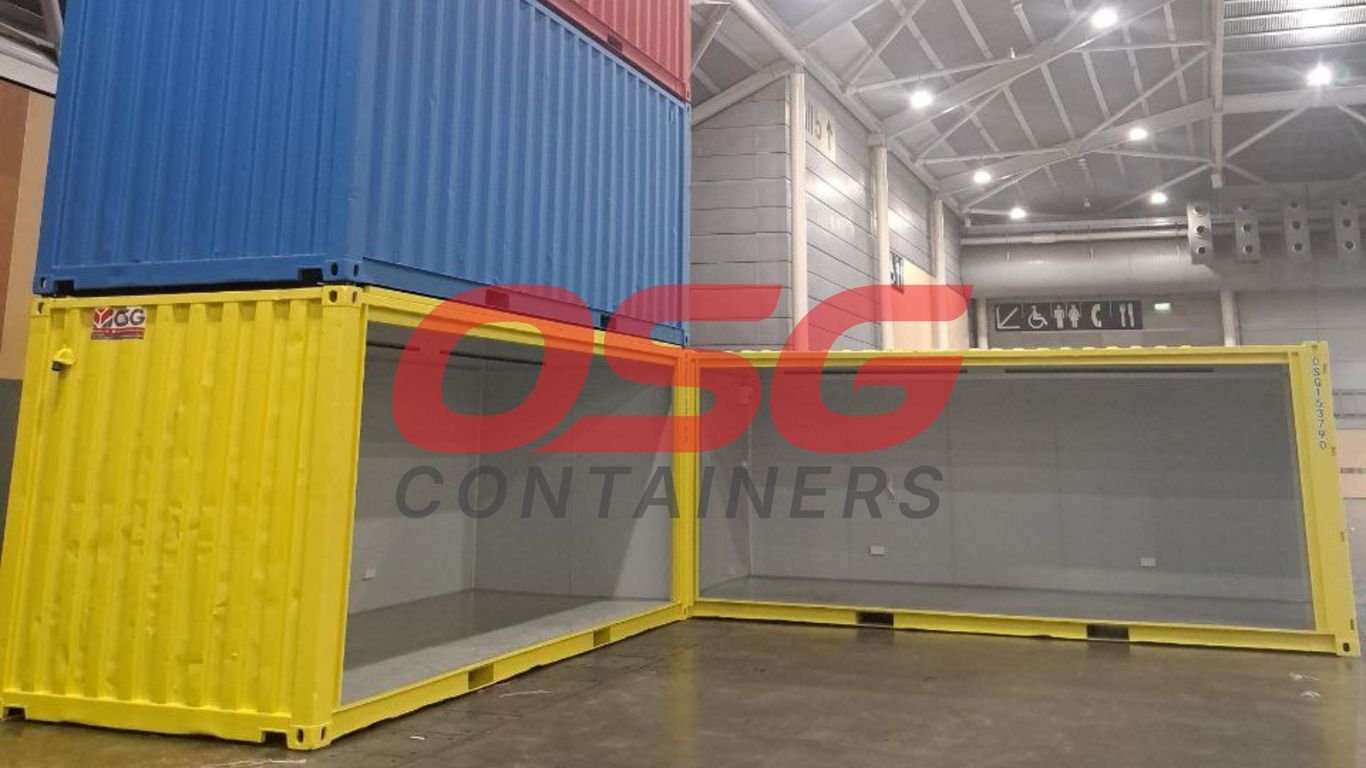
When you’re dealing with shipping, sometimes the standard containers just don’t cut it. You’ve got stuff that’s too big, too tall, or just shaped weirdly. That’s where the open-top container comes in handy. It’s like a regular shipping container but with a roof you can take off, making it way easier to load things from the top. Think cranes and forklifts. This makes it a real game-changer for certain kinds of cargo, saving time and hassle.
Key Takeaways
- Open-top containers are great for loading big or oddly shaped items from above using cranes.
- They make loading and unloading quicker, which saves time and money in logistics.
- You can get them with a soft, removable tarpaulin roof or a hard, detachable roof for more protection.
- These containers are built tough to handle heavy loads and different weather.
- They work well for construction stuff, big machines, raw materials, and anything that doesn’t fit in a normal box.
Operational Advantages of Open-Top Containers
Streamlined Loading and Unloading Processes
When you’re dealing with big stuff, getting it in and out of a regular container can be a real headache. Open-top containers change that game. Because the roof is gone, you can use cranes, forklifts, or other lifting gear to load and unload directly from above. This makes things way faster, especially for heavy or awkwardly shaped items that just won’t fit through standard doors. Think big machinery parts, construction beams, or even large pre-fab sections. It cuts down on the manual labor needed and, honestly, just makes the whole process less of a hassle.
Enhanced Flexibility for Oversized Cargo
Let’s face it, not everything ships neatly in a box. That’s where open-tops really shine. They’re built to handle cargo that just doesn’t play by the usual rules. We’re talking about things like industrial equipment, large pipes, or even parts of a wind turbine. The open design means you’re not limited by the container’s height or width in the same way. You can often secure these items directly to the container’s floor and walls, making sure they travel safely even if they stick out a bit or are just plain massive. This adaptability is a huge plus for industries that deal with non-standard items.
Time-Saving Logistics Solutions
In the world of shipping, time really is money. Anything that speeds up your operations can make a big difference to your bottom line. Open-top containers contribute to this by simplifying the loading and unloading steps. Instead of struggling to maneuver large items through doors, you can often just lift them straight in. This efficiency means your containers are back in circulation faster, and your goods reach their destination sooner. It’s a simple change, but it adds up, especially when you’re moving a lot of cargo or working on tight deadlines.
The ability to load from the top significantly reduces the time spent on ground-level maneuvering and complex positioning, directly impacting turnaround times for both the container and the handling equipment.
Key Features Enhancing Open-Top Container Utility
Removable Tarpaulin Covers for Top Access
The most obvious thing about an open-top container is, well, the open top. Instead of a solid roof, you get a heavy-duty, removable tarpaulin cover. This is a game-changer for loading and unloading. Think about trying to get a massive piece of machinery or a stack of long steel beams into a regular container – it’s just not practical. With an open top, you can use cranes or forklifts to lift cargo directly from above. This top-access capability is what makes them indispensable for certain types of shipments. The tarpaulin itself is usually made of strong, weather-resistant material and secures tightly with straps or eyelets, keeping your goods protected from the elements once it’s in place.
Durable Construction for Heavy Loads
Don’t let the open top fool you; these containers are built tough. Just like their standard counterparts, open-top containers are typically constructed from strong steel. They’re designed to handle significant weight and the rigors of shipping. The sides and floor are robust enough to support heavy items, and they often come with plenty of lashing points. These are basically strong metal loops welded to the inside walls and floor, giving you a place to tie down your cargo securely. This prevents shifting during transit, which is super important for safety and keeping your goods in good condition.
End Doors for Additional Loading Options
Many open-top containers also come with doors at one or both ends. This adds another layer of flexibility. While the open top is great for vertical loading, the end doors allow for more conventional horizontal loading and unloading, similar to a standard container. This is particularly useful if you’re dealing with cargo that can be rolled or slid into the container, or if your loading equipment is better suited for end-access. It means you’re not always reliant on overhead lifting equipment, giving you more options depending on the situation and the type of cargo you’re moving.
Applications Benefiting from Open-Top Containers
Open-top containers really shine when you’re dealing with stuff that just won’t fit into a regular box. Think about it – some items are just too tall, too wide, or just plain awkward. That’s where these containers become a lifesaver for a bunch of different industries.
Transporting Construction Materials and Components
Construction projects often involve bulky items. We’re talking about things like pre-fabricated building sections, large pipes, or even components for swimming pools. Loading these directly from the top with a crane is way easier than trying to wrestle them through a standard container door. Plus, the open top lets you secure them properly, so they don’t shift around on the journey to the job site.
Handling Oversized Machinery and Equipment
When you need to move big machines, like industrial equipment, generators, or even parts of cranes, a regular container is usually out of the question. Open-top containers are built for this. You can lift these heavy, awkward pieces right into the container. It makes the whole process quicker and safer, which is a big deal when you’re dealing with expensive gear.
Storage and Transport of Raw Materials
Lots of raw materials, like coal, ore, or even large quantities of scrap metal, are best handled from above. Open-top containers allow for quick loading using conveyor belts or large scoops. This speeds up the process significantly, whether you’re moving them to a processing plant or just storing them temporarily. The durable construction also means they can handle the weight and rough nature of these materials.
Managing Irregularly Shaped Goods
Sometimes, you just have items that don’t conform to standard shapes. Maybe it’s large sculptures, specialized industrial parts, or even things like large tree trunks. The flexibility of an open-top container, especially with its removable cover, means you can load these oddities without a huge hassle. It’s all about making the difficult manageable.
The key advantage here is access. When you can load and unload from the top, you bypass a lot of the complications that come with trying to fit unusual items into confined spaces. This saves time, reduces the risk of damage, and often means you don’t need specialized loading equipment at both ends of the journey.
Here’s a quick look at what kind of stuff benefits:
- Large machinery parts
- Construction beams and pipes
- Bulk raw materials (like gravel or coal)
- Pre-fabricated building modules
- Oversized industrial components
- Scrap metal and waste materials
Choosing the Right Open-Top Container
So, you’ve decided an open-top container is the way to go for your cargo. That’s a smart move, especially if you’re dealing with stuff that’s a bit awkward or just too big for a regular box. But picking the exact right one? That takes a little thought. It’s not just about grabbing the first one you see from a shipping container supplier.
Assessing Structural Integrity and Load Capacity
First things first, you gotta make sure the container is solid. We’re talking about checking for rust, dents, or any signs that it’s seen better days. A container that’s falling apart isn’t going to protect your goods, no matter how good the cover is. You also need to know its weight limit. If you overload it, you’re asking for trouble, and nobody wants that. It’s like trying to stuff too many clothes into a suitcase – something’s gotta give.
Here’s a quick rundown of what to look for:
- Check the frame: Look for any bends or cracks, especially around the corners and door frames.
- Inspect the floor: Make sure it’s not rotted or damaged. This is what your cargo sits on, after all.
- Know the max weight: This is usually printed on the container door. Don’t guess!
The load capacity isn’t just a number; it’s a safety guideline. Exceeding it can lead to container failure, damaging your cargo and potentially causing accidents.
Considering Roof Type: Hard vs. Soft Tops
This is a big one. You’ve got two main choices for the roof: hard or soft. Soft tops usually mean a heavy-duty tarpaulin cover. They’re flexible and great for loading from the top, especially with cranes. Hard tops, on the other hand, have a removable metal roof. These offer more protection from the elements and are good if your cargo is sensitive or you need that extra bit of security.
- Soft Top (Tarpaulin): Best for ease of loading, flexibility, and often a bit cheaper. Good for general cargo that needs top access.
- Hard Top: Offers better protection against weather and theft. Ideal for more valuable or sensitive items.
Evaluating Provider Reputation and Guarantees
Finally, who you buy or rent from matters. A good shipping container supplier will be upfront about the condition of their containers and what guarantees they offer. Don’t be afraid to ask questions. Find out about their inspection process and what happens if something goes wrong. A reputable provider means peace of mind, and that’s worth a lot when you’re dealing with shipping.
- Ask for documentation: What’s the container’s history? Any repairs?
- Check reviews: What do other customers say about their service?
- Understand the warranty/guarantee: What’s covered if the container isn’t up to par?
Types of Open-Top Containers Available
When you’re looking at shipping options, especially for things that just won’t fit into a regular box, open-top containers are a real game-changer. They’re designed with accessibility in mind, making it way easier to load and unload bulky or oddly shaped items. Basically, you’ve got two main flavors to choose from, each with its own set of perks.
Soft Top Open-Top Containers with Tarpaulin
These are probably what most people picture when they think of an open-top container. The "roof" is actually a heavy-duty tarpaulin, kind of like a really tough tarp. It’s secured down with straps or eyelets, and you can pull it back to get full access from the top. This makes them super handy for things like construction materials, scrap metal, or even large machinery that needs to be lifted in by a crane. They’re pretty adaptable, and you can often swap out the standard tarpaulin for something else if you need extra protection from the elements. It’s a flexible solution for a lot of different jobs.
Hard Top Open-Top Containers for Enhanced Protection
Now, if you need a bit more security or structural support, the hard-top version is where it’s at. Instead of a tarp, these have a removable steel roof. This gives you the same top-loading access as the soft-top, but with the added benefit of a solid roof. This is great if you’re worried about weather damage, or if you plan on stacking other containers on top of this one. The steel roof offers better protection and can make the whole unit feel more robust. It’s a good choice when you’ve got valuable or sensitive cargo that needs that extra layer of defense.
Choosing between a soft top and a hard top really comes down to what you’re shipping and how much protection you need. Both offer that crucial top access, but the hard top adds a bit more security and stacking capability.
When you’re figuring out which cntr open top to go with, remember that both the open top 20ft container and the 40 ft container open top come in these soft and hard top variations. So, you get to pick the size and the roof style that best fits your specific needs. It’s all about getting the right tool for the job, you know?
Specifications and Dimensions for Open-Top Containers
Understanding 20-Foot Open-Top Container Sizes
When you’re looking at shipping options, especially for things that don’t quite fit into a standard box, the 20-foot open-top container is a solid choice. It’s basically a regular 20-foot container but without a fixed roof, usually covered by a tough tarpaulin. This makes it great for loading tall items from above using a crane.
Here’s a quick look at what you can expect:
- Internal Length: Around 19.35 feet
- Internal Width: About 7.7 feet
- Internal Height: Roughly 7.7 feet
- Capacity: Typically holds about 32 cubic meters
- Max Weight: Can usually carry up to 28,000 kg
This size is really handy for smaller oversized loads or when you need to be efficient with space.
Exploring 40-Foot Open-Top Container Capacities
If your cargo is on the larger side, the 40-foot open-top container is your go-to. It offers double the length of its 20-foot cousin, giving you a lot more room to work with. Like the 20-foot version, it lacks a solid roof, making top-loading a breeze.
Key specs for the 40-foot model:
- Internal Length: Approximately 39.5 feet
- Internal Width: Around 7.7 feet
- Internal Height: Roughly 7.7 feet
- Capacity: Can hold about 67 cubic meters
- Max Weight: Usually supports up to 30,480 kg
This larger container is ideal for bulky machinery, long pipes, or any big items that need that extra space and easy overhead access.
Customization Options for Unique Cargo Needs
Sometimes, even the standard sizes aren’t quite right. That’s where customization comes in. Many providers can tweak dimensions or capacities to fit very specific needs. Maybe your cargo is exceptionally tall, or perhaps it’s incredibly heavy. You might be able to adjust the height or boost the weight limit.
It’s always a good idea to talk to your shipping provider about your cargo’s exact dimensions and weight. They can often find a solution, whether it’s a standard container or a modified one, to make sure your shipment gets where it needs to go safely and efficiently.
These containers are built tough, usually with strong floors and securing points, so your goods stay put during transit. The choice between a soft tarpaulin top or a hard steel roof often depends on how much protection you need from the elements and whether you plan to stack other containers on top.
Wrapping It Up
So, when you’re looking at your shipping options, don’t forget about the open-top container. It’s not just for those super awkward, oversized items, though it’s definitely a lifesaver for those. Think about how much easier loading and unloading can be, even for regular stuff, when you’re not wrestling with a small door. It can really speed things up, and honestly, saving time usually means saving money. Plus, keeping your cargo safe from the elements with that tarpaulin cover is a big plus. It’s a solid choice for a lot of different jobs, making your whole shipping process a bit smoother.
Frequently Asked Questions
What makes an open-top container different from a regular one?
Think of a regular container like a box with a lid. An open-top container is like that box, but its lid is actually a big, strong tarp that you can take off. This makes it super easy to load things from the top, especially if they’re big or oddly shaped and wouldn’t fit through the regular doors.
When should I use an open-top container?
You should use an open-top container when you have stuff that’s too tall, too wide, or just too awkward to fit into a normal container. Things like big machines, building materials, or even large piles of stuff are perfect for these containers because you can load them easily with a crane from above.
Are open-top containers safe for my cargo?
Yes, they are! Even though the top is open, it’s covered with a tough tarp that keeps rain and wind out. Plus, the sides and bottom are just as strong as a regular container. You can also get ones with a hard roof for extra protection. Everything is secured well to keep your items safe during the trip.
Can I load things from the side with an open-top container?
While the main advantage is loading from the top, many open-top containers also have regular doors at the end. This gives you options! You can use the doors for smaller items or the top for really big ones. It makes getting your stuff in and out much simpler.
What are the main types of open-top containers?
There are two main kinds. One has a flexible tarp for a roof, which is great for lots of different jobs. The other has a hard, removable roof, usually made of steel. This hard roof offers more protection and can make stacking easier if you need to put another container on top.
How big are open-top containers?
They usually come in two main sizes, just like regular containers: 20 feet long or 40 feet long. The 20-foot ones are good for smaller big items, while the 40-foot ones give you twice the space for really large or heavy loads. They’re generally the same width and height as standard containers.


