
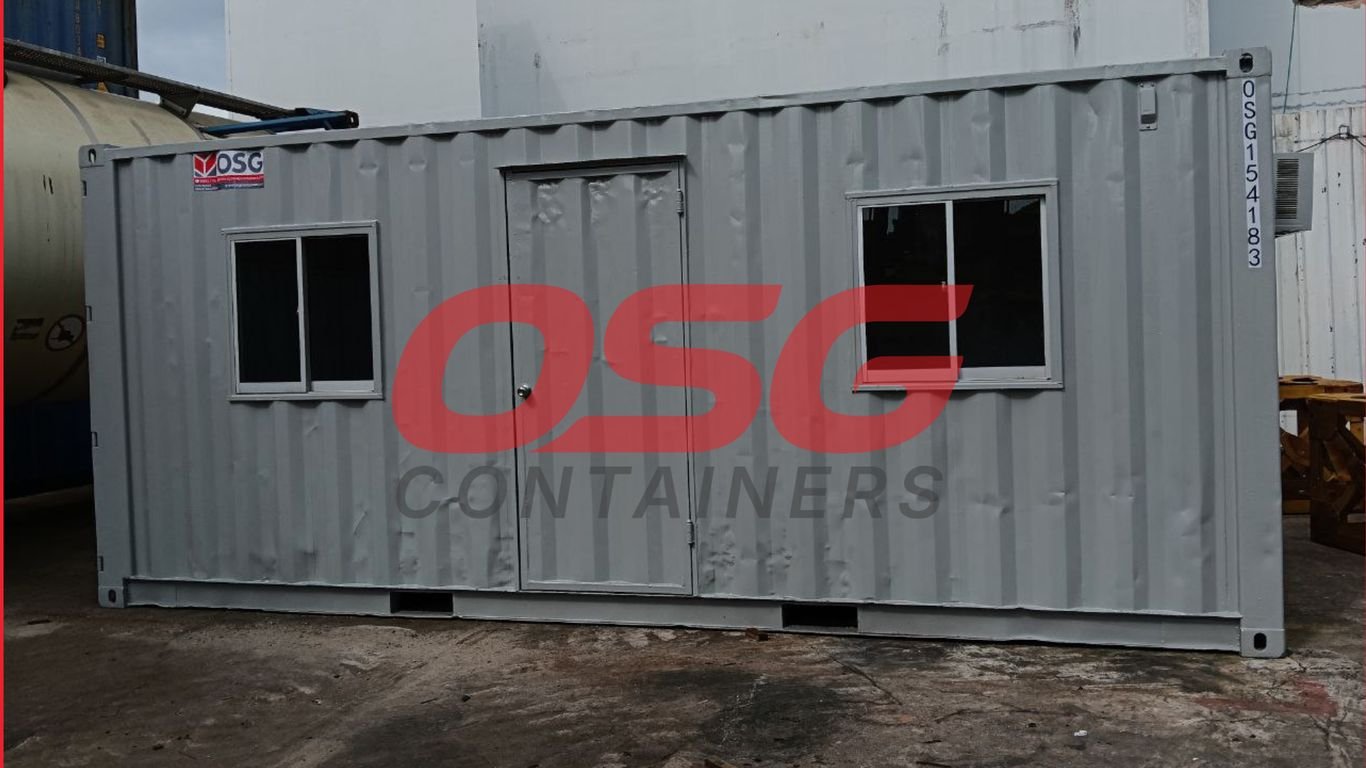
Thinking about how to get your business off the ground or maybe just need a bit more space without breaking the bank? Shipping containers, especially the 20ft container size, are becoming a really popular choice for businesses these days. They’re tough, they can be used for all sorts of things, and they don’t cost a fortune. We’re going to look at why a 20ft container might just be the smart move for your company.
Key Takeaways
- A 20ft container offers a solid, adaptable structure that can be used for many different business needs, from shops to offices.
- You can set up a 20ft container space to fit exactly what your business does, making it work for you.
- Using a 20ft container can be a lot cheaper than building or renting traditional spaces, and you can often get your money back faster.
- These containers are a good choice for the environment because they reuse materials that would otherwise be waste.
- It’s easier to grow your business with a 20ft container because you can add more units or change things around as needed.
Leveraging 20ft Containers for Business Growth
Understanding the 20ft Container Advantage
Shipping containers, especially the 20ft variety, are becoming a go-to for businesses wanting to grow without breaking the bank. They’re not just for hauling stuff across oceans anymore. Think of them as sturdy, blank canvases ready for your business idea. They offer a practical way to get more space quickly. Unlike traditional buildings that take ages and cost a fortune, a container can be set up much faster. This means you can start making money sooner. Plus, they’re pretty tough, built to withstand all sorts of weather.
Versatile Applications for Your Business
What can you actually do with a 20ft container? A lot, actually. They’re super adaptable. You could turn one into a small retail shop, a pop-up cafe, an office space, or even a workshop. Need a place to store extra inventory? A container works. Want to test out a new business idea without a huge commitment? A container is perfect for that. Even specialized needs, like a secure storage area for equipment, can be met. While a 40 ft container offers more room, the 20ft size is often just right for many smaller operations or as a starting point.
Cost-Effective Solutions with 20ft Containers
Let’s talk money. Setting up shop in a 20ft container is usually way cheaper than renting or building a traditional space. You avoid a lot of the hefty construction costs and long-term lease agreements. This makes it a smart choice for startups or businesses looking to expand on a budget. You can get a solid, used cargo container for a good price, and then customize it to fit your needs. It’s a way to get functional business space without the massive upfront investment.
The flexibility of these units means you can adapt them to almost any business need, from a simple storage solution to a fully functional commercial space. This adaptability is key for businesses that need to pivot or grow quickly.
Designing Your Functional 20ft Container Space
So, you’ve got your 20ft container, and now it’s time to make it work for your business. This isn’t just about sticking some furniture in there; it’s about smart design that makes every inch count. Think of it like a really compact, really cool apartment, but for your business. The goal is to create a space that’s not only practical for your daily operations but also reflects your brand and makes things easy for your customers and staff.
Optimizing Layout for Specific Business Needs
When you’re working with a 20ft container, space is at a premium. You really have to think about how you’ll use the area. For example, if you’re running a small cafe, you’ll need a layout that separates the customer ordering area from the food prep zone. Maybe a galley-style kitchen works best, keeping everything in a line so your staff can move efficiently. Vertical storage is your friend here – think shelves going up the walls to keep supplies accessible but out of the way. Fold-down counters or tables can also be a lifesaver when you need extra workspace but want to keep the area clear.
Here’s a quick look at how different businesses might approach layout:
| Business Type | Key Layout Considerations |
|---|---|
| Retail Pop-Up | Display areas, fitting rooms (if applicable), checkout counter |
| Coffee Stand | Service window, espresso machine placement, storage for cups |
| Small Office | Desk space, meeting area, storage for files |
| Art Studio | Workspace for creation, display area, storage for materials |
Enhancing Aesthetics and Brand Visibility
Your container is a billboard on wheels, practically. You don’t want it to just blend in. Think about the exterior. What colors represent your brand? Can you add some custom graphics or signage? A well-designed exterior can really draw people in. Inside, the look and feel matter too. Good lighting can make a huge difference, making the space feel bigger and more inviting. Choosing finishes that match your brand’s vibe – maybe sleek and modern, or rustic and cozy – helps create a consistent experience for your customers.
Customization for Enhanced Functionality
Beyond just the layout and looks, there are practical customizations that make a big impact. Service windows are a must for many businesses, like food vendors or small shops. Think about where it makes the most sense for customer interaction. Sliding doors or large opening windows can make the space feel more open and accessible. If you’re serving food, you’ll need to plan for utilities – plumbing, electricity, maybe even gas lines. Getting these right from the start means your container will function smoothly. Don’t forget about things like ventilation; good airflow is key to comfort, especially if you’re cooking or have multiple people working inside.
Planning the details upfront saves a lot of headaches later. It’s easy to get caught up in the novelty of a container space, but focusing on how it will actually be used day-to-day is what makes it a successful business setup.
Scalability and Future-Proofing with 20ft Containers
So, you’ve got your 20ft container business up and running, and things are going well. That’s awesome! But what happens when you need more space, or your business model shifts a bit? That’s where the real magic of containers comes in – they’re built for growth.
Planning for Business Expansion
Thinking ahead is key. When you first set up, it’s smart to consider how you might expand later. Maybe you’ll need an extra office space, more storage, or even a bigger customer area. With containers, adding more space is usually as simple as adding another unit. It’s way easier than trying to knock down walls in a traditional building.
- Assess your growth trajectory: How quickly do you expect to expand?
- Identify potential future needs: What kind of extra space might you require?
- Scout for adjacent space: Is there room to add more containers nearby?
Modular Designs for Growth
This is where containers really shine. They’re basically building blocks. You can connect multiple 20ft containers side-by-side or even stack them (with proper engineering, of course) to create larger, more complex structures. This modular approach means you’re not locked into a fixed size. Need a bigger shop? Add another container. Need a separate break room? Slot in a smaller unit.
| Configuration | Description |
|---|---|
| Single Unit | Basic 20ft container for initial setup. |
| Side-by-Side | Two or more units joined for wider floor space. |
| Connected Units | Multiple containers linked for varied layouts. |
| Stacked Units | Two-story structures for vertical expansion. |
Adapting Your Container Space Over Time
Businesses change, and your container space should be able to change with them. Maybe your product line shifts, or you decide to offer new services. You might need to reconfigure the interior layout, add new windows, or change the exterior look to match a new brand direction. Because containers are essentially steel boxes, modifications are generally straightforward. You can add or remove walls, install different types of flooring, or update the electrical and plumbing systems as needed. This flexibility means your container setup can evolve with your business, rather than becoming obsolete.
The beauty of container setups lies in their inherent adaptability. Unlike fixed structures, they offer a degree of freedom to reconfigure and expand that’s hard to match. This makes them a smart choice for businesses that anticipate change or operate in dynamic markets.
It’s all about building a business space that can grow and change without costing you a fortune or requiring a complete rebuild. Containers make that a lot more achievable.
Navigating Challenges in Container Business Setups
Setting up a business in a 20ft container is exciting, but like any venture, it’s not without its bumps in the road. Thinking ahead about potential issues can save you a lot of headaches and money down the line. It’s all about being prepared.
Understanding Zoning and Permit Requirements
This is often the first hurdle. Local governments have rules about what you can build and where, and shipping containers can sometimes fall into a gray area. You can’t just plop a container down anywhere and expect it to be okay. It’s really important to do your homework here.
- Check Local Ordinances: Before you even buy a container, find out what your city or county says about using them for commercial purposes. Some places are very container-friendly, others less so.
- Talk to Officials: Don’t be shy about calling your local planning or building department. Ask them directly about permits needed for container structures and any restrictions.
- Consider the Site: Where you plan to put your container matters. Is it zoned for commercial use? Are there any environmental concerns with the location?
Getting the right paperwork sorted early on prevents costly fines or the need to move your entire setup later.
Ensuring Proper Insulation and Climate Control
These metal boxes get hot. Really hot. And cold. If you plan to spend any significant time inside, or if your business involves temperature-sensitive goods, you’ll need to think about insulation and ventilation. It’s not just about comfort; it’s about functionality.
- Insulation Options: Spray foam, rigid foam boards, or even fiberglass batts can make a huge difference. The best choice depends on your budget and how extreme your climate is.
- Ventilation: Adding vents or windows is key for air circulation. This helps prevent moisture buildup and keeps the air fresh.
- HVAC Systems: For more demanding needs, you might need a small air conditioning or heating unit. Factor in the power requirements for these.
Addressing Equipment and Setup Investments
While containers themselves can be cost-effective, outfitting them for business use requires investment. You need to think about what you absolutely need to get started and what can wait.
- Prioritize Essentials: Make a list of the must-have equipment for your specific business. For a coffee stand, that’s an espresso machine and grinder. For a small office, it’s desks and computers.
- Look for Used Gear: Don’t overlook the second-hand market. You can often find quality equipment at a fraction of the new price, which is great for keeping initial costs down.
- Plan for Utilities: How will you get power, water, and internet to your container? These hookups can sometimes be an unexpected expense, so get quotes early.
Careful planning in these areas will make your container business setup much smoother.
The Environmental Benefits of 20ft Containers
Recycling and Upcycling Opportunities
So, you’re thinking about using a 20ft container for your business. That’s cool. But did you know it’s also a pretty good move for the planet? Instead of making something brand new, we’re taking these big metal boxes that have already traveled the world and giving them a second life. It’s like rescuing them from a life of just sitting around in a yard. This whole process helps cut down on waste that would otherwise end up in landfills. Plus, it’s part of what people call a ‘circular economy,’ which basically means we’re trying to reuse stuff as much as possible instead of just throwing it away.
Reducing Resource Intensity
Building a traditional shop or office takes a lot of materials and energy, right? Think about all the concrete, wood, and steel, not to mention the fuel used to make and transport it all. When you use a pre-made shipping container, you skip a huge chunk of that. It’s a way to build something functional without using up as many new resources. This means less mining, less manufacturing, and generally a smaller carbon footprint for your business setup. It’s a smart way to get the space you need without the heavy environmental toll of starting from scratch.
Promoting Sustainable Business Practices
Using containers isn’t just about the physical structure; it’s also about the message you send. More and more customers are paying attention to how businesses operate and whether they’re trying to be good to the environment. When your business is housed in a repurposed container, it’s a visible sign that you care about sustainability. This can really help your brand stand out. People like supporting companies that are making an effort to be greener. It’s a win-win: you get a unique business space, and you build a reputation as a responsible company.
Choosing a 20ft container for your business setup is more than just a practical decision; it’s a statement about your commitment to the environment. It shows you’re thinking about the bigger picture and making choices that benefit both your company and the planet.
Here’s a quick look at why it’s a greener choice:
- Less Waste: Diverts used containers from landfills.
- Lower Energy Use: Avoids the energy-intensive process of new construction.
- Resource Conservation: Reduces the demand for raw materials.
- Positive Branding: Appeals to eco-conscious customers.
Cost Efficiency and Investment Returns
Lower Initial Investment Compared to Traditional Spaces
Let’s be real, starting or expanding a business means watching every dollar. When you look at setting up shop, whether it’s a retail space, an office, or extra storage, traditional construction can hit your wallet hard. We’re talking about hefty bills for land, materials, and labor that can really add up. Shipping containers, on the other hand, offer a much more accessible entry point. You can acquire a sturdy, ready-to-go structure for a fraction of the cost of a brick-and-mortar building. This means less upfront cash is tied up, freeing up your budget for other important things like inventory, marketing, or hiring staff. It’s a smart way to get your business off the ground without taking out a second mortgage.
Reduced Overhead and Operational Expenses
Beyond the initial purchase, think about the ongoing costs of running a business space. Traditional buildings often come with high utility bills, especially for heating and cooling. They also tend to need more frequent and costly maintenance – think leaky roofs, crumbling foundations, or outdated plumbing. Container spaces, when properly modified, can be surprisingly efficient. Good insulation keeps temperatures stable, cutting down on energy use. Plus, their robust steel construction means less worry about wear and tear. This translates directly into lower monthly expenses, leaving more profit in your pocket.
Achieving a Faster Return on Investment
Because you’re spending less to get started and less to keep the lights on, your business can start generating profit sooner. The lower initial investment means you don’t have to wait as long to break even. Plus, the speed at which you can get a container space up and running is a huge advantage. You can open for business much faster than with conventional building methods. This quicker setup time means you start earning revenue sooner. It’s a win-win: less money out, more money in, and a faster path to seeing your business succeed.
Here’s a quick look at how container setups stack up:
- Initial Cost: Significantly lower than traditional construction.
- Monthly Utilities: Often reduced due to better insulation and smaller footprint.
- Maintenance: Generally less frequent and less expensive.
- Setup Time: Drastically shorter, allowing for quicker revenue generation.
The financial benefits aren’t just about saving money; they’re about making smarter, more strategic decisions that allow your business to grow and thrive without being weighed down by excessive expenses. It’s about getting more bang for your buck and building a solid foundation for long-term success.
Wrapping It Up
So, there you have it. Shipping containers, especially the 20ft ones, really do offer a smart way for businesses to get up and running or expand without breaking the bank. They’re tough, you can move them around, and they don’t cost a fortune compared to building something from scratch. Plus, using a used container is a good move for the planet. Sure, you’ll need to figure out permits and maybe some insulation, but those are manageable steps. If you’re looking for a practical, flexible, and budget-friendly option to grow your business, giving a shipping container a serious look is definitely worth it.
Frequently Asked Questions
What makes a 20ft container a good choice for businesses?
Think of a 20ft container as a super sturdy, ready-made box. It’s way cheaper than building a store or office from scratch. Plus, you can put it almost anywhere and change it up to fit what your business needs. It’s like a blank canvas that’s also tough and doesn’t cost a fortune to start with.
Can I really set up any kind of business in a 20ft container?
Pretty much! People have turned them into cool shops, handy offices, even kitchens for selling food. You just need to plan out the inside right. For example, a cafe needs a counter and maybe a small kitchen, while a clothing store needs racks and display shelves. You can customize it to work for you.
Is it hard to get permission to use a container for my business?
Sometimes, you have to check the rules in your town or city. These are called zoning laws and permits. It’s best to ask the local government first to make sure your container business idea is allowed where you want to put it. This saves you trouble later on.
What if my container gets too hot or too cold inside?
That’s a common concern, but it’s easy to fix! You can add insulation, like in a house, to keep the temperature just right. Putting in windows or vents also helps keep the air moving. This makes it comfy for you and your customers.
What are the green benefits of using a shipping container?
Using an old shipping container is like giving it a new life instead of making something new. This saves a lot of energy and materials. It’s a great way to show your customers that your business cares about the planet, which many people like.
How quickly can I start making money with a container business?
You can often start making money much faster than with a regular building. Since containers are already made, you skip a lot of the long building steps. This means you spend less time waiting and more time selling, which helps you get your money back sooner.


