
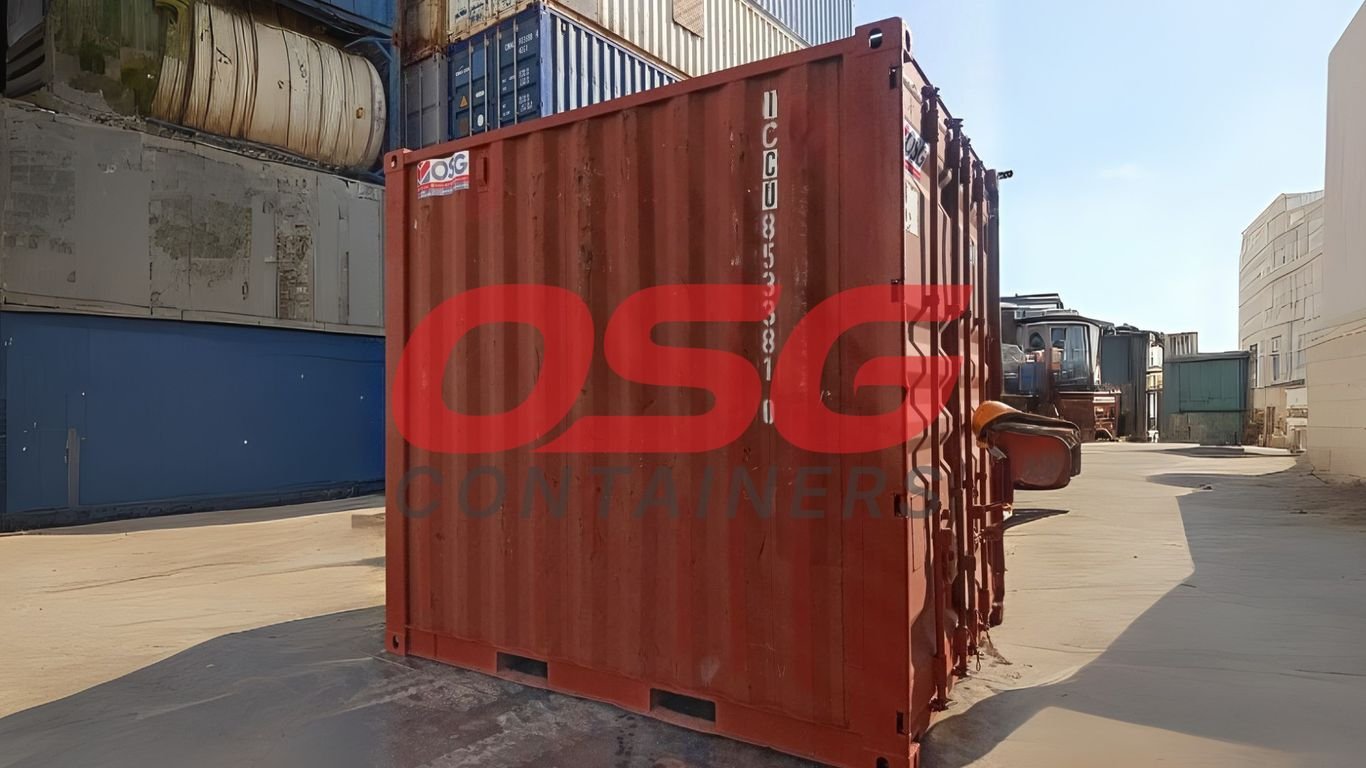
Looking for a sturdy, affordable way to store stuff or start a project? Used shipping containers, often called 2nd hand containers for sale, are a fantastic option. They’re built tough, can be used for tons of different things, and won’t break the bank like buying new. Whether you need extra space for your business, a place to keep your tools, or even want to build something unique, these containers are ready to go.
Key Takeaways
- Second-hand containers offer significant cost savings compared to new ones.
- These containers are built from durable steel, designed to withstand harsh conditions.
- They are incredibly versatile and can be used for storage, offices, housing, and more.
- Finding reputable sellers with transparent pricing and quality inspections is important.
- Consider the container’s size, condition, and intended use before purchasing.
Understanding Your Container Needs
So, you’re thinking about getting a used shipping container. That’s a smart move, they’re tough and way cheaper than buying new. But before you just grab the first one you see, let’s figure out what you actually need. It’s not super complicated, but a little thought upfront saves a lot of headaches later.
What Will The Container Be Used For?
This is the big one. What’s the main job for this container? Is it just for storing old lawn furniture and holiday decorations? Or are you planning something more involved, like turning a container 40ft into a workshop or even a small living space? The intended use really shapes everything else. If it’s just for storage, maybe a few dents and some faded paint are no big deal. But if you’re building a home office, you’ll want something that looks a bit better and might need fewer modifications.
Considering Modifications and Customization
Are you planning to cut doors, add windows, or insulate the inside? Some containers are better suited for modifications than others. If you’re going to cut into it a lot, you’ll want to make sure the container is structurally sound. Also, think about the electrical and plumbing needs if you’re making it habitable. These kinds of changes can add up, so factor that into your budget.
Assessing Your Comfort Level with Cosmetic Imperfections
Look, these are used containers. They’ve traveled the world, and they show it. You’ll see scratches, maybe some dings, and probably a bit of surface rust. How much of that bothers you? If you need something that looks almost new, you’ll be looking at ‘one-trip’ containers, which cost more. If you’re okay with a container that looks like it’s lived a little, you can save a good chunk of money. It really comes down to what you can live with visually.
Determining the Quantity of Containers Required
Do you need just one container, or are you looking to set up a whole storage yard? Sometimes people start with one and then realize they need more space down the line. It’s often cheaper to buy multiple containers at once if you know you’ll need them. Plus, delivery costs can be spread out. Think about your future needs, too. It’s easier to plan for two or three now than to add them one by one later.
Figuring out your needs upfront is like making a map before a road trip. You know where you’re going and what you need to pack. It makes the whole journey smoother and less stressful.
Exploring Available Container Types
When you’re looking for a used shipping container, you’ll find there are a few main categories. It’s not just about picking one that looks okay; each type has its own story and is suited for different jobs. Understanding these differences can save you a headache and a lot of money down the road.
New One-Trip Containers
These are the closest you’ll get to brand new. They’ve made just one journey from the factory, usually overseas, carrying goods. Because of this, they’re in pretty great shape. Think minimal wear and tear, maybe a few scuffs or minor paint fade from the single trip, but no major dents or rust. They’re often a good choice if you want something that looks almost new and you plan on using it for something where appearance matters, like a retail space or a home conversion where you want a clean slate. They’re also still perfectly good for shipping if that’s your plan.
Used Cargo-Worthy Containers
These containers have seen more action. They’ve been used for shipping, but they’ve passed inspection and are still considered ‘cargo-worthy.’ This means they’re structurally sound and can handle being shipped again, whether by sea, rail, or road. You’ll likely see more signs of use – dents, scratches, maybe some surface rust, and faded paint are common. However, they are still watertight and windproof, making them a solid choice for storage or projects where the cosmetic appearance isn’t the top priority. They offer a good balance between cost and durability.
Used Wind and Water Tight Containers
If you’re on a tight budget and just need a secure, dry space, these are often the most affordable option. ‘Wind and Water Tight’ (WWT) means they won’t let the elements in, which is the most important thing for storage. However, they’ve had a longer service life and will show it. Expect more significant dents, rust, and possibly some previous repairs. The flooring might need some attention, and the paint will likely be faded or chipped. These are fantastic for basic storage needs, workshops, or as a starting point for extensive modifications where you’re planning to cover up or replace a lot of the original features anyway.
Here’s a quick rundown of what to expect:
- New One-Trip: Looks almost new, minimal wear, best for aesthetics and shipping.
- Used Cargo-Worthy: Structurally sound for shipping, visible wear and tear, good for storage and most projects.
- Used Wind and Water Tight: Most affordable, guaranteed dry and secure, significant cosmetic wear, best for basic storage or heavy modification projects.
Choosing the right type really comes down to what you’ll be using the container for and how much you’re willing to spend. Don’t shy away from used containers; they’ve got plenty of life left and can be a real bargain.
Choosing the Right Container Size
So, you’ve decided a used container is the way to go. Awesome. Now comes the fun part: figuring out what size you actually need. It’s not as simple as just grabbing the biggest one you can find, though that might be tempting. You’ve got a few standard options, and each has its own perks.
The Benefits of a 20ft Container
Think of the 20-foot container as the compact car of the shipping container world. It’s a really popular choice for a reason. It’s easier to place on your property, especially if you don’t have a ton of space. Plus, they’re generally cheaper than their bigger brothers, both to buy and to move. If you’re just looking for some extra storage for tools, seasonal items, or maybe a small workshop, a 20ft is often plenty. It’s also a good starting point if you’re thinking about converting it into something like a small office or a single-room dwelling.
The Advantages of a 40ft Container
Now, if you need more room, the 40-foot container is where it’s at. This is the workhorse for larger storage needs, like keeping inventory for a business, setting up a more elaborate workshop, or even building out a modest living space. You get a lot more square footage to play with, which means more flexibility for whatever you have planned. While they cost more upfront and to transport, the extra space can sometimes make them a better value if your project really needs it. It’s like going from a studio apartment to a one-bedroom – suddenly, you can do a lot more.
Considering Larger Options Like 45ft Containers
Beyond the standard 20ft and 40ft, you might stumble upon larger sizes, like 45-footers. These aren’t as common in the used market, but they do exist. If you have a very specific, large-scale project in mind – maybe a really spacious mobile office, a multi-room dwelling, or extensive workshop space – a 45ft container could be an option. Just be aware that finding these can be a bit trickier, and transportation logistics might be more complex. It’s always good to check what’s available and if the extra length is truly necessary for your plans.
Here’s a quick look at the typical interior dimensions:
| Size | Length (ft) | Width (ft) | Height (ft) | Approx. Sq Ft |
|---|---|---|---|---|
| 20ft | 19.4 | 7.7 | 7.9 | 150 |
| 40ft | 39.5 | 7.7 | 7.9 | 305 |
| 40ft High Cube | 39.5 | 7.7 | 8.9 | 305 |
When you’re picking a size, really think about what you’ll be putting inside. It’s easy to underestimate how much space things take up. Measure twice, buy once, as they say. You don’t want to end up with a container that’s too small or one that’s way bigger than you need, costing you extra money and space on your property.
Key Benefits of Second-Hand Containers
Significant Cost Savings
Let’s be real, buying new stuff can get expensive, and shipping containers are no exception. When you opt for a used container, you’re looking at a price tag that’s a good chunk less than a brand-new one. We’re talking about saving a significant amount of money, which can then be put towards other parts of your project, like modifications or getting it set up where you need it. It’s a smart way to get a solid structure without breaking the bank.
Exceptional Durability and Longevity
These containers were built to travel the world on ships, facing salty air, rough seas, and all sorts of weather. That means they’re made from really strong steel and designed to last. Even a used one has a lot of life left in it. They can handle being stacked, moved around, and generally put to work for a long time. Think of it like buying a well-made tool that’s already proven itself – it’s tough and reliable.
Remarkable Versatility for Various Applications
What can you do with a used container? Pretty much anything! Need extra storage for your business inventory or tools? Done. Want to set up a workshop or a small office on-site? Easy. People are even turning them into homes, studios, or unique retail spaces. Their basic box shape is a blank canvas, and with a bit of creativity, you can transform them into exactly what you need.
Enhanced Security for Valuables
If you’ve got things you need to keep safe, a used container is a great option. They’re made of thick steel, and the doors usually have pretty robust locking mechanisms. This makes them a secure spot for storing equipment, inventory, or even personal belongings, especially if you’re placing it in a location that might not have other security measures. It’s like having a mini-fortress for your stuff.
The real beauty of a used container is that you get that industrial-strength build quality without the premium price tag of a new unit. They’ve already survived their initial journey, proving their mettle, and are ready for their next chapter.
Finding Reputable Sellers for 2nd Hand Containers
So, you’ve decided a used shipping container is the way to go. Smart move! But where do you find these sturdy metal boxes without getting ripped off or ending up with a lemon? It’s not as simple as just Googling "containers for sale." You need to be a bit savvy.
Prioritizing Transparency in the Buying Process
When you’re looking at the sale of used containers, transparency is key. A good seller will be upfront about everything. This means clear pricing, detailed descriptions of the container’s condition, and no hidden fees. They should be happy to answer all your questions, no matter how small they seem. If a seller is cagey or makes you feel pressured, that’s usually a red flag. Look for sellers who provide detailed photos and condition reports for each specific shipping container. It’s also helpful if they explain their grading system clearly, so you know exactly what you’re getting.
The Importance of Expert Quality Inspections
Don’t just take the seller’s word for it. While many reputable dealers perform their own inspections, it’s always a good idea to understand what to look for yourself, or even arrange for an independent inspection if possible, especially for larger purchases. A thorough inspection should check for:
- Structural integrity: Are there any major dents, rust holes, or signs of damage?
- Door functionality: Do the doors open and close smoothly?
- Floor condition: Is the flooring solid, or does it need repair?
- Water and wind tightness: This is critical for protecting your stored items.
A used container might have some cosmetic flaws like scratches or faded paint, and that’s usually fine. What you really need to focus on is whether it’s structurally sound and free from leaks.
Nationwide Delivery Options
Unless you live right next door to a container depot, delivery is going to be a factor. Most reputable sellers offer nationwide delivery. They should be able to tell you about their delivery process, what kind of equipment they use, and any site preparation you might need to do. Some companies have specific delivery guides to help you get ready. It’s worth asking about delivery timelines too, so you can plan accordingly.
Securing the Best Prices
Getting the best price for your shipping container involves a bit of comparison shopping. Don’t just go with the first place you find. Get quotes from a few different suppliers. Consider the total cost, including delivery and any potential fees. Sometimes, a slightly higher price from a more reputable seller with better warranties or inspection services can be a better deal in the long run. Remember, the cheapest option isn’t always the best value when it comes to these durable assets.
Common Applications for Used Containers
So, you’ve got your eye on a used shipping container. That’s smart! These things are tough and way cheaper than buying new. But what can you actually do with one? Turns out, a lot. They’re not just for hauling stuff across the ocean anymore.
Secure Storage Solutions
This is probably the most straightforward use. Need to stash some extra inventory, store seasonal gear, or just keep your tools safe on a job site? A used container is your answer. They’re basically a super strong, weather-proof box. You can lock it up tight, and most of the time, it’ll keep your stuff dry and protected from the elements. Think of it as a permanent, super-secure shed, but way more robust.
- Homeowners: Storing lawn equipment, holiday decorations, or anything you don’t have room for in the garage.
- Businesses: Keeping extra stock, tools, or materials safe and accessible.
- Contractors: A reliable place to store tools and equipment right at the job site.
Mobile Office and Workspace Conversions
Ever seen those cool offices on construction sites or at remote work locations? Yep, often those are converted shipping containers. They’re surprisingly spacious inside, especially the 40-footers. You can outfit them with desks, chairs, maybe even a mini-fridge and a heater or AC unit. It’s a solid, portable workspace that you can move wherever you need it.
Affordable Housing and Accommodation
This is where things get really interesting. People are turning these containers into homes, guest houses, or even small apartments. With some insulation, windows, doors, and a bit of interior work, you can create a livable space. It’s a way to build something quickly and affordably, and it’s a pretty eco-friendly option too, reusing materials that would otherwise be sitting around.
Building with containers can be a game-changer for affordable housing projects. They offer a strong base structure that significantly cuts down on construction time and labor costs compared to traditional building methods.
Unique Retail and Business Ventures
Forget expensive storefronts. Entrepreneurs are getting creative with containers. Think pop-up shops, small cafes, art studios, or even workshops. They’re eye-catching, relatively easy to set up, and can be moved if your business needs to relocate. It’s a fantastic way to test out a business idea without a massive upfront investment in a brick-and-mortar location.
Ready to Get Started?
So, buying a used shipping container is actually pretty straightforward. You just need to figure out what you need it for, find a good supplier, and sort out the delivery. They’re tough, they’re cheaper than you might think, and they can be used for all sorts of things, from storing your stuff to building something cool. Don’t overthink it – these containers are a solid, practical choice for a lot of different projects.
Frequently Asked Questions
What’s the main advantage of buying a used container?
The biggest perk is saving a lot of money! Used containers cost much less than brand new ones, making them a great deal for storage or projects.
Are used containers still strong and safe?
Absolutely. Shipping containers are built super tough to handle rough seas and weather. Even used ones are made of strong steel and are designed to keep your stuff safe and protected.
Can I use a used container for more than just storage?
Definitely! People use them for all sorts of things, like making mobile offices, workshops, or even affordable homes. Their strong build and large size make them really adaptable.
What does ‘Cargo-Worthy’ mean for a used container?
Cargo-Worthy (CW) means the container is strong enough to be used for shipping goods. It’s checked to make sure it’s solid, but it might have some dents or faded paint from its past journeys.
What’s the difference between a 20ft and a 40ft container?
A 20ft container is about half the size of a 40ft container. Think about how much stuff you need to store or what you plan to build. The 40ft gives you double the space, which is great for bigger projects or lots of items.
How do I know if a seller is trustworthy?
Look for sellers who are open about their prices and the condition of their containers. It’s also good if they offer quality checks and reliable delivery options. Asking for details and reviews can help you find a good seller.


