
So, you’re looking into getting a 40 ft container, huh? They’re pretty popular for a reason. Whether you need to stash a ton of stuff, build something cool, or set up shop somewhere new, these big metal boxes can really come in handy. We’re going to break down what makes them tick, what you can do with them, and how to make sure you get the right one without any hassle. It’s not as complicated as it sounds, honestly.
Key Takeaways
- A 40 ft container offers a lot of space, usually around 2,350 to 2,690 cubic feet, making it great for storing large amounts of inventory, equipment, or even furniture.
- These containers are built tough from steel, designed to handle rough weather and keep your items safe, with sturdy doors that can be locked up tight.
- You can use a 40 ft container for all sorts of things, from simple storage on a construction site or for your business, to turning it into a pop-up shop, an office, or even a small home.
- When picking a container, you’ll see options like ‘new’ or ‘used’ (with different grades) and ‘standard’ or ‘high cube’ (which is taller). Think about what you’ll use it for and your budget.
- Buying a container means owning it outright, but you can also rent one if you only need it for a short time. It’s smart to shop around and find a seller you can trust.
Understanding the 40 Ft Container
So, you’re looking at a 40-foot container. It’s a pretty common sight, right? These big metal boxes are everywhere, from shipping yards to construction sites, and even popping up as cool little shops or offices. But what exactly makes them tick? Let’s break it down.
Key Dimensions and Capacity
When we talk about a 40-foot container, we’re usually talking about its length. But there’s more to it than just that. They’re built to pretty standard sizes, which is why they stack so well on ships and trains. Here are the typical measurements you’ll find:
| Measurement | Standard 40-Foot Container |
|---|---|
| External Length | 40 feet |
| External Width | 8 feet |
| External Height | 8 feet 6 inches |
| Internal Length | 39 feet 5 inches |
| Internal Width | 7 feet 9 inches |
| Internal Height | 7 feet 10 inches |
| Tare Weight (Empty) | Around 7,650 lbs |
This gives you a good amount of space, roughly 2,350 cubic feet. Think about it – you could fit about eight standard pallets stacked two high, or a whole house full of furniture if you were moving. It’s a lot of room for whatever you need to store or move.
Construction and Durability
These containers aren’t just flimsy metal boxes. They’re built tough, usually from corrugated steel. This makes them really strong and able to withstand pretty harsh weather and the rough handling they get during shipping. They’re designed to protect whatever’s inside from rain, wind, and even impacts. The corrugated sides aren’t just for looks; they add a lot of structural integrity. This means they can be stacked high on ships without collapsing, and they hold up well when used for long-term storage or as makeshift buildings.
Security Features
Security is a big deal with these containers. They come with heavy-duty steel doors that usually have a locking mechanism on the outside. Most have a place where you can attach a padlock, and many people add extra security like lock boxes, which cover the padlock and make it harder to cut off. Because they’re made of steel and are pretty much a sealed unit when the doors are shut, they offer a good level of protection against theft and the elements. It’s not Fort Knox, but for most storage and transport needs, they do a solid job of keeping things safe.
Versatile Applications for 40 Ft Containers
These big metal boxes, originally just for shipping stuff across oceans, have turned out to be super handy for all sorts of things on land. Think about it, they’re built tough, weather-resistant, and they’re a pretty good size. This makes them a go-to for a bunch of different jobs.
Storage Solutions Across Industries
When businesses need to stash inventory, equipment, or supplies, a 40ft container is often the first thing they look at. It’s like a ready-made, secure warehouse that you can put right where you need it. Whether you’re a contractor needing to keep tools safe on a job site, a retailer with extra stock, or even a farmer storing equipment, these containers offer a straightforward solution. They’re also great for temporary storage during renovations or moves. For those really big storage needs, sometimes even an open top container is useful if you need to load things from above with a crane, though standard containers are more common for general storage.
Construction Site Essentials
On construction sites, space is always tight and security is a big deal. A 40ft container can serve as a secure tool crib, a place to store building materials, or even a temporary site office. Imagine having a lockable, weather-proof spot right on the project grounds to keep expensive tools and materials safe overnight. This cuts down on theft and makes it easier for workers to access what they need without long trips back and forth. Some sites even use them to house temporary power or water systems.
Retail and Event Spaces
Who knew a shipping container could be a shop? Well, they can! Businesses are getting creative, turning 40ft containers into pop-up shops, cafes, or even small event stages. They’re easy to transport to festivals, markets, or temporary locations. With a bit of modification, like adding windows, doors, or even a counter, you can create a functional and eye-catching retail space. For events, they can be used for ticket booths, information centers, or vendor stalls. The durability means they can handle the hustle and bustle of public events.
The sheer volume and robust construction of a 40ft container make it a practical choice for many businesses looking for flexible space solutions. Its standardized size also means it integrates well with existing logistics and transport systems.
Here’s a quick look at how they stack up for different uses:
- Storage: Ideal for inventory, equipment, tools, and materials.
- Workspaces: Can be converted into site offices, workshops, or studios.
- Retail: Perfect for pop-up shops, kiosks, or event booths.
- Specialty: Useful for housing generators, temporary sanitation, or even as small living quarters with modifications.
Choosing Your 40 Ft Container
So, you’ve decided a 40-foot container is the way to go. That’s a solid choice for a lot of projects, whether it’s for storing a mountain of stuff, setting up a temporary workshop, or even building something unique. But before you hand over your cash, there are a few things to think about. It’s not just about picking the first one you see; there are different types and conditions that can really change what you get for your money.
New vs. Used Container Grades
When you’re looking at containers, they’re usually sorted into a few categories based on how much they’ve been used. It’s kind of like buying a car – you can get something practically brand new or something with a bit more character.
- One-Trip/Like New: These containers have only made one journey, usually from overseas. They’re in great shape, with minimal dents or scratches. If you want something that looks almost new and will last a long time with little fuss, this is your best bet.
- Cargo Worthy/Wind and Watertight (WWT): These have seen more action. They’re still structurally sound and good for shipping, meaning they won’t leak. You might find some dings, rust spots, or faded paint, but they’re perfectly fine for most storage and many project uses.
- As Is/Used: These containers have lived a full life. Expect more wear and tear – dents, rust, maybe some patches. They’re usually the cheapest option, but you’ll need to check them carefully to make sure they’re still suitable for what you need, especially if you plan to modify them.
Standard vs. High Cube Options
Beyond the condition, there’s another big difference: height. Most 40-footers are standard height, but there’s also the "High Cube" version.
| Feature | Standard 40 Ft Container | 40 Ft High Cube Container |
|---|---|---|
| External Height | 8 feet 6 inches | 9 feet 6 inches |
| Internal Height | Approx. 7 ft 10 in | Approx. 8 ft 10 in |
| Extra Ceiling | N/A | 1 foot taller |
The extra foot of height in a High Cube can make a surprising difference, especially if you’re storing tall items or planning to stand up inside it, like in a workshop or a small office conversion. It gives you more headroom and makes the space feel less cramped.
Factors Influencing Your Decision
Picking the right container isn’t just about the container itself; it’s about your specific situation. Think about these points:
- Your Budget: How much are you looking to spend? "As Is" containers are cheapest, while "One-Trip" ones cost more upfront but might save you money on repairs down the line.
- Intended Use: What exactly are you going to do with it? Storing old furniture might be fine in a WWT container, but if you’re building a climate-controlled space, you’ll want something in better condition.
- Location and Placement: Where will the container sit? Will it be visible? Does it need to look good, or is it just functional storage? This can influence whether you need a newer-looking container or if cosmetic flaws matter.
- Modification Plans: Are you planning to cut doors, add windows, or insulate it? Some containers might be easier to work with than others, and the condition can affect how well modifications hold up.
Deciding between a standard and a high cube, or between a used and a new container, really comes down to balancing cost with your specific needs and how you plan to use the space. Don’t just go for the cheapest option without thinking if it will actually work for your project. Sometimes spending a little more upfront saves a lot of headaches later on.
Maximizing Your 40 Ft Container Investment
So, you’ve got a 40-foot container. That’s a lot of space, right? But just having it isn’t the whole story. To really get your money’s worth, you need to think about how to make it work best for you. This means looking at ways to customize it and adding the right bits and pieces.
Customization Possibilities
These containers are tough, but they’re also blank canvases. You can add things to make them fit your exact needs. Need more light or a way to get in and out easily? Adding doors, like roll-up or personnel doors, makes a big difference. Windows can bring in natural light, which is nice if you’re using it as a workshop or even a temporary office. Think about what you’ll be doing with the container and tailor it. It’s not just about storage anymore; it can become a functional space.
Essential Accessories
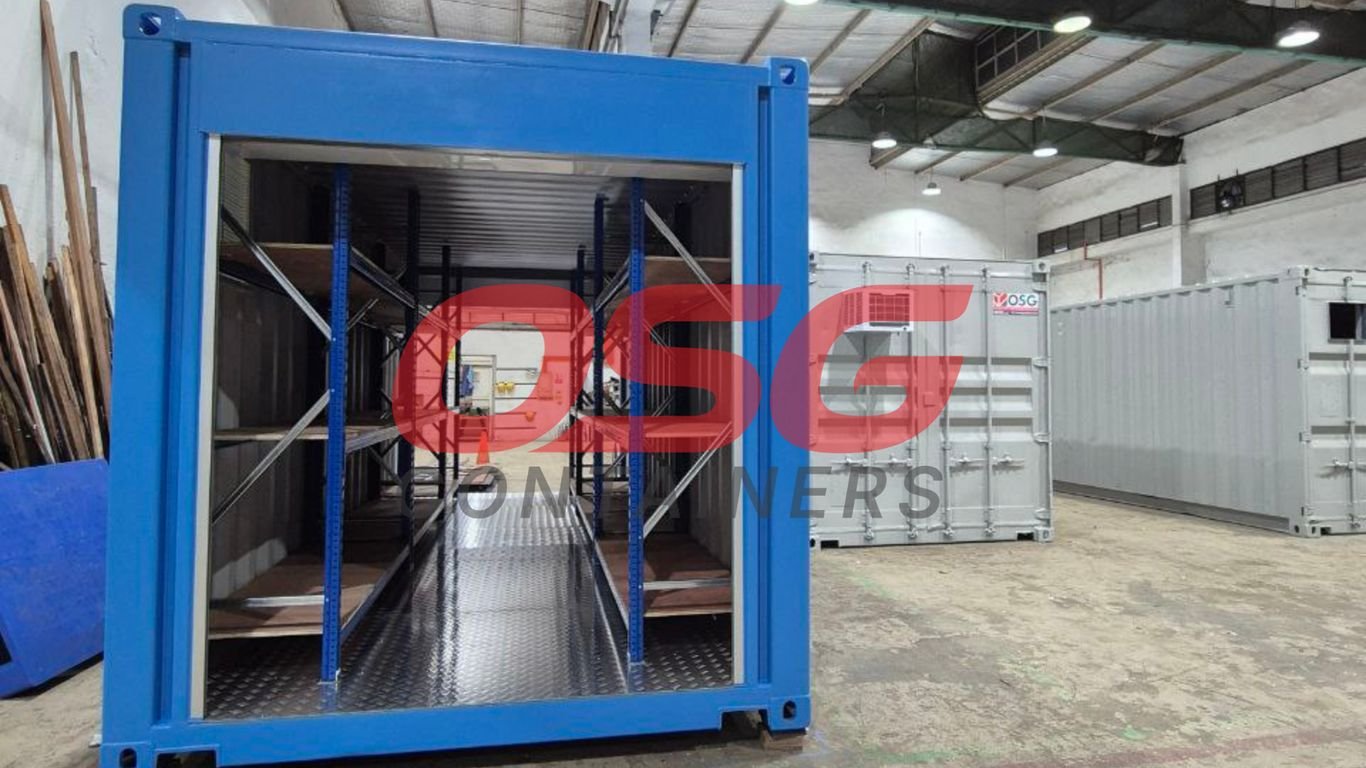
Beyond major modifications, there are smaller things that can really help. Shelving and racking systems are a game-changer for organization. They let you use the vertical space, keeping things tidy and easy to find. If you’re moving heavy items in and out, a ramp can save your back and your container’s floor. And, of course, security is key. Good locks and lock boxes are a must to keep your belongings safe. You can even get specialized shelving brackets if you have oddly shaped items to store.
Here’s a quick look at some helpful accessories:
- Shelving and Racking: Maximize vertical space for organized storage.
- Ramps: Make loading and unloading heavy items much easier.
- Locks and Lock Boxes: Improve security and protect against tampering.
- Shelving Brackets: Create custom storage solutions for unique items.
Cost-Effectiveness and Value
When you look at the sheer amount of space a 40-foot container offers, the cost per square foot is often quite good compared to other storage options. Buying a container and customizing it can be a much more affordable long-term solution than renting storage space or building a new structure. It’s a one-time purchase that provides a durable, secure space for years. Plus, if your needs change, a container can often be resold, recouping some of your investment. It’s about making a smart purchase that pays off over time.
When you’re planning how to use your container, think about the weight limits. Even though they’re big, there are rules about how much you can load. Also, how you pack things inside matters. Spreading the weight evenly and securing your cargo stops things from shifting around during transport or just sitting there. It keeps everything safe and makes the container last longer.
Acquiring a 40 Ft Container
So, you’ve decided a 40ft container is the way to go. Awesome! Now, how do you actually get one? It’s not like picking up a loaf of bread, but it’s also not rocket science. You’ve got a couple of main paths: buying or renting. Each has its own perks, depending on what you need.
Purchasing Options
When you decide to buy, you’re looking at owning that big metal box outright. This is usually the best bet if you plan on using it for a long time, maybe as a permanent storage unit or for a custom build. You can find both new and used containers. New ones, often called ‘one-trip’ containers, have only made one journey from the factory and are in pretty much perfect shape. Used ones, well, they’ve seen more action. They can range from ‘cargo worthy’ (meaning they’re still good for shipping and storage) to ‘as-is’ (which might need a little TLC but are usually cheaper).
Renting vs. Buying
This is a big decision, and it really boils down to your situation. Renting is great if you only need the container for a short period. Think a construction project that’s going to wrap up in a few months, or maybe you’re clearing out a warehouse and need temporary space. It’s less commitment and usually means lower upfront costs. Plus, you don’t have to worry about selling it later.
Buying, on the other hand, makes more sense for long-term needs. If you’re setting up a permanent workshop, a backyard storage solution, or converting it into an office, owning it gives you total freedom. You can modify it however you want without asking anyone. It’s an investment, sure, but for ongoing use, it often works out cheaper in the long run than paying rent year after year. It’s a bit like comparing buying a house versus renting an apartment – different goals, different approaches.
Finding Reputable Sellers
No matter if you’re buying or renting, finding a good seller is key. You don’t want to end up with a container that’s falling apart or dealing with shady contracts. Look for companies that have been around for a while and have good reviews. Ask about the container’s condition, what kind of warranty or guarantee they offer, and what their delivery process is like. Some companies specialize in selling containers, while others might offer them as part of a larger logistics service. Don’t be afraid to get quotes from a few different places. Comparing prices and services will help you find the best deal. Remember, a 40ft container is a significant purchase, so doing your homework on the seller is just as important as checking out the container itself. It’s a bit like choosing a contractor for a big job – you want someone reliable.
When looking for a container, whether it’s a 40ft model or even a smaller 20ft container, always ask for detailed photos and, if possible, inspect the unit yourself before finalizing any deal. Understanding the exact condition will save you headaches down the road.
Wrapping It Up
So, there you have it. We’ve gone over what makes a 40-foot container a solid choice, whether you’re looking to stash a lot of stuff, build something cool, or set up shop. They’re tough, they hold a ton, and honestly, they’re pretty adaptable. From keeping your tools safe on a job site to holding inventory for your business, these containers can handle it. Just remember to think about what you need it for, how much space you’ve got, and what condition you’re looking for. Getting the right container makes all the difference.
Frequently Asked Questions
What are the basic measurements of a 40-foot container?
A standard 40-foot container is about 40 feet long, 8 feet wide, and 8 feet 6 inches tall on the outside. Inside, it gives you a lot of room, roughly 2,350 cubic feet, which is enough space for many things.
What’s the difference between a standard 40ft container and a High Cube one?
The main difference is height! A High Cube container is about a foot taller than a standard one. This extra space is super helpful if you need to stack items high, add shelves, or do cool projects like turning it into an office or workshop.
Can I use a 40-foot container for more than just storage?
Absolutely! People use these containers for all sorts of things. They can be turned into pop-up shops, event spaces, construction site offices, workshops, and even homes. Their tough steel build makes them a great starting point for many projects.
Is it better to buy a new or used 40-foot container?
It depends on your budget and how you plan to use it. ‘One-trip’ or new containers are in great shape but cost more. Used containers are cheaper and might have some dents or rust, but they’re still strong and work well for basic storage or projects where looks aren’t everything.
How do I make sure my 40-foot container is secure?
These containers come with strong, lockable doors. For extra safety, you can add a padlock and a lockbox, which covers the padlock to make it harder to break into. Some people also add extra security features depending on what they’re storing.
What accessories can help me use my 40-foot container better?
To make the most of your container, consider adding shelving or racking systems to organize your items. Ramps can make loading and unloading heavy things much easier. Good locks are also a must for security.


