
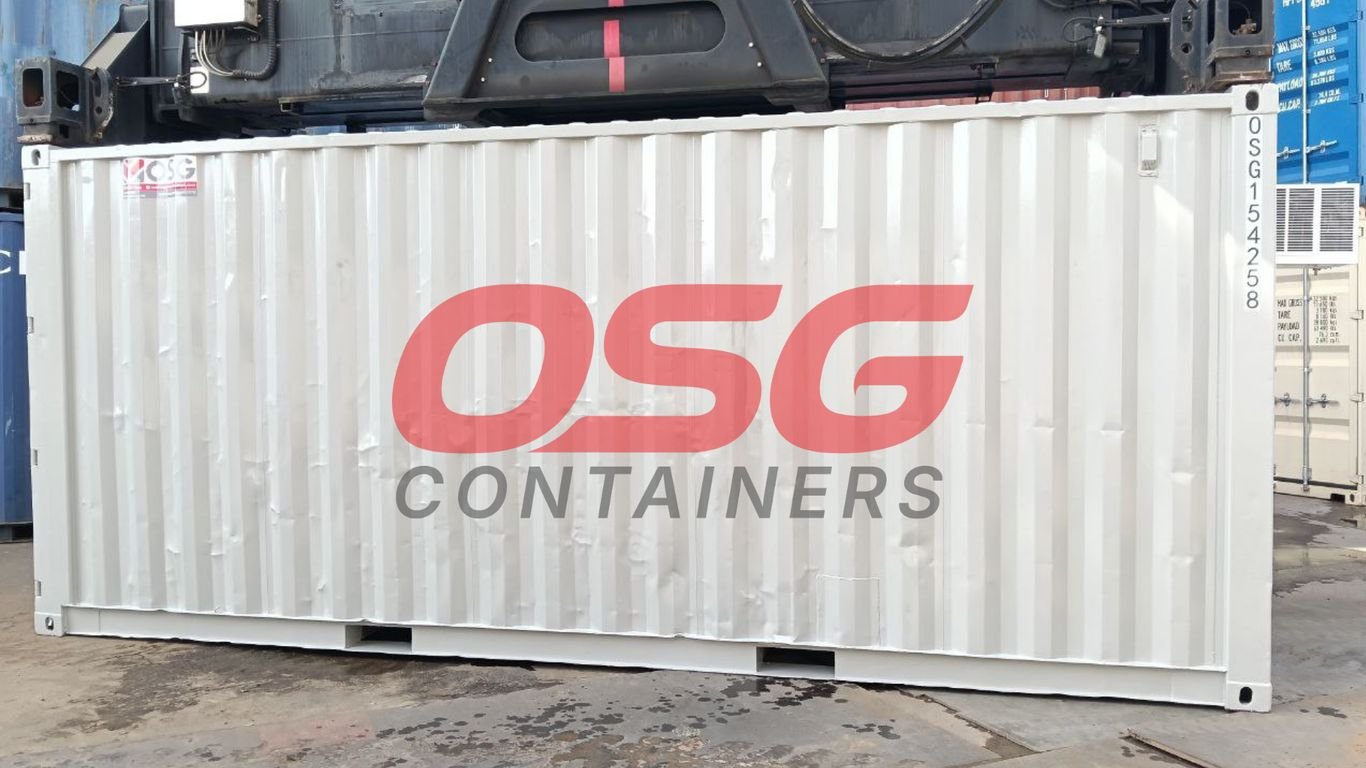
So, you’re thinking about buying a shipping container? It’s a pretty smart move, honestly. These big metal boxes are super versatile, whether you need extra storage for your home, a place to set up an office, or even to build something unique. But before you go and grab the first container for sale you see, there are a few things to figure out. It’s not just about picking a size; you’ve got to think about its condition, what you’ll actually use it for, and how much it’s all going to cost. Plus, getting it to your place is another detail to sort out. Let’s break it down, so you know exactly what you’re getting into.
Key Takeaways
- Figure out the exact size you need. Common ones are 20 or 40 feet long, but there are others. Make sure it fits your stuff or your project.
- Check the condition carefully. New ones are great but cost more. Used containers can be cheaper, but inspect them for rust, dents, and holes. Grades like ‘Cargo Worthy’ or ‘Wind and Watertight’ tell you about their durability.
- Know why you want the container. Is it just for storing things, or are you planning to turn it into a home, office, or workshop? This affects the type and condition you should look for.
- Prices can change a lot based on where you are, the container’s condition, and if it’s new or used. Shopping around and comparing prices is a good idea.
- Think about how the container will get to you. Delivery costs can add up, and you need to make sure you have enough space for the truck to drop it off.
Understanding Container Types and Sizes
When you start looking for a container to buy, you’ll quickly see they aren’t all the same. Think of it like buying a car – there are different models for different jobs. The main things to consider are the length and height, and then there are some special types for specific needs.
Common Container Dimensions
Most containers you’ll find for sale are standard sizes, mainly differing in length and height. The width is almost always the same, around 8 feet. The length is where you get the most choice, and this really impacts how much stuff you can fit inside.
- 20-foot containers (20DC): These are super common and a good all-around choice. They’re about the size of a small garage and work well for smaller storage needs, like tools on a job site or extra inventory for a small business. They’re also easier to place if you don’t have a ton of space.
- 40-foot containers (40DC): Double the length of a 20-foot, these offer a lot more room without costing double. They’re great for bigger storage jobs, like storing equipment for a manufacturing plant or for e-commerce fulfillment. They’re roughly the size of a two-car garage.
- 40-foot High Cube (40HC): These look like the 40-foot containers but are a foot taller. This extra height is a big deal if you need to store tall items or want to maximize storage space, maybe for a tiny home conversion where you need room for insulation and finishes.
Here’s a quick look at the typical specs:
| Type | Length | Height | Internal Volume (approx.) |
|---|---|---|---|
| 20DC | 20′ | 8’6" | 1,172 cu ft |
| 40DC | 40′ | 8’6" | 2,390 cu ft |
| 40HC | 40′ | 9’6" | 2,700 cu ft |
Remember that the internal dimensions will be slightly smaller than the external ones due to the container’s walls and structure. Always factor this in when planning what you need to store.
Specialty Container Options
Beyond the standard sizes, there are containers built for specific tasks. If you’re not just looking for basic storage, these might be what you need:
- Open-Top Containers: These have a removable roof, making it easy to load things from above with a crane. They’re good for bulky items like machinery or logs.
- Flat Rack Containers: These are basically platforms with collapsible end walls. They’re designed for really oversized items that won’t fit in a regular container, like boats or large vehicles.
- Refrigerated Containers (Reefers): These are insulated and have built-in refrigeration units to keep things cold. Perfect for storing food, medicine, or anything that needs a controlled temperature.
- Double-Door Containers: As the name suggests, these have doors on both ends. This makes it super easy to drive through or load long items, like pipes or lumber.
Choosing the Right Size for Your Needs
Figuring out the right size comes down to a few things. First, what are you putting in it? Measure your biggest items. Second, where will it go? Make sure you have enough space for the container itself, plus room to open the doors and access it. A 40-foot container might seem like a good deal for the space, but if you only have a small yard, it’s just not going to work.
- Assess your space: Measure the area where the container will sit. Don’t forget to account for access for delivery trucks.
- Consider your cargo: Think about the volume and dimensions of what you need to store. Is it tall? Is it bulky? Do you need to drive through it?
- Future needs: Will your storage needs grow? It’s often better to get a slightly larger container than you think you’ll need rather than having to upgrade later.
Assessing the Condition of a Container for Sale
When you’re looking at a container for sale, the condition is a big deal. It’s not just about how it looks; it’s about how long it’ll last and what you can actually do with it. You wouldn’t buy a car without checking under the hood, right? Same idea here. Understanding the different grades and what to look for will save you headaches and money down the road.
New vs. Used Containers
This is the first big fork in the road. New containers, often called ‘one-trip’ containers, have only made one journey, usually from the factory overseas to their first destination. They’re typically less than a year old and look pretty much perfect. Think original paint, no dents, and doors that open like butter. They’re great if you need something that looks sharp for a business or a home conversion, but they come with a higher price tag.
Used containers, on the other hand, have seen some action. They’ve been around the block, carrying cargo across oceans or sitting in yards for a while. This means they’ll likely have some cosmetic issues – maybe a bit of surface rust, a few dings, or faded paint. The upside? They’re significantly cheaper. For basic storage needs where looks aren’t a priority, a used container can be a fantastic deal.
Understanding Condition Grades
It gets a bit more detailed than just ‘new’ or ‘used’. Sellers often use specific terms, and knowing what they mean is key:
- One-Trip: As mentioned, these are the closest to new. Minimal wear, usually under a year old. Ideal for modifications where appearance matters.
- IICL (Institute of International Container Lessors): These are used containers that have passed rigorous inspections and meet high repair standards. They’re certified for shipping and are structurally sound, but expect visible signs of use like minor dents and paint touch-ups. They’re a solid choice for premium cargo or long-term storage where durability is key.
- Cargo Worthy (CW): These containers are deemed fit for carrying cargo, meaning they’re structurally sound and wind/watertight. They’ve likely seen more use than IICL containers and might have more cosmetic flaws, but they’re still reliable for shipping and storage.
- Wind and Watertight (WWT): This is a step down from CW. They are guaranteed not to leak, but they might have more significant dents or rust. They’re often the most budget-friendly option for basic, on-site storage where appearance and structural integrity for shipping aren’t concerns.
- As-Is: This is the lowest grade. These containers might have rust, holes, or damaged doors. They’re usually the cheapest for sale container option, but they often require significant repairs and are best suited for projects where you’re salvaging parts or have advanced fabrication skills.
Inspecting for Damage and Wear
No matter the grade, you need to look closely at any container for sale you’re considering. Here’s a quick checklist:
- Rust: Check the floor, the corners, and around the door seals. Surface rust is common, but deep, flaky rust can compromise the structure.
- Dents and Holes: Look for large dents that might affect the doors or walls. Small holes are a definite no-go unless you’re buying an ‘As-Is’ unit for scrap.
- Doors: Open and close them. Do they stick? Do the seals look intact? Warped doors can be a pain and a security risk.
- Floor: Check for soft spots or rot, especially on older wooden floors.
- Roof: Look for sagging or damage that could lead to leaks.
When evaluating a used container for sale, remember that cosmetic issues like minor dents and surface rust are often fixable or can be lived with, especially if you’re prioritizing cost savings. However, structural integrity is non-negotiable. Always prioritize containers that are wind and watertight, with doors that function properly, regardless of their age or previous use. A cheap container that leaks or can’t be secured is no bargain at all.
Here’s a quick look at how the grades generally stack up:
| Condition | Age (Typical) | Wind & Watertight | Cosmetic Condition | Best For |
|---|---|---|---|---|
| One-Trip | < 1 year | Yes | Excellent | Modifications, high-value storage, offices |
| IICL | 2-8 years | Yes | Good (used) | Shipping, quality storage, leasing |
| Cargo Worthy | 5-15 years | Yes | Fair (used) | General storage, shipping |
| Wind & Watertight | 10-20 years | Yes | Poor (used) | Basic on-site storage |
| As-Is | 15+ years | Varies | Very Poor | Parts, scrap, major rebuilds |
Determining the Purpose of Your Container
So, you’ve decided a shipping container is the way to go. Awesome! But before you start browsing listings, let’s get real about what you actually want to do with it. This step is super important because it’ll guide everything else, from the size you pick to the condition you need. Thinking about the end goal makes the whole buying process way less confusing.
Storage Solutions
This is probably the most common reason folks buy containers. Whether you’re clearing out the garage, need a place for seasonal gear, or have a business with extra inventory, a container is a solid choice. They’re tough, weather-resistant, and can keep your stuff safe and sound. For simple storage, you don’t always need a brand-new container. A used one that’s wind and watertight can be a real money-saver. Just make sure it’s solid enough to keep the elements out.
- Home Storage: Storing lawn equipment, bikes, holiday decorations, or anything else cluttering up your house.
- Business Inventory: Keeping stock safe and accessible, especially if you’re running an e-commerce business or have seasonal products.
- Equipment Storage: Protecting valuable tools, machinery, or construction materials from theft and weather.
Container Homes and Offices
This is where things get really interesting. People are getting super creative, turning these metal boxes into everything from tiny homes to full-blown offices. If you’re thinking about a container home or a backyard office, you’ll want to pay close attention to the container’s condition. A "one-trip" container, which has only made one journey, is usually in the best shape and requires less work to convert. You’ll also need to think about insulation, windows, and doors, which means you might need a container that’s in good structural shape.
- Tiny Homes: A popular choice for affordable and minimalist living.
- Home Offices: A dedicated workspace away from household distractions.
- Workshops/Studios: A space for hobbies, crafts, or small-scale manufacturing.
- Accessory Dwelling Units (ADUs): Adding extra living space to your property.
Industrial and Business Applications
Beyond simple storage or living spaces, containers are workhorses in many industries. Construction sites use them for tool storage and temporary offices. Farms might use them for equipment or produce storage. Retailers can even convert them into pop-up shops or cafes. For these uses, the container’s durability and ability to withstand heavy use are key. Depending on the specific application, you might need a container that’s cargo-worthy or even a newer one if it’s going to be moved around a lot or used in a customer-facing way.
| Application Type | Common Container Needs |
|---|---|
| Construction | Tool storage, site office, material storage |
| Retail | Pop-up shops, kiosks, inventory storage |
| Agriculture | Equipment storage, produce storage, on-site shelter |
| Manufacturing | Parts storage, temporary warehousing, on-site workshops |
Deciding on the container’s purpose upfront is like drawing a map before a road trip. It helps you choose the right vehicle (container type and condition) and pack the right supplies (modifications and accessories). Without a clear destination, you might end up with a container that’s not quite right for the job, leading to extra costs and headaches down the line. So, take a moment, think it through, and then start your search with confidence.
Remember, the more specific you are about your intended use, the easier it will be to find the perfect container for your needs and budget. Don’t just buy a box; buy the right box for your project.
Navigating Container Pricing and Value
So, you’ve figured out the type and size of container you need, and you’ve got a good idea of its condition. Now comes the part that really makes things concrete: the price. Container prices can swing quite a bit, and understanding why is key to not overpaying.
Factors Influencing Container Prices
Several things play a role in what you’ll end up paying for a container. It’s not just a simple sticker price. Think about the container’s age, its condition grade (like ‘one-trip’ versus ‘used’), and even the specific features it might have, such as extra ventilation or specific door types. The original purpose of the container also matters; a container that’s only been used for a single trip from overseas will generally cost more than one that’s seen years of service.
Price Variations by Region
Location, location, location – it really does matter with containers. Prices can differ significantly from one part of the country to another. For instance, you might find lower prices in major port cities where supply is high, while inland areas or regions with less direct access to shipping routes could see higher prices due to added transportation costs. It’s worth checking prices in a few different areas if you’re able to.
Here’s a rough idea of how prices might shake out:
| Container Size | One-Trip (New) | Cargo Worthy | Wind & Water Tight |
|---|---|---|---|
| 20ft Standard | $2,200 – $2,600 | $1,600 – $1,900 | $1,300 – $1,600 |
| 40ft Standard | $2,500 – $3,000 | $1,750 – $2,100 | $1,500 – $1,800 |
| 40ft High Cube | $2,800 – $3,400 | $1,900 – $2,300 | $1,700 – $2,000 |
Note: These are approximate prices as of late 2025 and can change based on market conditions and specific location.
Finding the Best Container Deals
Getting a good deal on a container involves a bit of homework. Don’t just go with the first seller you find. Compare quotes from multiple suppliers. Sometimes, buying a container that’s a bit further away might save you money overall if the price difference is significant enough to offset the delivery cost. Also, keep an eye out for "used" containers that are still in great shape – they can offer a lot of value for their price.
When you’re looking for a container, remember that the cheapest option isn’t always the best. A slightly higher price for a container in better condition or with a valid CSC plate might save you headaches and money down the line, especially if you plan to move it or use it for shipping.
Here are some tips for snagging a good deal:
- Shop Around: Get quotes from at least three different suppliers. Prices can vary wildly.
- Consider "One-Trip" Containers: These are often the best balance of price and condition for many buyers.
- Factor in Delivery: Always ask for a total price including delivery to your site. Sometimes a "cheaper" container far away ends up costing more.
- Ask About Warranties: Even for used containers, some sellers offer limited warranties. It’s worth asking.
- Be Ready to Act: Good deals on quality containers can go fast, so have your ducks in a row.
Logistics of Container Acquisition
So, you’ve picked out the perfect shipping cargo containers for sale. Awesome! But before you can start filling them up, we need to talk about getting them to your place. This part can feel a little tricky, but it’s really just about planning ahead.
Delivery Methods and Requirements
Getting a container to your site involves more than just pointing a truck in the right direction. The size of the container and the type of truck used for delivery make a big difference. For instance, a 40-foot container usually needs a longer trailer, while a 20-foot unit might be delivered by a more nimble tilt-bed truck, which is handy for tighter spots.
You’ll need to make sure you have enough space for the truck to maneuver and unload. This isn’t just about the container’s final resting place, but also the path the truck takes to get there. Think about:
- Clearance: You need adequate width for the truck and container to pass, and enough vertical space to clear any overhead obstructions like tree branches or power lines. A 40-foot container delivery, for example, often requires at least 100 feet of straight clearance behind where it will sit.
- Ground Stability: The ground where the container will be placed needs to be firm. Trucks carrying these heavy units can weigh a lot, and soft ground or mud can cause them to get stuck, leading to extra costs and delays.
- Site Preparation: It’s a good idea to prepare the delivery area beforehand. This might involve leveling the ground or laying down a gravel base to help with drainage and stability. You don’t want water pooling around the base of your container.
Remember to measure your site carefully. What looks like enough space on paper might be a tight squeeze in reality. Double-check clearances for both the truck and the container itself during the unloading process.
Transportation and Moving Considerations
Once the container arrives, you might need to move it around your property. While the delivery truck can place it, repositioning it later might require a different approach. If you plan on moving the container yourself, you’ll need the right equipment, like a forklift or a specialized container mover, depending on the size and weight.
- Weight: Containers are heavy, even when empty. A 20-foot container can weigh around 5,000 pounds, and a 40-foot one can be closer to 8,000 pounds. Add your cargo, and that weight increases significantly.
- Equipment: For smaller moves on a stable surface, a robust forklift might work. For larger distances or heavier loads, you might need to rent specialized moving equipment or hire a company that specializes in container relocation.
- Frequency: If you anticipate moving the container often, consider its final placement and accessibility from the start. Moving a container is not a quick or simple task.
Pickup Options
In some cases, you might opt to pick up your shipping cargo containers for sale directly from the seller’s yard. This can sometimes be a cost-saving measure if you have the right vehicle and are located relatively close to the supplier.
- Vehicle Requirements: You’ll need a truck capable of towing the weight of the container, plus a suitable trailer designed for transporting containers. This is not a job for a standard pickup truck and trailer.
- Loading Assistance: Most seller yards have equipment like cranes or forklifts to help load the container onto your trailer. Confirm this in advance.
- Securing the Load: Once loaded, it’s your responsibility to properly secure the container to the trailer to ensure safe transport. This usually involves specialized twist locks or chains.
Planning these logistics ahead of time will save you a lot of headaches and ensure your container gets where it needs to be without any unexpected issues.
Buying vs. Renting a Container
So, you’ve figured out what kind of container you need and its size. Now comes a big question: should you buy it outright or rent it for a while? This decision really hinges on how long you plan to use the container and what you intend to do with it. For most long-term needs, buying a for sale shipping container makes more financial sense.
Long-Term Storage Needs
If you know you’ll need storage for a year or more, buying is usually the way to go. Think about it: paying rent month after month adds up. Over a couple of years, you could end up spending more than the container’s purchase price. When you own it, you’re building equity, so to speak. Plus, you can do whatever you want with it once you own it – paint it, modify it, or even sell it later.
Temporary Project Requirements
On the flip side, if your need is short-term, like for a construction project that’s only going to last a few months or for seasonal inventory storage, renting is often more practical. You avoid the upfront cost of buying and the hassle of figuring out what to do with the container once the project is done. Rental companies handle the delivery and pickup, which can be a big relief.
Flexibility and Modification Rights
Ownership gives you a lot more freedom. Want to turn your container into a backyard office, a workshop, or even part of a home? If you own the for sale shipping container, you can cut windows, add insulation, run electricity – whatever you need. Rental agreements usually have strict rules against modifications. You typically can’t even move a rented container without permission, and you certainly can’t alter its structure. If you envision customizing your container, buying is pretty much your only option.
Here’s a quick look at some key differences:
| Feature | Buying a Container | Renting a Container |
|---|---|---|
| Upfront Cost | Higher (purchase price) | Lower (deposit, first month’s rent) |
| Long-Term Cost | Lower (after initial purchase) | Higher (ongoing rental payments) |
| Modification | Allowed (within reason and local codes) | Generally Prohibited |
| Portability | You can move it whenever you want | Often restricted to a specific location |
| End of Use | Sell it, repurpose it, or keep it indefinitely | Return it to the rental company |
| Best For | Long-term storage, custom builds, permanent needs | Short-term projects, temporary storage, flexibility |
Ultimately, the choice between buying and renting a for sale shipping container comes down to your specific situation. Consider your budget, the duration of your need, and your plans for the container’s future. Don’t just jump into a purchase or rental without thinking it through.
Wrapping It Up
So, you’ve learned a lot about picking out a shipping container. Whether you need a brand-new one for a big project or a used one for a quick storage fix, there’s a container out there for you. Think about what you’ll use it for, how big it needs to be, and what condition is best for your budget and needs. Don’t forget to check out delivery options too. Taking a little time to figure this stuff out now will save you headaches later. Happy container hunting!
Frequently Asked Questions
What are the most common sizes for shipping containers?
Shipping containers usually come in two main sizes: 20 feet long and 40 feet long. Think of them like big metal boxes. The 20-foot ones are great for smaller storage needs, while the 40-foot ones offer more room for bigger projects or lots of stuff.
Should I buy a new or used container?
Buying a used container is often cheaper, which is good for your wallet. New containers are in perfect shape, but cost more. Used ones might have a few dents or some rust, but they can still be super useful, especially if you’re just using them for storage and not shipping things overseas.
How do I know if a used container is in good shape?
When looking at a used container, check for big holes or serious rust. Make sure the doors open and close properly. If it’s supposed to be ‘cargo worthy,’ meaning good for shipping, it should have special plates and be strong enough. For just storage, ‘wind and watertight’ is usually good enough to keep your stuff dry.
Can I use a shipping container for something other than storage?
Absolutely! People get really creative with these containers. They’re turned into cool homes, small offices, workshops, or even shops. If you have a project in mind that needs a sturdy, enclosed space, a container might be just the thing.
How will I get the container to my location?
Most sellers can arrange delivery for you, usually with a special truck that can drop it off. You’ll need to make sure you have enough space for the truck to get to where you want the container placed. Sometimes, you can also arrange to pick it up yourself if you have the right vehicle.
Is it better to buy or rent a container?
If you need a container for a long time, like a year or more, buying it is usually a better deal in the end. But if you only need it for a short job or a few months, renting is more flexible and can save you money upfront. Renting also means you don’t have to worry about what to do with it later.


