
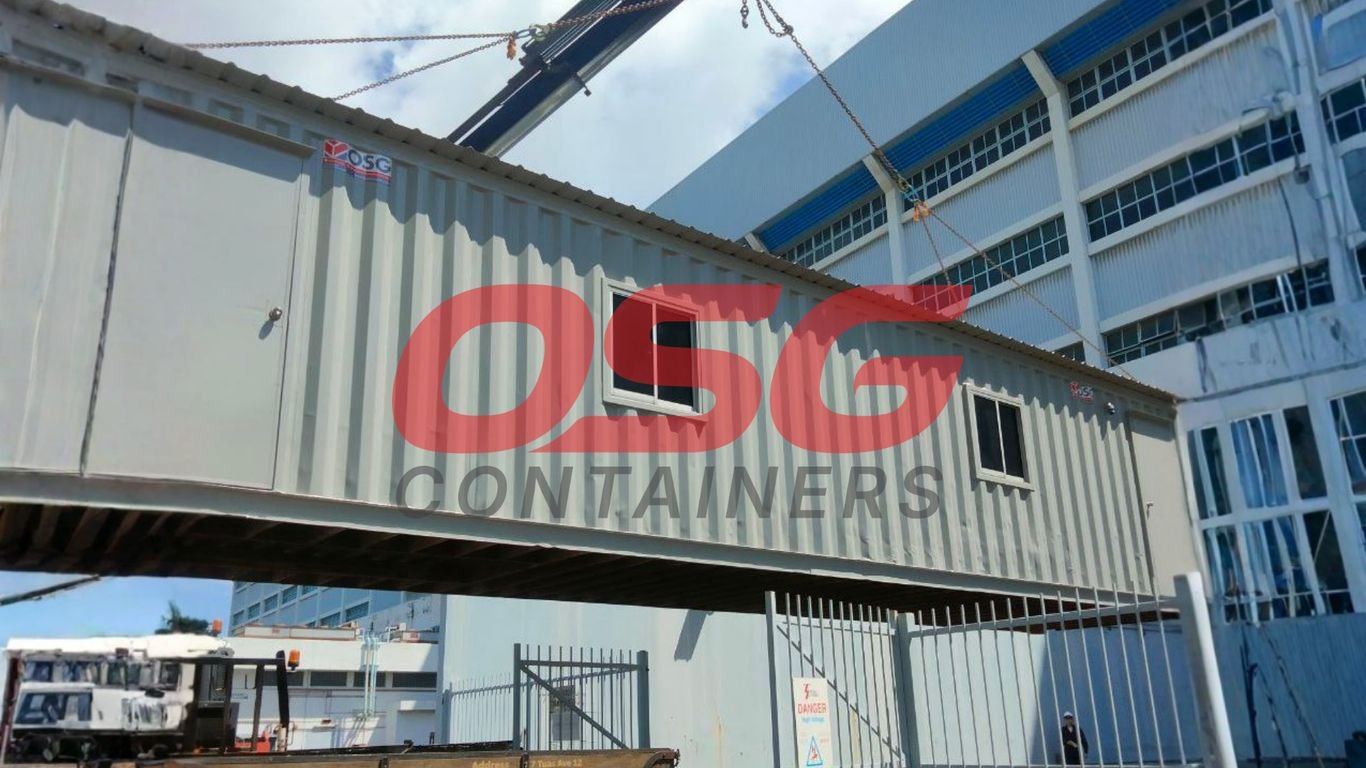
Standard shipping containers are pretty common, right? They move goods all over the world. But sometimes, you need just a little more space. That’s where the container high cube comes in. It’s got that extra foot of height, and honestly, it can make a surprisingly big difference for shipping, storage, or even when you want to build something cool with it.
Key Takeaways
- A container high cube offers an extra foot of height compared to standard containers, giving you more vertical space.
- This extra height is great for fitting taller items, improving packing efficiency, and making conversions more comfortable.
- High cube containers are a good choice for projects needing more headroom, like offices or workshops, and can accommodate things like plumbing or electrical wiring more easily.
- While they offer more space, high cube containers might cost a bit more upfront and could have slightly higher heating/cooling expenses.
- Always check for potential height restrictions on your site, as that extra foot can matter for delivery and placement.
Understanding the High Cube Container Advantage
What Is a High Cube Container?
High cube containers look almost the same as standard ones, but there’s a clear difference when you step inside: they’re taller. While standard containers stand about 8 feet 6 inches high, high cube containers reach up to 9 feet 6 inches on the exterior. That single extra foot might seem small in theory, but in practice, it changes how the space functions, especially for both storage and modifications.
High cube containers come in a few common sizes:
| Container Type | Length | Width | Height (Exterior) |
|---|---|---|---|
| 20ft High Cube | 20ft | 8ft | 9ft 6in |
| 40ft High Cube | 40ft | 8ft | 9ft 6in |
| 45ft High Cube | 45ft | 8ft | 9ft 6in |
There’s more room to stack, store, or build.
The Extra Foot of Height Explained
That extra height isn’t just a marketing gimmick—it’s a real change in usable space. Here’s what you actually get from the extra foot:
- Better head clearance for walking or moving tall objects
- Enough vertical room for high shelving and tall racks
- The ability to load cargo that wouldn’t otherwise fit
One foot higher means less time spent playing cargo Tetris and more efficient use of space for everything from retail inventory to industrial equipment.
Standard vs. High Cube: Key Dimensional Differences
If you’re trying to decide which container style is right, it’s easiest to see the numbers side-by-side:
| Type | Door Height | Interior Height | Typical Cubic Capacity |
|---|---|---|---|
| Standard (40ft) | 7ft 5in | 7ft 10in | ~2,390 cu ft |
| High Cube (40ft) | 8ft 5in | 8ft 10in | ~2,690 cu ft |
Differences you’ll actually notice:
- High cubes allow for taller items and better movement inside, especially for anyone spending long periods working or sorting in the container.
- You can fit an extra layer of goods—think one more row of stacked boxes, or extra vertical shelving.
- Taller interior space makes conversions (like offices or pop-ups) less claustrophobic and easier to customize.
So, whether you’re stacking pallets, building out a workshop, or just want to avoid hitting your head, the high cube version gives you more wiggle room without changing the container’s footprint on the ground.
Maximizing Cargo Space with High Cube Containers
So, you’ve got stuff to move or store, and you’re looking at containers. Standard ones are fine for a lot of things, but sometimes, you just need more room. That’s where the high cube container really shines. It’s not just a little bit bigger; that extra foot of height can seriously change how much you can fit and how you use the space.
Accommodating Oversized and Tall Items
This is probably the most obvious benefit. If you’re shipping things that are just a bit too tall for a regular container, a high cube is your answer. Think industrial machinery, large furniture pieces, or even vehicles that might need that extra clearance. You won’t have to play Tetris with awkward items or worry about them getting damaged because they’re crammed in. It makes shipping bulky items much simpler.
Enhanced Packing Efficiency and Reduced Shipments
That extra foot of height isn’t just for tall items; it’s for smarter packing overall. You can often fit more into a high cube than you might expect. This means you might be able to consolidate your cargo into fewer containers. Fewer containers mean lower shipping costs, less handling, and generally a smoother process. It’s like finding an extra shelf you didn’t know you had.
Here’s a quick look at how much more space you get:
| Container Size | Standard Volume (approx.) | High Cube Volume (approx.) |
|---|---|---|
| 20ft | 1,172 cu ft | 1,320 cu ft |
| 40ft | 2,385 cu ft | 2,690 cu ft |
Benefits for Stacking Pallets and Shelving
When you’re organizing goods, especially in a warehouse or for storage, that extra height is a game-changer. You can stack pallets higher, or if you’re setting up shelving, you can make those shelves taller. This vertical space utilization is key to maximizing storage capacity without taking up more ground footprint. It’s especially useful if you’re planning on using racking systems or custom shelving units.
The ability to utilize vertical space more effectively is a major advantage. It means you can store more goods in the same ground area, which is a big deal for businesses managing inventory or for individuals needing extra storage.
- Stacking: You can often add an extra layer of pallets or boxes, significantly increasing capacity.
- Shelving: Taller shelves mean more storage per shelf unit, reducing the number of units needed.
- Accessibility: With more headroom, it’s often easier and safer to access items, even on higher shelves.
- Organization: The extra space can allow for better organization, making it easier to find what you need.
High Cube Containers for Conversion Projects
So, you’re thinking about turning a shipping container into something new? Maybe a workshop, a small office, or even a cool pop-up shop? That’s where the high cube container really shines. Because they’re taller than the standard ones, they give you a lot more room to work with, making conversions way easier and more comfortable.
Increased Headroom for Mobile Offices and Workshops
Imagine trying to work in a cramped space. Not fun, right? A standard container is about 8.5 feet tall, but a high cube gives you an extra foot, bringing it to about 9.5 feet. This extra height is a game-changer for mobile offices or workshops. You can actually stand up straight without hunching over, and there’s more space to run electrical wiring, install ventilation, or even add a small loft area if you need it. It just feels less like a box and more like a real room. If you’re looking for containers for sale used, a high cube can offer a much better experience for these kinds of projects.
Facilitating Interior Upgrades and Utilities
When you’re converting a container, you often need to add things like plumbing, electrical systems, or insulation. The extra height in a high cube container makes this a lot simpler. You have more space above to hide pipes or wires, or you can build a slightly raised floor to run utilities underneath without sacrificing too much headroom. This means your finished space looks cleaner and more professional. It’s a big reason why many restaurants or cafes built from containers opt for the high cube. Finding used freight containers for sale that are high cube can save you a lot of hassle down the line.
Versatility for Retail Pop-Ups and Restaurants
That extra foot of height really opens up possibilities for businesses. For retail pop-ups, it means you can create a more open and inviting atmosphere. You can install higher shelving, better lighting, or even a small counter area without feeling cramped. For restaurants, it allows for more comfortable seating, better kitchen ventilation, and a more pleasant dining experience for customers. It’s amazing what that extra bit of vertical space can do. When you’re browsing used containers for sale, don’t overlook the high cube option if you’re planning any kind of commercial conversion.
The extra height in a high cube container isn’t just about fitting more stuff; it’s about creating a more functional, comfortable, and appealing space. For conversion projects, this seemingly small difference can have a huge impact on the usability and final look of your transformed container.
Choosing Between Standard and High Cube
Picking the right container isn’t just about length—height is a big deal too. Depending on what you’re planning, the little differences between a standard and a high cube can really change the game.
When a Standard Container Suffices
Sometimes, a standard container is exactly what you need. Go with a standard container if your cargo is average in size or if you’re storing things that don’t stack particularly high. Here are a few clear situations when the standard size makes sense:
- Your container will sit somewhere with low clearance, like under trees, power lines, or inside a warehouse.
- You’re mainly storing boxes, tools, small machines, or just need short-term, affordable storage.
- Budget is your main concern, or you want the most common size available to avoid waiting around.
- You don’t need the extra height for walking space or standing shelves.
With standard containers, you’re keeping your costs down and avoiding height headaches if delivery spots are tight.
When the High Cube Container is the Smarter Choice
If you’ve got taller items or want more flexibility with your space, high cube containers may be worth the extra cost. Here’s when they really shine:
- You want to use tall shelving units, stand up large equipment, or stack more pallets vertically.
- You’re converting the container into something livable or workable, like an office, pop-up shop, or even a restaurant.
- Interior upgrades like insulation or plumbing need a bit of extra room above and below.
- You’re thinking about comfort—no one likes ducking every time they walk in!
The extra foot of height in a high cube doesn’t sound like much, but it makes working inside and modifying the space a whole lot easier.
Common Measurements Comparison
| Container Type | Length (ft) | Width (ft) | Height (ft) | Volume (cu ft) |
|---|---|---|---|---|
| Standard | 20/40 | 8 | 8’6" | 1,170/2,390 |
| High Cube | 20/40 | 8 | 9’6" | 1,320/2,694 |
Considering Height Restrictions and Site Access
Before you decide, think about more than just what’s going inside. Delivery and setup matter too:
- Are there low bridges, trees, or overhead wires where the container needs to travel?
- Will the extra height put you over legal road limits in your area?
- Is there enough space on-site to safely open taller doors or maneuver the container?
If space around the site is tight or you’re not sure what will fit, it helps to take some careful measurements or even visit the location.
At the end of the day, focusing on how and where you’ll use your container saves you money and avoids headaches later on.
Practical Considerations for High Cube Containers
So, you’re thinking about going with a high cube container. That extra foot of height is pretty sweet, right? But before you jump in, let’s chat about a few things to keep in mind. It’s not always just about fitting more stuff; there are some other factors that might pop up.
Weight and Structural Differences
While the extra height is great, it does mean a bit more steel is involved. This can translate to a slightly higher container weight compared to its standard sibling. It’s usually not a massive difference, but for some very specific, weight-sensitive transport situations, it’s worth noting. Most of the time, though, this extra bit of metal just adds to the overall sturdiness, which is a good thing.
Potential for Higher Operational Costs
Okay, so this is where things can get a little more involved. If you’re planning to heat or cool the space inside your high cube container, you’re going to be dealing with a larger volume of air. That means your heating or cooling system might have to work a bit harder, potentially leading to slightly higher energy bills. It’s not a deal-breaker for most, but it’s something to factor into your budget, especially for long-term use.
Also, when you’re converting a high cube, that extra foot of height can sometimes mean using full sheets of drywall plus a little extra to cover the walls. This can add a bit to material costs and the time it takes to finish the interior. It’s a small detail, but it adds up.
Remember, the initial purchase price of a high cube container might be a little more than a standard one, simply because there’s more material. But this is often balanced out by the increased utility and space you get.
Availability and Lead Times
High cube containers are super popular, but they aren’t quite as common as the standard height ones. Depending on where you are and what size you need (20ft, 40ft, etc.), you might find that availability is a bit more limited. This could mean you need to plan ahead a little more and potentially wait a bit longer to get your hands on one. It’s always a good idea to check with your supplier about lead times, especially if you have a tight deadline for your project.
Here’s a quick rundown of what to consider:
- Weight: Slightly heavier due to more steel.
- Climate Control: Potentially higher energy costs for heating/cooling.
- Interior Finishing: May require more materials for wall coverings.
- Acquisition: Might require more advance planning due to availability.
- Delivery: Always double-check site access for the extra height, especially near power lines or trees. Your supplier should help you with this.
While these points are worth thinking about, most people find that the benefits of the extra space in a high cube container far outweigh these minor considerations. It really comes down to what you plan to do with it.
Real-World Applications of High Cube Containers
So, we’ve talked a lot about why high cube containers are great, but let’s look at some actual examples of how people and companies are using them. It’s not just about shipping stuff anymore; these things are becoming pretty versatile.
Puma’s Innovative Retail Spaces
Puma has gotten creative with shipping containers, turning them into pop-up shops. They’ve used these containers, often painted in their signature red, to create unique retail experiences. Imagine walking into a store that’s literally a converted shipping container – it’s a cool way to grab attention, especially for events like the World Cup where they’ve set up soccer-themed shops.
Uniqlo’s Sustainable Pop-Up Shops
Uniqlo, the clothing giant, has also jumped on the container trend. They’ve used upcycled shipping containers for their pop-up stores. This approach not only offers a flexible retail space but also ties into a more sustainable way of doing business. It’s a smart move for temporary retail needs, giving customers a unique shopping experience.
Richard Chai’s Unique Store Designs
Fashion designer Richard Chai has also embraced shipping containers for his retail spaces. By using these upcycled units, he’s created distinctive and eye-catching stores. This trend shows how containers can be more than just storage; they can be a statement piece for brands looking for something different and potentially eco-friendly.
It’s pretty neat how these big metal boxes are being transformed. They’re not just for hauling goods across the ocean anymore. Brands are finding ways to make them work as temporary shops, event spaces, and more. The extra height really seems to make a difference in how usable they are for these kinds of projects.
So, What’s the Takeaway?
Look, the extra foot of height on a high cube container might not sound like much, but it really can make a difference. Whether you’re trying to fit in some awkwardly tall equipment, need a bit more headroom for a workspace, or just want to pack more efficiently, that extra space is a big deal. Sure, it might cost a little more upfront, and you have to think about things like power lines, but for many projects, the benefits totally outweigh the small drawbacks. It’s all about figuring out what you need to do and then picking the container that helps you get it done.
Frequently Asked Questions
What exactly is a high cube container?
A high cube container is like a regular shipping container, but it’s taller! It gives you an extra foot of height, which can be super helpful for fitting more things or for projects where you need more headroom.
How much taller is a high cube container compared to a standard one?
A standard container is usually about 8 feet 6 inches tall. A high cube container adds about a foot to that, making it around 9 feet 6 inches tall on the outside. That extra foot inside can make a big difference!
Why would I choose a high cube container over a standard one?
You’d pick a high cube if you need to store tall items, stack things higher, or if you’re turning the container into a room like an office or workshop where you’ll need more space to stand comfortably. It’s great for maximizing storage space.
Can I fit more stuff in a high cube container?
Yes, definitely! That extra foot of height means you can pack more efficiently. You might be able to fit an extra layer of goods or taller items that wouldn’t fit in a standard container. It can even mean using fewer containers for the same amount of stuff.
Are high cube containers more expensive than standard ones?
Generally, yes, they cost a bit more because they use more material. Also, if you’re converting one, things like drywall might cost a little extra because the walls are taller. But the extra space can often save you money in other ways, like needing fewer shipments.
Are high cube containers hard to deliver or place?
They can be slightly trickier if you have height limits, like low bridges or power lines. It’s always a good idea to check your location’s restrictions before ordering. But for most places, the delivery is similar to a standard container.


