
Creative Uses for Shipping Containers in Education
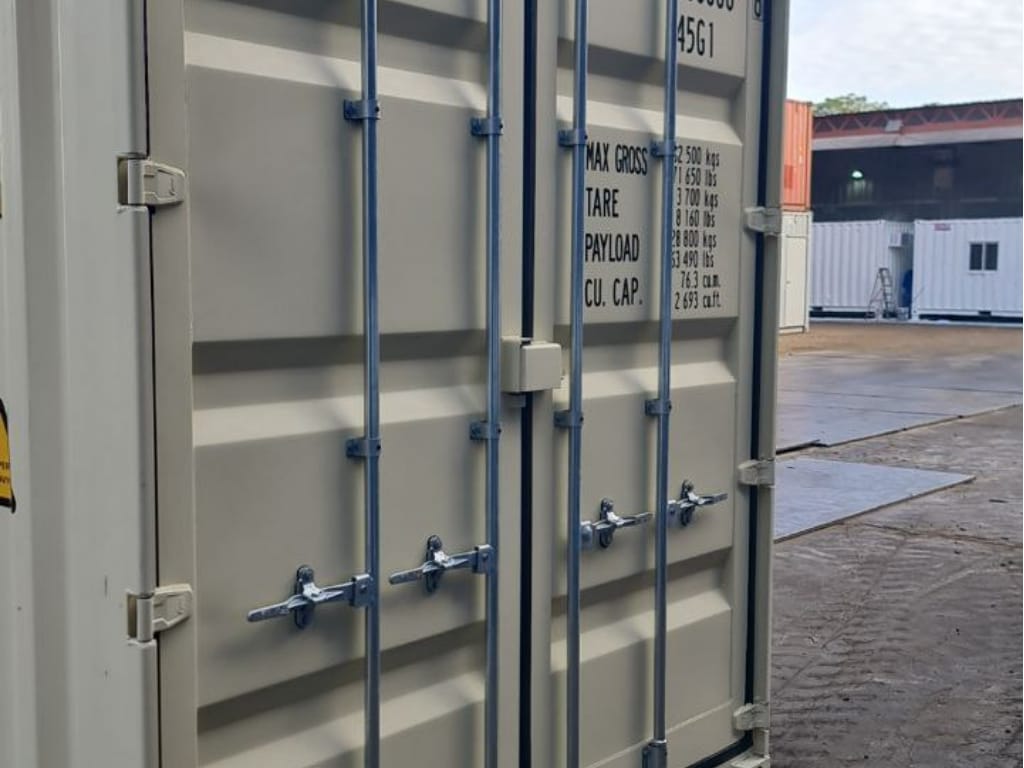
In recent years, shipping containers have gained popularity beyond their traditional role in transportation and storage. Their unique structure, durability, and affordability make them an innovative solution for various sectors, including education. Schools and educational institutions are increasingly recognizing the potential of repurposed shipping containers to create dynamic learning environments. Here are some creative uses for shipping containers in education.
1. Classrooms on the Go
One of the most direct applications of shipping containers in education is transforming them into mobile classrooms. These repurposed containers can be equipped with desks, whiteboards, and technology, providing a flexible learning environment. Schools can place these mobile classrooms in underserved areas or use them for field trips, outdoor lessons, or temporary classrooms during renovations. Their mobility allows educational programs to reach more students, creating opportunities for diverse learning experiences.
2. Art Studios and Workshops
Shipping containers can be converted into creative spaces for art education. Schools can use them as dedicated art studios, complete with ventilation, natural light, and storage for supplies. These container studios can host various art classes, from painting and sculpture to digital media and photography. This creative setting can inspire students and provide them with a hands-on learning experience, allowing them to explore their artistic talents in a dedicated environment.
3. Science Labs
Transforming shipping containers into science laboratories is another innovative use. Schools can create specialized labs for biology, chemistry, or physics, equipped with necessary instruments and safety features. These mobile science labs can travel to different schools, providing students access to advanced scientific equipment that may not be available in their home classrooms. This approach enhances hands-on learning and experimentation, fostering a deeper understanding of scientific concepts.
4. Libraries and Reading Rooms
Creating a shipping container library or reading room can significantly enhance literacy programs. A shipping container can be transformed into a cozy, inviting space filled with books, comfortable seating, and study areas. This flexible library can be placed in communities lacking access to public libraries, encouraging reading and providing a quiet space for students to study. Incorporating technology, such as e-readers or tablets, can also facilitate digital literacy and broaden access to resources.
5. Outdoor Learning Spaces
Shipping containers can serve as outdoor classrooms, providing students with unique learning experiences. These spaces can be designed for environmental education, gardening projects, or hands-on science experiments. By integrating nature into the learning environment, students can engage with their surroundings and develop a deeper appreciation for the environment. Outdoor learning spaces can also encourage teamwork, problem-solving, and creativity as students collaborate on projects.
6. Community Centers and After-School Programs
Shipping containers can be repurposed into community centers that support educational programs for students outside regular school hours. These centers can offer after-school tutoring, homework help, and enrichment activities, providing a safe and constructive environment for students. By creating community hubs, schools can engage families and promote a sense of belonging, further enhancing the educational experience.
7. Sustainable Building Projects
Incorporating shipping containers into education aligns with sustainable building practices. Schools can use these structures as part of their curriculum on sustainability, teaching students about recycling, repurposing, and environmentally friendly construction. By involving students in the design and construction of shipping container projects, schools can instill a sense of responsibility towards the environment and the importance of sustainable practices.
8. Innovation Hubs
Shipping containers can be transformed into innovation hubs or maker spaces, encouraging creativity and entrepreneurship among students. These spaces can be equipped with tools, technology, and resources for students to develop projects, prototypes, and start-up ideas. By fostering an entrepreneurial spirit and providing hands-on experience, schools can prepare students for future challenges and opportunities in the workforce.
Conclusion
The creative uses of shipping containers in education are virtually limitless. From mobile classrooms and art studios to science labs and community centers, these versatile structures can enhance the learning experience for students. By embracing innovative solutions like shipping containers, educational institutions can create engaging, flexible, and sustainable environments that meet the diverse needs of their students. As we look to the future of education, repurposed shipping containers represent a unique opportunity to redefine traditional learning spaces and foster creativity, collaboration, and community engagement.