
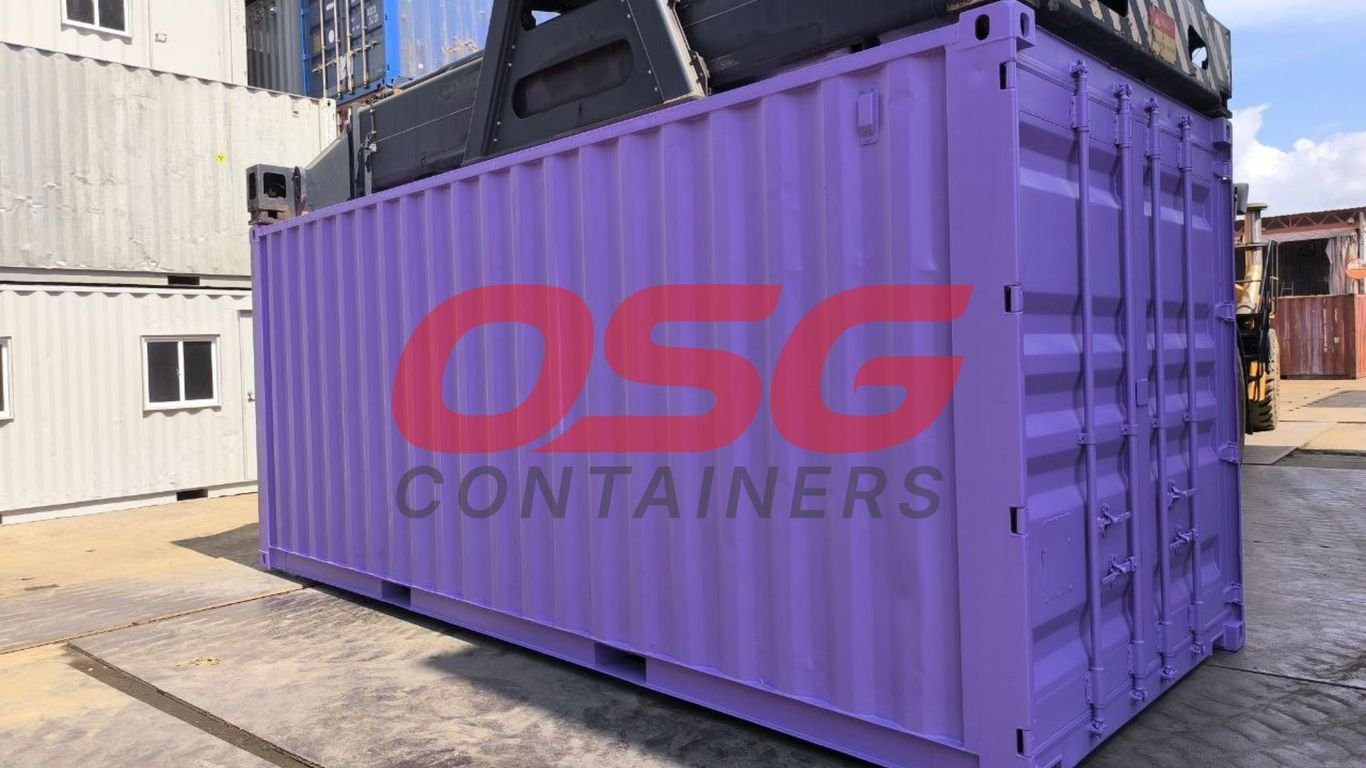
You see them everywhere, right? Those big metal boxes stacked high on ships, trains, and trucks. They’re pretty much the backbone of getting stuff from one side of the planet to the other. We’re talking about shipping containers, and there’s one size that really rules the waves: the 40ft container. It’s not just a random size; it’s become the go-to for a lot of reasons, mostly because it’s a good balance of carrying a lot without being too much of a hassle to move around. Let’s break down why this particular gp container is so darn popular.
Key Takeaways
- The 40ft gp container is the most common size used in global trade, offering a good balance for shipping various goods.
- Its dimensions (roughly 40ft long, 8ft wide, 8.5ft tall) allow for significant cargo volume, making it cost-effective for larger shipments.
- Different types of 40ft containers exist, like High Cube (extra height) and specialized ones (reefers, flat racks), to suit specific cargo needs.
- Using 40ft containers leads to economies of scale, making shipping cheaper per item for businesses moving large quantities.
- Standardization of the 40ft gp container ensures it can be handled easily across different modes of transport and at ports worldwide.
The Ubiquitous 40ft GP Container Explained
You see them everywhere, right? Those big metal boxes stacked high on ships, trains, and trucks. They’re pretty much the backbone of getting stuff from one side of the planet to the other. We’re talking about shipping containers, and there’s one size that really rules the waves: the 40ft container. It’s not just a random size; it’s become the go-to for a lot of reasons, mostly because it’s a good balance of carrying a lot without being too much of a hassle to move around. Let’s break down why this particular container 40ft is so darn popular.
Why the 40ft Container Dominates Global Trade
The 40ft container is the most common size used in global trade, offering a good balance for shipping various goods. Its dimensions (roughly 40ft long, 8ft wide, 8.5ft tall) allow for significant cargo volume, making it cost-effective for larger shipments. Different types of 40ft containers exist, like High Cube (extra height) and specialized ones (reefers, flat racks), to suit specific cargo needs. Using 40ft containers leads to economies of scale, making shipping cheaper per item for businesses moving large quantities. Standardization of the 40ft container ensures it can be handled easily across different modes of transport and at ports worldwide.
Understanding the 40ft Container: A Global Trade Staple
When you picture global trade, you probably imagine big ships and even bigger boxes. The 40-foot container is that box. It’s become the standard for moving goods around the world, and for good reason. Think of it as the shipping industry’s trusty workhorse. These steel boxes are designed to be tough and fit perfectly onto ships, trains, and trucks, making the whole process of getting things from point A to point B much simpler. They are the backbone of international commerce, allowing businesses to send products across oceans efficiently. Even specialized versions like an open top container or an open-top container are built on this standard, offering flexibility for specific cargo.
Key Benefits of the 40ft GP Container
- Cost-Effectiveness: Shipping more goods in a single 40ft container reduces the per-unit shipping cost, especially for bulk items.
- Efficiency: Its standardized size means it can be easily handled by cranes and other port equipment, speeding up loading and unloading.
- Durability: Constructed from strong steel, these containers protect cargo from harsh weather and the rigors of transit.
- Versatility: While primarily for shipping, they are also frequently repurposed for storage, offices, or even modular housing.
The 40ft container is more than just a big metal box; it’s the backbone of how we get stuff from pretty much anywhere to anywhere else. From keeping your products safe on a long sea voyage to being the foundation for a cool new building, this standard-sized container does a lot. It’s not flashy, but it’s reliable, cost-effective, and makes the whole world feel a little smaller when it comes to trade.
If you’re looking to buy a used shipping container, the 40ft GP is often a great option due to its availability and versatility. Many companies offer a shipping container used for sale, making it accessible for various projects beyond just international shipping.
The Role of GP Containers in International Logistics
General Purpose (GP) containers are the backbone of moving stuff around the world. Think of them as the universal language for shipping. They let ships, trains, and trucks all work together without a hitch. Without this standardization, shipping would be a total mess, trying to load all sorts of weird shapes onto a boat would take forever and be super inefficient. The GP container fixes this by giving us a predictable, easy-to-handle box. This means better planning, tracking, and managing of shipments, which is a big deal for businesses that need their goods to arrive on time.
Intermodal Compatibility and Efficiency
One of the biggest wins for GP containers is how easily they can switch between different types of transport. This is called intermodal transport. You can load up a container at a factory, put it on a truck to the rail yard, then onto a train, and finally onto a ship. The cargo stays put inside the whole time. This saves a ton of time and money because you don’t have to unload and reload everything at each step. Ports and transport companies have systems built around these standard sizes, making the whole process much faster.
- Ships: Massive container ships are designed to stack thousands of these boxes.
- Trains: Rail cars are built to carry them efficiently, often multiple containers per car.
- Trucks: Special chassis are used to haul them on the road.
This ability to move between modes without repackaging is a huge efficiency booster.
Optimized Port Operations and Faster Transit
Ports are busy places, and GP containers help keep things moving. Cranes are designed to grab and lift them quickly. Because they’re all the same size and shape, port workers know exactly how to handle them. This speeds up loading and unloading ships, which means ships spend less time docked and more time sailing. Less time in port equals faster transit times for your goods. It’s a domino effect that benefits everyone in the supply chain.
The standardization of container sizes means that ports worldwide can invest in specialized equipment and train staff for efficient handling. This predictability is key to managing the sheer volume of global trade.
Global Standard for Seamless Trade
Basically, a 40ft GP container is recognized everywhere. If you ship something in one from, say, China, it can be easily accepted and moved through ports in Europe or North America. This global acceptance makes international trade much simpler. Businesses don’t have to worry about whether their container will be compatible with the destination port’s infrastructure or the shipping lines operating there. It’s a universal system that allows goods to flow across borders with fewer complications, opening up markets and making global commerce more accessible.
Security and Protection Offered by GP Containers
When you’re shipping goods, especially across long distances or international waters, keeping them safe is a big deal. That’s where GP containers really shine. Think of them as really tough metal boxes, built to handle pretty much anything the journey throws at them.
Robust Construction for Cargo Safety
These containers are made from strong steel, usually corrugated. This isn’t just for looks; it gives them a lot of rigidity. This sturdy build acts like a shield, protecting your cargo from impacts and vibrations that happen during transit. Whether it’s being loaded onto a ship, jostled on a train, or moved by a crane, the container itself absorbs a lot of the stress. It’s designed to keep your products from getting banged up or broken.
Weather Resistance and Theft Deterrence
No matter where your shipment is headed, it’s likely to face different weather conditions. Rain, sun, wind, salt spray – standard GP containers are built to stand up to all of it. The seals on the doors are pretty good at keeping moisture out, which is a lifesaver for anything sensitive to dampness. Plus, that strong steel construction and the secure locking mechanisms make it really hard for someone to just break in and steal your stuff. It’s not impossible, of course, but it’s a significant deterrent.
Damage Mitigation During Transit
Shipping involves a lot of movement. Containers are stacked high on ships, loaded onto trucks, and moved around ports. While they’re designed to be handled roughly, the container itself plays a role in protecting the contents. The steel walls and floor help to distribute weight and absorb shocks. This means that even if the truck hits a pothole or the ship rocks in rough seas, the direct force on your goods is reduced. It’s a bit like how a good helmet protects your head – it takes the brunt of the impact so your brain (or your product) stays safer.
Varieties of GP Containers for Specific Needs
So, you’ve decided a 40ft container is the way to go for your shipment. That’s usually a smart choice for moving a good amount of stuff. But here’s the thing: not all 40ft containers are exactly the same. They come in a few different types, each designed to handle different kinds of cargo. Picking the right one is pretty important to make sure your goods get there in one piece and to avoid any surprise costs or headaches.
Standard Dry Containers: The General Purpose Workhorse
This is your most common, everyday container. Think of it as the reliable sedan of the shipping world. It’s a solid, enclosed box, usually made of steel, with doors on one end. These are perfect for most general cargo that doesn’t need any special temperature control. We’re talking about things like electronics, furniture, clothing, and manufactured goods. They’re built tough to keep your stuff safe from the weather and anyone who might want to take a peek.
High Cube Containers: Maximizing Vertical Space
Now, if you’re shipping something bulky but maybe not super heavy, or if you just want to get the most out of the space you have, the High Cube is your best bet. It’s basically a standard 40ft container, but it’s about a foot taller. That extra height can really make a difference, especially for lighter, voluminous items. It’s like getting an extra shelf in your closet – suddenly, you can fit more in.
Here’s a quick look at how they stack up:
| Container Type | Approx. Internal Volume (Cubic Meters) | Max Payload (Approx. kg) |
|---|---|---|
| 40ft Standard | 67 | 30,000 |
| 40ft High Cube | 76 | 29,000 |
Specialized GP Container Options
Sometimes, your cargo is a bit more… particular. That’s where specialized containers come in. These aren’t your everyday "general purpose" boxes, but they are often based on the standard container frame and dimensions, just with modifications for specific needs.
- Refrigerated Containers (Reefers): If you’re shipping food, medicine, or anything that needs a specific temperature, you absolutely need a reefer. They’re basically mobile refrigerators with their own cooling units.
- Open Top Containers: Got something really tall that needs to be loaded from above, like heavy machinery or large pipes? An open-top container has a removable roof, usually made of a tarp. You’ll typically use a crane for loading these.
- Flat Rack Containers: These are best for really awkward, oversized, or heavy items that just won’t fit in a standard box – think boats, large construction equipment, or vehicles. They have collapsible sides and no roof, so cargo can overhang.
Picking the wrong container type can lead to damaged goods, costly delays, or even safety hazards. It’s worth taking a few extra minutes to figure out what your cargo truly needs before you commit.
Choosing the Right GP Container Size
So, you’ve got stuff to ship, and you’re looking at containers. It can feel a bit overwhelming with all the options, right? But picking the right size isn’t rocket science; it’s more about matching what you’re sending with what the container can handle. The goal is to get your goods from point A to point B without any drama, and that starts with the right box.
Assessing Cargo Volume Versus Weight
This is a big one. You need to know both how much space your stuff takes up (volume) and how much it weighs. Shipping containers have limits for both, and going over either can cause problems.
| Container Type | Approx. Internal Volume (Cubic Meters) | Max Payload (Approx. kg) |
|---|---|---|
| 40ft Standard | 67 | 30,000 |
| 40ft High Cube | 76 | 29,000 |
Understanding Container Specifications
Beyond just the size, you’ve got to think about what your cargo actually is. Is it going to melt? Freeze? Get damaged by a little bit of moisture? These are important questions that will guide you to the right type of container, not just the right size.
- Standard Dry Containers: These are your everyday, all-purpose containers. They’re great for most non-perishable items like furniture, electronics, clothing, and manufactured goods. They’re built to keep the weather out and are the most common type you’ll find.
- High Cube Containers: If your cargo is bulky but not super heavy, or if you just want to maximize every inch of space, a High Cube is the ticket. It’s the same length and width as a standard 40ft but is about a foot taller. This extra height can be a game-changer for fitting more in.
- Refrigerated Containers (Reefers): Shipping food, medicine, or anything that needs a specific temperature? You absolutely need a reefer. These are basically mobile refrigerators and come with their own cooling units.
- Open Top Containers: Got something really tall that needs to be loaded from above, like heavy machinery or large pipes? An open-top container has a removable roof, usually made of tarp. You’ll typically use a crane for loading these.
- Flat Rack Containers: For really awkward, oversized, or heavy items that just won’t fit in a standard box – think boats, large construction equipment, or vehicles. These have collapsible sides and no roof, so cargo can overhang.
Matching Shipment Needs with Container Capacity
Picking the wrong container type can lead to damaged goods, costly delays, or even safety hazards. It’s worth taking a few extra minutes to figure out what your cargo truly needs before you commit. For instance, if you have a large volume of goods that aren’t excessively heavy, like furniture or textiles, a 40ft container is often the most cost-effective choice. It allows you to ship more in one go, which generally lowers the per-unit shipping cost. Just make sure your cargo can be safely loaded and secured within the standard dimensions.
When a 40ft Container is the Ideal Choice
So, when does that big 40ft container really shine? It’s usually the best bet when you have a large volume of goods that aren’t excessively heavy. You’re looking to maximize cost-efficiency. And your cargo can be safely loaded and secured within the standard dimensions of a 40ft container. Plus, you’re shipping to locations that commonly handle 40ft containers, which is most major ports worldwide.
The Future of GP Container Logistics
The world of shipping containers isn’t just about metal boxes sitting on a ship. It’s constantly changing, and the humble GP container is right in the middle of it. Think about it: more stuff is being shipped than ever before, and we need ways to move it smarter and faster. That’s where the future comes in.
Technological Innovations in Container Design
We’re seeing some cool tech pop up. For starters, tracking is getting way better. Instead of just guessing where a container is, we’ve got GPS and IoT sensors that tell us its exact location, temperature, and even if it’s been opened. This means fewer surprises and better planning. Some specialized containers, like reefers (refrigerated units), are already doing this, reporting humidity and temperature in real-time. It’s not a stretch to think this will become standard for more GP containers too.
- Real-time tracking: Know where your stuff is, always.
- Condition monitoring: Temperature, humidity, and shock sensors help protect sensitive goods.
- Smart materials: Lighter, stronger materials could make containers more efficient.
- Automated handling: Future ports might use robots to move containers, speeding things up.
Adapting to Evolving Global Trade Demands
Global trade isn’t static, and neither are the things we ship. We’re seeing more specialized goods, like electronics that need precise temperature control, or oddly shaped items that don’t fit neatly. This means the standard GP container might need some tweaks, or we’ll see more specialized versions become common. The industry is already good at this, creating things like open-top or flat-rack containers for tricky loads. The push for faster delivery times also means we need containers that can be moved quickly between ships, trains, and trucks.
The need for speed and reliability in global trade means that container logistics must keep pace. Innovations aren’t just about making containers; they’re about making the whole system work better.
Ensuring Efficient and Safe Cargo Transport
Ultimately, the goal is to get goods from point A to point B without a hitch. This means making sure containers are secure, protected from the elements, and easy to handle. While many businesses look for shipping container sales used or used cargo containers for sale to save costs, the future will likely see a blend of new tech and reliable, refurbished units. The focus will remain on making sure cargo arrives safely, on time, and in the condition it was sent. This involves better data, smarter container designs, and smoother transitions between different modes of transport. It’s all about making the complex world of shipping a little less complicated for everyone involved.
Wrapping It Up
So, there you have it. The humble shipping container, especially the 40-footer, is really the engine that keeps global trade moving. It’s not just a big metal box; it’s a standardized system that makes shipping stuff across the world possible, affordable, and relatively safe. From general goods to special cargo, there’s a container designed to do the job. The industry keeps finding new ways to make these containers smarter and more useful, which is pretty neat. It’s a complex world out there, but these containers are a big part of why things get from here to there without too much fuss. They’re the backbone, and honestly, we probably don’t think about them enough.
Frequently Asked Questions
What exactly is a GP container?
GP stands for ‘General Purpose.’ A GP container, often called a standard dry container, is the most common type of shipping container. Think of it as a sturdy, sealed metal box designed to carry all sorts of regular goods that don’t need special temperature control. It’s the workhorse of the shipping world, built to protect your items from weather and rough handling during their journey.
Why is the 40ft size so popular?
The 40ft container is the most popular size because it offers a great balance. It can hold a lot of stuff, making shipping more affordable per item, especially for businesses sending large amounts of goods. Plus, its standard size means it fits easily onto ships, trains, and trucks, and can be handled at ports all over the world without any special fuss.
Are all 40ft containers the same?
Not quite! While they share the same basic length, width, and strength, there are variations. The most common are standard dry containers and ‘High Cube’ containers, which are a foot taller, giving you more space for bulky items. There are also specialized containers like refrigerated ones (reefers) for food or temperature-sensitive goods, and flat racks for oversized items.
How do GP containers keep my stuff safe?
GP containers are built tough, usually from strong steel. This makes them resistant to bad weather like rain and wind, and also makes it hard for thieves to break into. The solid construction helps absorb shocks during transit, protecting your cargo from getting damaged while it travels across land and sea.
What does ‘intermodal compatibility’ mean for containers?
Intermodal compatibility means a container can be easily moved between different types of transport – like from a ship to a train, and then to a truck – without having to take the goods out and repack them. The standard design of GP containers makes this switching process smooth and fast, which saves time and money in shipping.
How do I know if I need a standard or High Cube 40ft container?
It depends on what you’re shipping! If your items are mostly standard size and weight, a regular 40ft container is usually fine. But if you have items that are tall or take up a lot of space but aren’t super heavy, a High Cube container’s extra height can be really useful for maximizing the space and potentially saving you money by fitting more in.


