
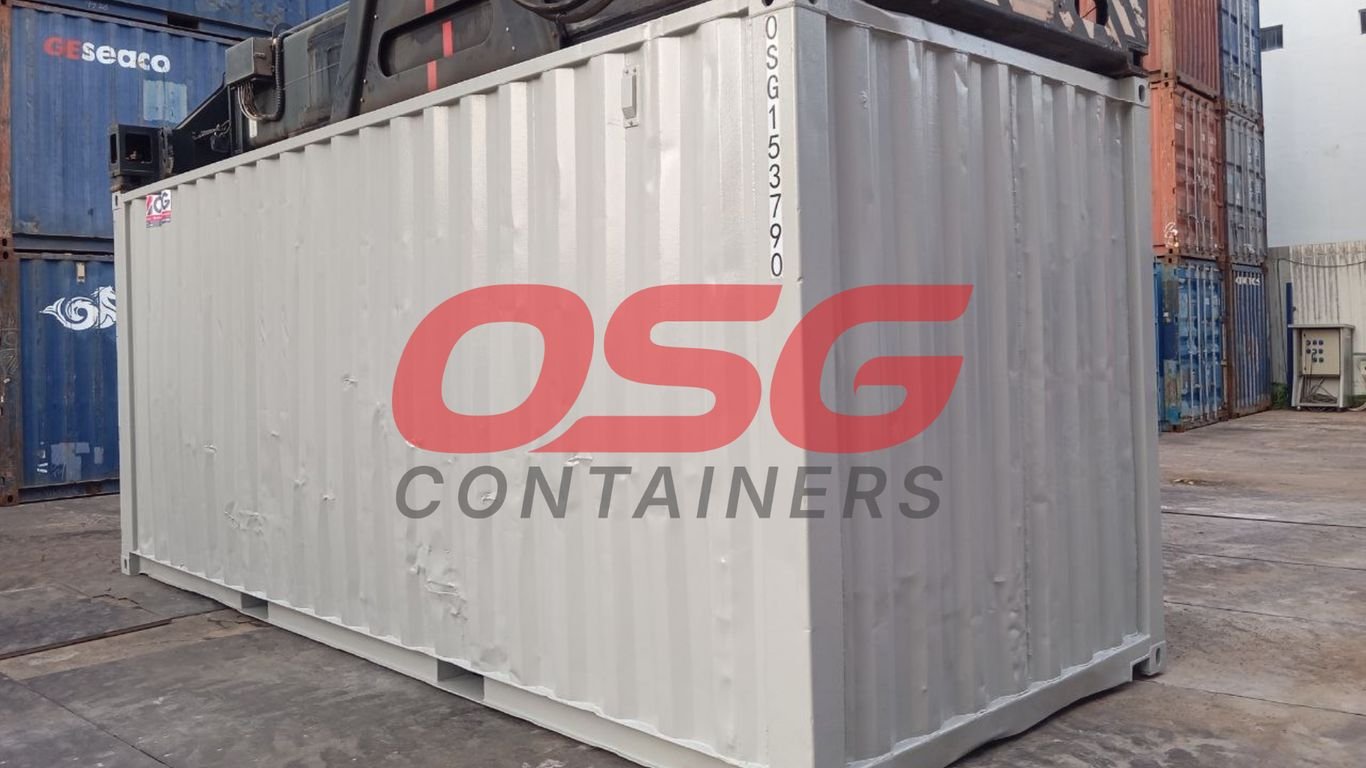
So, you’ve heard about shipping containers and how they move everything around the world. The most common one you’ll probably see is the General Purpose, or GP, container. It’s like the basic box that carries most of our stuff. But what exactly is a GP container? Let’s break down what makes these containers so useful and how they fit into the big picture of global shipping. It’s not as complicated as it sounds, really.
Key Takeaways
- A GP container, or General Purpose container, is the standard, fully enclosed box used for most dry cargo that doesn’t need special conditions.
- GP containers come in common sizes like 20-foot and 40-foot, with specific external and internal dimensions affecting how much fits inside.
- You can identify a GP container by its ISO code, often starting with ’22G’ for a 20-foot or ’42G’ for a 40-foot, and checking for physical markings.
- GP containers are ideal for dense or heavy cargo where weight is reached before volume, and they are often more readily available on shorter shipping routes.
- When deciding between a GP and a High Cube (HC) container, consider your cargo’s weight and volume; using an HC when not needed can be more expensive if you don’t use the extra height.
Understanding The General Purpose Container
What Is A GP Container?
So, you’ve seen those big metal boxes everywhere, right? On ships, trains, trucks – they’re how most of our stuff travels the globe. The most common one you’ll encounter is the General Purpose, or GP, container. Think of it as the standard, no-frills box. It’s designed for dry cargo, meaning anything that doesn’t need special climate control, like refrigeration or ventilation. These containers are fully sealed, with solid walls, a roof, and doors at one end. This setup keeps your goods protected from rain, wind, and dust during their long journeys. They’re the backbone of shipping for a huge variety of products because they’re reliable and straightforward.
Key Characteristics Of GP Containers
GP containers are built tough and simple. They’re usually made from corrugated steel, which gives them the strength to be stacked high on vessels and withstand the bumps and shakes of being moved by different transport methods. Being fully enclosed also offers a good level of security against the elements and potential theft. What really makes them so useful globally is their standardization. They’re manufactured to strict international rules, so ports and logistics companies everywhere know exactly how to handle them. This makes managing shipments across borders much easier.
Here are some of the main features:
- Material: Primarily corrugated steel for durability.
- Design: Fully enclosed with a solid roof and walls.
- Access: Typically features double doors at one end.
- Standards: Built to ISO specifications for global compatibility.
- Use: Suitable for a wide range of dry, non-perishable, and non-hazardous items.
The real magic of a GP container is its universal design. Because they all follow the same international standards, they can be moved and handled by equipment and infrastructure all over the world without any fuss. This predictability is a huge part of why they are used so much.
Ideal Cargo Types For GP Containers
Because they’re so adaptable, GP containers are a good fit for a lot of different things. If your shipment is dry, doesn’t need temperature regulation, and isn’t considered hazardous, a GP container is usually the way to go. This covers a massive amount of goods, including:
- Clothing and textiles
- Electronics and appliances
- Furniture and household goods
- Machinery and parts
- Packaged foods (non-perishable)
- Raw materials like lumber or metals
The Versatility Of The GP Container
Built For Durability And Protection
General Purpose (GP) containers are basically the tough guys of the shipping world. They’re usually made from corrugated steel, which gives them a lot of strength. This means they can handle being stacked really high on ships, bounced around on trucks, and generally put through the wringer during transit. Because they’re fully enclosed, they do a great job of keeping your stuff safe from the elements – think rain, wind, and even dust. Plus, that solid enclosure offers a decent layer of security against casual theft. It’s this robust design that makes them suitable for a huge variety of goods that just need a reliable, weather-proof box.
Standardization For Global Logistics
One of the biggest reasons GP containers are so widely used is that they’re built to strict international standards. This isn’t just some random detail; it means that ports, cranes, trucks, and trains all over the world are designed to handle these specific dimensions and features. It’s like they speak a universal language for cargo. This standardization makes moving goods between different modes of transport – like from a ship to a train, or a train to a truck – much smoother and less complicated. It’s a big part of why global trade can happen as efficiently as it does.
- ISO Standards: Most GP containers follow rules set by the International Organization for Standardization (ISO).
- Intermodal Ready: They’re designed to be easily transferred between ships, trains, and trucks.
- Global Handling: Ports and logistics hubs worldwide know how to manage them.
The beauty of the GP container lies in its predictability. When you book a shipment, you know what you’re getting: a standard-sized, durable box that the global transport network is equipped to handle without any special fuss.
Suitable For A Wide Range Of Goods
Because they’re so tough and protected, GP containers are the go-to for a massive amount of different products. If your cargo is dry, doesn’t need temperature control (like refrigeration), and isn’t considered hazardous, a GP container is probably your best bet. Think about things like:
- Clothing and textiles
- Electronics and appliances
- Furniture and home goods
- Manufactured parts and machinery (as long as they’re dry)
- Non-perishable food items like grains, canned goods, and dry pasta
- Building materials such as lumber, tiles, and insulation
Basically, if it’s not going to melt, freeze, leak, or explode, it can likely travel safely in a GP container. This broad applicability is what makes them the workhorse of the shipping industry.
Identifying Your GP Container
So, you’ve got a shipment ready to go, and you’re looking at containers. How do you actually tell if you’re dealing with a standard General Purpose (GP) container versus, say, a High Cube? It’s not always obvious just by looking, especially if you’re not around containers every day. Luckily, there are a few ways to tell for sure.
Decoding Container Codes
Every shipping container has a unique identification code stamped onto its exterior. Think of these codes like a container’s passport; they tell you its size, type, owner, and more. If you need to figure out if it’s a standard GP or something else, reading these codes is your best bet. The first four characters are the owner’s operational code, followed by a letter indicating the equipment category (like ‘U’ for freight containers). The next six digits are the serial number, and the final digit is a check digit. For a standard GP container, you’ll often see a ‘G’ in the type code, like ’22G’ for a 20-foot or ’42G’ for a 40-foot. This alphanumeric code is the most reliable way to identify the container’s specifications.
Physical Markings and Stickers
Beyond the main identification code, containers usually have a bunch of other markings. You’ll see stickers indicating maximum payload, tare weight (the container’s own weight), and maximum gross weight. There might also be CSC (Convention for Safe Containers) plates, which show the container’s safety approval and manufacturing date. While these don’t directly tell you if it’s a GP container, they provide important operational details. Always check the tare weight and maximum payload listed on the container itself to avoid overloading.
Verifying With Logistics Providers
If you’re still unsure, or if the markings are unclear, your best bet is to ask your logistics provider or freight forwarder. They deal with these containers daily and can confirm the exact type and specifications. They can also provide documentation that clearly states the container type being used for your shipment. It’s always better to confirm upfront than to discover a mismatch later on.
Knowing the specifics of your container is more than just a formality; it directly impacts how your cargo is handled, stored, and transported. A clear identification prevents mix-ups and ensures that the container meets the needs of your specific goods, especially when dealing with weight-sensitive or volume-sensitive cargo.
Here’s a quick look at typical GP container dimensions:
| Size | External Length | External Width | External Height | Internal Volume (approx.) |
|---|---|---|---|---|
| 20′ GP | 20 ft (6.1 m) | 8 ft (2.44 m) | 8.5 ft (2.59 m) | 1,172 cu ft (33.1 m³) |
| 40′ GP | 40 ft (12.2 m) | 8 ft (2.44 m) | 8.5 ft (2.59 m) | 2,385 cu ft (67.5 m³) |
GP Containers In Global Shipping
General Purpose (GP) containers are really the backbone of how stuff gets moved around the planet. They’re everywhere, and that’s a good thing for pretty much everyone involved in trade. Their biggest superpower? Standardization. Because they all follow the same international rules, these boxes can easily jump from a massive cargo ship to a rumbling train, and then onto a truck, all without needing special equipment or a lot of fuss. This ability to switch transport types, known as intermodal transport, is what keeps global logistics humming along. Think of them as the universal language for moving goods.
The Workhorse Of International Trade
GP containers are the go-to for a huge chunk of international shipments. They’re built tough and designed to handle all sorts of dry goods. Because they’re so common, you can often find them readily available, which cuts down on waiting times. If you’re looking to buy a used shipping container, the sheer volume of GP containers means there are usually plenty of options out there.
Intermodal Transport Capabilities
This is where GP containers really shine. Their design allows them to be easily loaded and unloaded from different modes of transport. This makes shipping much more efficient and cost-effective.
- Ship: Loaded onto massive container ships for ocean voyages.
- Train: Transferred to railcars for overland transport across continents.
- Truck: Moved onto flatbed trucks for final delivery to warehouses or businesses.
This flexibility is a major reason why they are so popular for moving goods across borders.
Availability and Port Stock
One of the biggest advantages of GP containers is their widespread availability. You’ll find them in most major ports and depots around the world. This means you’re less likely to face delays just waiting for a container to become available. However, it’s always a smart move to check with your logistics partner about what’s actually on hand, especially if your timing is tight. Sometimes, even with common containers, things like port congestion or a sudden surge in demand can affect how many are available. If you’re in the market for shipping container sales used, checking availability across different suppliers is key to finding a good deal on a used cargo container for sale.
When you’re looking for shipping container sales used, remember that availability can vary. It’s always best to compare options from different suppliers to find the best value and condition. Many companies specialize in selling used cargo containers for sale, so a little research can go a long way.
Choosing The Right GP Container
So, you’ve decided a General Purpose (GP) container is the way to go for your shipment. That’s a solid choice for a lot of goods. But wait, there’s a bit more to it than just grabbing the first box you see. We need to talk about sizes and how they stack up against other options, because picking the wrong one can end up costing you more than you’d think.
Understanding Standard Sizes
GP containers aren’t all one-size-fits-all, even though they’re "standard." The two main players you’ll run into are the 20-foot and the 40-foot. Think of them like different sized moving trucks – you wouldn’t try to cram a whole house into a compact car, right?
Here’s a quick look at the typical dimensions:
| Size | External Length | External Width | External Height | Approx. Internal Volume |
|---|---|---|---|---|
| 20′ GP | 20 ft (6.1 m) | 8 ft (2.44 m) | 8.5 ft (2.59 m) | 33.1 m³ |
| 40′ GP | 40 ft (12.2 m) | 8 ft (2.44 m) | 8.5 ft (2.59 m) | 67.5 m³ |
The 20-foot is often the go-to for heavier items that might fill up the container by weight before they fill it by space. The 40-foot gives you more room for lighter, bulkier stuff. It really comes down to what you’re shipping and how much of it you have.
GP vs. High Cube Containers
Now, you might also hear about "High Cube" containers. These look a lot like GP containers, but they’ve got an extra foot of height. This might not sound like much, but it can make a difference, especially if you’re shipping tall items or trying to maximize every inch of space.
Here’s a quick comparison:
| Feature | 40ft GP Container | 40ft High Cube Container |
|---|---|---|
| Usable Volume | 67.7 CBM | 76.4 CBM |
| Max Payload | 26,760 kg | 28,680 kg |
| Door Height | 2.28m (7’6") | 2.58m (8’6") |
So, if your cargo is just a little too tall for a standard GP, or if you want to squeeze in more volume, a High Cube might be worth the extra cost. But if your items fit comfortably in a standard GP, you’re probably better off sticking with that.
Cost-Effectiveness For Dense Cargo
When it comes down to it, the GP container is often the most budget-friendly option, especially for goods that are heavy. You pay for the container, not necessarily for every cubic foot of air inside. If your cargo is dense – meaning it weighs a lot for its size – a GP container is usually your best bet. You avoid paying for extra space you won’t use, which is a smart move for your bottom line.
It’s easy to think more space is always better, but that’s not always the case. For many shipments, especially those that are heavy, a standard GP container offers the best balance of cost and utility. Paying for unused volume is just throwing money away.
Always chat with your shipping provider about your cargo’s weight and dimensions. They can help you figure out if a standard GP or a High Cube, in either a 20-foot or 40-foot size, makes the most sense for your specific needs and budget.
The Significance Of GP Containers
Essential For Global Supply Chains
General Purpose (GP) containers are pretty much the backbone of how stuff gets moved around the planet. Without these standardized boxes, international trade as we know it would grind to a halt. They’re the common language of cargo, allowing goods to hop from a massive ocean vessel to a rumbling train, and then onto a truck, all without needing special equipment at each step. This ability to switch transport methods, called intermodal transport, is what keeps global supply chains humming along. They’re not just boxes; they’re the connectors that make the world’s economy work.
Optimizing Shipping Strategies
Because GP containers are so widely available and understood by every port and logistics company, they offer a predictable and often cost-effective way to ship. Planning is simpler because their dimensions and weight limits are well-known. This predictability helps businesses manage their inventory and delivery schedules more effectively. If you’re looking to move a lot of dry goods, using a GP container is usually the most straightforward approach. It cuts down on the guesswork and potential headaches.
- Predictable Dimensions: Standard sizes mean easier planning for loading and storage.
- Global Handling: Ports and carriers worldwide know how to manage them.
- Cost-Effectiveness: Often the most economical choice for many types of cargo.
- Availability: Generally easy to find, reducing wait times.
The sheer volume of GP containers in circulation means they are often the most budget-friendly option for many shipments. Their consistent nature simplifies logistics planning, and their widespread presence means less waiting around for a container to become available. For companies focused on keeping costs down and operations smooth, understanding the role of these containers is pretty important.
The 20-Foot GP Container Explained
When people talk about GP containers, the 20-foot version often comes to mind first. It’s like the Swiss Army knife of shipping – versatile and widely used. Its standard external dimensions are 20 feet long, 8 feet wide, and 8.5 feet high. Inside, you get a bit less space, usually around 19.3 feet long, 7.7 feet wide, and 7.9 feet high. This size is fantastic for smaller to medium-sized shipments, or for cargo that’s dense and heavy, where you might hit the weight limit before you fill up the whole box. It’s a solid choice for a huge variety of products that don’t need special handling.
| Feature | External Dimension | Internal Dimension | Max Payload (approx.) | Cubic Capacity (approx.) |
|---|---|---|---|---|
| 20-Foot GP | 20′ x 8′ x 8.5′ | 19.3′ x 7.7′ x 7.9′ | 28,000 kg (61,000 lbs) | 1,172 cu ft |
Wrapping It Up
So, that’s the lowdown on General Purpose containers. They’re basically the standard boxes that move a lot of the world’s stuff, especially things that don’t need any special treatment. Knowing the common sizes, like the 20-foot and 40-foot, and their basic measurements is pretty helpful. It helps you figure out if it’s the right fit for what you’re shipping, especially when you compare it to something like a High Cube container. It’s not super complicated, but picking the right container can definitely save you some headaches and money down the road. Just remember to check the details for your specific cargo.
Frequently Asked Questions
What exactly is a General Purpose (GP) container?
A General Purpose (GP) container is like the standard box used for shipping most everyday items. It’s fully enclosed, made of strong steel, and designed for dry goods that don’t need special temperature control or ventilation. Think of it as the basic, reliable shipping container you see everywhere.
What kind of stuff is best shipped in a GP container?
GP containers are great for dry, non-perishable items. This includes things like clothes, furniture, canned food, electronics, and building materials. Basically, if your cargo isn’t sensitive to weather or temperature changes, a GP container is usually a good fit.
How can I tell if a container is a GP container?
You can usually figure it out by looking at the container’s ID code, which is stamped on the outside. Standard GP containers often have a code starting with ’22G’ for a 20-foot or ’42G’ for a 40-foot. You’ll also see markings that show its size and type.
What’s the difference between a GP container and a High Cube (HC) container?
The main difference is height! A High Cube container is a bit taller than a standard GP container, giving you more space for lighter, bulky items. However, if your cargo is heavy, a GP container might be better because you’ll reach its weight limit before you fill up the extra space in an HC.
Are GP containers good for international shipping?
Yes, absolutely! GP containers are the backbone of global shipping because they are built to strict international standards. This means they can easily be moved between ships, trains, and trucks, making them super efficient for moving goods all around the world.
Why is knowing the exact size and weight limit of a GP container important?
Knowing the exact dimensions and weight limits helps you pack your cargo smartly and avoid problems. You don’t want to pay for space you don’t use, or worse, overload the container, which can lead to delays or fines. It ensures your shipment fits safely and efficiently.


