
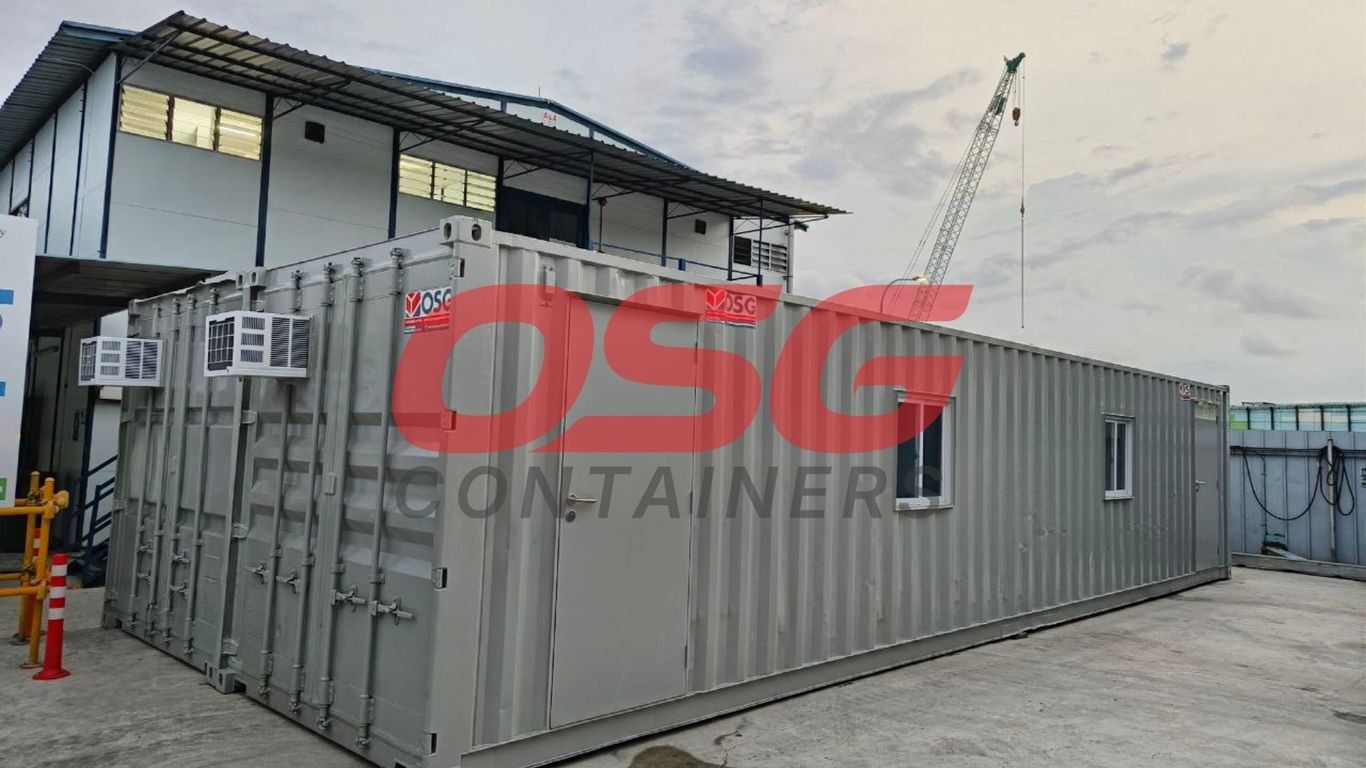
Thinking about a project, needing more storage, or planning to grow your business? You might want to look into a 40 feet container. These big metal boxes are way more than just for shipping stuff. People are using them for all sorts of things, from building houses to setting up shops. They’re strong, they’re pretty affordable, and you can do a lot with them. Let’s check out how a 40 feet container can really change the game for your plans.
Key Takeaways
- A 40 feet container provides a standard, sturdy base for many modular building projects, offering a good amount of space.
- These containers are strong, easy to move, and can be stacked or combined for bigger spaces, making them adaptable.
- You can use 40 feet containers for homes, offices, shops, or even specialized facilities, showing their broad use.
- Building with a 40 feet container is often faster and cheaper than regular construction, with less disruption.
- While there are design challenges like insulation, creative solutions and expandable designs make 40 feet containers a smart choice for many projects.
Accelerated Construction Timelines With 40 Feet Containers
Efficiency Through Off-Site Fabrication
Building with 40-foot containers is a game-changer when you need to get things up fast. A big chunk of the work happens away from your actual building site, in a factory or workshop. This means things like cutting openings for doors and windows, adding insulation, or even putting in basic plumbing and electrical can all be done before the container even shows up. It’s like getting a head start on the whole project. Because so much is pre-done, the time spent on-site is drastically cut down. You’re not waiting around for concrete to cure or for walls to be framed in the traditional sense. This off-site prep is key to shaving weeks, sometimes months, off a typical construction schedule.
Reduced On-Site Labor and Disruption
Since a lot of the heavy lifting and customization is done elsewhere, you need fewer workers on your site, and they don’t need to be there as long. This means less noise, less dust, and less traffic around your property. For businesses, this is huge because it means less interruption to your daily operations. For homeowners, it means a much less stressful building experience. Think about it: instead of months of construction chaos, you might have a few days of intense activity to place the containers and connect them. It’s a cleaner, quieter, and generally more pleasant way to build.
Faster Project Completion
Putting it all together, the result is a significantly faster path from idea to finished space. Traditional building methods can drag on for a year or more, but container projects often wrap up in a matter of months, sometimes even weeks. This speed is a major advantage for anyone on a tight deadline or looking to get a return on their investment quickly. The ability to stack, connect, and finish these standardized units so rapidly is what makes them so appealing for quick-build solutions.
The predictability and speed offered by container construction mean projects can move from planning to occupancy much faster than with conventional methods, minimizing delays and getting spaces functional sooner.
Here’s a rough idea of how much time you can save:
| Construction Type | Average Build Time |
|---|---|
| Traditional (Brick/Mortar) | 9-18 Months |
| 40ft Container | 3-6 Months |
Cost-Effective Building Solutions Using 40 Feet Containers
Lower Material and Labor Expenses
When you look at the price tag of building something from scratch, it’s easy to get sticker shock. That’s where 40-foot containers really shine. Think about it: you’re starting with a pre-made, super-strong steel box. This means you’re cutting out a huge chunk of the costs associated with traditional building materials like lumber, bricks, and concrete. Plus, since these containers are manufactured in massive quantities for shipping, their base cost is surprisingly low. This upfront saving on the primary structure is a game-changer for budgets.
On the labor side, it’s a similar story. Instead of needing a large crew to spend weeks or months framing, bricklaying, and doing all the heavy lifting on-site, container projects often require fewer workers for a shorter period. Much of the work, like cutting openings or preparing the container, can happen off-site. When the container arrives, it’s more about placement, connection, and finishing touches. This reduction in on-site hours directly translates to lower labor bills, which, let’s be honest, are usually a big part of any construction project’s total cost.
Simplified Foundation Requirements
Traditional buildings often need extensive and costly foundation work. We’re talking deep concrete slabs, complex footing systems, and lots of excavation. Shipping containers, however, are designed to be incredibly strong and to handle immense weight. Their robust steel frame distributes loads evenly. This means you can often get away with much simpler and less expensive foundation solutions. We’re talking about concrete piers, concrete pads, or even screw piles in some cases. This not only saves money but also speeds up the process because you’re not waiting for massive amounts of concrete to cure or for extensive groundwork to be completed.
Here’s a quick look at how foundation needs can differ:
| Building Type | Typical Foundation |
|---|---|
| Traditional House | Full concrete slab, basement, or crawl space |
| 40ft Container Building | Concrete piers, pad, or screw piles (site dependent) |
This simplification means less disruption to the site, less material usage, and a quicker path to getting your structure ready for habitation or use.
Predictable Budgeting and Bulk Purchasing
One of the biggest headaches in construction is budget creep. Things rarely go exactly as planned, and unexpected costs pop up. With 40-foot containers, you get a level of predictability that’s hard to match. The containers themselves are standardized, so you know exactly what you’re getting and for what price. When you decide to buy multiple containers for a larger project, you can often negotiate bulk discounts. This makes planning your expenses much more straightforward.
Planning a project with containers means you can often get a clearer picture of your core structural costs upfront. This predictability helps immensely when you’re trying to secure financing or simply manage your personal finances for a build. It reduces the guesswork and the anxiety that often comes with construction budgets.
This predictability extends to the finishing stages too. Because the container provides a ready-made shell, you have a better idea of the costs for insulation, interior finishing, and utilities. It’s not a perfect science, of course, but compared to the variables of traditional construction, container projects offer a much more stable financial outlook.
Unmatched Mobility and Relocation Capabilities
Seamless Site-to-Site Transitions
One of the biggest draws of using 40-foot containers for building is their inherent portability. Think about it: these things are designed to travel the globe, so moving them from one spot to another is what they do best. This means if your business needs to shift locations, or if a project wraps up and the structure needs to be moved, it’s not a huge ordeal. You’re not tied down to a permanent foundation in the same way you would be with traditional construction. It’s a lot simpler to pick up a container structure and set it down somewhere new.
Repurposing and Rental Opportunities
Because they’re so easy to move, 40-foot containers open up a lot of doors for repurposing and even renting out your space. Need a temporary office for a construction site? A pop-up shop for a summer festival? A container can do that. Once the event or project is over, you can simply move it to the next gig or rent it out to someone else. This flexibility means your initial investment can keep working for you in different ways over time. It’s a smart way to get more mileage out of your building.
Freedom From Fixed Locations
This mobility really gives you a kind of freedom that traditional buildings just can’t match. You can set up shop in places you might not have considered before, or quickly adapt to changing market demands by relocating your business. It’s about having the power to change your physical footprint without the massive undertaking of demolition and rebuilding. This adaptability is a game-changer for businesses and individuals who value flexibility and want to avoid being permanently anchored to one spot.
Here are some ways this mobility plays out:
- Event Spaces: Easily deployable for festivals, markets, or temporary venues.
- Temporary Offices: Quick setup for construction sites, remote work, or special projects.
- Disaster Relief: Rapid deployment of essential facilities like shelters, medical stations, or sanitation units.
- Seasonal Businesses: Move your operation to where the customers are, season by season.
The ability to relocate a 40-foot container structure means your building can adapt to your life or business needs, rather than the other way around. It’s a practical solution for a world that’s always on the move.
Versatile Applications of 40 Feet Containers
Innovative Residential Designs
Lots of folks are looking at 40 foot containers as a way to build homes these days. It makes sense, right? You get a solid structure that’s ready to go, and you can really make it your own. They’re great for smaller living spaces, perfect for one person or a couple. Plus, you can stack them up or put them side-by-side to make a bigger place if you need more room. It’s a pretty neat way to get into a home faster than you might think.
- Single Unit: Offers about 28-32 square meters of usable space, ideal for individuals or couples.
- Multi-Unit: Combine two or more units for larger homes or even small apartment buildings.
- Fast Setup: Get your living space ready in weeks, not months.
Building a home with a 40-foot container means you’re starting with a strong, pre-made shell. This cuts down on a lot of the usual construction headaches and can save you a good chunk of change.
Entrepreneurial and Commercial Ventures
Thinking about starting a business or need a unique spot for your company? 40 foot containers are surprisingly good for this. You can turn them into pop-up shops, cafes, or even small offices. They’re easy to move if you need to change locations, and they definitely stand out from the usual storefronts. It’s a cost-effective way to test out a new business idea or set up a temporary base.
- Retail Kiosks: Perfect for markets, festivals, or busy street corners.
- Pop-Up Eateries: Test a food concept without a huge commitment.
- On-Site Offices: Provide a dedicated workspace for projects in remote areas.
- Event Booths: Create an eye-catching and secure space for trade shows.
Specialized Facilities for Education and Healthcare
Beyond homes and shops, 40 foot containers are also being used for more specialized needs. Think about temporary classrooms for schools that need extra space, or mobile clinics for healthcare services in areas that don’t have many facilities. They can be fitted out with whatever is needed, like desks, medical equipment, or labs. Their ability to be deployed quickly makes them a great option when there’s an urgent need for space. It’s a practical solution for providing important services where they’re needed most.
- Classrooms: Add extra learning space to schools quickly.
- Medical Clinics: Set up temporary health centers in underserved areas.
- Research Labs: Create controlled environments for scientific work on-site.
- Storage: Secure, weatherproof storage for equipment or supplies.
Addressing Design Challenges in Container Construction
Working with 40-foot containers for building projects is pretty straightforward in many ways, but like anything, there are a few hurdles you’ll need to jump over. The main things people bump into are making the space feel comfortable and livable, especially when it comes to temperature and light. It’s not just about plopping a container down; you’ve got to think about how people will actually use the space day in and day out.
Optimizing Narrow Interior Layouts
The inside of a 40-foot container is about 7.7 feet wide. That’s not a lot of room to spread out, especially if you’re trying to create a home or a functional office. Making the most of this limited width is key to a successful container build. You can’t just throw in standard furniture and expect it to work. Think smart: built-in storage that uses vertical space, furniture that folds away when not in use, and clever room dividers can make a big difference. Sometimes, the best approach is to connect two or more containers side-by-side to get a wider, more open feel. It really comes down to planning every inch.
Here are some ways to make narrow spaces work:
- Multi-functional Furniture: Opt for items like sofa beds, drop-leaf tables, or ottomans with storage. This lets you change the room’s purpose throughout the day.
- Vertical Storage Solutions: Install shelves, cabinets, and racks that go up the walls. This frees up floor space and keeps things tidy.
- Strategic Layouts: Arrange furniture to create distinct zones for living, working, or sleeping, even within a single room. Use rugs or different paint colors to define these areas.
- Combining Units: If possible, join multiple containers to create wider, more open floor plans. This is the most effective way to overcome the inherent narrowness.
Making a container feel less cramped often comes down to smart layout decisions and sometimes just adding more windows or using light colors inside. It’s about tricking the eye into perceiving more space than is actually there.
Effective Thermal Insulation Strategies
Steel containers are basically giant metal boxes, which means they get hot in the summer and cold in the winter. Really hot and really cold. Without good insulation, your container home or office could be pretty uncomfortable and cost a fortune to heat or cool. Spray foam insulation is a popular choice because it seals up all the gaps and provides a good thermal barrier. Rigid foam boards are another option, and you can also look into natural materials like wool or recycled denim for a more eco-friendly approach. Don’t forget about the doors and windows – upgrading to double-glazed, insulated units makes a huge difference.
| Insulation Type | Pros | Cons |
|---|---|---|
| Spray Foam | Excellent seal, good R-value | Can be expensive, requires professional install |
| Rigid Foam Boards | Easy to cut and install, good R-value | Gaps need sealing, can be brittle |
| Natural Fibers (Wool, Denim) | Eco-friendly, good R-value, breathable | Can be more expensive, may require vapor barrier |
Incorporating Expandable and Folding Designs
To really get the most out of a container, especially for smaller footprints, designers are getting creative with expandable and folding elements. Think of walls that slide out or decks that fold down. This allows you to increase your usable living or working space when you need it, and then retract it all back when you’re done or need to move. It’s like having a small, efficient space that can magically grow when company comes over or when you want to enjoy the outdoors. These features add a layer of flexibility that traditional buildings just can’t match, turning a simple container into a dynamic and adaptable structure.
The Strategic Advantage of 40 Feet Container Dimensions
When you’re looking at building projects, whether it’s a home, an office, or some kind of commercial space, the size of your building blocks really matters. That’s where the humble 40 feet container really shines. It’s not just about having a big box; it’s about how those dimensions work for you.
Standardized Dimensions for Simple Stacking
One of the coolest things about a 40ft container is that they’re all built to pretty much the same specs. This isn’t by accident. It means when you’re stacking them up or putting them side-by-side, they fit together like LEGO bricks. This standardization makes planning and construction way simpler. You don’t have to worry about custom fitting each piece. It’s all designed to work together, which speeds things up and cuts down on headaches.
- Predictable Fit: Every 40 footer is designed to align with others.
- Structural Integrity: Stacking is straightforward, relying on the container’s inherent strength.
- Logistical Ease: Standard sizes make transport and placement much easier to manage.
Optimal Usable Area for Diverse Projects
A 40 feet container gives you a good chunk of space to work with. We’re talking about a lot more room than you’d get with a smaller unit. This extra length and width mean you can actually do more with the interior. You can create separate rooms, have a decent-sized kitchen and bathroom, or set up a workspace without feeling totally cramped. It’s a sweet spot – big enough for most needs but still manageable.
Here’s a quick look at what you get:
| Size | Length (ft) | Width (ft) | Height (ft) | Interior Volume (cu ft) |
|---|---|---|---|---|
| 40ft | 40 | 8 | 8.5 | ~2,350 |
| 40ft High Cube | 40 | 8 | 9.5 | ~2,590 |
The 40-foot container strikes a balance, offering significantly more usable space than its 20-foot counterpart without becoming unwieldy for transport or site placement. This makes it a go-to for projects needing more than just basic shelter.
Value Proposition Over Smaller Units
While a 20-foot container might seem cheaper at first glance, when you really break it down, the 40 feet container often makes more sense. You get double the space, sometimes a bit more with the high cube versions, for not quite double the price. This means your cost per square foot is usually lower. Plus, using fewer 40 footers instead of multiple smaller ones simplifies the whole process – fewer foundations, less connecting work, and easier overall management. It’s often more economical to use one large container than two small ones for similar space requirements.
Wrapping It Up
So, we’ve seen how these big metal boxes, the 40-foot containers, are really shaking things up in the building world. They’re not just for shipping anymore, that’s for sure. They offer a way to build stuff faster and often for less money than you might think. Plus, the fact that you can move them around or add more later makes them super flexible. Whether you need a place to live, a spot for your business, or just extra storage, these containers can be made to work. While they aren’t perfect for every single situation, and you do have to think about things like insulation, they’re a solid option for anyone looking for a smart, adaptable building solution. If you’ve got a project in mind, definitely give the container route a good look.
Frequently Asked Questions
What makes 40-foot containers good for building things quickly?
These containers are like building blocks that are made in a factory. This means a lot of the work is already done before they even get to your building site. They can be stacked and connected easily, which saves a ton of time compared to building with bricks and wood. Many projects can be finished in just weeks!
Are container buildings cheaper than regular houses or offices?
Yes, often they are! Since less labor is needed on-site and materials are standardized, the costs go down. You also often need simpler and less expensive foundations because the container’s strong frame spreads the weight evenly. This can make building much more affordable.
Can I move a building made from a 40-foot container?
Absolutely! One of the coolest things about container buildings is their mobility. If you need to move your shop, office, or even home to a new spot, you can often just pick it up and transport it. This is great if your business might change locations or if you just want the freedom to move.
What kinds of buildings can be made from 40-foot containers?
You can make almost anything! People use them for homes, apartments, offices, stores, cafes, classrooms, and even special medical clinics. Their size and strength make them super adaptable for many different uses, from living spaces to business spots.
Is it hard to make the inside of a container feel spacious and comfortable?
It can be a little tricky because containers are long and narrow. But designers get creative! They use smart furniture that folds or has multiple uses, build storage into the walls, and sometimes combine multiple containers to make bigger rooms. Good insulation is also key to keep the temperature just right.
Why is a 40-foot container often better than a smaller 20-foot one for building?
A 40-foot container gives you a lot more space, often enough for a whole living area, kitchen, and bathroom in just one unit. It’s usually more cost-effective per square foot, and you need fewer connections between containers, which means less complex and expensive building work.