
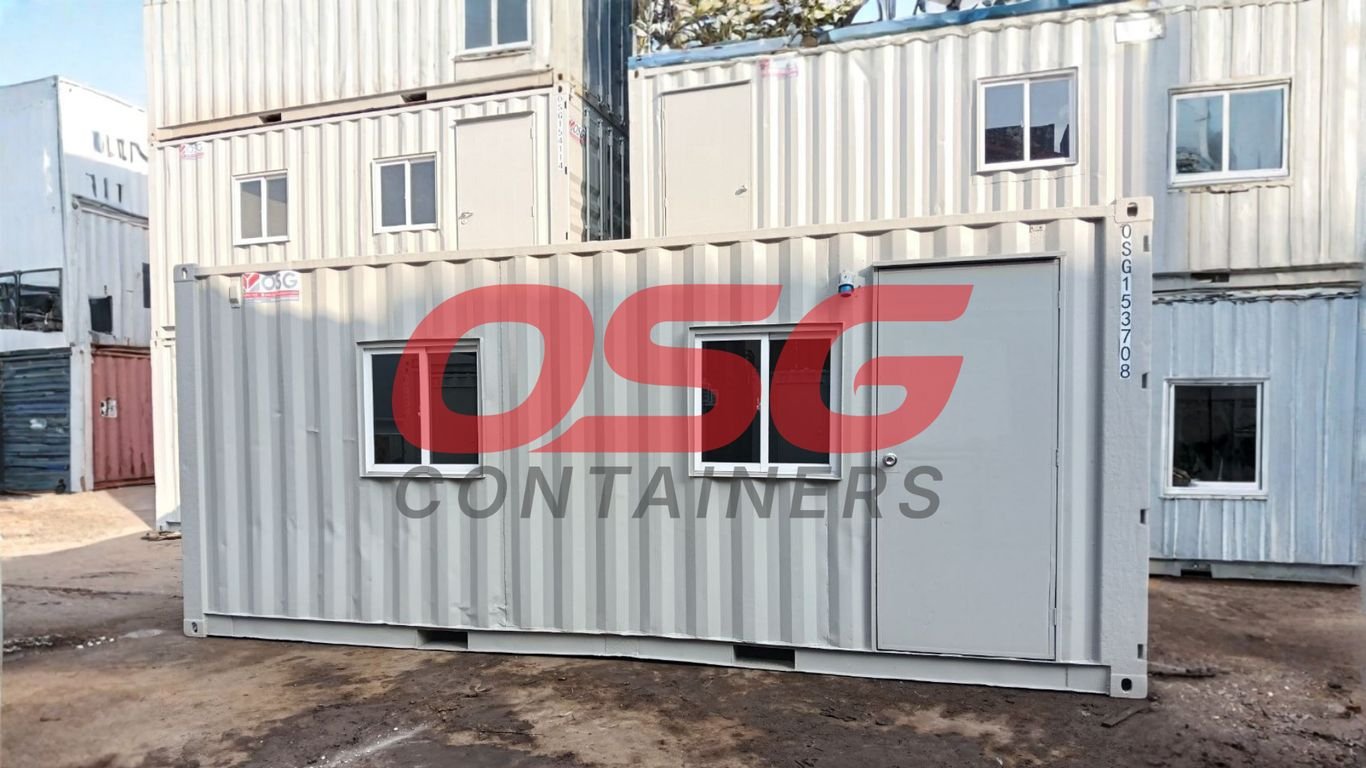
So, you’ve probably seen those big metal boxes on ships or trucks and wondered what they’re all about. Well, some of them are a bit taller than others, and that extra height makes a big difference. These are called high cube sea containers, and they’re pretty handy for all sorts of things, from shipping stuff across the ocean to just storing it on your property. Let’s dive into why these containers are so useful and how they can help you out.
Key Takeaways
- High cube sea containers offer an extra foot of height compared to standard containers, making them great for bulky items and maximizing storage space.
- Common sizes include 20-foot and 40-foot high cube options, which are popular due to their large internal volume and ease of handling.
- These containers are versatile, serving well for shipping tall cargo, on-site storage, and even as a base for custom projects like offices or workshops.
- Built from durable Corten steel with plywood flooring, high cube containers are designed for longevity and practical use in various environments.
- When choosing a high cube sea container, consider your specific needs for cargo, modifications, and whether buying new, used, or renting is the best option.
Understanding High Cube Sea Container Dimensions
The Advantage of Extra Height
When you look at a high cube sea can, the first thing you’ll notice is that it’s a bit taller than the standard shipping containers you might be used to seeing. This extra height, typically a full foot more than a regular container, makes a big difference, especially when you’re dealing with bulky items or need more headroom for your project. It’s not just about fitting more stuff in; it’s about making the space inside more usable.
Common High Cube Container Sizes
Just like their standard counterparts, high cube containers come in a few popular lengths. The most common ones you’ll find are the 20-foot and 40-foot versions. You might also see 45-foot models. The 20-foot sea container, often called a 20ft sea container or a 20foot container, is a workhorse for many applications, offering a good balance of size and maneuverability. The 40-foot version gives you double the length, which is great for larger shipments or bigger storage needs.
Here’s a quick look at typical external dimensions for these popular sizes:
| Container Size | Length (approx.) | Width (approx.) | Height (approx.) |
|---|---|---|---|
| 20ft High Cube | 20 feet | 8 feet | 9.5 feet |
| 40ft High Cube | 40 feet | 8 feet | 9.5 feet |
Keep in mind that internal dimensions will be slightly less due to the container walls.
Comparing High Cube to Standard Containers
The main difference boils down to that extra foot of height. A standard container is usually about 8 feet 6 inches tall, while a high cube reaches 9 feet 6 inches. This might not sound like much, but it adds significant volume. For example, a 20ft high cube container can hold considerably more than a standard 20ft container. This extra space is a game-changer for storing tall items, creating more comfortable workspaces, or even for architectural designs that require more vertical clearance.
The added height in a high cube container isn’t just for show; it directly translates to more usable space, making it a more efficient choice for many storage and modification projects compared to standard containers.
Maximizing Space with High Cube Containers
So, you’ve got stuff to move or store, and you’re looking at containers. Standard ones are fine for a lot of things, but if you’re dealing with anything bulky, tall, or just a whole lot of items, a high cube container really changes the game. It’s not just a little bit taller; that extra foot makes a surprising difference.
Ideal for Bulky and Tall Cargo
Think about machinery, large equipment, or even vehicles. Standard containers can be a tight squeeze, sometimes requiring awkward loading or even preventing certain items from fitting at all. High cube containers offer that crucial extra vertical space. This means you can often load taller items upright, reducing the need for disassembly or special handling. It’s also a lifesaver for things like stacked furniture, large art pieces, or specialized industrial gear that just won’t fit in a regular container.
Increased Storage Capacity
That extra height isn’t just for tall things. It translates directly into more overall storage volume. For a 20-foot high cube, you’re looking at roughly 2,694 cubic feet of space, compared to about 2,350 cubic feet in a standard 20-foot container. That’s an extra 344 cubic feet – a significant amount of room for more goods, packing materials, or simply better organization. This boost in capacity can mean fewer containers needed for a large shipment or more inventory stored on-site.
Pallet Loading Configurations
When it comes to loading pallets, the extra height in a high cube container offers more flexibility. You can often stack pallets higher, especially if your cargo allows for it and you’re using appropriate dunnage or racking. This can significantly increase the number of pallets you can fit.
Here’s a general idea of how many pallets can fit:
- 20-foot High Cube: Around 10 standard American pallets or 12 European pallets. You might be able to fit more if you can stack them safely.
- 40-foot High Cube: Typically holds about 20 standard American pallets or 23 European pallets, again with potential for more depending on stacking.
The exact number of pallets can vary a lot. It depends on the pallet size, how you arrange them, the height of the goods on the pallet, and any weight restrictions. Always plan your loading carefully to make the most of the space without compromising safety.
This ability to pack more efficiently, whether it’s tall items or more pallets, is where high cube containers really show their value. They simply let you do more with the same footprint.
Versatile Applications for High Cube Containers
So, you’ve got this extra height with a high cube container, right? It’s not just for shipping stuff anymore. People are getting really creative with these things, using them for all sorts of jobs beyond just hauling cargo.
On-Site Storage Solutions
Need a place to stash bulky equipment or materials right where the action is? High cube containers are perfect for this. Think construction sites, farms, or even just a big backyard project. They offer more room than standard containers, making it easier to get things in and out, especially if you’re dealing with taller items.
- Construction Sites: Store large tools, scaffolding, or even small machinery. The extra height means you can stack more, or just have more headroom to work when you’re grabbing what you need.
- Event Management: Keep extra seating, staging equipment, or sound systems secure and out of the weather.
- Agricultural Use: Store large bales of hay, farming equipment, or bulk supplies.
The real win here is security and accessibility. You can lock it up tight, and with that extra height, you’re not banging your head every time you reach for something.
Innovative Construction Projects
This is where things get really interesting. Architects and builders are using high cube containers as building blocks for all sorts of structures. Because they’re standardized, easy to transport, and already have a solid frame, they save a ton of time and money.
- Modular Homes: Stack them up, cut out openings, and you’ve got a surprisingly spacious and modern home.
- Pop-Up Shops and Cafes: Need a temporary retail space? A high cube container can be kitted out quickly.
- Workshops and Studios: Artists, mechanics, or hobbyists can create dedicated, secure workspaces.
Customizable Office and Workspace Conversions
Forget those cramped temporary site offices. With the extra headroom, high cube containers make for much more comfortable and functional temporary or even permanent office spaces. You can actually stand up straight and move around without feeling like you’re in a closet.
| Feature | Standard Container | High Cube Container |
|---|---|---|
| Internal Height | ~8’6" | ~9’6" |
| Added Headroom | N/A | ~1 foot |
| Comfort for Office | Limited | Good |
| Storage of Tall Items | Difficult | Easy |
These containers can be fitted with insulation, windows, doors, and even HVAC systems, turning them into fully functional offices, break rooms, or meeting spaces. It’s a practical way to get a dedicated workspace set up quickly, wherever you need it.
Key Features and Material Benefits
Durable Corten Steel Construction
High cube containers are built tough, and a big reason for that is the material they’re made from: Corten steel. This isn’t just any steel; it’s designed to weather the elements. When exposed to the environment, Corten steel forms a protective rust-like layer. This layer actually shields the underlying metal from further corrosion. This makes the container incredibly resilient, especially when it’s out on the ocean or sitting on a job site. It’s a smart material choice that means these containers can last for years, even decades, with minimal upkeep.
Corrosion Resistance for Longevity
Building on the Corten steel aspect, the inherent corrosion resistance is a major selling point. Think about it – these containers travel across oceans, endure salty air, and often sit in humid conditions. Without good corrosion resistance, they’d fall apart pretty quickly. The special alloy in Corten steel helps it develop that stable, protective patina. This means you don’t have to worry as much about rust eating through the walls or floor. It’s a big deal for both shipping applications and for any on-site use where the container might be exposed to the weather.
Plywood Flooring for Practicality
Inside, you’ll typically find a sturdy plywood floor. This isn’t just for looks. Plywood is a practical choice because it’s durable enough to handle heavy loads, like pallets stacked high with goods or pieces of machinery. It also provides a relatively smooth surface, which makes loading and unloading easier. Plus, if a section gets damaged, it’s usually easier and cheaper to replace a section of plywood flooring than it would be to repair a steel deck. It’s a simple feature, but it really adds to the container’s usability for storage and transport.
While the primary structure is built for strength and weather resistance, the interior flooring is designed with practicality in mind. It needs to support significant weight and withstand the wear and tear of frequent use, making the choice of material quite important for day-to-day operations.
Choosing the Right High Cube Container
So, you’ve decided a high cube container is the way to go. That’s great! But with different sizes and options out there, picking the perfect one can feel a bit overwhelming. Let’s break down what you need to think about.
Factors Influencing Container Selection
When you’re looking for a high cube container, it’s not just about grabbing the first one you see. You’ve got to consider what you’ll actually be using it for. Think about the size of the items you plan to store or transport. Are you moving tall machinery, bulky equipment, or even vehicles? The extra height in a high cube is a game-changer for these kinds of things. Also, consider where the container will be placed. Will it need to fit in a specific spot on a job site or in a warehouse? Measuring your available space is a smart first step.
- Cargo Dimensions: Measure the height, width, and length of your largest items.
- Intended Use: Storage, office conversion, construction site needs, etc.
- Site Limitations: Available space, access for delivery, and any local regulations.
- Budget: New vs. used, rental vs. purchase, and potential modification costs.
The extra foot of height in a high cube container might not sound like much, but it can make a huge difference in how much you can fit and how easily you can work with the space inside. It’s especially helpful for things like adding insulation, HVAC systems, or even just creating a more comfortable working environment.
New vs. Used High Cube Options
This is a big one. You can get a brand-new, "one-trip" container, which means it’s only been used once to ship goods from overseas. These are in top condition, with minimal wear and tear. They’re perfect if you need something pristine or plan on making extensive modifications. On the other hand, used containers are more budget-friendly. They’ve seen more action, so expect some dings, dents, or maybe a bit of rust. However, many used containers are still perfectly functional for basic storage needs, and a good inspection can tell you a lot about their condition.
| Container Type | Pros | Cons |
|---|---|---|
| New (One-Trip) | Excellent condition, minimal wear | Higher cost |
| Used | More affordable, readily available | Potential for cosmetic or structural wear |
Rental and Purchase Considerations
Deciding whether to buy or rent really depends on your situation. If you need a container for a short-term project, like a construction job or a temporary storage need, renting makes a lot of sense. It’s less of a commitment and you don’t have to worry about selling it later. But if you anticipate needing the container for a long time, or if you plan to modify it extensively for a permanent setup, buying might be the better long-term investment. Think about how long you’ll need it and what your future plans are before making the call.
- Rental: Ideal for short-term needs, flexible, lower upfront cost.
- Purchase: Better for long-term use, allows for permanent modifications, builds equity.
- Lease-to-Own: Some companies offer options that let you rent with the possibility of buying later, which can be a good middle ground.
Modifying Your High Cube Container
So, you’ve got a high cube container, and you’re thinking, ‘What else can I do with this thing?’ Well, you’re in luck. These containers are surprisingly adaptable. The extra height isn’t just for shipping; it opens up a whole world of possibilities for customization. Whether you need a more functional workspace or a unique storage setup, modifying your high cube container is a smart move.
Customization for Specific Needs
Think about what you really need. Is it more headroom for working inside? Or maybe you need to store taller equipment that just won’t fit in a standard container. High cube containers give you that extra foot of vertical space, which makes a big difference. You can add things like:
- Shelving units that go all the way to the ceiling.
- Workbenches that are at a more comfortable height.
- Storage solutions for long items like pipes or lumber.
- Internal partitions to create separate zones within the container.
Adding Features for Enhanced Functionality
Beyond just basic storage, you can really beef up your container’s usefulness. Need better access? Consider adding double doors or even a roll-up door on one end. Security is often a concern, so adding lockboxes or reinforced door frames is a good idea. And if you’re planning to use it as an office or workshop, insulation and ventilation become really important. Think about:
- Windows: For natural light and a less claustrophobic feel.
- HVAC Systems: To control temperature and air quality.
- Electrical Outlets and Lighting: To make it a truly usable space.
- Plumbing: For restrooms or kitchenettes.
The beauty of modifying a high cube container lies in its inherent strength and modularity. You’re starting with a robust structure that’s designed to withstand harsh conditions. This means you can cut, weld, and build onto it with a good degree of confidence, transforming it from a simple box into something tailored precisely to your requirements.
Transforming Containers into Usable Spaces
People are getting really creative with these containers. We’re seeing them turned into everything from pop-up shops and cafes to art studios and even small homes. The extra height is particularly useful for creating more open-plan living or working areas. Imagine a container office with a higher ceiling, or a retail space where you can display taller items. The possibilities are pretty much endless, limited only by your imagination and budget. It’s a practical way to get a custom-built space without the usual construction headaches.
Wrapping It Up
So, there you have it. High cube containers aren’t just taller boxes; they’re a pretty smart way to get more done, whether you’re moving stuff across the country or just need some extra room on your property. That extra foot of height really makes a difference for bulky items or when you’re building something cool like an office or workshop. They’re tough, they’re versatile, and honestly, they just make sense for a lot of different jobs. If you’ve got a lot to store or a project that needs a bit more space, these containers are definitely worth a look.
Frequently Asked Questions
What makes a ‘High Cube’ container different from a regular one?
Think of a High Cube container as a regular shipping container that got a little taller! Standard containers are usually 8.5 feet tall, but High Cube containers are a whole foot taller, reaching 9.5 feet. This extra height gives you more room for storing tall items or for projects where you need extra headroom.
Are High Cube containers good for storing big or awkward items?
Absolutely! Because they’re taller, High Cube containers are perfect for storing things that might not fit in a standard container. This includes things like large machinery, tall equipment, or even vehicles. The extra space makes packing and unpacking these items much easier.
How many pallets can fit inside a High Cube container?
It depends on the size of the container and the pallets, but generally, you can fit more pallets in a High Cube container than a standard one because of the extra height. For example, a 40-foot High Cube container can hold around 20-23 standard pallets, while a 20-foot version can hold about 10-12.
Can I use a High Cube container for something other than shipping?
Definitely! People use High Cube containers for all sorts of things besides shipping. They’re often turned into extra storage on job sites, custom workshops, portable offices, and even unique living spaces or homes. The extra height really opens up design possibilities.
What are High Cube containers made of, and are they strong?
Most High Cube containers are built from a strong type of steel called Corten steel. This material is known for being tough and resisting rust, even when left outside. They also usually come with a sturdy plywood floor, making them practical for various uses.
Should I buy a new or used High Cube container?
That’s a great question! New containers (often called ‘one-trip’) are in perfect condition but cost more. Used containers are cheaper and still very usable, but they might have some wear and tear. The best choice depends on your budget and how you plan to use the container.


