
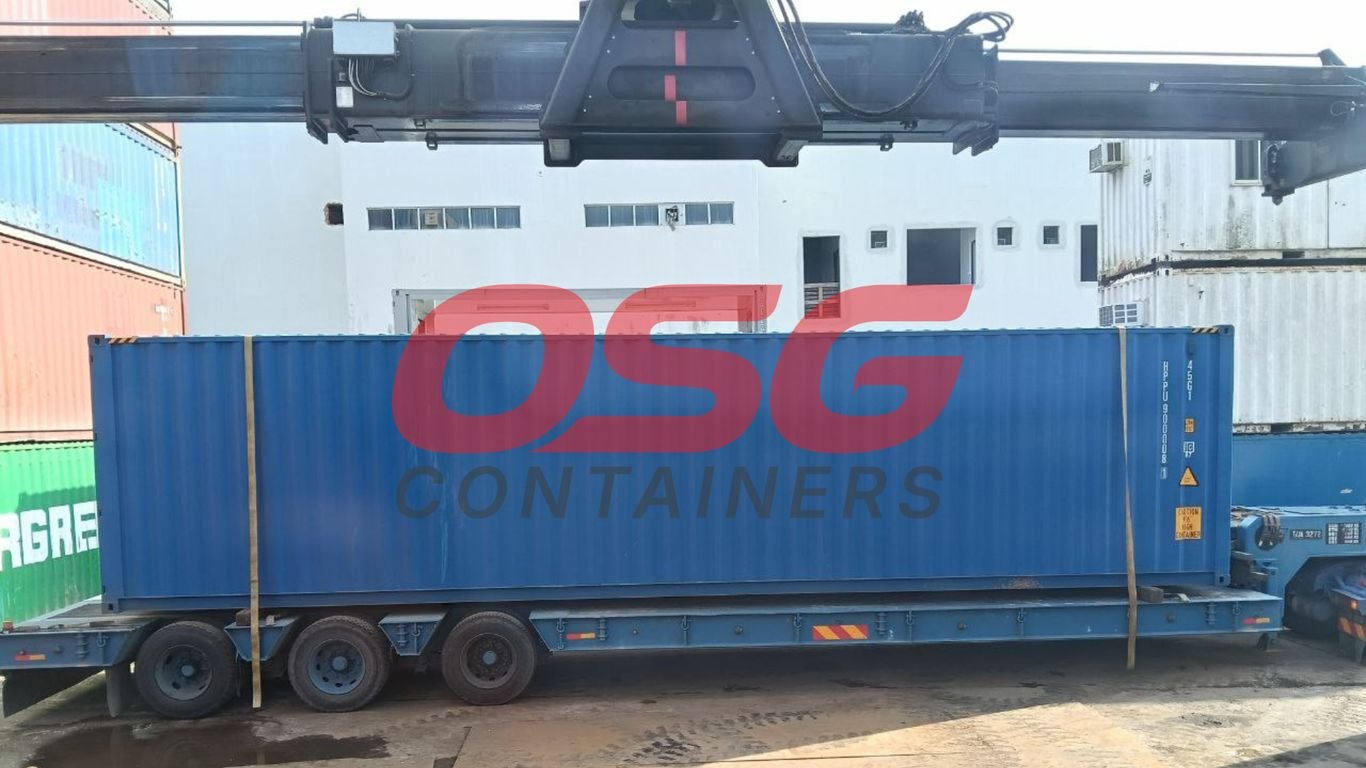
Thinking about getting a 40ft container for your project? It’s a big decision, and there’s a lot to figure out. Whether you need it for storing stuff, building something cool, or just need extra space, picking the right container 40ft model is key. This guide will help you sort through the details, from what size is best to how to tell if a container is in good shape. We’ll cover the basics so you can make a smart choice.
Key Takeaways
- A standard 40ft container offers substantial space, typically around 2,350 cubic feet, making it suitable for various storage and project needs.
- Consider the container’s purpose – storage, living space, or worksite – as this will influence the type, condition, and any necessary modifications.
- Evaluate container conditions carefully, ranging from ‘one-trip’ (like new) to ‘cargo worthy’ or ‘wind and watertight,’ to match your budget and durability requirements.
- Always check weight limits and loading practices to ensure safe and legal use of your container 40ft.
- Explore customization options like adding doors and windows, and consider accessories such as shelving and ramps to make your container more functional.
Understanding 40ft Container Dimensions and Capacity
So, you’re looking at a 40-foot container. It’s a pretty common size, and for good reason. It offers a good chunk of space without being completely unmanageable. But before you commit, let’s get down to the nitty-gritty of what you’re actually getting in terms of size and how much stuff you can cram in there.
Standard 40ft Container Specifications
When people talk about a standard 40ft container, they’re usually referring to the ‘dry van’ type. These are the workhorses of shipping. They’re built tough, usually from corrugated steel, and designed to keep your stuff safe from the elements and prying hands. The exterior dimensions are pretty consistent across the board.
Here’s a quick rundown of what you can expect:
| Feature | Measurement |
|---|---|
| External Length | 40 feet |
| External Width | 8 feet |
| External Height | 8 feet 6 inches |
| Internal Length | 39 feet 5 inches |
| Internal Width | 7 feet 9 inches |
| Internal Height | 7 feet 10 inches |
| Door Width | 7 feet 9 inches |
| Door Height | 7 feet 5.75 inches |
| Tare Weight (Empty) | Around 7,650 lbs |
Remember, the internal measurements are a bit less than the external ones because of the container’s walls and structure. That tare weight is important too – it’s the weight of the empty container itself, so you need to factor that in when you’re thinking about how much weight you can actually put inside.
What Fits Inside a 40ft Container
This is where the real planning comes in. With roughly 2,350 cubic feet of space, you can fit a surprising amount. Think about it:
- Pallets: You can typically fit about 8 standard-sized pallets (40"x48") stacked two high. This is super common for businesses moving goods.
- Furniture: For a personal move, a 40ft container can often hold the contents of a medium to large house. We’re talking sofas, beds, tables, boxes – the whole nine yards.
- Vehicles: Yes, you can fit cars, motorcycles, or even a small truck inside, though you’ll need to plan the loading carefully to avoid damage.
- Bulk Goods: Construction materials, industrial equipment, or large machinery can all be stowed away.
When you’re packing, always think about weight distribution. Don’t put all the heavy stuff on one side. Spread it out evenly to keep the container stable, especially if it’s going to be moved.
40ft Standard vs. 40ft High Cube
Now, there’s a variation you’ll see: the 40ft High Cube. It’s the same length and width as the standard container, but it’s a whole foot taller. This extra height can make a big difference, especially if you’re dealing with taller items or want to maximize storage space.
- Standard 40ft: 8’6" external height, about 2,350 cubic feet of space.
- 40ft High Cube: 9’6" external height, about 2,700 cubic feet of space.
If you’re storing things like tall machinery, stacked furniture, or anything that benefits from vertical space, the High Cube is probably your best bet. For most general storage or shipping needs, the standard 40ft will do just fine. It really comes down to what you plan to put inside.
Determining the Purpose of Your 40ft Container
So, you’ve got your eye on a 40ft container. That’s a good start! But before you hand over any cash, you really need to think about what you’re going to do with it. These big metal boxes are surprisingly versatile, but knowing your end goal makes choosing the right one a whole lot easier.
Storage Solutions with a 40ft Container
This is probably the most common use for a 40ft container. Need to stash away extra inventory for your business? Storing seasonal equipment for your landscaping company? Or maybe you’re decluttering your garage and need a secure spot for all that stuff? A 40ft container is a solid choice. They’re tough, weather-resistant, and can hold a surprising amount. Think about what you’ll be storing, though. If it’s delicate items, you might want to look for a ‘one-trip’ or ‘like-new’ container to minimize any chance of damage from previous use. For general storage of tools or equipment, a ‘cargo worthy’ or even a ‘wind and watertight’ container might be perfectly fine and save you some money.
- Inventory Storage: Keep your business stock safe and organized.
- Equipment Storage: Protect tools, machinery, or seasonal gear from the elements.
- Personal Storage: Declutter your home or store belongings during a move.
- Archival Storage: Safely keep important documents or records.
When using a container for storage, always consider how you’ll access your items. Will you need to get in and out frequently? This might influence where you place it and what kind of doors you might eventually want to add.
Transforming a 40ft Container for Living or Workspace
This is where things get really interesting. People are turning these containers into all sorts of cool things – tiny homes, backyard offices, art studios, even cafes. If this is your plan, the condition of the container becomes even more important. You’ll likely be cutting into it, adding insulation, windows, and doors. Starting with a solid, rust-free container is key. A ‘one-trip’ or ‘like-new’ container is often the best bet here because it’s in the best shape to begin with, meaning less prep work and fewer surprises down the line. You’ll also need to think about ventilation and insulation, which might mean adding extra features later on.
- Home Offices: Create a dedicated workspace away from the main house.
- Accessory Dwelling Units (ADUs): Build a small, affordable living space.
- Workshops/Studios: Set up a place for hobbies or creative projects.
- Retail/Pop-up Shops: Design a unique storefront or temporary sales space.
Construction Site Applications for 40ft Containers
On a busy construction site, a 40ft container is like a mobile command center or a secure storage vault. You can use it to keep tools, materials, and equipment safe from theft and the weather. Some sites even convert them into temporary site offices, complete with desks, power, and even basic amenities. For this kind of use, durability is paramount. A ‘cargo worthy’ container is usually sufficient, as it’s built to withstand rough handling and transport. You might not need a pristine unit, but you definitely need one that’s structurally sound and won’t let the rain in. The ability to secure valuable equipment on-site is a major benefit.
- Tool and Equipment Storage: Keep expensive gear secure and accessible.
- Material Storage: Protect building supplies from the elements.
- Site Offices: Provide a temporary workspace for project managers and staff.
- First Aid Stations: Create a designated safe zone for on-site medical needs.
Evaluating the Condition of a 40ft Container
When you’re looking at 40ft containers for sale, especially if you’re considering 2nd hand containers for sale, the condition is a big deal. It’s not just about how it looks; it’s about how long it’ll last and if it’ll do the job you need it to do without causing headaches. Think of it like buying a used car – you wouldn’t just hand over the cash without a good look-over, right? The same applies here.
One-Trip and Like-New 40ft Containers
These are the cream of the crop. A "one-trip" container has only made a single journey overseas. They’re basically as close to new as you can get without buying brand new. You’ll see very little wear and tear, maybe just a few minor scuffs from the journey. They’re built tough and should last you a really long time with minimal fuss. If your budget allows and you want the best, these are the ones to aim for.
Cargo Worthy and Wind/Watertight Options
These containers have seen more action than the one-trip models. "Cargo Worthy" (CW) means they’re still strong enough to be used for shipping goods, meeting industry standards. They might have a few more dents or patches of rust, but the structure is sound. "Wind and Watertight" (WWT) is a bit more basic. It means the container won’t leak if it’s raining, and the wind won’t blow through it. This is usually the minimum you’d want for most storage or modification projects. They’re a solid choice if you’re looking for a balance between cost and usability, especially when browsing 2nd hand containers for sale.
Assessing Used 40ft Containers
When you’re looking at containers that aren’t "one-trip" or "CW," you’re stepping into the realm of general used containers. These are the ones that have had a longer life in shipping. They might have more rust, bigger dents, and maybe some faded paint. It’s important to be thorough here. Don’t buy sight unseen if you can help it.
Here’s a quick checklist for inspecting used containers:
- Exterior Walls: Look for large rust patches or deep dents. While some surface rust is normal, extensive rust can weaken the metal. Check that any repairs look professionally done.
- Roof: Make sure the roof is relatively flat and doesn’t have large puddles after rain. Pooling water can lead to rust and leaks over time.
- Doors: Open and close the doors. They should move smoothly, and the locking mechanisms should engage easily. Check the rubber seals around the doors for cracks or damage – these are key to keeping water out.
- Floor: Inspect the wooden floor for signs of rot, mold, or excessive dampness. Plywood floors can absorb moisture, so look for discoloration or softness.
- Smell: Give the inside a sniff. A strong, musty, or chemical smell could indicate past issues with leaks or cargo that might be hard to get rid of.
Remember, the intended use of your container plays a big role in how much condition matters. If it’s just for storing old garden tools in a dry climate, a few dents might not be a big deal. But if you’re converting it into a living space or a workshop, you’ll want something much more solid and watertight. Always ask about the container’s history if possible, especially when dealing with the sale of used containers.
When you’re comparing options for the sale of used containers, keep these points in mind. It’ll help you find a container that’s a good fit for your project and your wallet.
Key Considerations When Buying a 40ft Container
So, you’ve decided a 40ft container is the way to go for your project. Awesome! But before you hand over your cash, there are a few things to really think about. It’s not just about picking the biggest one you see; there’s a bit more to it.
Weight Restrictions and Loading Best Practices
This is super important, especially if you plan on moving the container after you’ve loaded it up. Shipping containers have a maximum gross weight, which is the total weight of the container itself plus whatever you put inside. For a standard 40ft container, this is usually around 67,200 pounds (about 30,480 kg). You also need to consider the container’s tare weight, which is how much the empty container weighs – typically around 7,650 pounds. This leaves you with a payload capacity of roughly 59,550 pounds.
Always check the specific weight limits for the container you’re buying and for the vehicle that will be moving it. Overloading can damage the container, the transport vehicle, and even cause accidents. When loading, try to distribute the weight evenly. Heavy items should go on the floor, and you want to avoid putting all the weight on one end. Think about how you’ll secure everything too, so it doesn’t shift during transit.
Here’s a quick look at typical weights:
| Weight Type | Approximate Weight (lbs) |
|---|---|
| Tare Weight (Empty) | 7,650 |
| Max Payload | 59,550 |
| Max Gross Weight | 67,200 |
Choosing Between Buying and Renting a 40ft Container
This is a big decision, and it really depends on how long you’ll need the container. If you need it for a short-term project, like a few months for extra storage during a renovation or for a temporary event, renting might be the smarter choice. It usually involves lower upfront costs and you don’t have to worry about selling it later.
However, if you plan to use the container for a long time – think years – or if you intend to modify it significantly for a permanent structure like an office or workshop, buying makes more sense. Owning it gives you complete freedom to do whatever you want with it, and over the long haul, it can be more cost-effective than paying monthly rental fees. Plus, once you’re done with it, you might even be able to sell it.
Here’s a simple way to think about it:
- Rent if:
- Your need is temporary (less than 1-2 years).
- You have a limited upfront budget.
- You don’t want the hassle of selling later.
- Buy if:
- Your need is long-term (more than 2 years).
- You plan to make modifications.
- You want full ownership and control.
- You see potential resale value.
Finding Reputable Sellers for Your 40ft Container
Buying a container sight unseen can be risky. You want to make sure you’re getting a quality product from someone you can trust. Look for sellers who have a good track record and positive reviews. A reputable seller will be transparent about the container’s condition, its history, and any potential issues.
Don’t be afraid to ask questions. A good seller will be happy to provide details about:
- The container’s grade (e.g., one-trip, cargo-worthy).
- Its maintenance history.
- Any repairs that have been done.
- Delivery options and costs.
- Their return or warranty policy, if any.
It’s also a good idea to see if you can inspect the container in person before finalizing the purchase, or at least ask for detailed photos and videos. Sometimes, local suppliers might offer better deals or faster delivery than national ones, so it’s worth checking around your area.
When you’re looking for a seller, think about more than just the price. A slightly higher price from a trusted source can save you a lot of headaches down the road compared to a cheap deal that turns out to be a lemon.
Enhancing Your 40ft Container with Customization
So, you’ve got your 40ft shipping container, maybe for storage, maybe for something else entirely. Now, let’s talk about making it work exactly how you need it to. It’s not just a big metal box; you can actually change it up.
Adding Doors for Accessibility and Security
Standard container doors are okay, but sometimes you need something different. Think about adding a personnel door, like you’d see on a building. It’s way easier to pop in and out for quick access than wrestling with those big cargo doors every time. Or, if security is a big deal, you can get heavy-duty doors with better locks. Roll-up doors are another option, kind of like a garage door, which can be super handy if you need to load things from the side or if you don’t have a lot of space to swing a big door open.
Incorporating Windows for Light and Ventilation
Let’s be real, a container can get pretty dark and stuffy inside. Adding windows makes a huge difference. You can get simple fixed windows, or sliding ones if you want to control airflow. Even just one or two windows can make a space feel a lot more livable or workable. It’s amazing how much natural light can change the feel of a space. If you’re turning your container into an office or a workshop, windows are almost a must-have.
Tailoring Your Container for Specific Uses
This is where it gets fun. What are you actually going to do with this container? If it’s for storage, maybe you just need those doors and windows. But if you’re thinking of a home office, a workshop, or even a small shop, you’ll want to think about insulation, electrical outlets, and maybe even interior walls. You can really customize these containers for sale to fit almost any need. It’s all about planning what you want the end result to be.
Remember, when you’re looking at containers for sale, think about the modifications you might want down the line. Sometimes, a slightly more expensive container that’s easier to modify is a better deal in the long run than a cheap one that needs a ton of work to get it ready for your project.
Essential Accessories for Your 40ft Container
So, you’ve got your 40ft container, and you’re ready to put it to work. That’s great! But before you start loading it up or planning that cool office conversion, let’s talk about a few things that can make your life a whole lot easier. Think of these as the little helpers that turn a big metal box into a truly functional space.
Shelving and Racking for Organization
This is probably the first thing most people think about. A big empty container can be a bit of a black hole for your stuff. Shelving and racking systems are your best friends here. They let you use all that vertical space, keeping things tidy and easy to find. Whether you’re storing tools, inventory, or even just your camping gear, good shelving makes a huge difference. You can get simple bolt-together units, or if you’re feeling handy, you can even build your own custom shelves. Getting your storage organized from the start saves you a ton of time and frustration later on.
Ramps for Easier Loading and Unloading
Let’s be real, trying to heave heavy items up into a container can be a real pain. That’s where ramps come in. They create a smooth incline, making it much simpler to roll or push things in and out. This is especially important if you’re moving equipment, furniture, or anything with wheels. You can find various types, from simple portable ramps to more permanent, heavy-duty ones. It’s a small investment that can save your back and a lot of hassle.
Security Locks and Lock Boxes
Keeping what’s inside your container safe is a big deal, right? Standard container doors have locking bars, but you’ll need your own padlock. For extra security, consider a lock box. This is a metal cover that goes over your padlock, making it much harder for someone to cut it off or tamper with it. It’s a simple addition that adds a significant layer of protection against theft or unauthorized access. Think about the value of what you’re storing and choose a lock that fits your needs.
When choosing accessories, always consider the specific use of your container. What works for a simple storage unit might not be enough for a secure workshop or a living space. Measure carefully and think about how you’ll be accessing the container regularly.
Wrapping It Up
So, picking out the right 40-foot container might seem like a lot at first, but once you break it down, it’s totally doable. You’ve got the size and space to think about, what condition you need it in – maybe a shiny ‘one-trip’ or a more weathered ‘used’ one – and if you need any special tweaks like extra doors or windows. Just remember to match the container to what you’re actually going to do with it. Whether it’s for storing your stuff, building something cool, or whatever else, taking a little time to figure out the details now will save you headaches later. Happy container hunting!
Frequently Asked Questions
What are the basic sizes of a 40ft container?
A standard 40ft container is about 40 feet long, 8 feet wide, and 8.5 feet tall. There’s also a ‘High Cube’ version which is the same length and width but about a foot taller, giving you more room for taller items.
What’s the difference between a standard 40ft and a 40ft High Cube container?
The main difference is height. A standard 40ft container is about 8.5 feet tall, while a 40ft High Cube is about 9.5 feet tall. The High Cube gives you an extra foot of space inside, which is great for storing taller things or if you want more headroom.
What kind of stuff can I fit into a 40ft container?
You can fit a lot! Think about eight standard pallets stacked up, furniture from a whole three-bedroom house, several cars, or lots of building materials and big machines. It’s really spacious.
Should I buy a new or used 40ft container?
If you want something that looks great and will last a very long time with no issues, a ‘one-trip’ or new container is best. If you’re on a tighter budget and the container is just for storage or won’t be seen much, a used one might work, but make sure it’s still strong and safe.
How do I know if a used 40ft container is good enough?
Look for containers that are ‘Cargo Worthy’ or ‘Wind and Watertight.’ This means they are still strong, don’t have big holes, and won’t let the weather in. Check for rust and dents, and make sure the doors open and close okay.
Is it better to buy or rent a 40ft container?
If you need the container for a long time, like for a permanent storage unit or a home project, buying is usually the better deal in the long run. If you only need it for a short project or a temporary storage need, renting might be more cost-effective.


