
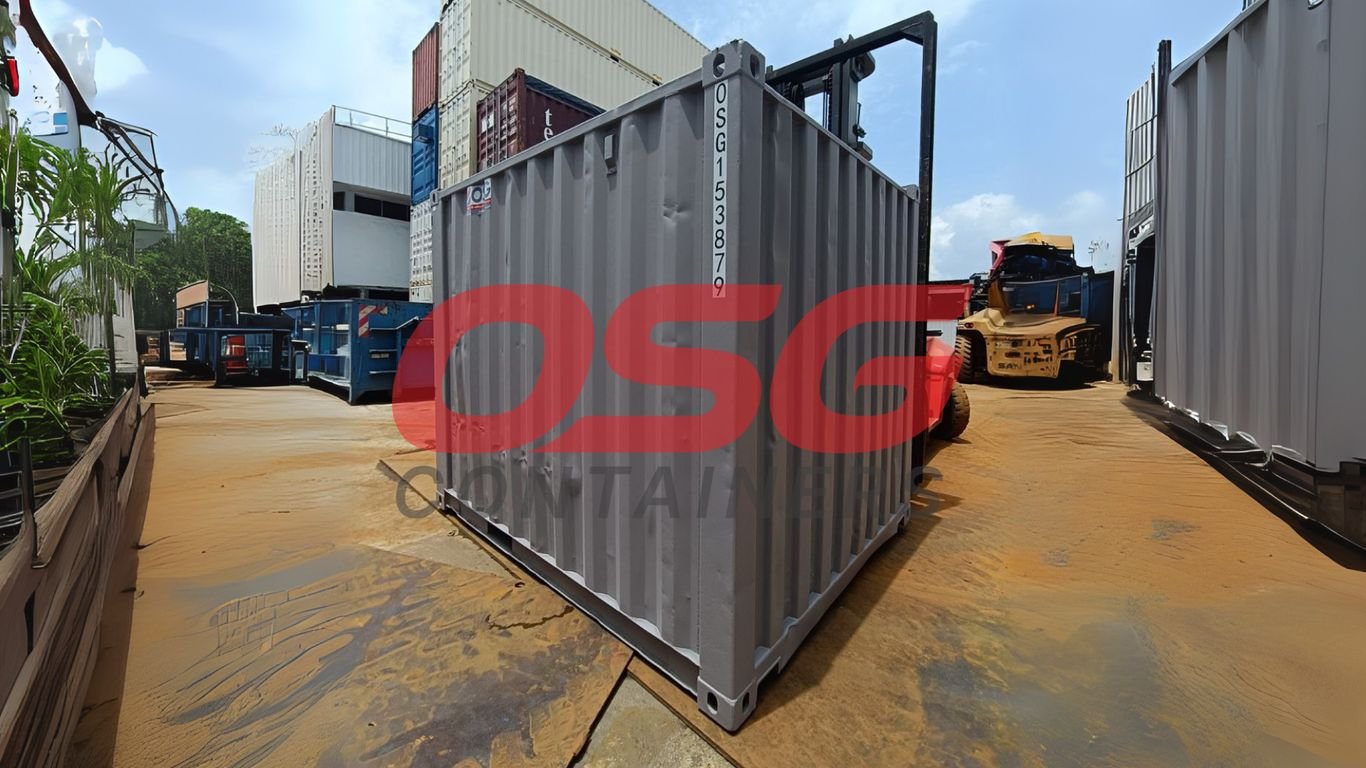
You’ve probably seen them stacked high on ships or moving along train tracks – those big, sturdy metal boxes. They’re called intermodal containers, and honestly, they’re the real workhorses keeping global trade chugging along. Without these standardized giants, getting products from a factory floor to your doorstep would be a whole lot slower, way more expensive, and frankly, a logistical nightmare. Let’s take a look at why these containers are so important and how they make the world’s supply chains run smoothly.
Key Takeaways
- Intermodal containers are standardized boxes that can move between ships, trains, and trucks without needing to unpack the cargo inside.
- Their consistent sizes and design allow for quick and easy transfers between different transport methods, saving time and labor.
- Using intermodal containers cuts down on shipping costs due to reduced handling, better fuel efficiency on long hauls (especially by rail and sea), and fewer personnel needed.
- These containers play a role in making transportation more eco-friendly by favoring more efficient modes like rail and sea over constant truck use.
- The invention and widespread adoption of intermodal containers have revolutionized global trade, making international commerce faster, more affordable, and more reliable.
The Foundational Role Of Intermodal Containers
Revolutionizing Global Trade Through Standardization
Before the mid-20th century, shipping goods was a messy, slow affair. Imagine unloading every single crate and barrel by hand, then reloading them onto another truck or train. It took forever and cost a ton. Then, the intermodal container showed up. These metal boxes, built to exact sizes like the common 20-foot and the taller 40 high q container, changed the game. Because they’re all the same size and have specific fittings, they can be moved between ships, trains, and trucks without anyone touching the stuff inside. This standardization slashed the time and labor needed at ports, making international trade way faster and cheaper. It was like everyone suddenly started speaking the same shipping language.
The Genesis Of Modern Containerization
The whole container idea really got going thanks to folks like Malcolm McLean back in the 1950s. He looked at how inefficient shipping was and thought, "There’s got to be a simpler way." His big idea wasn’t just the box, but how that box could hop between different types of transport without the cargo ever being opened. This meant less damage, less pilfering, and much quicker turnarounds. Before this, you had "break bulk" shipping, which was basically a free-for-all of individual items. The container brought order to that chaos, setting the stage for the complex supply chains we depend on today. Even a used 40gp container can get a new life, proving how well this design works.
Seamless Transitions Between Transportation Modes
So, how does this actually work? It’s all about the design and standardization. A container is built tough, usually from steel, and has standard corner castings. These castings are like universal connection points that allow cranes to grab it easily and secure it onto ships, trains, or trucks. The process is pretty straightforward:
- Loading: Goods are packed into the container at the factory or warehouse.
- First Mile: A truck picks up the loaded container and takes it to a rail yard or port.
- Long Haul: The container is loaded onto a train or a ship for the main part of its journey.
- Last Mile: Once it reaches its destination region, another truck picks it up from the train or ship and delivers it to its final stop.
The beauty of the intermodal system is that the cargo inside the container is rarely handled. This drastically cuts down on labor costs, reduces the chances of damage or theft, and speeds up the entire shipping process from start to finish. It’s a system built on efficiency and predictability.
Understanding The Versatility Of Intermodal Containers
Adaptability In Diverse Logistical Systems
These containers are pretty amazing because they can be used in so many different ways. It’s not just about giant ships crossing oceans. A standard 40ft hc container or a smaller 20gp container can hop onto a truck, then a train, and then back onto another truck without anyone needing to touch the stuff inside. This flexibility means businesses can really mix and match how they move their goods, finding the cheapest and quickest routes. Whether it’s getting products to a far-off town or across continents, these boxes just fit into the plan.
Ensuring Reliability In Global Supply Chains
Because these containers are built to strict international standards, they’re pretty predictable. You know what you’re getting, and that makes planning shipments a lot easier. This consistency is a big deal for companies that need their products to arrive on time, every time. It cuts down on surprises and makes the whole process smoother.
- Standardized Sizes: They all fit the same equipment, no matter where they are.
- Durable Construction: Made to handle rough weather and tough handling.
- Secure Sealing: Once locked, the contents are protected.
- Global Compatibility: They work with ships, trains, and trucks worldwide.
The ability to move goods in a sealed, standardized unit across different transport methods is what makes global trade possible on the scale we see today. It’s a simple concept that has had a massive impact.
Common Types Of Intermodal Containers
While they all look similar, there are a few main types designed for different jobs:
- Dry Storage Containers: These are your everyday, all-purpose containers. Great for things like clothes, electronics, or furniture. The 20gp container is a common example, perfect for smaller loads or when space is tight.
- High Cube Containers: These are just like dry storage containers but taller, giving you more space. The 40ft hc container is a popular choice here, letting you pack more goods in a single trip.
- Refrigerated Containers (Reefers): These have built-in cooling units to keep temperature-sensitive items, like food or medicine, fresh during transit.
- Open-Top Containers: These have a removable roof, making it easier to load bulky items from the top, often using a crane. Useful for things like large machinery.
Key Benefits Driving Intermodal Shipping
So, why are these big metal boxes such a game-changer for moving stuff around the planet? It really boils down to a few major advantages that make global trade actually work without costing an arm and a leg or taking forever.
Reduced Handling and Enhanced Security
Think about all the times goods used to get moved from a truck to a ship, then to a train, and maybe back to a truck. Each time, people had to open things up, move them, and then close them again. This meant more chances for things to get damaged, lost, or even stolen. With intermodal containers, once your stuff is packed inside at the origin, it usually stays sealed until it reaches its final stop. This drastically cuts down on the number of times the cargo itself is touched. Less handling means fewer opportunities for accidents and a much lower risk of theft. It’s like putting your valuables in a secure vault that travels with you.
Faster Transit Times and Cost-Effectiveness
While it might seem counterintuitive, the ability to switch modes quickly actually speeds things up. Instead of delays waiting for individual items to be transferred, the whole container moves. This smooth transition between ships, trains, and trucks minimizes downtime. Plus, let’s talk money. Shipping goods by train or ship is generally way cheaper per ton-mile than using trucks for long distances. Trains, in particular, are incredibly fuel-efficient. This means businesses can move more product for less money, which often translates to lower prices for us consumers.
Here’s a quick look at why it saves cash:
- Fuel Efficiency: Trains use significantly less fuel than trucks for the same amount of cargo.
- Labor Savings: Fewer drivers are needed for long-haul train journeys compared to a fleet of trucks.
- Reduced Damage: Less manual handling means fewer claims for damaged goods.
- Optimized Routes: Containers can be double-stacked on trains, maximizing capacity and reducing the number of trains needed.
Environmental Sustainability Through Efficient Transport
This is a big one these days. When you shift long-haul freight from trucks to trains or ships, you’re making a much greener choice. Railroads, for instance, can move a ton of freight much farther on a gallon of fuel than a truck can. This means a big drop in carbon emissions. Think about it: fewer trucks on the road means less pollution and less wear and tear on our highways. It’s a win-win for companies trying to meet sustainability goals and for the planet.
The shift towards intermodal transport isn’t just about saving money or time; it’s increasingly about responsible global commerce. By utilizing more fuel-efficient modes like rail for the long hauls, businesses can significantly shrink their carbon footprint. This makes it easier for companies to align their operations with environmental targets and appeal to eco-conscious consumers.
It’s pretty amazing how a standardized box can make such a difference, right? It really is the backbone of how we get things from pretty much anywhere to anywhere else these days.
Economic Advantages Driven By Intermodal Containers
When you really get down to it, moving goods around the world costs money. A lot of money. That’s where intermodal containers really start to shine. They’re not just metal boxes; they’re a big part of why shipping things long distances doesn’t completely break the bank for businesses.
Cost-Effectiveness and Freight Savings
Think about it: hauling a truck full of stuff across the country burns a ton of fuel and requires a driver the whole way. Now, imagine putting that same stuff into a container and putting that container on a train. Trains are way more fuel-efficient, especially for long trips. Plus, you need fewer people to manage a train than a whole convoy of trucks. This all adds up to serious savings. The ability to switch transport modes without repacking is the core reason for these economic benefits.
Here’s a quick look at how costs are cut:
- Reduced Labor: Fewer people are needed to load, unload, and manage cargo when it’s in standardized containers.
- Fuel Efficiency: Trains and ships, when carrying containers, use significantly less fuel per ton-mile compared to trucks.
- Less Damage and Theft: Containers are secure and robust, leading to fewer claims for damaged or lost goods, which lowers insurance costs.
The Impact On Global Supply Chains
When shipping becomes more affordable and efficient, it opens up new possibilities. Small businesses can suddenly afford to sell their products in faraway places they never could before. This not only helps those individual businesses grow but also creates jobs and boosts the economy overall. It connects markets that were once too far apart to be practical, leading to more trade and more opportunities for everyone involved. It’s a domino effect that starts with a simple, standardized box.
The standardization of containers means that infrastructure like cranes and port equipment can be highly specialized and efficient. This reduces the time cargo spends waiting at transfer points, speeding up the entire journey and making supply chains more predictable.
Real-Life Example: From Factory To Consumer
Let’s trace a product, say, a batch of electronics, from a factory in Asia to a store shelf in North America. The goods are packed into a container at the factory. This container is then trucked to a nearby port. From there, it’s loaded onto a massive ocean-going vessel. Once it reaches a North American port, it might be transferred to a train for a long inland journey, and finally, a truck will take it the last mile to a distribution center or directly to the retailer. At no point were the electronics individually handled or repacked after the initial loading. This entire process, made possible by the intermodal container, is significantly cheaper and faster than if each item had to be loaded and unloaded separately at every step.
Emerging Technologies Shaping Future Logistics
The world of shipping is always changing, and technology is a big part of that. We’re seeing some pretty cool stuff that’s making intermodal transport even better and more efficient. It’s not just about the big metal boxes anymore; it’s about making the whole system smarter.
Innovations In Container Materials And Smart Technology
Companies are constantly looking for ways to improve the containers themselves. Think about new materials that are lighter but still super strong. This means trucks and trains can carry more goods without using extra fuel. And then there’s the whole "smart container" idea. These containers have sensors that can tell you exactly where they are, what the temperature is inside, or even if they’ve been bumped around. This kind of real-time information is a game-changer for keeping goods safe and knowing their condition.
- Lighter, stronger materials: Reduces fuel consumption.
- IoT sensors: Provide real-time location and condition monitoring.
- Temperature and humidity tracking: Prevents spoilage for sensitive cargo.
- Impact detection: Alerts to potential damage during transit.
The goal is to make containers more durable, trackable, and responsive to the needs of the cargo they carry, reducing waste and improving delivery quality.
Artificial Intelligence And Blockchain Integration
Artificial intelligence (AI) is starting to play a huge role in planning and managing shipments. AI can look at tons of data to figure out the best routes, predict potential delays before they happen, and help manage schedules more smoothly. It’s like having a super-smart assistant for logistics. Then there’s blockchain. You might have heard of it with cryptocurrencies, but in shipping, it’s about creating a super secure and transparent record of where a container has been and who handled it. This makes tracking and verifying shipments much more reliable and cuts down on paperwork headaches.
Adapting To Dynamic Global Trade Patterns
Global trade isn’t static; it’s always shifting. New trade deals pop up, countries change their relationships, and sometimes businesses want to make things closer to home. E-commerce keeps growing, meaning more frequent, smaller shipments. Plus, everyone’s talking about being more eco-friendly. Intermodal transport has to be flexible enough to handle all these changes. The ability of these systems to adjust is what makes them so resilient in the long run. Whether it’s new trade routes or a push for greener shipping, the container system needs to keep up to make sure goods still get where they need to go, no matter what’s happening in the world.
The Evolution And Lasting Impact Of Containerization
From Break-Bulk To Standardized Boxes
Before the mid-20th century, shipping goods was a messy, slow affair. Imagine trying to move thousands of different items, each packed in its own crate or bag, from a dock to a ship. This was called "break-bulk" shipping, and it involved a ton of manual labor. Workers had to load and unload each individual piece, which took ages and led to a lot of damage and lost items. It was incredibly inefficient and expensive. Then came the idea of the standardized container, and everything changed.
The Malcolm McLean Innovation
Malcolm McLean, a trucking entrepreneur, is widely credited with making containerization a reality in the 1950s. He saw how much time and money was wasted in the loading and unloading process. His genius wasn’t just in creating a strong metal box, but in figuring out how that box could be moved between ships, trains, and trucks without the cargo inside ever needing to be touched. This was a game-changer. It meant:
- Less damage to goods because they weren’t handled as much.
- Reduced theft since the containers were sealed.
- Much faster turnaround times at ports and terminals.
- Lower labor costs associated with handling individual items.
This shift from break-bulk to containerized shipping dramatically sped up global trade and made it far more predictable. It laid the groundwork for the complex, interconnected supply chains we rely on today.
Intermodal Containers: A Versatile Logistics Solution
Today, it’s estimated that around 90% of all non-bulk cargo worldwide travels in intermodal containers. These aren’t just simple boxes; they are the backbone of modern global commerce. Their standardized dimensions (like the common 20-foot and 40-foot lengths) mean they fit perfectly onto specialized ships, trains, and trucks. This compatibility allows for smooth transitions between different modes of transport, a concept known as intermodalism. It’s this ability to move seamlessly across different systems that makes them so incredibly versatile and vital for keeping global trade flowing.
The standardization brought about by intermodal containers has had a ripple effect far beyond just shipping. It enabled the growth of global manufacturing, allowed businesses to source materials from anywhere in the world, and is a key reason why we can buy products made on the other side of the planet at reasonable prices. It truly reshaped the global economy.
The Unsung Heroes of Global Trade
So, when you really think about it, these big metal boxes are pretty amazing. They’re the reason your stuff can travel from halfway across the world to your doorstep without costing a fortune or taking forever. They’ve basically made global trade what it is today, and honestly, it’s hard to imagine how things would work without them. As technology keeps getting better, these containers will likely get even smarter and more efficient, helping keep the world’s supply chains running smoothly for years to come.
Frequently Asked Questions
What exactly is an intermodal container?
Think of an intermodal container as a big, tough box that holds products. It’s built so it can be easily moved between different ways of transporting things, like trucks, trains, and ships, without anyone needing to take the items out and put them back in. This makes moving goods all over the world much simpler and quicker.
Why are these containers so important for global trade?
These containers are like the basic building blocks for trading goods worldwide! Because they all have the same sizes and shapes, machines can handle them and move them between ships, trains, and trucks very fast. This means products can travel from one country to another much more affordably and speedily, helping businesses sell their items everywhere.
How do intermodal containers help save money?
They help save money in a few ways. Moving goods in these large boxes means less manual work is needed. Also, using trains and ships for long trips is usually cheaper and uses less fuel compared to only using trucks. All of this adds up to lower shipping costs for companies.
Are intermodal containers good for the environment?
Yes, they can be! When goods are moved by train or ship for long distances, it uses much less fuel and creates fewer pollution gases than using only trucks. Plus, many old containers are now being recycled or used again for different purposes, which is good for our planet.
How have these containers changed over time?
Originally, shipping was very slow because goods had to be loaded and unloaded one by one. The invention of standardized containers in the mid-1900s changed everything. Now, they’re made with stronger materials and some even have technology to track them, making shipping even more efficient and secure than before.
What are some common types of intermodal containers?
The most common type is the ‘dry’ container, used for general items like clothes or electronics. There are also ‘refrigerated’ containers, which keep things like food cold. For items that are too tall to fit through a normal door, there are ‘open-top’ containers where you can load from above. And for liquids or gases, there are special ‘tank’ containers.


