
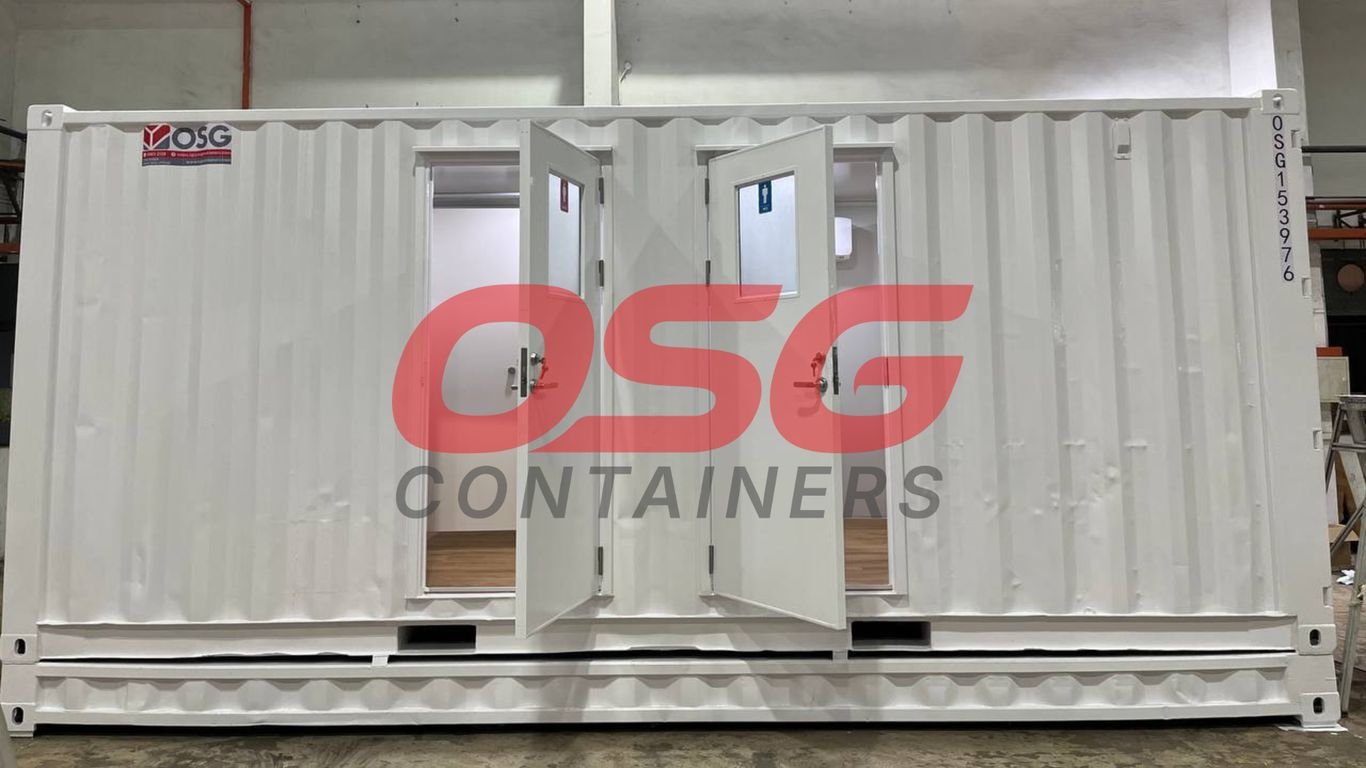
So, you’re thinking about getting a shipping container. That’s pretty neat! Whether it’s for stashing stuff, a cool project, or something else, you’ve probably seen there are new ones and used ones for sale. It can get a little confusing trying to figure out which one is the better buy. They’re both big metal boxes, right? But there are some real differences that can matter a lot depending on what you’re planning to do. Let’s break down what you need to know about a shipping container for sale.
Key Takeaways
- New shipping containers look sharp and are great for places people will see them, or when presentation is important. They often have more options right from the start.
- Used shipping containers save you money and are still really strong. They’re a good choice if you need something that works and don’t mind a few dents or scratches.
- If you plan to change your container a lot, new ones are usually simpler to work with because they’re in better shape to begin with.
- Buying a used container is generally better for the planet because you’re reusing something that already exists, cutting down on making new stuff.
- Both new and used containers can be wind and watertight, but always check their condition and any ratings to make sure they’re reliable for what you need.
Exploring New Shipping Containers For Sale
When you’re in the market for shipping containers, the idea of a brand-new unit often pops up first. And for good reason! These containers are fresh from the factory, usually having completed just one trip, often from overseas, to get to their current location. This means they’re in top-notch shape, ready for whatever you have planned.
Pristine Condition and Visual Appeal
The most obvious perk of a new shipping container is how it looks. They’re clean, uniform, and free from the dents, rust, and general wear that you’ll find on older units. Even after that single journey, they typically show very little sign of handling. This clean appearance is a big plus if your container will be out in the open, like for a pop-up shop, a temporary office on a construction site, or even just a storage unit at home where you want things to look tidy. First impressions really do matter, and a new container makes a great one.
Enhanced Functionality and Customization
Since they haven’t been through the wringer of multiple voyages, new containers provide a perfect starting point for modifications. Whether you’re thinking about adding windows, extra doors, insulation, or turning it into a specialized workspace, starting with a new unit means fewer headaches down the road. The walls are straight, the doors seal perfectly, and the floor is in its original condition, making any custom work much simpler and more predictable.
Ideal for High-Visibility Applications
If the container is going to be a prominent feature or part of your business’s image, a new container is often the way to go. Imagine a retail business using a container as a storefront or a company using them for event displays. In these scenarios, the professional and clean appearance of a new unit speaks volumes. It conveys a sense of quality and reliability that a weathered, used container might not. While used containers for sale can be great for many uses, for those where first impressions matter most, new is usually best. You might find options available in places like container malaysia, but always check the condition and origin.
Here’s a quick look at why new might be the right choice:
- Appearance: Unblemished and professional look.
- Durability: Starts its life with maximum structural integrity.
- Customization: Easier to modify without hidden issues.
- Longevity: Expected to last longer with proper care.
When you’re looking at new cargo containers, you’re essentially getting a blank slate. This means you can plan your modifications with confidence, knowing the base structure is sound and free from prior damage. It simplifies the entire process, from initial design to final build.
Understanding Used Shipping Containers For Sale
So, you’re looking at shipping containers for sale and the idea of a used one pops up. Makes sense, right? These containers have already done their time on the seas, carrying all sorts of goods. This means they’ve got some stories to tell, and usually, a lower price tag to go with them. They’re not fresh out of the factory, sure, but that doesn’t mean they aren’t still super useful.
Cost Savings and Budget Friendliness
Let’s be real, one of the biggest reasons people go for used shipping containers is the money. You can often snag a perfectly good container for a good chunk less than a brand-new one. This is a huge plus if you’re working with a tight budget or just need a solid place to store stuff without spending a fortune. Think about it: if a 20ft container is going to sit in your yard holding tools or seasonal decorations, does it really need to look like it just rolled off the assembly line? Probably not. Saving cash here means you might have more to spend on whatever project you’re planning.
Proven Durability and Reliability
Don’t let a few scuffs or a bit of rust fool you. These containers are built tough. They’re made from strong steel and designed to handle serious weather and being stacked high. The ones you find on the used market have already survived journeys across oceans, so they’ve proven their mettle. While they might have some cosmetic wear and tear, the main structure is usually still very sound. They’ve got a history, and that history often means they’re built to last.
Suitable for Rugged Environments
Because they’re already a bit weathered, used containers are often a great fit for more demanding situations. If you need a container for a construction site, a farm, or any place where things might get a little rough, a used unit can be ideal. You won’t be as worried about it getting a new dent or scratch. Even specialized containers like a used reefer container, which might have had its cooling unit removed, can still be a fantastic, cost-effective option for dry storage or modification.
When you’re checking out used containers, always ask about their condition. A ‘wind and watertight’ (WWT) rating is pretty much the minimum you should accept. This means it’s sealed up tight against the elements, which is the most important thing for storage.
Here’s a quick rundown of what you might find:
- Grade A/WWT: These are the best of the used bunch. They’re wind and watertight, with minimal dents and rust. Great for most storage and modification projects.
- Grade B/Cargo Worthy: These might have more noticeable dents, rust, or patches, but they are still structurally sound and watertight. Good for basic storage where looks aren’t a big deal.
- Grade C/As-Is: These containers have seen better days. They might have significant damage and may not be watertight without repairs. Best for projects where you’re planning major modifications or using parts of the container.
Key Considerations When Buying A Shipping Container
So, you’re in the market for a shipping container. Awesome! But before you click ‘buy,’ let’s chat about a few things that’ll make sure you get exactly what you need. It’s not just about picking the cheapest one; there’s a bit more to it.
Budget Versus Long-Term Value
This is a big one. New containers cost more upfront, no doubt about it. You’re paying for that perfect, untouched condition. Think of it like buying a brand-new car versus a used one. The new one is shiny and has zero miles, but it’s a bigger hit to your wallet right away. Used containers, on the other hand, are way more budget-friendly. You can save a good chunk of cash, which is great if you’re trying to keep costs down. But, you’ve got to think about what you’re getting for your money. A used container might need some repairs down the road, or it might not last as long as a new one. It’s a trade-off between immediate savings and what the container will do for you over many years.
Intended Use and Project Requirements
What are you actually going to do with this container? This question really shapes your decision. If you’re planning to build a home, an office, or a retail space where looks matter and you need a clean slate for modifications like windows and insulation, a new container is probably your best bet. They’re easier to work with and look great. But, if you just need a place to stash tools on a job site, store extra inventory, or maybe even create a simple workshop where a few dents and dings aren’t the end of the world, a used container can totally do the job. It just needs to be sturdy enough for what you’re throwing at it.
Lifespan and Durability Expectations
How long do you need this container to stick around? If you’re looking for something that will last for decades with minimal fuss, investing in a new container makes a lot of sense. They’re built tough and haven’t been through the wringer yet. Used containers, however, have a history. Depending on how many trips they’ve made and what kind of cargo they’ve carried, their lifespan can be shorter. A container that’s already 10-15 years old might only have another 10-15 years of solid use left, especially if it’s seen rough conditions. You might need to factor in maintenance or repairs sooner rather than later with a used unit.
Picking the right container isn’t just about the price tag. It’s about matching the container’s condition and cost to what you need it to do, how long you need it to last, and how good it needs to look. Taking a moment to really think these things through will save you headaches later.
Customizing Your Shipping Container
So, you’ve got a shipping container, and you’re thinking about making it your own. That’s where the fun really begins! Whether you’re aiming for a cool backyard office, extra storage, or something totally unique, customizing your container is key. It’s like having a blank canvas, but made of steel.
Modifying New Containers: A Blank Slate
Starting with a brand-new container is like getting a fresh notebook. It’s clean, it’s straight, and it hasn’t been through the wringer. This makes it super easy to cut windows, add doors, or install insulation without a lot of fuss. You’re not fighting dents or rust spots, so your modifications tend to look cleaner and more professional. It’s generally less work to get the exact look and function you want when you start with something pristine.
Adapting Used Containers: Extra Considerations
Used containers can be a great option, especially if you’re watching your budget. But, they come with a few more things to think about. You might find unexpected rust, bent metal, or previous repairs that could make your planned modifications a bit trickier. It’s not impossible, mind you, but it often means a little more prep work. You’ll want to really check the container’s condition before you start cutting or welding.
Here’s a quick rundown of what to look for with used containers:
- Structural Integrity: Make sure the frame is solid and not warped.
- Surface Condition: Check for excessive rust or damage that might affect your plans.
- Previous Modifications: See if there are any existing holes or repairs that need addressing.
- Door Seals: Ensure the doors still close properly, especially if you plan to use it for storage.
Planning Modifications for Specific Uses
Before you even pick up a tool, think about what you’ll actually do with the container. This will guide your customization choices.
- Office/Living Space: You’ll likely want insulation, windows, doors, and maybe even electrical hookups. A new container is often best here for a clean finish.
- Storage Unit: Depending on what you’re storing, you might just need a good lock and maybe some shelving. A used container can work well if it’s still watertight.
- Workshop: Durability is key. You might need reinforced doors, good ventilation, and perhaps a workbench. Both new and used can work, but assess the wear and tear on used units.
When you’re planning any changes, always consider the container’s original state. A little extra time spent checking things out upfront can save you a lot of headaches later, especially with used units. Think about the final look and how it will be used before you start cutting.
Ensuring Quality and Condition
When you’re looking to buy a shipping container, whether it’s brand new or has seen a bit of the world, checking its condition is super important. It’s not just about how it looks; it’s about making sure it’ll do the job you need it to do without any nasty surprises down the road. A little bit of checking now can save you a whole lot of hassle later.
Wind and Watertight Standards
This is probably the most basic thing to look for, especially with used containers. You want a container that keeps the wind and rain out. Simple as that. For new containers, this is pretty much a given right from the factory. They’re built to withstand the elements during long sea voyages. But with used ones, it’s a different story. They’ve been through a lot, and sometimes that means small holes or weak seals can develop. Always ask sellers if they guarantee their containers are ‘wind and watertight’ (WWT). It’s the minimum you should expect for any kind of storage.
Inspecting Used Container Condition
Looking at a used container is like looking at an old car. You’ll see signs of its past life. Expect some dents, maybe a few scratches, and definitely some surface rust, especially around the edges or where the paint has chipped. The paint might be faded, and there could be scuff marks inside from cargo. These cosmetic issues don’t automatically mean the container is bad, but they do tell a story. The key is to look beyond the surface imperfections and check the structural integrity. Are the doors still working smoothly? Are the seals around the doors intact? Are there any big holes or obvious signs of major damage?
Understanding Container Grading
Sellers often grade used containers to give you an idea of their condition. It’s helpful, but you still need to know what those grades mean. Here’s a common breakdown:
- A-Grade (WWT): These are usually in pretty good shape. They’ll have minor cosmetic flaws like small dents and some surface rust, but they’re structurally sound and definitely wind and watertight. Think of these as the best of the used bunch.
- B-Grade: You’ll see more wear and tear here. There might be some visible repairs, and the overall look is more compromised. They should still be functional and watertight, but don’t expect them to win any beauty contests.
- C-Grade: These containers have seen better days. Expect significant rust, potential damage, and they might need repairs to be fully watertight and strong. Often, these are sold ‘as-is,’ meaning you’re taking on the risk and potential repair costs.
When you’re inspecting a used container, try to get as much information as possible. Ask for detailed photos, especially of any reported damage or rust spots. If you can, seeing it in person is always the best bet. A little bit of effort upfront can prevent a lot of headaches later on.
The Environmental Impact of Your Choice
When you’re looking at shipping containers for sale, it’s not just about the price tag or how it looks. There’s a bigger picture to consider, and that’s what this section is all about: the environmental side of things. It really boils down to whether you’re leaning towards a brand-new unit or giving a pre-loved container a second life. Both have their own footprint, and understanding that can help you make a choice that feels right.
Sustainability of Repurposing Used Containers
Opting for a used shipping container is a pretty solid way to go if you’re thinking about the planet. These containers have already made their journey across the seas, doing their job. Instead of letting them sit around or get scrapped, giving them a new purpose means you’re cutting down on the need to produce more steel. Think about it: making new steel takes a lot of energy and resources. By reusing a container, you’re basically skipping that whole production process. It’s like getting a great deal and doing a good deed all at once. This approach directly supports the circular economy by prioritizing reuse over new manufacturing.
Here’s a quick look at why used containers are a greener choice:
- Reduces demand for new manufacturing: Less need for raw materials and energy.
- Diverts waste from landfills: Gives a durable item a new life.
- Lower carbon footprint: Avoids emissions associated with producing new steel.
Resource Conservation with New Units
Now, let’s talk about new containers. While they’re shiny and perfect, their creation does come with an environmental cost. Manufacturing a brand-new shipping container involves mining raw materials, smelting, and a whole lot of energy to form that strong steel. Then there’s the transportation from the factory to wherever you’re buying it from. All these steps add up in terms of energy consumption and greenhouse gas emissions. It’s not that new containers are inherently ‘bad,’ but their production process is more resource-intensive compared to repurposing an existing one.
Making an eco-conscious decision often involves balancing your project’s specific needs with the environmental impact. While new containers offer a pristine starting point, used containers provide a significant environmental benefit by extending the life of existing materials and reducing the demand for new production.
Wrapping It Up
So, you’ve looked at the shiny new containers and the ones that have seen a bit of the world. Honestly, picking the right one isn’t a one-size-fits-all deal. If you need something that looks sharp for a business or a project where first impressions count, and you’ve got a little extra cash, a new container is probably your best bet. They’re clean, easy to work with if you plan to customize, and just look great. But, if you’re trying to save some money, or the container’s just going to be out of sight storing things, a used container is a totally solid choice. You get a tough box for less cash, and hey, you’re giving it a second life. Just think about what you’ll use it for, how much you want to spend, and how important the looks are. That’s really the key to finding the container that works for you.
Frequently Asked Questions
What’s the main difference between a new and a used shipping container?
Think of a new shipping container like a brand-new car – it’s fresh from the factory, usually having made just one trip. It looks great, with no dents or rust. A used container is like a pre-owned car; it’s been around, traveled a lot, and might have some scratches or rust spots, but it’s still tough and ready to work.
Why would I choose a used container if a new one looks better?
The biggest reason is price! Used containers are usually much cheaper, saving you money. They’re also a good pick if the container’s location won’t be seen much, like on a busy job site, or if you plan to paint or cover it up anyway.
Can I still customize a used container?
Yes, you can definitely make changes to a used container! However, because they might have dents or rust, you might need to do a bit more work to get the surfaces smooth before adding things like shelves or special walls. New containers are usually easier to modify right away because they’re in perfect shape.
Are used containers still strong and safe?
Most used containers are still very strong and safe. They’re made of tough steel and are checked to make sure they are ‘wind and watertight,’ meaning they won’t leak and can handle strong winds. While a new container is technically in the best possible condition, a good quality used container is perfectly reliable for storage and many other uses.
Is buying a used container better for the environment?
Yes, reusing a used shipping container is generally better for the planet. It means one less container needs to be made from scratch, which saves energy and resources compared to producing a brand-new one. It’s a great way to give something old a new purpose.
When is a new container a better choice than a used one?
A new container is often the better choice if its appearance is really important, like for a storefront or a public-facing office. They are also ideal if you plan to do a lot of custom work and want the easiest, cleanest starting point. If your budget allows and you want something that looks perfect and lasts a very long time with minimal fuss, new is the way to go.


