Setting up temporary facilities in Malaysia, especially for work sites or events, means you’ve got to pay attention to the rules. It’s all about keeping people healthy and safe. That’s where solutions from Toilet Container Malaysia come in. These aren’t your average portable toilets; they’re built tough and designed to meet hygiene standards. We’re talking about units that are easy to clean, comfortable to use, and help projects stay on the right side of regulations. It’s a practical way to handle sanitation needs while making sure everyone’s looked after.
Key Takeaways
- Portable container toilets in Malaysia are built using strong steel frames, making them a durable choice compared to basic portable units.
- These units are designed for quick setup and easy relocation, which is perfect for temporary projects or sites that might change.
- They can be set up in different ways, from just one toilet to bigger setups with multiple facilities, fitting various needs.
- Managing waste and water properly is a big part of using these toilets, so you need a plan for how it will be done.
- Container toilets are made to handle Malaysia’s weather and meet hygiene rules, helping workers stay comfortable and projects stay compliant.
Understanding Toilet Container Malaysia Solutions
When you’re looking for sanitation options in Malaysia, especially for temporary sites or places that don’t have existing facilities, the toilet container solutions available are a pretty big deal. Forget those old, flimsy portable toilets you might remember. We’re talking about sturdy, well-built units that actually offer a decent level of comfort and hygiene. These have become super popular for all sorts of projects and events happening across the country.
The Rise Of Portable Container Toilets
Portable container toilets, often called mobile toilets here in Malaysia, have really gained traction. Unlike older models that didn’t hold up well, these are built using strong materials, usually with steel frames, making them a reliable choice. They’re designed to be moved easily and set up quickly, which is a massive plus when you need sanitation on short notice. The demand for these units keeps growing because they provide a practical and compliant way to handle sanitation needs for modern projects. They’re a far cry from basic plastic cabins, offering insulated interiors for better comfort and built for repeated use, which fits well with the increasing focus on environmental and safety rules.
Key Benefits Of Module-T Sanitary And WC Containers
Choosing a container toilet system comes with a bunch of advantages. For starters, they are incredibly flexible. Need just a few units for a small event or a whole block for a large construction site? No problem. They can be put together to fit specific needs. Plus, they are built to last, using materials that can handle regular use and different weather conditions. This durability means they are a cost-effective option over time, especially when you compare them to building temporary structures or dealing with the constant replacement of less robust units.
Here are some of the main perks:
- Durability: Built with strong steel frames and robust materials, these units can withstand heavy use and various weather conditions.
- Flexibility: They can be configured in many ways, from single units to larger blocks with multiple toilets and sinks, fitting various needs and user numbers.
- Comfort: Insulated interiors help maintain a more comfortable temperature inside, making them more pleasant to use.
- Mobility: Designed for easy transport and quick setup, making them ideal for temporary or changing project locations.
These container toilets are more than just a quick fix; they’re built tough with steel frames and good insulation, making them work well on all sorts of job sites. Getting the right setup and making sure they’re installed properly is key, though. If you pick the right ones, they can actually help projects meet rules, keep workers happier, and save money over time.
Ensuring Worker Comfort And Productivity
When you provide decent toilet facilities, it really makes a difference for the people using them. Having clean, comfortable, and accessible mobile toilets on-site means workers don’t have to waste time searching for facilities or dealing with unpleasant conditions. This directly impacts their morale and, consequently, their productivity. A well-managed toilet container setup shows that a project values its workforce, contributing to a more positive and efficient work environment. It’s a simple but important part of good site management.
Technical Specifications And Durability
When you’re looking at toilet containers here in Malaysia, it’s not just about having a place to go. It’s about having a unit that’s built to last and handle our local conditions. These aren’t your average flimsy portable toilets; they’re engineered with specific materials and structures to stand up to daily use and our tropical climate.
Core Technical Structure Of Portable Container Toilets
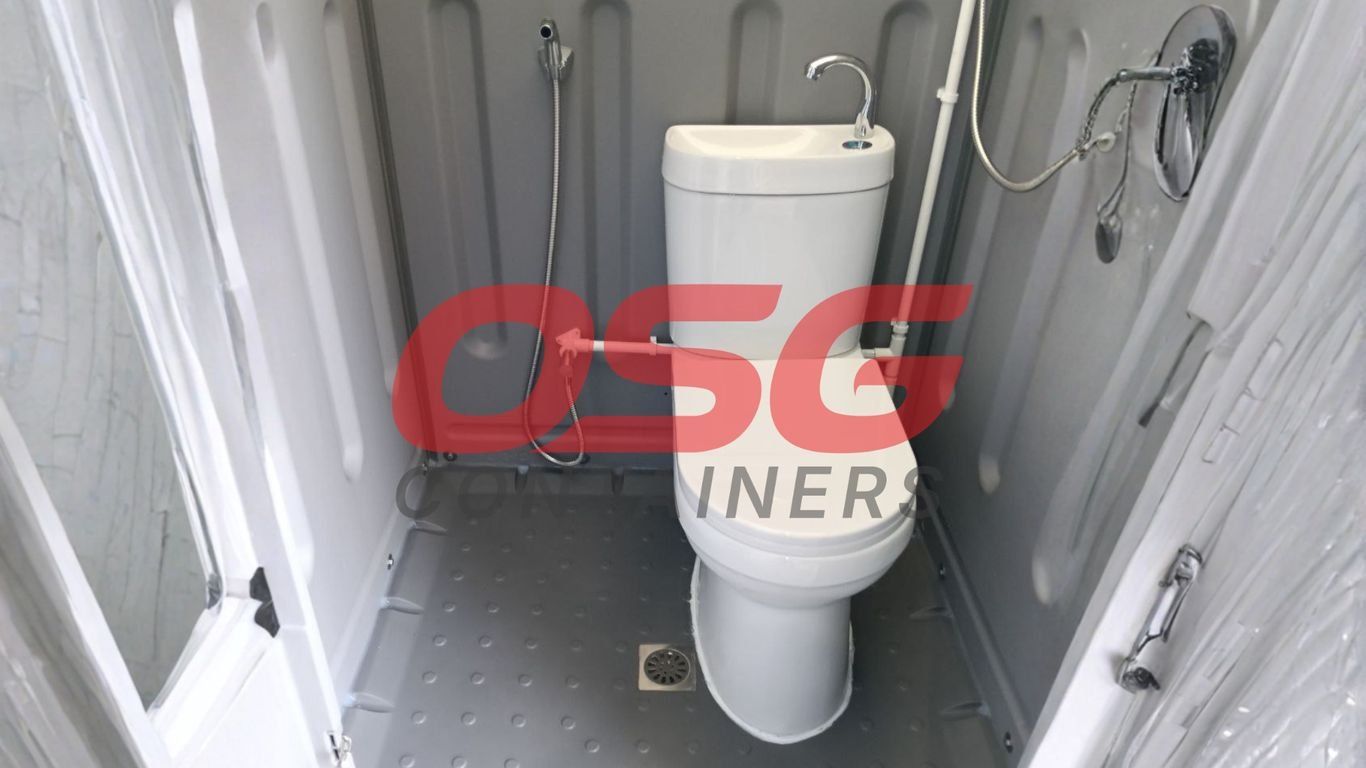
The backbone of these units is typically a robust galvanized steel frame. This is super important because it gives the whole structure strength and, crucially, helps fight off rust, which is a constant battle in our humid environment. The walls are usually constructed using insulated sandwich panels. Think of them like a layered cake: metal sheeting on the outside, an insulating material in the middle (like polyurethane foam or rockwool), and then another layer of metal. This sandwich design is key for keeping the inside temperature more stable, making it less of a sauna on a hot day. For the flooring, you’ll often find non-slip PVC or sometimes even ceramic tiles. This is a practical choice for safety, especially when things get wet, and it makes cleaning a whole lot easier.
Here’s a quick rundown of what you might find:
- Main Frame: Galvanized steel for strength and rust prevention.
- Wall Panels: Insulated sandwich panels to control temperature and block noise.
- Flooring: Anti-slip PVC or tiles for safety and easy cleaning.
- Roof: Insulated steel to help keep the heat out and prevent leaks.
- Doors & Windows: Often made from aluminum alloy or steel for security and ventilation.
Materials And Their Purpose
Every material choice has a reason behind it. The galvanized steel frame, as mentioned, is all about longevity in a corrosive environment. The insulation within the wall panels isn’t just for comfort; it also helps dampen outside noise, creating a more private experience. The choice of interior finishes, like PVC or tiles, is driven by hygiene and durability. They need to withstand frequent cleaning and heavy foot traffic without falling apart or becoming a breeding ground for germs. Even the doors and windows are selected for a balance of security and airflow, which is vital for maintaining a fresh environment.
The right combination of materials means these units can serve their purpose effectively for a long time, even with constant use and exposure to the elements. It’s about smart engineering for practical needs.
Durability In Malaysia’s Climate
Malaysia’s weather can be pretty intense – think scorching heat, heavy rain, and high humidity. These container toilets are designed to handle it. The insulated panels do a decent job of moderating the internal temperature, so it doesn’t feel like an oven inside. The sturdy construction means they’re not going to be easily damaged by strong winds or the general wear and tear that comes with being a public facility. They are built to be resilient, providing a reliable sanitation solution regardless of whether it’s a sunny day or a monsoon downpour. This means less worry about frequent repairs and more consistent service.
Compliance With Local Hygiene Standards
When you’re setting up temporary facilities, especially for work sites or events in Malaysia, there are rules you just can’t ignore. These aren’t just suggestions; they’re about keeping people healthy and safe. Portable container toilets are designed to meet specific health and safety benchmarks. This means they’re built with materials that are easy to clean and don’t harbor germs. The internal layout also matters, making sure there’s enough space for use and cleaning. Adhering to these standards is non-negotiable for any responsible operation.
Regulatory Pressure Driving Adoption
It’s not just about doing the right thing; there’s often a regulatory push to get these facilities in place. Governments and local authorities are increasingly aware of the public health risks associated with poor sanitation. Think about construction sites or large outdoor gatherings – if people don’t have access to proper toilets, it can lead to health issues and environmental problems. This is why you see more regulations coming out that require businesses and event organizers to provide adequate temporary sanitation. Using container toilets is a practical way to tick these boxes and avoid fines or shutdowns. The Occupational Safety and Health Act 1994 (OSHA) and guidelines from the Department of Occupational Safety and Health (DOSH) are key here, mandating decent sanitation facilities on work sites. Enforcement levels and evolving standards regarding waste disposal and environmental impact are shaping product innovation and service protocols among leading suppliers.
Importance Of Good Hygiene Practices
Beyond the legal stuff, having decent toilets on-site actually makes a difference in how people work. When workers have clean, accessible facilities, they’re more comfortable and can focus on their jobs. It shows that the company cares about their well-being. This can lead to better morale and, believe it or not, improved productivity. Nobody wants to take long breaks or feel sick because the facilities are bad. It’s a simple aspect of workplace management that often gets overlooked but has a real impact. Maintaining high standards of hygiene and regular maintenance in restroom facilities is crucial for ensuring a clean, safe, and pleasant environment.
Here’s a quick look at why good hygiene matters:
- Prevents Germ Spread: Regular cleaning and proper waste disposal stop the spread of bacteria and viruses.
- Boosts Morale: Clean facilities show respect for workers and visitors, leading to a better atmosphere.
- Avoids Fines: Meeting health and safety regulations keeps you on the right side of the law.
- Protects Environment: Proper waste management prevents pollution of local areas.
Keeping these units clean and functional isn’t just about comfort; it’s a public health matter. Regular upkeep prevents odors, stops the spread of germs, and generally makes the whole setup much more pleasant for users. Ignoring maintenance can quickly turn a useful facility into a major problem.
Meeting Health And Safety Benchmarks
Container toilets need to meet specific benchmarks to be considered compliant. This involves several key areas:
- Materials: Surfaces should be non-porous and easy to sanitize. Think smooth finishes that don’t trap dirt.
- Ventilation: Good airflow is important to manage odors and maintain a fresh environment.
- Waste Management: Self-contained tanks need regular emptying and proper disposal according to local regulations. This includes managing greywater from sinks too.
- Water Supply: If handwashing stations are included, a reliable water source is needed, whether it’s an onboard tank or a connection.
- Lighting and Mirrors: Adequate lighting and mirrors improve usability and safety.
- Accessibility: Features like grab bars and appropriate door widths might be needed depending on the site and user needs.
Meeting these health and safety benchmarks is non-negotiable for any responsible operation. Regular cleaning protocols, including disinfecting high-touch surfaces, and consistent restocking of supplies like soap and toilet paper are also part of the picture. For sites with high usage, daily or every-other-day checks and emptying might be necessary, while lower-usage sites could manage with weekly service. Having a plan for quick maintenance response is also key to avoiding disruptions.
Supply And Production Landscape
When you’re looking at toilet containers in Malaysia, it’s a bit of a mixed bag when it comes to where they come from and how they’re made. It’s not just one big factory churning everything out. We’ve got a mix of local assembly and production, plus a good chunk of imports, especially for the fancier stuff.
Domestic Assembly Versus Imports
For the standard, everyday portable toilets you see on most construction sites, there’s a pretty solid local scene. Companies here can build and put together a lot of these units. They often use molded plastic or modify shipping containers, and they get their raw materials from both local suppliers and overseas. This local setup helps keep costs down and means you can get your hands on common models pretty quickly.
But, if you need something a bit more specialized, maybe a unit designed for extreme weather, or one with extra accessibility features, or even a high-tech bio-toilet system, you’re probably looking at imports. These often come from places like China, or sometimes from Europe or other parts of Asia where they have the specific tech or the volume to make those niche units economically. It’s a bit like buying a specialized tool versus a general-purpose one – sometimes you just have to go to the source for the best fit.
Supply Chain Components
The whole process involves a bunch of different players. You’ve got the folks who supply the raw materials – think plastics, steel, and the chemicals needed for waste treatment. Then there are the component manufacturers who make things like the toilet bowls, sinks, and ventilation systems. Finally, you have the assembly centers that put it all together or modify the containers.
But it’s not just about building the units. A huge part of the supply chain is the service side. This includes places that can fix them up, facilities for cleaning and sanitizing them, and a fleet of trucks to move them around. The companies that are really good at this service part often stand out from the crowd.
Production Capacity And Lead Times
Generally speaking, Malaysia has enough capacity to make the standard toilet containers needed for most projects. However, things can get a bit tight if there’s a sudden boom in construction, with multiple big projects kicking off at the same time. When that happens, you might run into delays, especially if you need special parts or imported components. It can take longer to get what you need.
Building up a large fleet of these units and the service network to support them is a big investment. This means that the market tends to be dominated by the bigger companies that already have the resources. It’s not the easiest market to jump into if you’re just starting out.
The efficiency of getting these units to sites, keeping them clean, and picking them up when they’re no longer needed is a major factor in how much they cost and how happy customers are. It’s more than just dropping off a box; it’s a whole logistical operation.
Here’s a quick look at what goes into it:
- Raw Materials: Steel, plastics, insulation, paint.
- Components: Toilet bowls, cisterns, sinks, pipes, ventilation fans, lighting.
- Assembly: Welding, fitting, plumbing, electrical work, finishing.
- Logistics: Trucks, drivers, scheduling, fuel.
- Servicing: Cleaning chemicals, water, waste removal, repairs.
Operational Aspects Of Container Toilets
Waste Disposal and Water Management
Keeping container toilets functional and hygienic really boils down to how you handle the waste and any water involved. Since most of these units are self-contained, they rely on holding tanks. These tanks collect all the waste, and importantly, they need to be emptied regularly. This isn’t a DIY job; it requires a specialized vacuum truck service. The frequency of these pump-outs depends on a few things: how many people are using the toilets, how long the site is active, and the size of the holding tank itself. For a busy construction site with dozens of workers, you’ll need more frequent servicing than, say, a small remote office with only a handful of employees.
Beyond just emptying the tanks, the service usually includes cleaning the unit and restocking supplies like toilet paper and sanitizers. Some advanced systems might also incorporate greywater management for sinks if they are part of the unit, though this is less common for basic toilet containers. The chemical solutions added to the tanks are also key; they help break down waste and control odors, making the process more manageable between services.
- Regular Pumping: Essential for preventing overflow and maintaining hygiene.
- Chemical Treatment: Neutralizes odors and aids waste breakdown.
- Cleaning and Restocking: Keeps the unit pleasant and ready for use.
- Waterless Urinals: Some models offer waterless options to reduce waste volume.
The effectiveness of waste disposal hinges on a reliable service schedule. Without it, even the best-designed container toilet can become a health hazard and an unpleasant experience for users.
Installation and Setup Considerations
Setting up container toilets is generally straightforward, which is one of their big selling points. They don’t need complex plumbing hookups like traditional restrooms. Most units are designed to be placed on a relatively level surface. Depending on the model and the site’s terrain, you might need to ensure the ground is firm and stable. Some larger or more elaborate units might require a small concrete pad or level gravel base for maximum stability, especially if they’re going to be in place for a long time or experience heavy foot traffic.
Ventilation is another aspect to consider during setup. While most units have built-in vents, ensuring they aren’t blocked by debris or other site structures helps maintain air quality inside. If you’re placing multiple units, think about accessibility for the service trucks that will be coming to empty them. Easy access for these vehicles is important for timely maintenance.
- Site Preparation: Ensure a level and stable surface.
- Accessibility: Plan for service vehicle access.
- Placement: Position units conveniently for users and away from main work areas if noise is a concern.
- Anchoring: Consider securing units in windy locations.
Maintenance and Cleaning Schedules
Consistent maintenance is what separates a good container toilet experience from a bad one. It’s not just about the scheduled pump-outs; it’s about daily or weekly checks to keep things in order. This includes visual inspections for any damage, ensuring dispensers are full, and a quick wipe-down of surfaces if needed. For sites with high usage, a more frequent cleaning routine might be necessary.
A well-maintained container toilet reflects positively on the site management and shows care for the workers or visitors. This proactive approach prevents small issues from becoming big problems. It also helps in extending the lifespan of the unit itself. Think of it like maintaining any piece of equipment – regular attention means it performs better and lasts longer.
- Daily Checks: Refill dispensers, check for damage, quick wipe-downs.
- Weekly Cleaning: More thorough cleaning of floors, walls, and fixtures.
- Scheduled Servicing: Professional pump-out and deep cleaning.
- Record Keeping: Log maintenance activities for tracking and compliance.
Competitive Landscape In Malaysia
Key Differentiators For Service Providers
Most companies stand out by the size and variety of their fleets. Bigger providers usually own a wide mix of units, from basic toilets to upgraded welfare cabins. Geographic reach matters, too—having depots in both urban centers and remote regions means faster delivery and service. It’s not just about hardware though––strong relationships with construction giants and government-linked companies help secure those important framework deals.
- Fleet size: More units mean faster scaling for large sites.
- Range of options: From standard models to higher-end, accessible units.
- Depot network: Nearby locations improve logistics and maintenance.
- Trusted clients: Longstanding partnerships with developers and big projects.
Role Of Regional Specialists
While major firms cover the country, smaller and regional operators carve out a place by focusing on local strengths. They may know local contractors well, be more agile in responding to short-term needs, and often offer a personal touch that national firms can’t match. Their lower overhead lets them stay competitive in smaller markets, though they might not handle mega-projects.
Regional specialists often fill gaps that larger players overlook, especially in rural or less developed construction zones.
- Deep local knowledge
- Fast, flexible support for small contractors
- Lower operating costs matched to simpler projects
Securing Framework Agreements
Framework agreements are a big deal—these long-term contracts with major projects provide reliable business for providers. They are mostly won by companies with scale, a proven track record, and the capacity to handle large deployments quickly.
| Factor | National Players | Regional Specialists |
|---|---|---|
| Fleet Size | High | Low/Medium |
| Ability for Large Sites | Yes | Limited |
| Local Knowledge | Moderate | High |
| Service Personalization | Lower | Higher |
| Price Flexibility | Low | Medium/High |
If you’re a contractor in Malaysia, you’ll notice that competition means better service and more options—whether your job is a city skyscraper or a smaller rural project. In this market, both size and local relationships matter.
Making Sure Portable Toilets Meet the Mark in Malaysia
So, when you’re setting up temporary toilets in Malaysia, it’s really about more than just having a place to go. These container toilets are built to be tough and easy to clean, which is a big deal for keeping things hygienic. They’re designed to meet the country’s standards, so you know they’re up to par. Using these units helps projects stay on the right side of the rules, keeps workers more comfortable, and can even save money in the long run. They’re a solid choice for any site needing reliable sanitation.
Frequently Asked Questions
What are container toilets and why are they popular in Malaysia?
Container toilets are basically portable restrooms built inside strong steel containers. They’re a big hit because they’re easy to set up quickly, keep things clean, and are built to last. Unlike flimsy plastic ones, these are sturdy and can be used over and over again. As rules about cleanliness and safety get stricter, more and more projects are choosing these reliable container restrooms.
How do these container toilets handle waste and water?
Keeping them clean is super important! A regular cleaning schedule is a must. For waste, depending on where the toilet is, it can be connected to the city’s sewer system if available. If it’s in a remote spot, special tanks called septic tanks can be used to handle the waste. For water, they need to be connected to a water source, and good waterproofing and drainage systems are built in to prevent leaks and keep the inside dry, even when it rains a lot.
Are these container toilets tough enough for Malaysia’s weather?
Yes, they are! These container toilets are built with strong galvanized steel frames, which helps prevent rust, a common problem in Malaysia’s humid climate. The walls are often made of insulated sandwich panels, which help keep the inside temperature more comfortable, no matter how hot or wet it gets outside. The floors are usually made of materials like non-slip PVC or tiles, making them safe even when wet.
What are the main benefits of using container toilets for a project?
Container toilets offer a lot of perks. They are super flexible, meaning you can get just a few or a whole set depending on your needs. They’re built to last a long time, using tough materials that can handle daily use and different weather. This makes them a good deal in the long run because you won’t have to replace them as often as less sturdy options.
Do these toilets meet Malaysia’s health and safety rules?
Absolutely. Portable container toilets are specifically designed to meet strict health and safety rules. They use materials that are easy to clean and don’t let germs stick around. The way they are built also helps make sure there’s enough space for people to use them comfortably and for cleaning crews to do their job effectively. Following these rules is a must for any responsible project.
How does having good container toilets help workers?
Having clean and decent toilets on-site makes a big difference for workers. When they have good facilities, they feel more comfortable and can concentrate better on their tasks. It shows that the company cares about their well-being, which can boost morale and even make them more productive. It’s a simple thing, but it really matters for workplace happiness.